AI and digital tools to drive gains in climate resilience in Philippine rice landscapes
- Palay+ field trials validated AI-identified drivers of rice yield gaps, with targeted recommendations increasing yields and farmer income.
- A “traffic light-inspired" digital monitoring system helps track water availability and guides more efficient irrigation management to strengthen resilience to extreme climate conditions.
LOS BAÑOS, Philippines (19 August 2026) — The National Irrigation Administration (NIA) and the International Rice Research Institute (IRRI) continue to make progress in deploying artificial intelligence (AI) and digital monitoring tools through the Palay+ project to target agricultural investments, close yield gaps, and modernize water management. These efforts aim to strengthen the resilience of Filipino farmers to changing climate conditions and reduce methane emissions in rice production across the Philippines.
"This project between NIA and IRRI is about making technology practical and fitting the realities of Filipino farmers and the Philippine rice sector. We want solutions that are innovative, timely, sustainable, and most importantly, work on the ground," said Engr. Luisito Ruel S. San Miguel, Division Manager of NIA’s Irrigation Engineering Center.
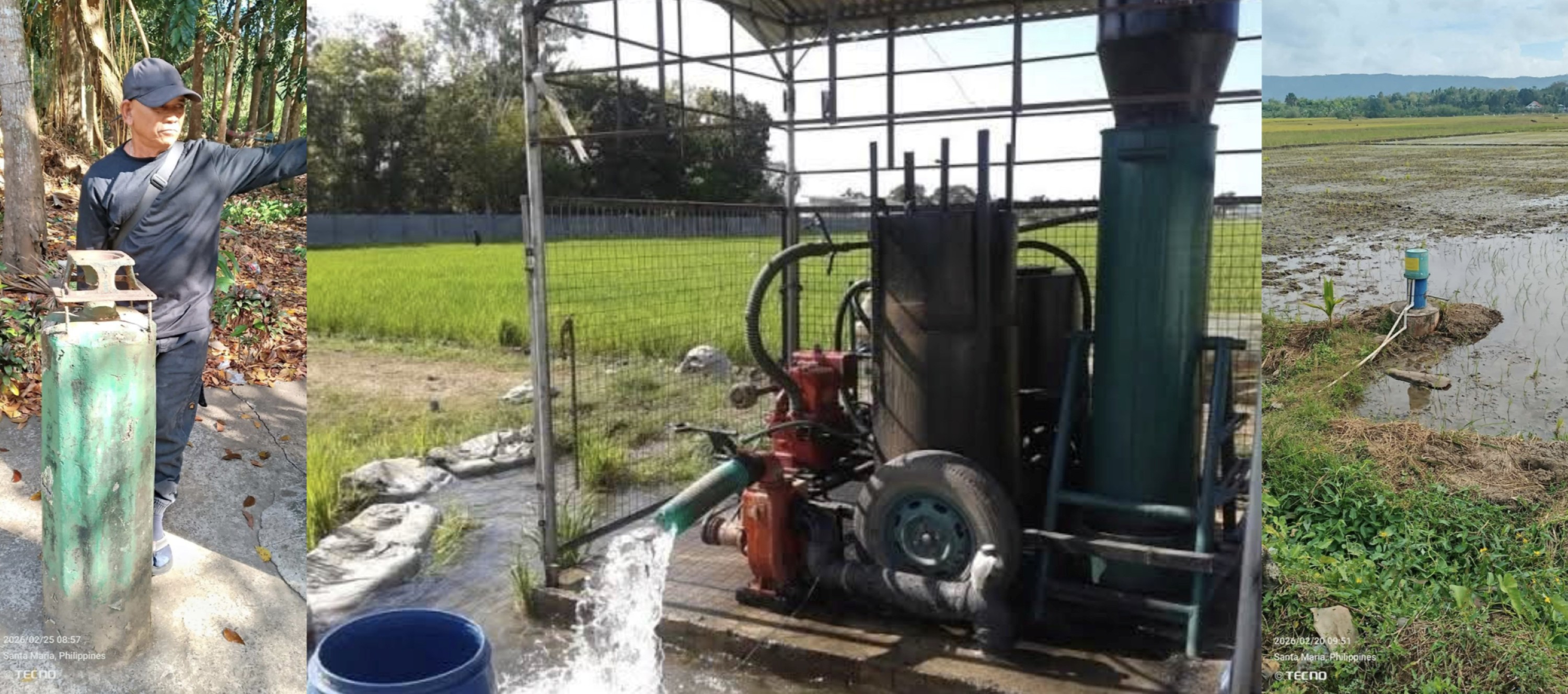
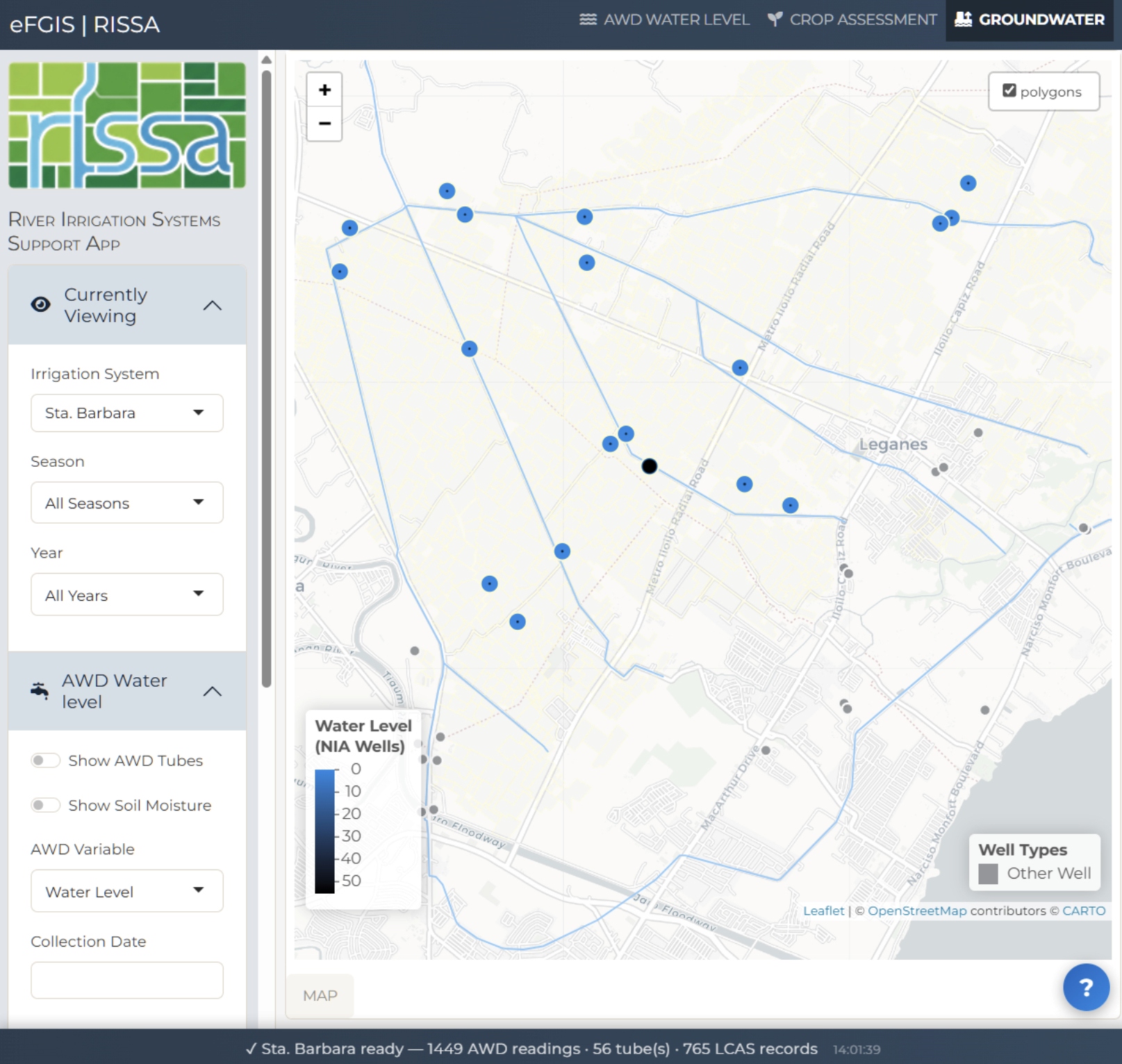
Palay+ aims to modernize water management through digital dashboards and satellite monitoring that track water levels in real-time, helping farmers save water and significantly reduce the methane emissions released by flooded rice fields. Further, it is also advancing progress on expanding and digitizing the country’s rural groundwater monitoring system to safeguard vital water supplies from running dry.
“The unique part of the Palay+ project is that we combine field diagnostics, farmer collaborations, and AI systems to jointly identify how we can most cost-effectively improve productivity, resilience, and reduce the environmental impact of the farming systems. This approach helps to substantially increase the impact and speed of NIA’s programs that affect millions of farmers” said Dr. Anton Urfels, IRRI Senior Scientist and Project Lead.
AI diagnostics uncovers drivers to close yield gaps
As Palay+ completed its first year of implementation, the Landscape Crop Assessment Survey (LCAS) was deployed and significant yield gaps were identified in pilot areas: 2,478 kg/ha in the Sta. Maria River Irrigation System (RIS) in Laguna and 1,250 kg/ha in the Sta. Barbara RIS in Iloilo. Advanced AI and machine learning (ML) models identified nitrogen fertilizer management as the primary driver behind these productivity gaps in both irrigation systems.
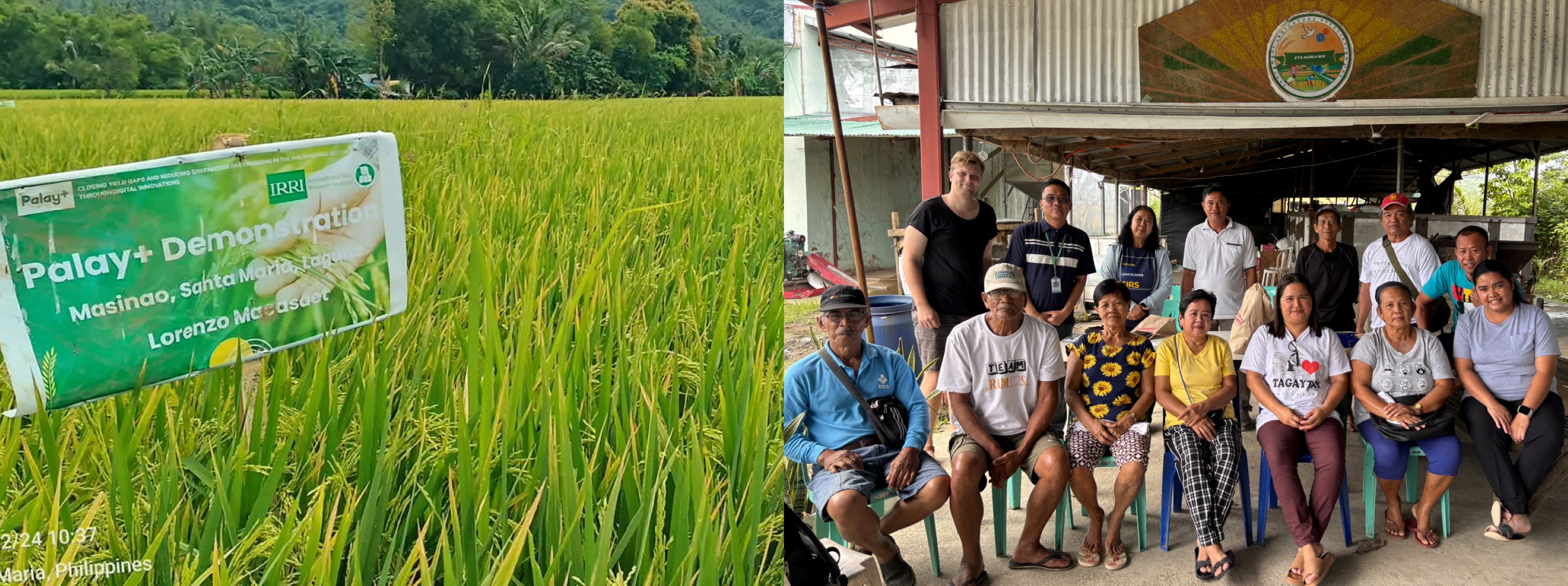
To validate these insights, field trials were established to compare Palay+ data-driven fertilizer recommendations against traditional farmer practices. In the first dry season, Laguna trials achieved an average yield increase of 0.8 t/ha, while Iloilo trials gained a 0.3 t/ha improvement in comparison to farmers' practice from a simple practice change.
Laguna farmers gained an average net benefit of up to Php 9,894 (~165.00 USD) per hectare, while those in Iloilo gained up to Php 4,127 per hectare (~69.00 USD). Demonstration plots produced greener and more uniform crops, with better grain filling and larger grain size.
Modernizing canal and groundwater management
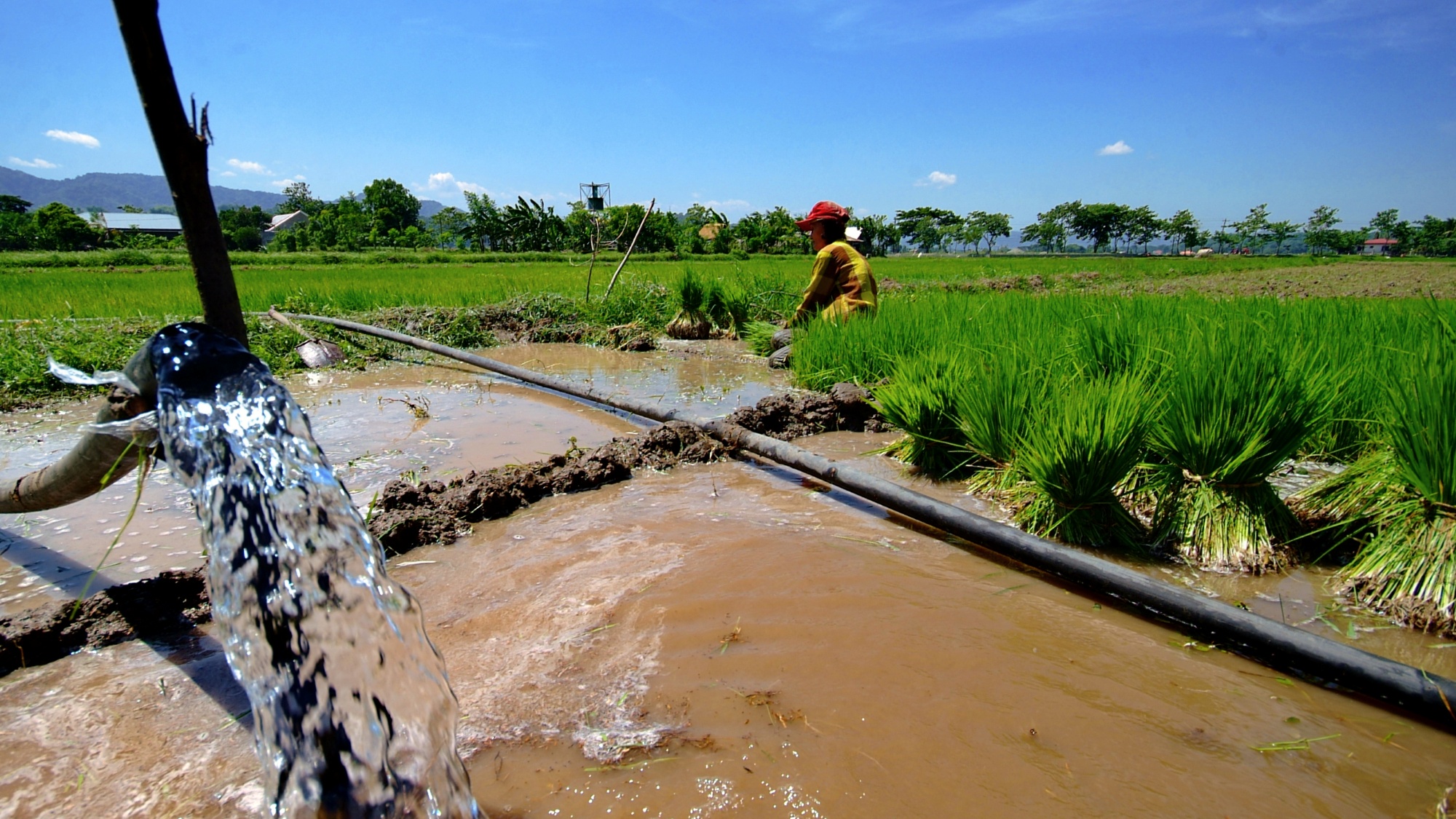
Beyond closing yield gaps, Palay+ is using digital technologies to help make water management more responsive to water shortages due to extreme climate conditions such as droughts and prolonged dry spells.
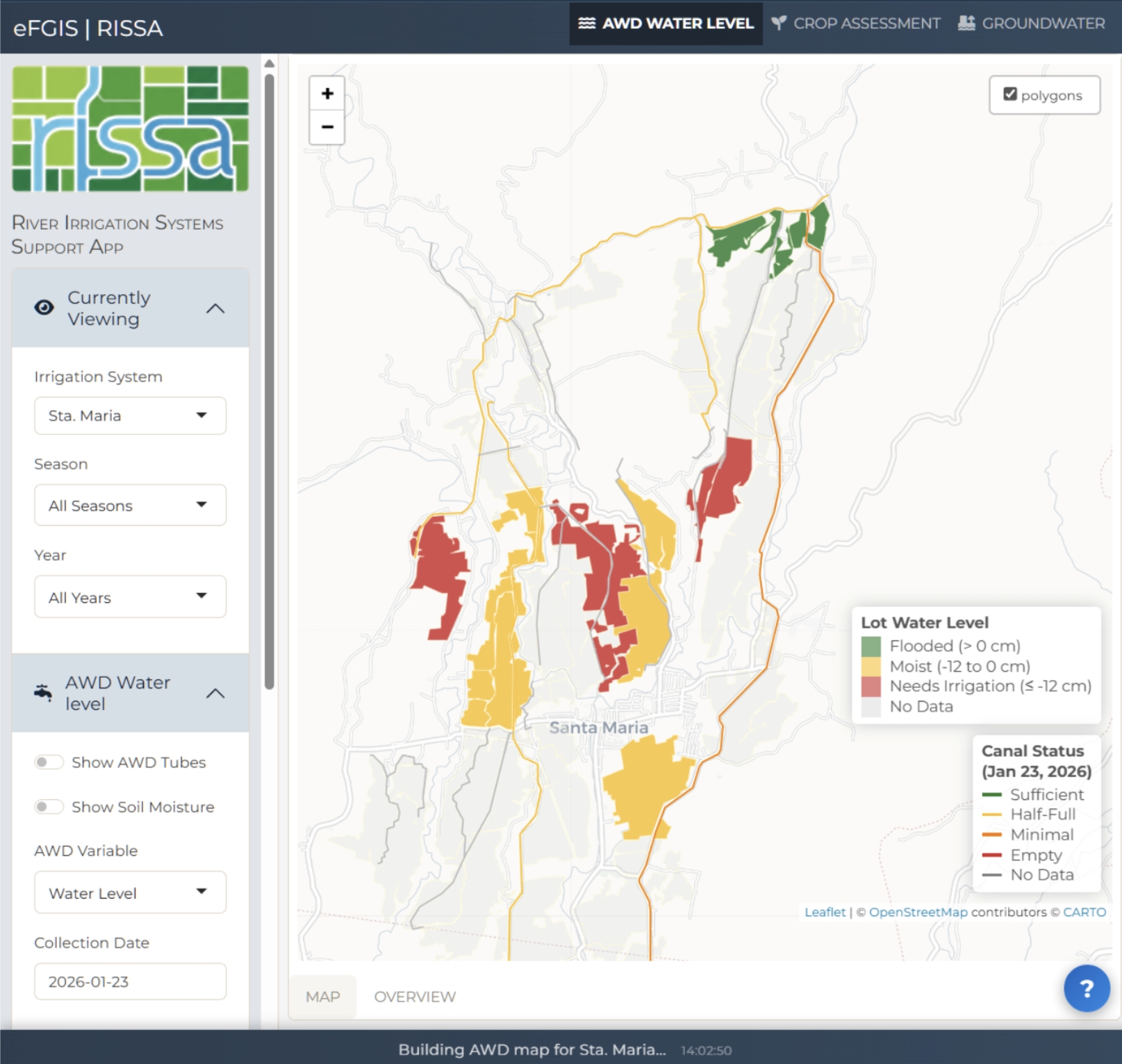
The project team is also working to modernize water monitoring across canal irrigation systems to support alternate wetting and drying (AWD). AWD is a proven water-saving and low-emission technology, where fields are periodically drained before re-flooding fields. A “traffic light-inspired" digital monitoring system, which uses simple colors such as green for sufficient water and red for empty canals, is under development to help monitor where water is needed. This system works by combining field-level AWD data, smart data entry, and satellite technology.
To further strengthen sustainable groundwater management, the project also initiated stakeholder dialogues with agencies including the National Water Resources Board (NWRB), the Bureau of Soils and Water Management (BSWM), Mines and Geosciences Bureau (DENR-NWRB), Agricultural Training Institute (DA-ATI), National Irrigation Administration (NIA), Ateneo De Manila University (ADMU), University of the Philippines Los Baños (UPLB), and University of the Philippines Diliman (UPD) to support cross-agency dialogue and develop a framework for interoperable digital groundwater monitoring systems that support sustainable groundwater management.
In both pilot sites in Laguna and Iloilo, Palay+ has already started systematic groundwater management by geotagging shallow tubewells and creating a centralized baseline database for water level measurements. IRRI and NIA are currently reviewing protocols and policies for improving data and equipment management to support more sustainable and resilient groundwater programming in NIA.
As Palay+ enters its second year, the focus will shift toward national scaling and the formal integration of these AI and digital tools into NIA’s operational framework.