Experts convene in Dhaka to understand why people choose the foods they eat to better target nutrition interventions in Bangladesh
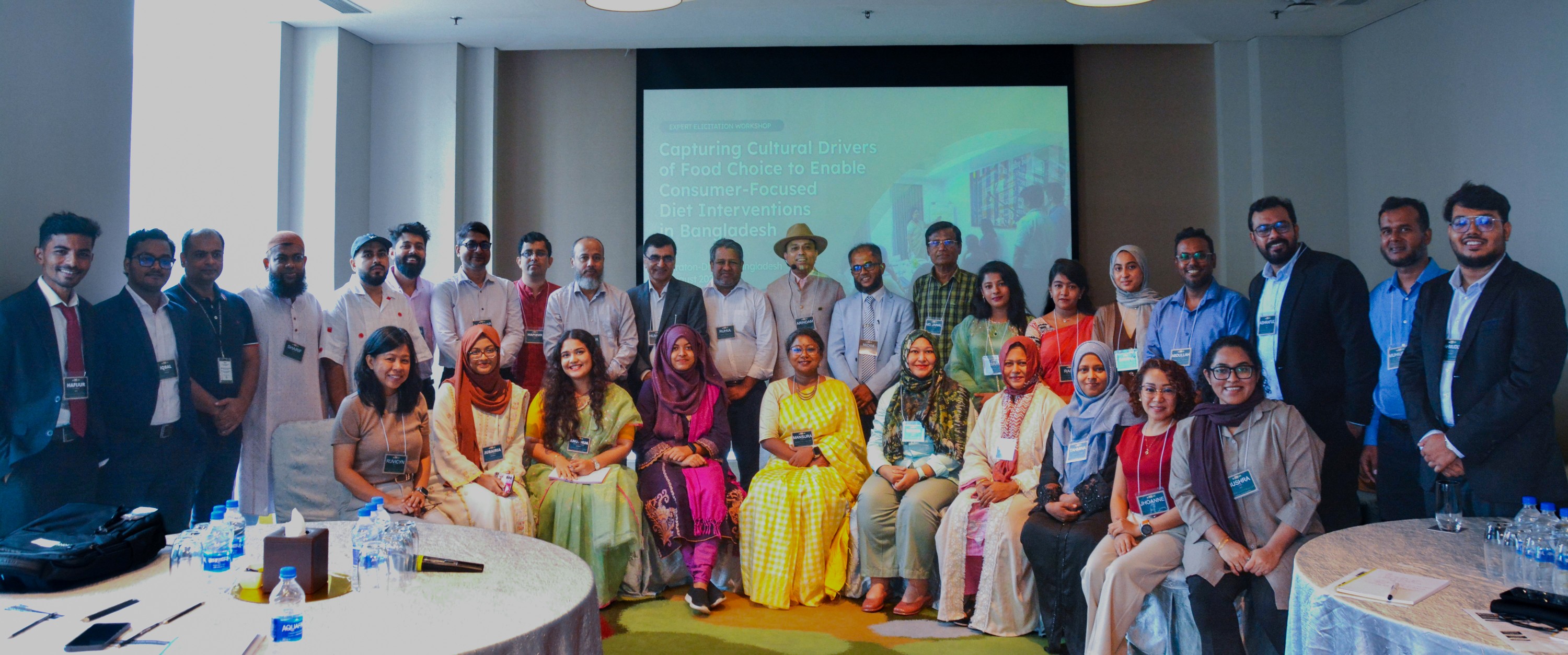
DHAKA, BANGLADESH (4 August 2026) – Food and nutrition experts from government, academia, civil society, the food and restaurant industry, youth organizations, and the CGIAR gathered today at the Sheraton Dhaka for an Expert Elicitation Workshop organized by the International Rice Research Institute (IRRI) to help identify opportunities for nutrition interventions that support healthier and more sustainable, planetary health diets.
The workshop used a rapid, structured expert elicitation process to capture collective knowledge from 39 experts on the factors that influence what, why, and when people eat. The workshop also brought together representatives from youth organizations, a food historian, and food vloggers to provide perspectives on traditional Bangladeshi cuisine, evolving food cultures, and changing dietary patterns.
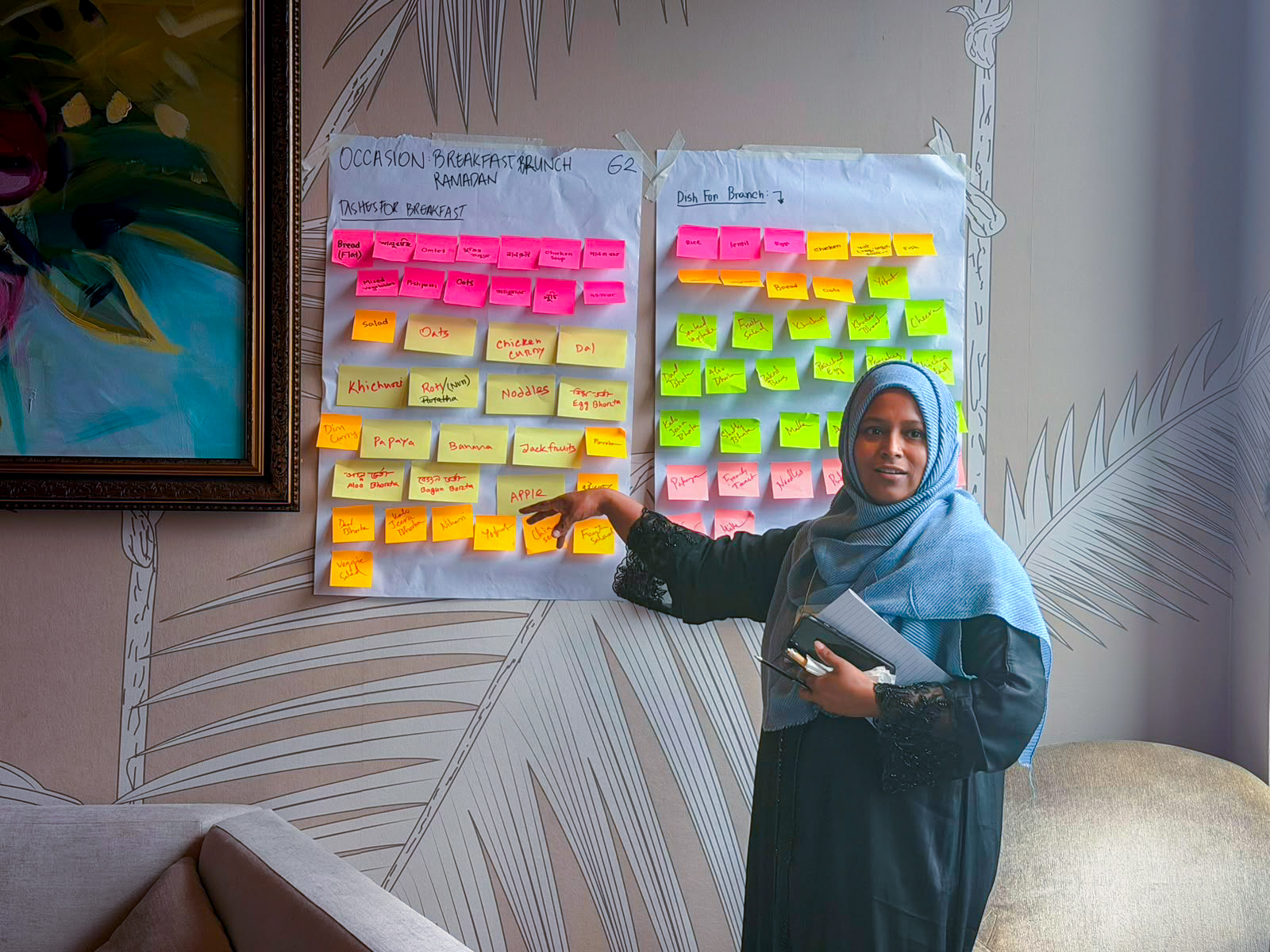
The workshop aimed to generate structured evidence on the cultural, social, economic, and behavioral drivers of food choice in Bangladesh under the Gastronomic Systems Research (GSR) framework. Through guided discussions, participants are contributing their expertise on:
- Foods commonly consumed across different eating occasions
- Cultural and social influences on dietary choices
- Economic factors, including food affordability
- Seasonal changes in food availability
- Food environments and purchasing behavior
- Barriers to adopting healthier diets
- Opportunities for nutrition interventions
Expert elicitation is increasingly recognized as a valuable approach for generating evidence, particularly in areas where empirical data is limited or where timely information is needed to inform research and decision-making.
At the workshop’s opening, Dr. Arindam Samaddar, Project Leader from IRRI, explained that improving diets is not just about producing more food, but it is about understanding why people choose the foods they eat. Food choices are shaped by culture, affordability, availability, convenience, and personal preferences. By understanding these everyday decisions, we can design nutrition interventions that are more relevant, practical, and likely to improve people's diets.
“If diets are culturally shaped, interventions must also be culturally designed.” said Dr. Arindam Samaddar.
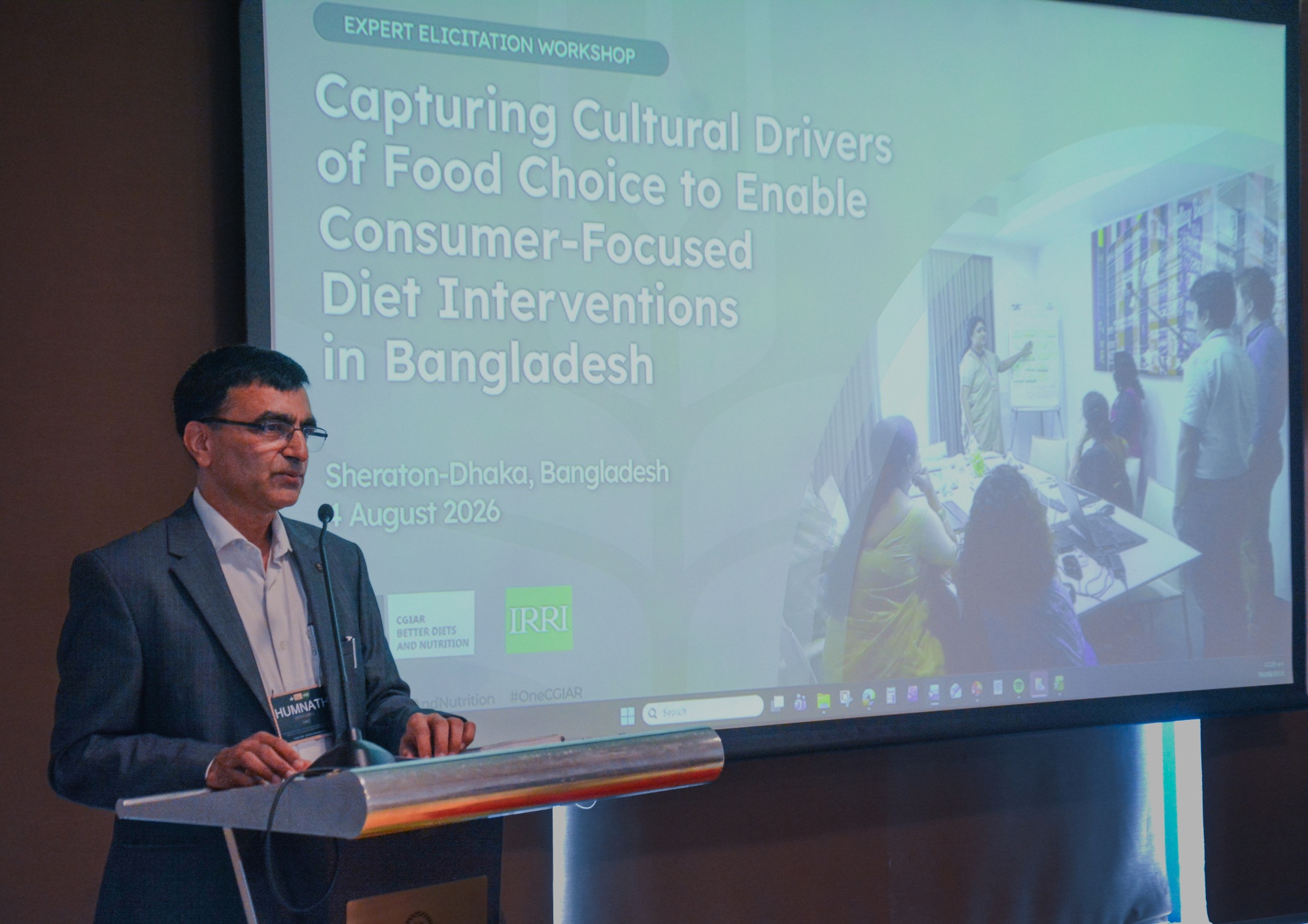
For his part, Dr. Humnath Bhandari, IRRI Representative for Bangladesh, highlighted that health and nutrition are integral to IRRI's new strategy, reflecting the institute's commitment to advancing rice-based food systems that deliver not only food security but also improved nutrition and healthier diets.
Meanwhile, Dr. Hafizur Rahman Bhuiyan, Associate Professor, Department of Food Engineering and Technology, Bangladesh Agricultural University, said the Gastronomic Systems Research (GSR) framework offers a simple, practical, and sustainable approach to addressing complex nutrition challenges.
"The GSR framework is simple, effective, and sustainable. It provides a practical way to address complex nutrition challenges through interventions that are grounded in people's everyday food choices. This approach has the potential to create meaningful, real-life impact by informing solutions that are relevant, scalable, and responsive to local contexts," he said.
Israt Jahan Dorin, Chief Dietitian, Bangladesh Diabetic Network Ltd., emphasized the importance of understanding food choices in addressing the growing burden of diet-related diseases.
"I believe understanding the cultural drivers of food choice is fundamental to designing effective diabetes prevention and nutrition interventions. By recognizing how culture, traditions, and everyday food practices influence dietary decisions, we can develop interventions that are practical, culturally appropriate, and more likely to improve health outcomes," she said.