IIRR, IRRI build local capacity for gender-responsive agricultural planning
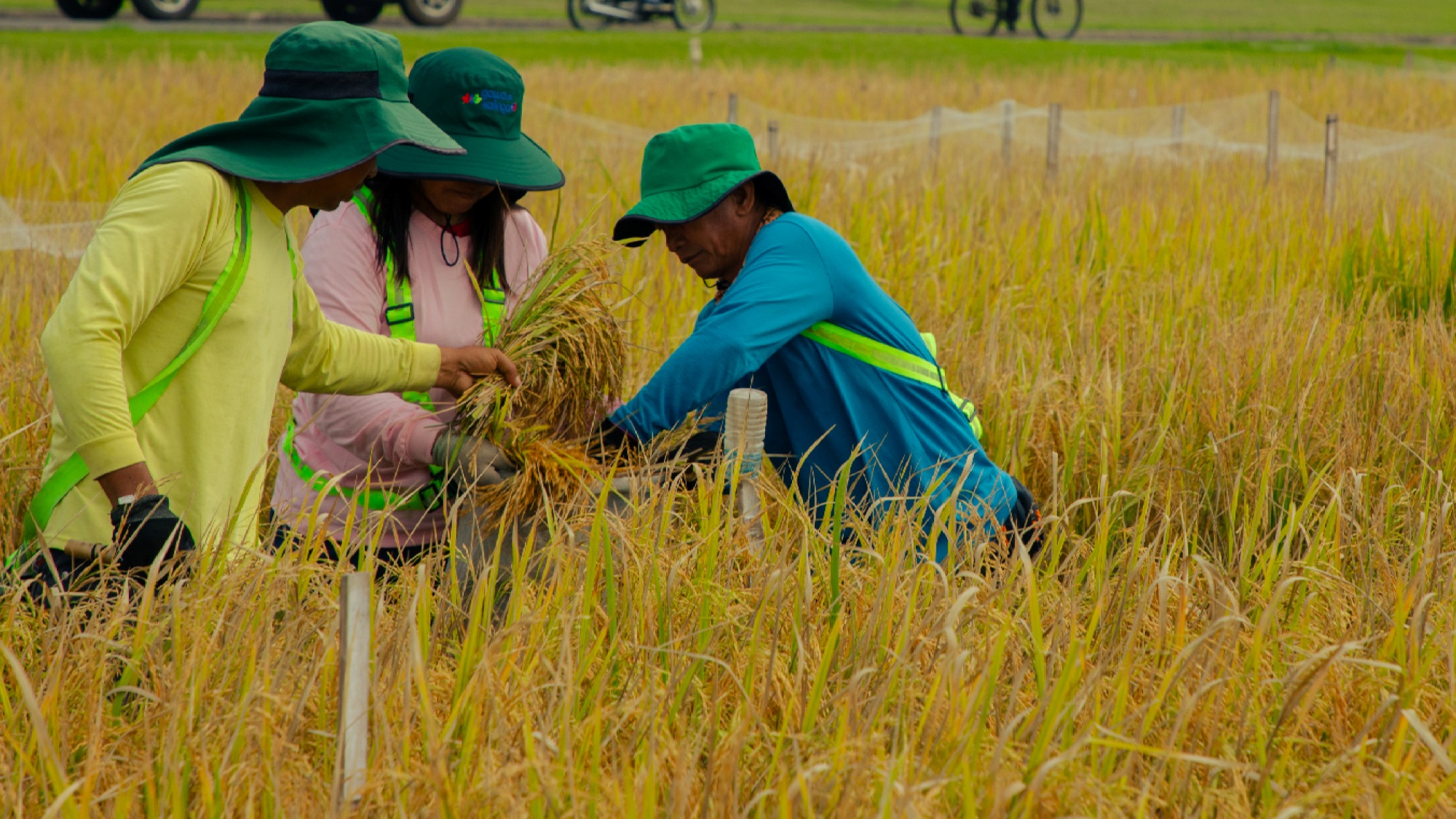
GUINAYANGAN, Philippines (10 November 2026) — Agricultural technologies may tend to leave some farmers behind when programs overlook farmers' varying access to resources, workload, and decision-making. In Guinayangan, Quezon Province, local officials and development organizations are closing these gaps through Socio-Technical Innovation Bundles (STIBs), an approach that integrates technical innovations with social practices and accelerators, including gender equality and social equity for sustainable and resilient agricultural development.
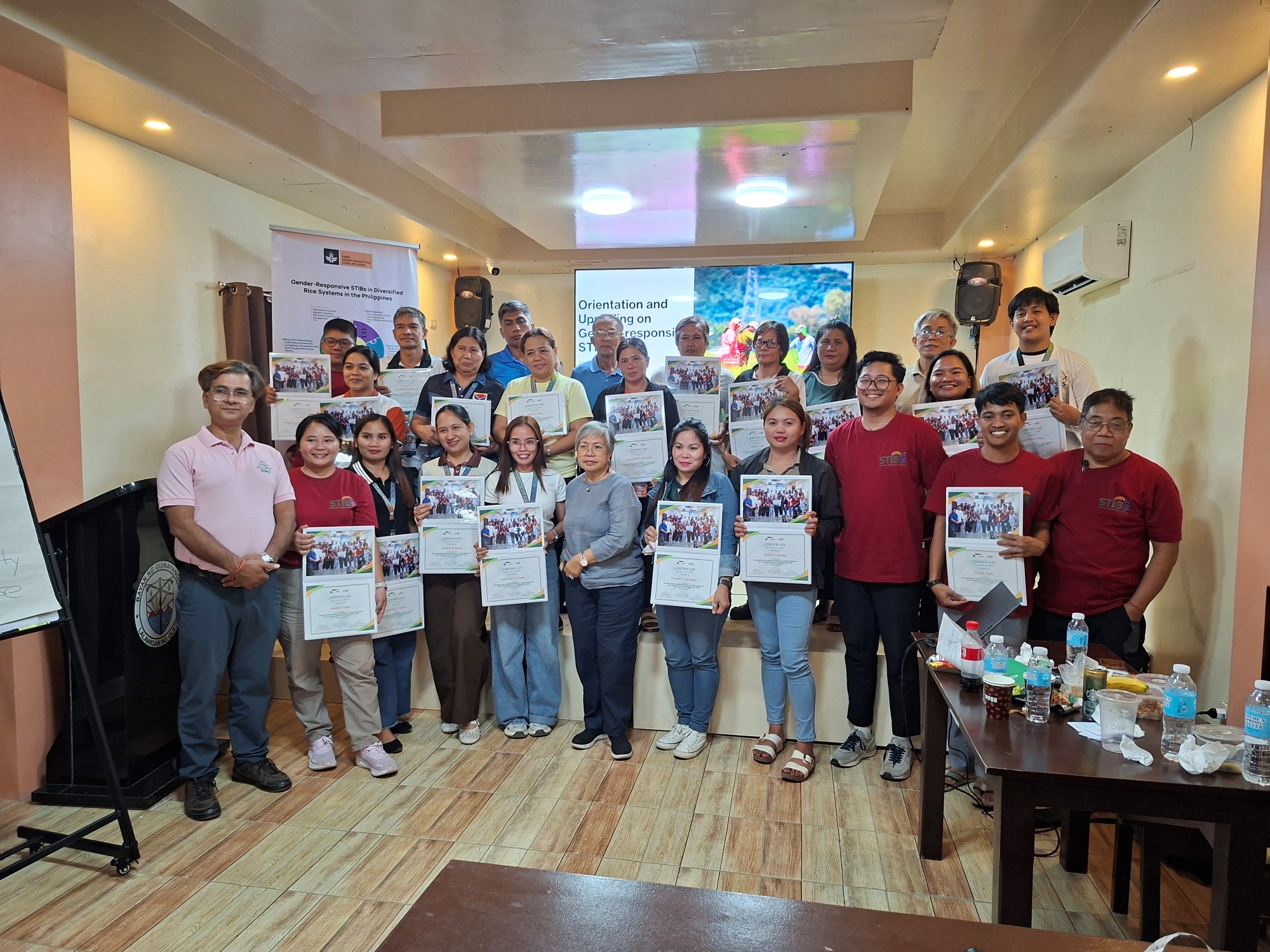
Guinayangan is the first site in the Philippines to systematically implement STIBs, introduced through the two-day capacity-building workshop organized by the Guinayangan municipal Government, the International Rice Research Institute (IRRI), and the International Institute of Rural Reconstruction (IIRR).
Addressing the social barriers to agricultural innovation
During the workshop, IRRI coordinator Franz Pascual explained that the STIBs approach combines (1) policy and institutional support, (2) knowledge and training, (3) technological innovation, and (4) social innovations to ensure that agricultural programs more responsive to farmers’ needs and preferences by accounting for farmers’ needs, preferences, and local cultures.
University of the Philippines Los Baños former lecturer and gender specialist Dr. Maria Helen F. Dayo helped local officials examine how gender roles affect access to resources and the distribution of farm and household responsibilities. By using community data and consultations, participants identified underserved groups and designed more inclusive interventions.
For Gender-Intentional Socio-Technical Innovation (GESI) Bundles in Diversified Farming Systems Project Lead and IRRI Scientist Dr. Hom Gartaula, this shift in perspective is an important measure of whether capacity-building efforts are making a difference.
“When participants look beyond reaching farmers and distributing inputs and start asking: Are farmers actually using the inputs and services provided? Who is benefiting, who is being left behind, and what barriers do we need to address?—that is how we know this training is beginning to make a difference,” he said.
Reflections on bundling gender-responsive interventions
Reflections from the completed Aquadapt PhilCam Project in Guinayangan offered an opportunity to examine how its project activities could have been approached with a more formal bundling approach like STIBs.
Through the project, women beneficiaries improved their postharvest processing and marketing skills for dried and marinated tilapia, locally known as “Guilading” to highlight its origins in Guinayangan. They also used social media to promote their products, which increased their income.
For men, they strengthened their pond preparation skills and developed a greater appreciation for shared household responsibilities and collaboration with their spouses.
These experiences show how the project’s agricultural interventions, when bundled, can create complementary opportunities beyond production by helping women participate in processing and marketing while encouraging more equitable household roles.
Turning inclusive plans into practice
The workshop concluded with sector-specific roadmaps for incorporating GESI into municipal programs.
For rice production, proposed actions included promoting women's leadership in irrigators' associations, registering more women in the Registry System for Basic Sectors in Agriculture (RSBSA), and deploying rice varieties suited to the local climate and environmental conditions, and solar-powered pumps to address climate-related challenges.
In fisheries and coastal management, participants proposed women-led engagements in preventive measure trainings and encourage them in participatory action research.
For disaster risk reduction, the roadmap called for including women, senior citizens, young people, and persons with disabilities in disaster preparedness exercises and contingency planning.
Municipal Agriculturist William Lopez Jr., representing Guinayangan Mayor Cesar Isaac III, expressed that the two-day workshop would help them in their decision making. He added, “It will serve a significant milestone in terms of decision making to our respective office.”
IIRR Quezon Field Office Manager Rico Locaba also highlighted the importance of recognizing women's contributions, supporting resilient livelihoods, and strengthening inclusive local governance.
The next step is to translate sectoral roadmaps into local policies and programs, so that gender and social inclusion become part of how agricultural services are planned, delivered, and assessed.
The Gender-Intentional Socio-Technical Innovation Bundles in Diversified Farming Systems initiative is implemented under the CGIAR Gender Equality and Inclusion Accelerator (GEIA) 2026–2027 work package to help locals incorporate Gender Equality and Social Inclusion (GESI) into agriculture, fisheries, and disaster risk reduction programs.