KOICA-UPLB successfully launches Agricultural Genomics Research Center in Los Baños
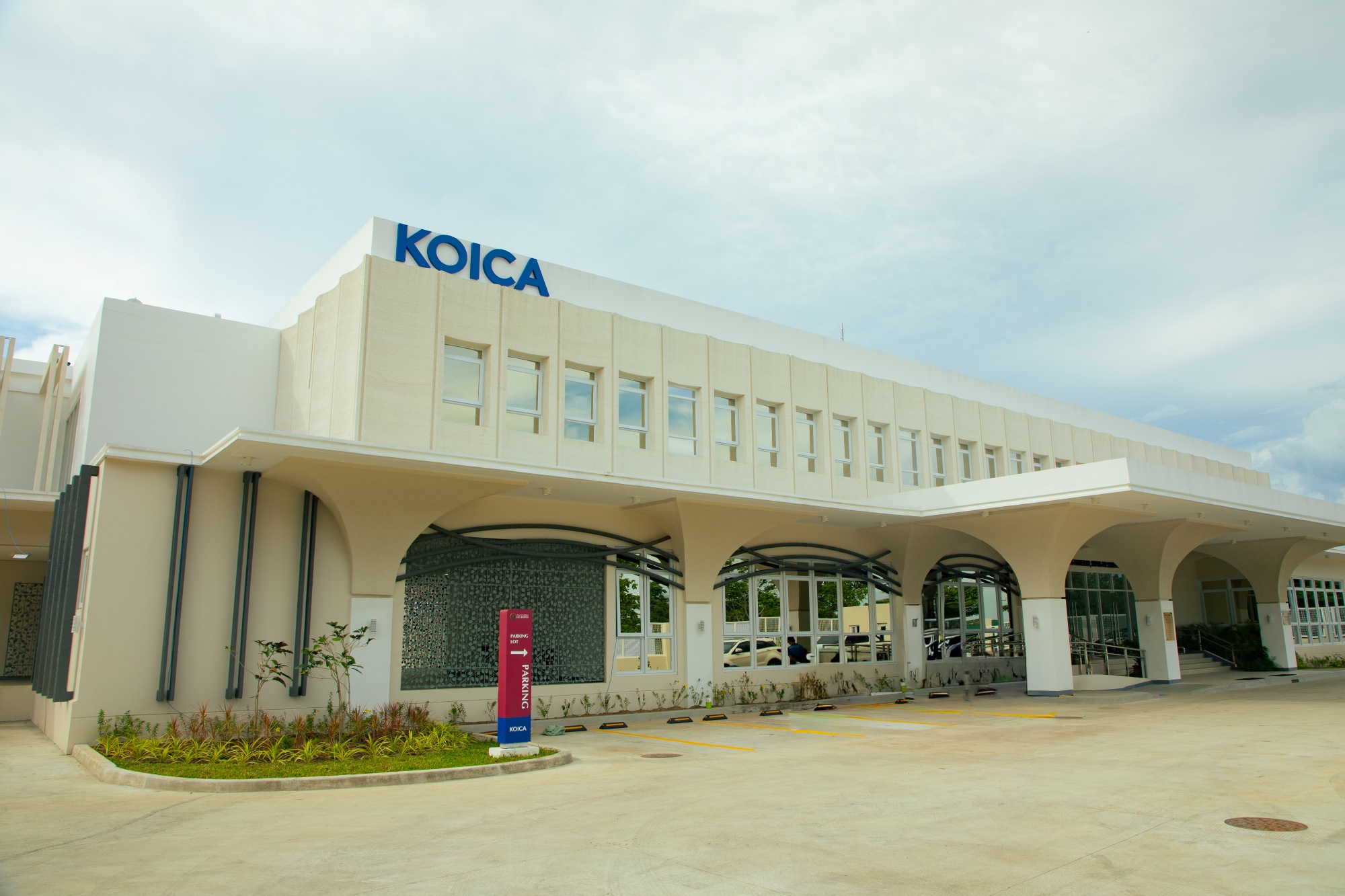
LOS BAÑOS, Philippines (21 September 2026) — The Philippines has opened its first dedicated facility for agricultural genomics, the Agricultural Genomics Research Center (AGRC), creating a national hub for advanced genomics, bioinformatics, and related technologies for agricultural research and crop improvement.
Located at the University of the Philippines Los Baños (UPLB), the center brings together technologies in genomics and other “omics” fields, including transcriptomics, proteomics, and metabolomics. The center will serve as a regional resource for research and development across crops, livestock, and microorganisms, with applications in areas such as climate resilience, food security, and environmental sustainability.
For rice, genomic information can help breeders identify useful traits and accelerate the development of varieties better adapted to drought, flooding, disease, and other challenges. The same technologies can be applied to research on other crops, livestock, and microorganisms.
The AGRC was established through a six-year, USD 14.95 million project funded by the Korea International Cooperation Agency (KOICA), in partnership with UPLB, and the International Rice Research Institute (IRRI) as project management consultant.
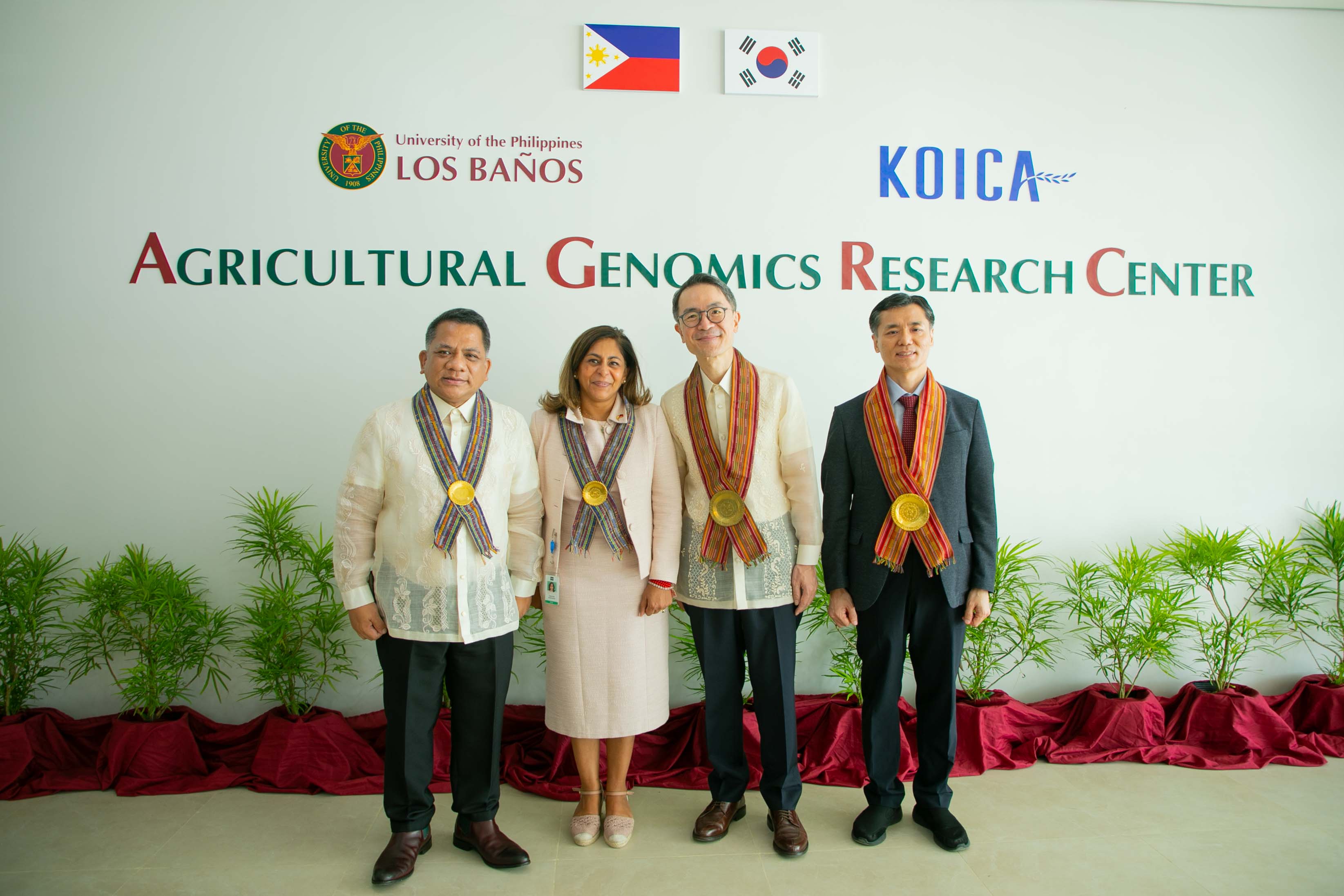
The center was formally launched with Ambassador of the Republic of Korea to the Philippines Lee Dong-gy, KOICA Country Director Jung Youngsun, UPLB Chancellor Jose V. Camacho Jr., and IRRI Director General Dr. Yvonne Pinto.
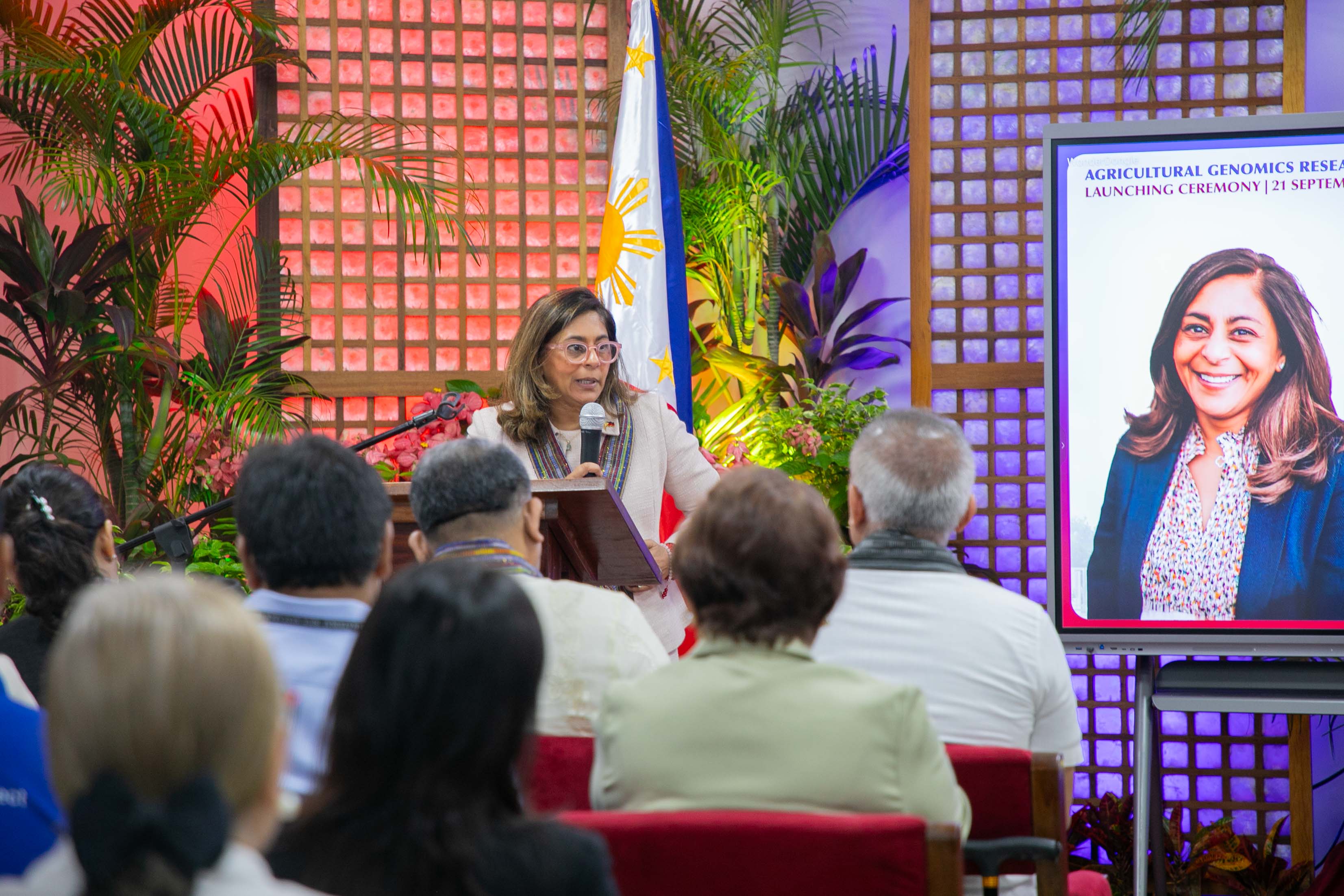
In his opening remarks, KOICA Country Director Jung Youngsun emphasized the importance of the AGRC as a lasting symbol of the partnership between Korea and the Philippines, helping shape a better and more sustainable future for both countries.
“The challenges facing agriculture are complex, and no single institution can address them alone. By bringing together knowledge, technology, resources, and people, we can achieve a much greater impact,” he said.
Building on this, Ambassador Lee Dong-gyu said the project is intended to strengthen both research infrastructure and the people who will use it.
“It must be pointed out that this is not simply another infrastructure project, for the AGRC is designed to build people as much as facilities,” Lee said. “Filipino researchers are receiving advanced training, including PhD opportunities at Korean universities.”
In her remarks, Dr. Pinto highlighted the longstanding Korea-Philippines partnership in rice and agricultural research, referencing a recent editorial by Ambassador Lee that traced the partnership's roots to rice research in Los Baños.
Today, the partnership is also building the people and networks needed to advance agricultural genomics in the Philippines. More than 150 scientists, regulators, and undergraduate and postgraduate students have completed training in genomics, biosafety, and data analytics.
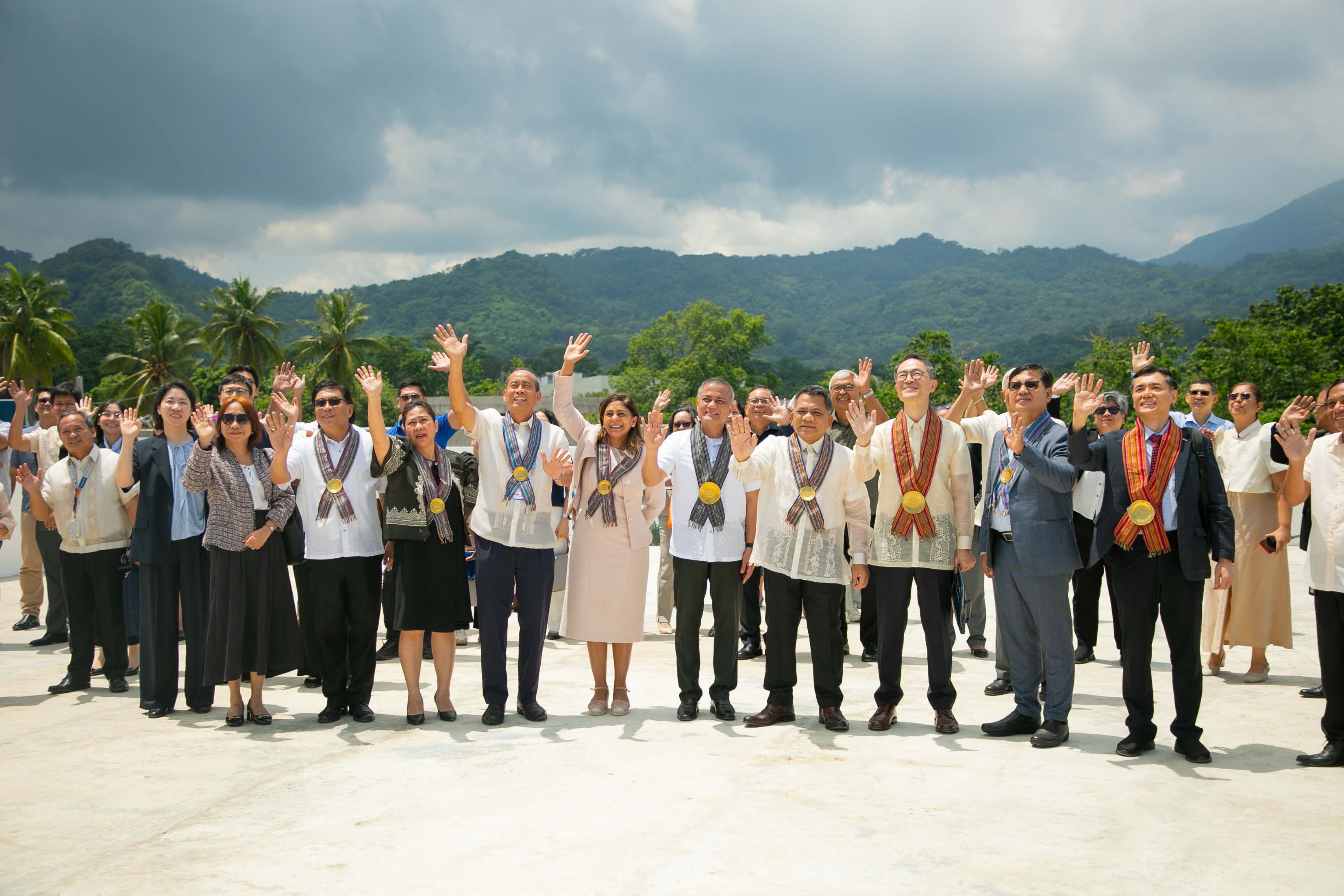
As the project’s technical partner, IRRI has supported research and training opportunities, including for 15 UPLB master’s students conducting research at IRRI and 10 PhD candidates studying at Korean universities through the Korea-Philippines sandwich program.
The partnership has also supported four international conferences and established the Korea-Philippines Open Network (KPOP-Net), connecting 11 Philippine institutions with 10 Korean universities for joint research, researcher exchanges, skills development, and technology adoption.
The AGRC was established under the project, “Capacity-Building for Higher Education and the Establishment of Agricultural Genomics Research Center at the University of the Philippines-Los Baños.”