Regrow and the International Rice Research Institute (IRRI) Partner to Advance the Science and Policy Behind Climate-Smart Rice
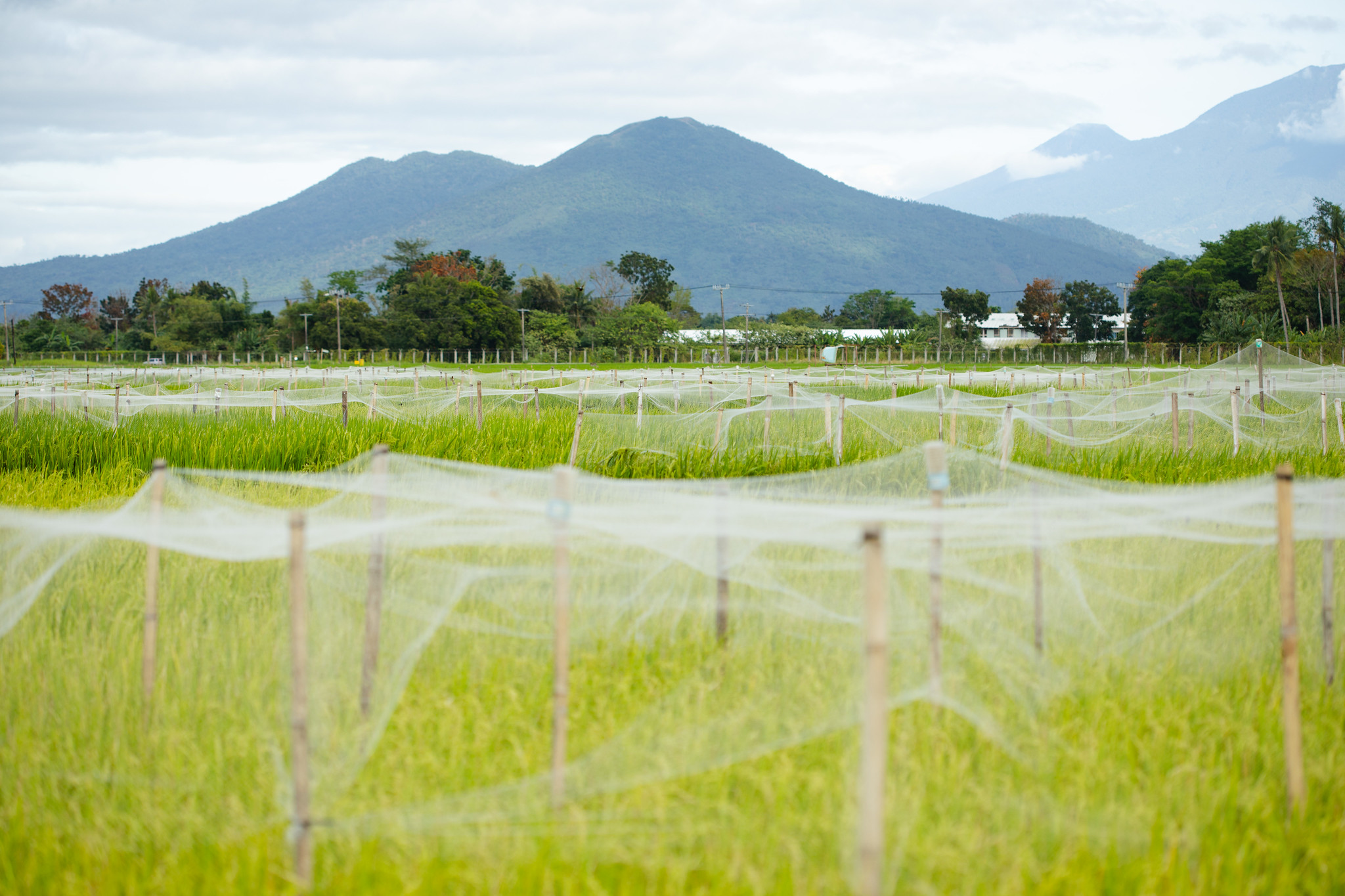
Regrow Ag and the International Rice Research Institute (IRRI) have signed a five-year agreement to jointly advance the development of measurement, reporting, and verification (MRV) tools and greenhouse gas modeling approaches for rice-based farming systems.
This partnership brings together IRRI's decades of field-measured emissions data, rice crop modeling and policy relationships with Regrow's DNDC, a process-based model built to simulate the daily methane dynamics and nitrous oxide fluxes of flooded rice. The two organizations will also work to identify new funding mechanisms that can bring climate-smart rice practices to more farmers.
Rice is grown on more than 400 million acres worldwide and accounts for roughly 10 percent of agricultural emissions. More than half the world's population relies on it as a staple, and about 140 million farmers, most of them smallholders, depend on its cultivation.
Practices such as alternate wetting and drying (AWD), biochar, and targeted soil amendments can cut emissions from paddy fields. AWD also reduces water usage, lowering costs for farmers and drawing investment from tech companies seeking dual climate and water benefits.
A market is forming around these practices. But the science behind rice carbon credits and the policies that govern them are not yet connected well enough to unlock financing at scale. The agreement between Regrow and IRRI aims to build that connection.
Making carbon projects and national inventories count the same way.
A growing number of climate-smart rice programs use detailed, practice-level modeling to meet voluntary market standards, while national emissions inventories still rely on simpler, broader accounting methods. This mismatch matters under Article 6 of the Paris Agreement. For a rice carbon credit to cross borders as an Internationally Transferred Mitigation Outcome (ITMO), the host government must make a corresponding adjustment, subtracting the credited reduction from its own inventory. That only works cleanly when the credit and the inventory were measured the same way.
IRRI brings field research, crop modeling and long-standing relationships with governments in rice-producing countries. Regrow brings carbon market modeling expertise and experience supporting some of the world’s largest rice offtake agreements. Together we will help national inventories and carbon projects use consistent data, so rice carbon programs can move from isolated pilots to programs national governments can confidently authorize and scale.
"Moving from continuous flooding to alternate wetting and drying shows why this science is so hard to get right. Drying the soil cuts methane, but it can also increase nitrous oxide, so if you only model one gas you can easily overstate the climate benefit."
said Bill Salas, Co-Founder and Chief Science Officer, Regrow. "DNDC captures both together. Pairing it with IRRI's field data and policy expertise means we can estimate the net climate impact of AWD and other practices with the kind of precision farmers, markets, and governments can actually rely on."
"Governments want to reward farmers for lower-emission rice, but they need outcomes they can report with confidence."
said Dr. Yvonne Pinto, Director General, IRRI. "Combining our field measurements and policy relationships with Regrow's modeling can give ministries and project developers a common basis for measuring what these practices achieve."
Over the coming months, the two organizations will set research priorities and choose pilot geographies, building on IRRI's work across the global and Regrow's operating footprint in key rice-growing regions.