Resilient rice markets in focus at World Rice Conference 2026

- IWRC 2026 brings spotlight to climate and geopolitical risks, shifting trade policies, and strategies to strengthen market and supply chain resilience.
- Myanmar wins World’s Best Rice 2026, followed by Vietnam, and the Philippines.
MANILA, Philippines (9 October 2026) – Challenges shaping international rice markets, from growing El Niño risks and shifting trade policies to rising fuel and fertilizer prices and the need for stronger supply chain resilience, were at the center of the 2026 International World Rice Conference (IWRC) held on 7–9 October.
Organized by The Rice Trader in partnership with the International Rice Research Institute (IRRI) and co-hosted by the Philippine Rice Industry Stakeholders’ Movement (PRISM), the conference brought together traders, millers, importers, exporters and government officials to examine the forces shaping rice supply, demand and trade.
As the global rice industry navigates increasing uncertainty heading into 2027, discussions at the conference highlighted the importance of anticipating market disruptions, investing in production and storage infrastructure, and strengthening collaboration among researchers, governments and industry stakeholders.
Geopolitical tensions are adding pressure to an already uncertain market, with higher fuel and agricultural input costs creating challenges for rice-importing and exporting countries. At the same time, investments in irrigation, precision agriculture and storage are changing how countries manage production and respond to market needs.
“The world is an increasingly complicated place where conflicts and volatility greatly affect the risk equation,” said Jeremy Zwinger, CEO of The Rice Trader.
Mr. Zwinger also highlighted the importance of irrigation capacity and investments in agricultural infrastructure, illustrating how production systems are evolving. “You are seeing a return of government involvement on many levels, which also shifts how business is done and how prices are affected by policy decisions, often by just a very few individuals. My outlook still remains positive as I see a future where our shared history and current efforts can greatly benefit the global community.”
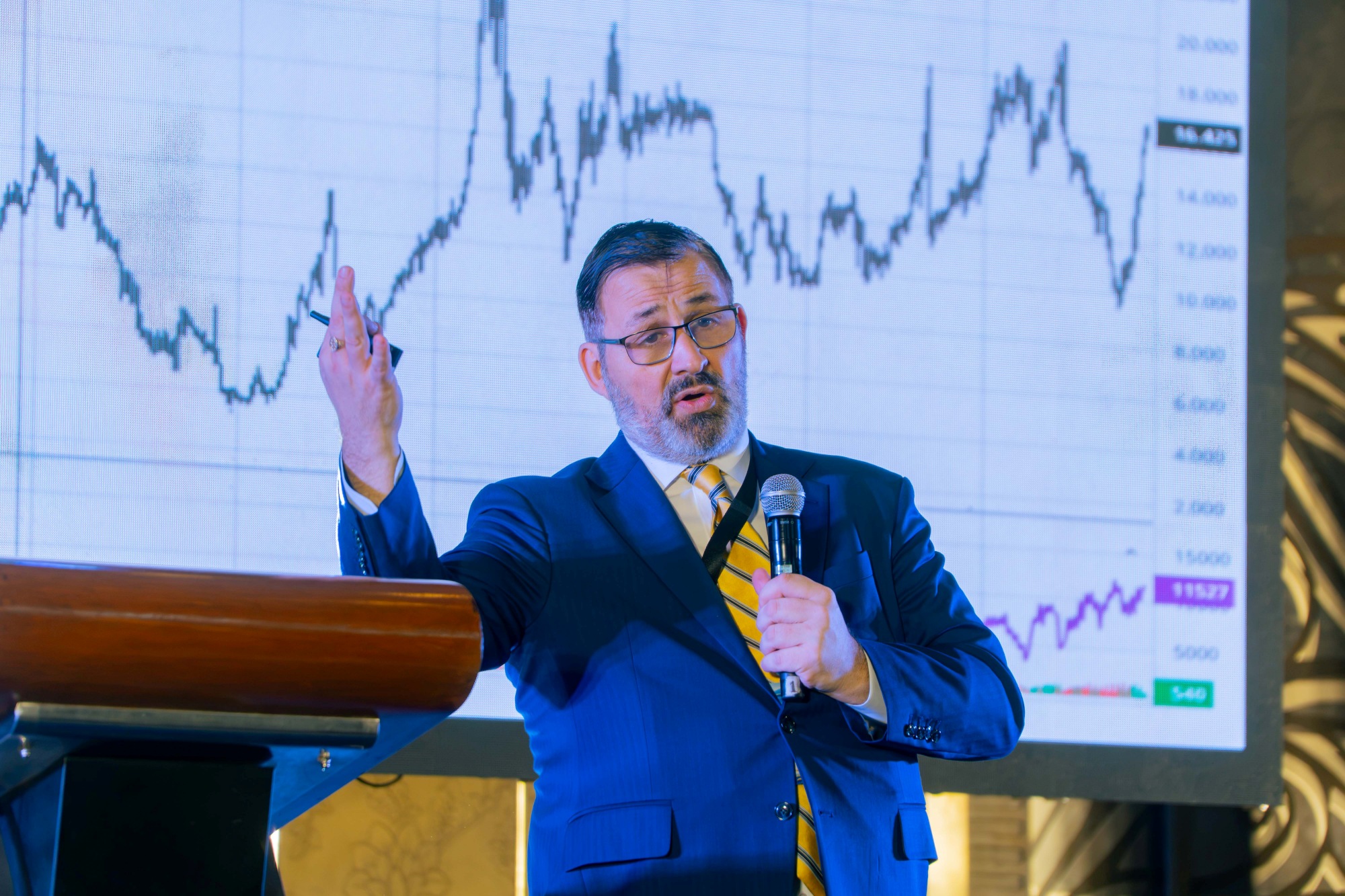
Panel discussions and presentations delved on the competitive dynamics of the global rice industry, evolving challenges across the supply chain, and the effects of changing import policies and policy uncertainty on international trade. South and Southeast Asia were also in focus, where shifts in production, trade rules, climate conditions and market demand have significant implications for regional and global rice supplies.
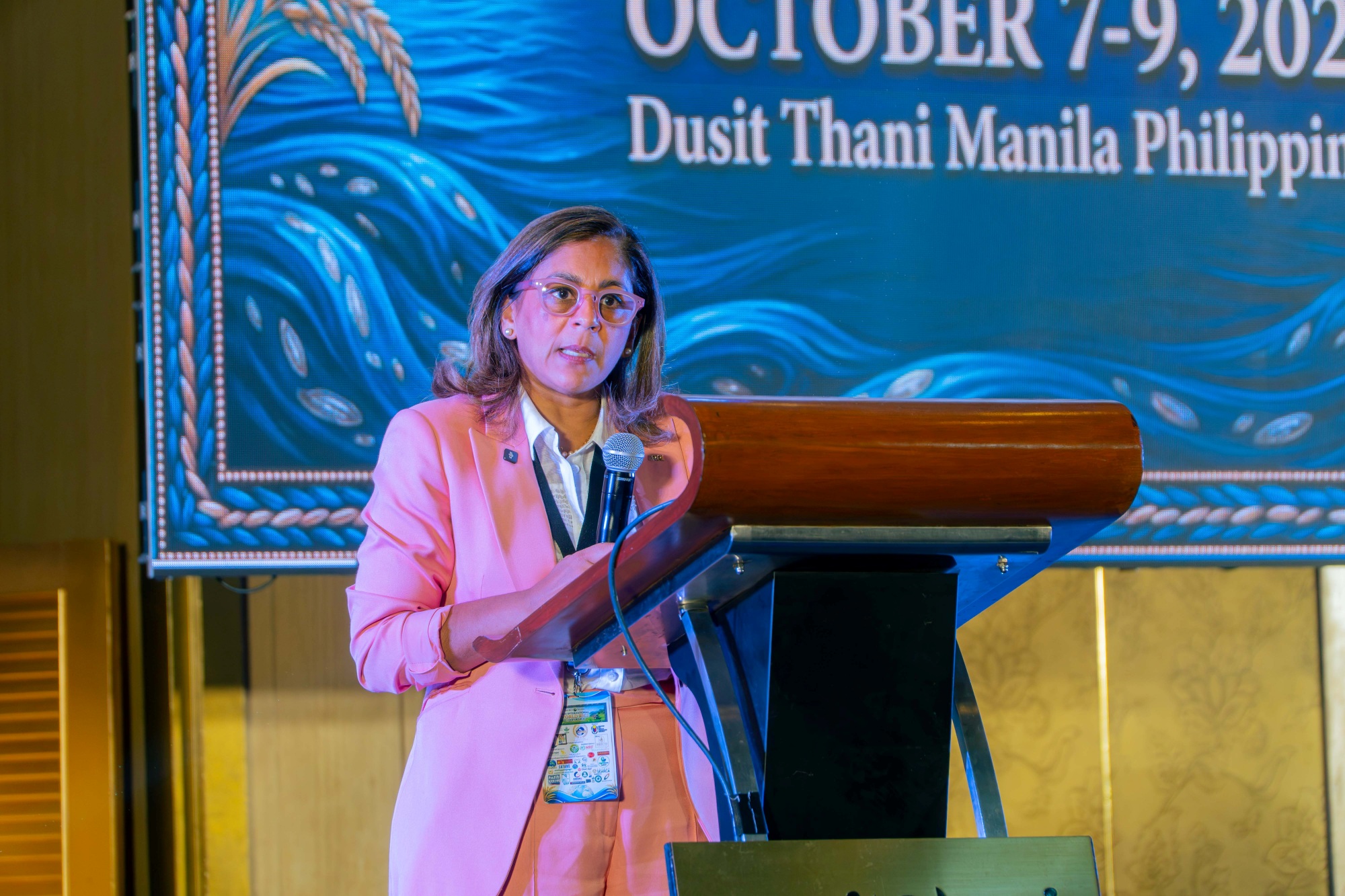
For IRRI Director General Dr. Yvonne Pinto, responding to market uncertainties requires looking beyond research to understand the factors influencing production and trade. “In a more volatile market, science is not only about what we can develop in the lab and in the fields—it’s also about understanding the forces shaping the market around it.”
“By connecting signals from governments, traders, and researchers, we can build a stronger basis for anticipating disruptions and making informed decisions. Rice markets will always carry uncertainty, but better market intelligence, research, and dialogue can help us identify emerging risks earlier and prepare for them before they become major disruptions,” she added.
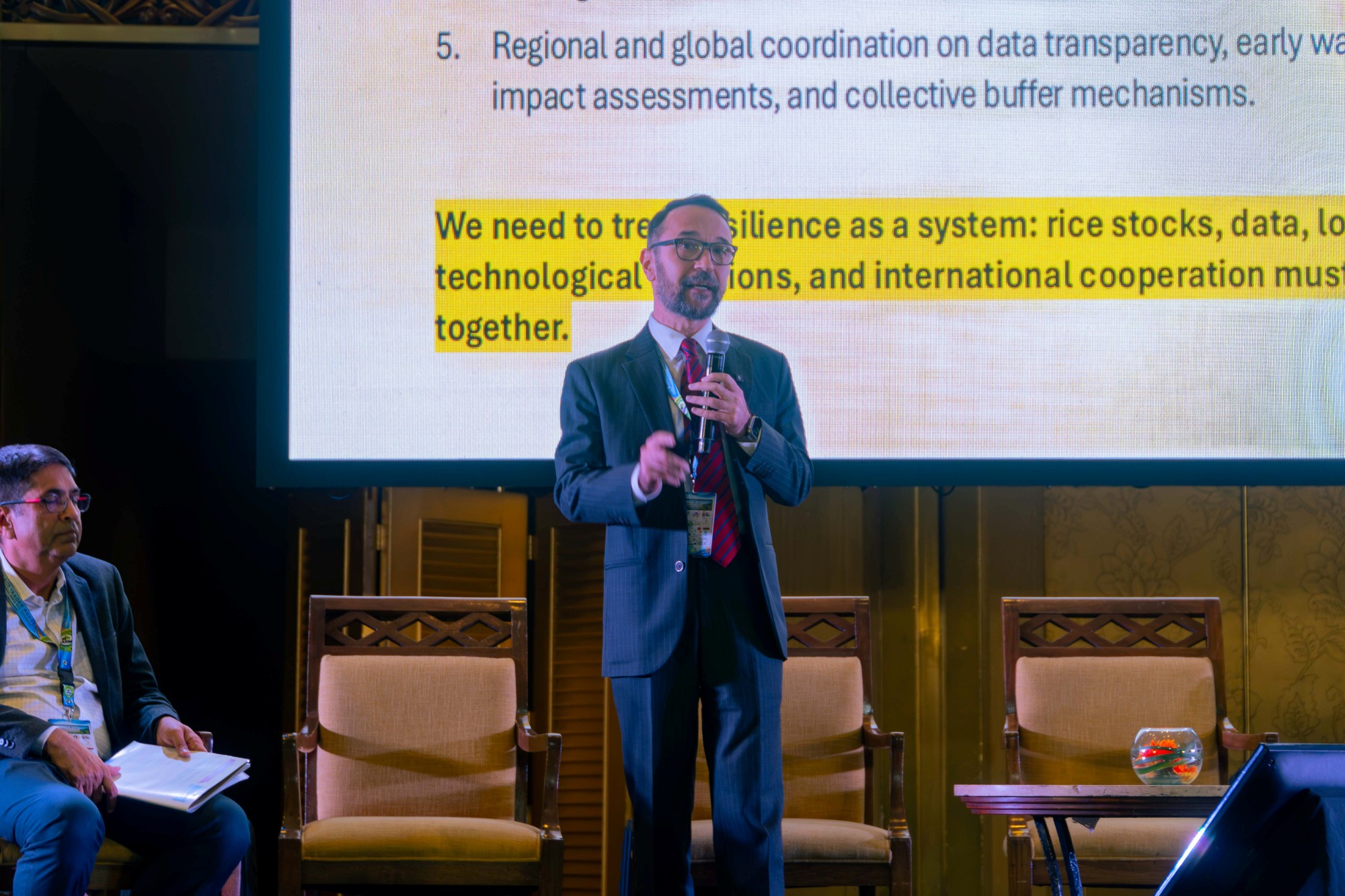
Beyond responding to immediate market pressures, the conference highlighted the need for a more proactive approach to strengthening the rice industry. Dr. William Dar, Senior Advisor to the ASEAN Food Security Alliance (AFSA) and former secretary of the Philippine Department of Agriculture, called on rice traders and other stakeholders to embrace what he described as a “resilience revolution.”
“The rice industry must become more resilient not only to survive disruptions but to continuously adapt, innovate, and grow. Today, the challenges are much more complex. I am proposing rice traders and stakeholders embrace what I call a ‘resilience revolution’ as a framework for transforming the global rice industry.”
“This is about moving from a mindset of reacting to crises toward one of anticipating, preparing, adapting and creating new opportunities. It means building resilience across the entire value chain, from seed to farm, farm to mill, mill to market, and market to the consumers,” he explained.
The discussions also underscored the value of long-standing international research partnerships in shaping rice production and trade. During the opening session, Pakistan’s Ambassador to the Philippines, Dr. Asima Rabbani, highlighted the cooperation between Pakistan and the Philippines, including the introduction of the IRRI-6 rice variety in Pakistan. She noted that the relationship had since taken a new dimension, with Pakistan exporting IRRI-6 rice back to the Philippines.
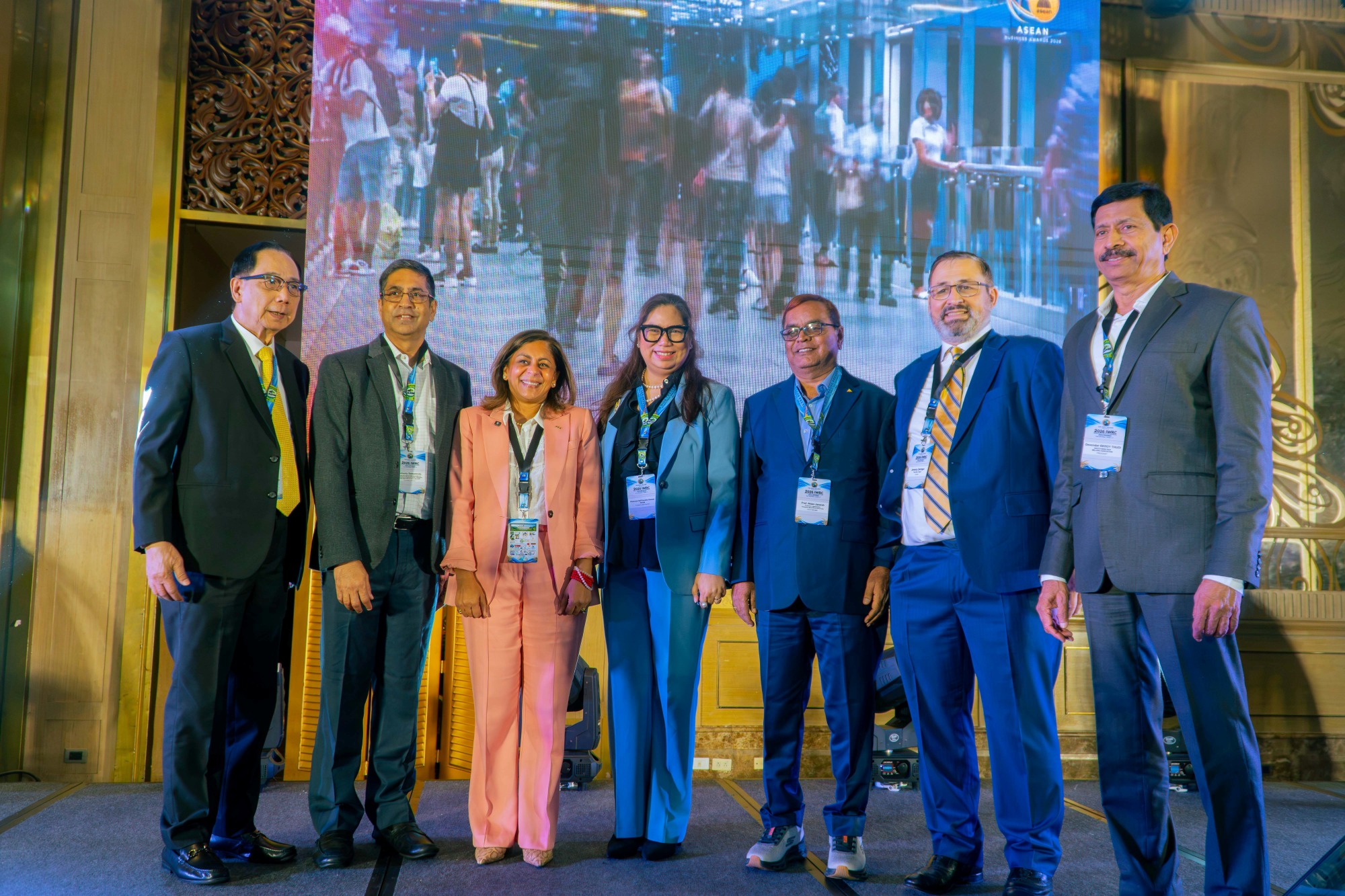
The annual World’s Best Rice highlighted the role of rice quality in a competitive international market as continued attention to product standards remains important for producers and exporters. Myanmar took the top prize this year, with Vietnam claiming silver, and the Philippines securing bronze. India and Thailand also received Special Honorable Mentions.
As rice-producing and trading countries face interconnected climate and geopolitical pressures, IWRC 2026 highlighted the importance of combining market intelligence, research, infrastructure investment, and international cooperation to better anticipate risks and strengthen the resilience of global rice supply chains.
Explore the IRRI and The Rice Trader Global Rice Market Briefs for more global rice market insights.