ASEAN-CGIAR dialogue explores partnership and investment for regenerative and resilient agriculture
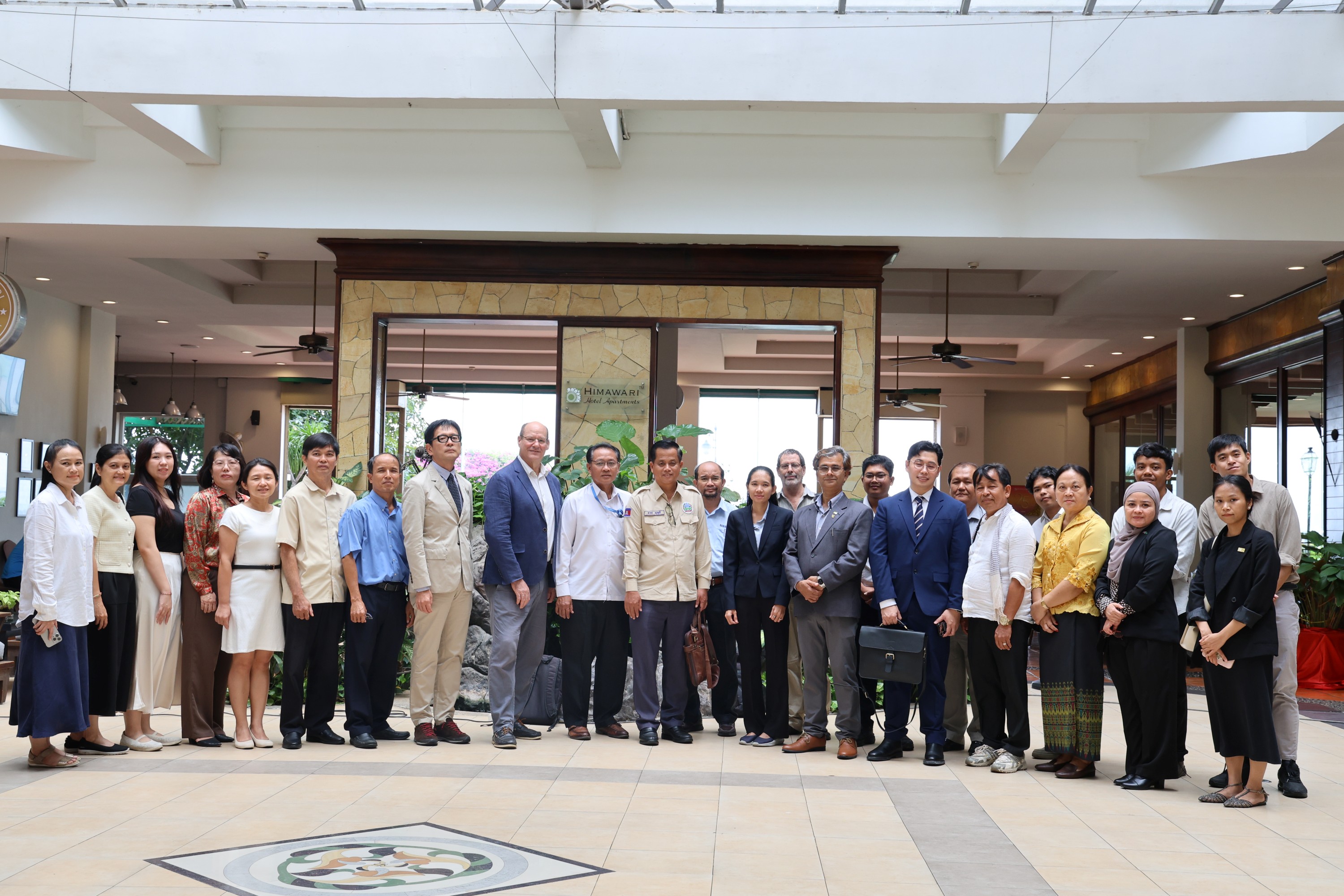
Taking off from the ASEAN-CGIAR Program Phase 1, Cambodian officials and development partners gathered to identify priorities supporting the expansion regenerative and resilient agriculture across Cambodia, combining technologies with finance, services, and enabling policies.
PHNOM PENH, Cambodia, 26–28 October 2026 — Supporting Cambodia’s transition toward regenerative and resilient agriculture needs coordinated action across research, government, finance, and farmer services.
At the ASEAN-CGIAR dialogue in Phnom Penh, Cambodian government officials, development partners and representatives from CGIAR centers explored how regional expertise and investment could support country priorities and help partners accelerate the uptake of promising innovations.
Discussions focused on improving farmer incomes, food and nutrition security, and sustainable natural resource management. Participants examined the support farmers need to adopt and sustain new practices, including technical advice, access to finance and markets, and effective coordination among institutions. The dialogue concluded three days of activities co-organized by WorldFish and IRRI Cambodia.
“Scaling starts with understanding what farmers need and where national partners see opportunities,” said Dr. Nurmi Pangesti, IRRI Country Representative for Cambodia and Scientist. “This dialogue helps us identify where research and partnerships can support Cambodia’s priorities, build on existing efforts and guide future investment.”
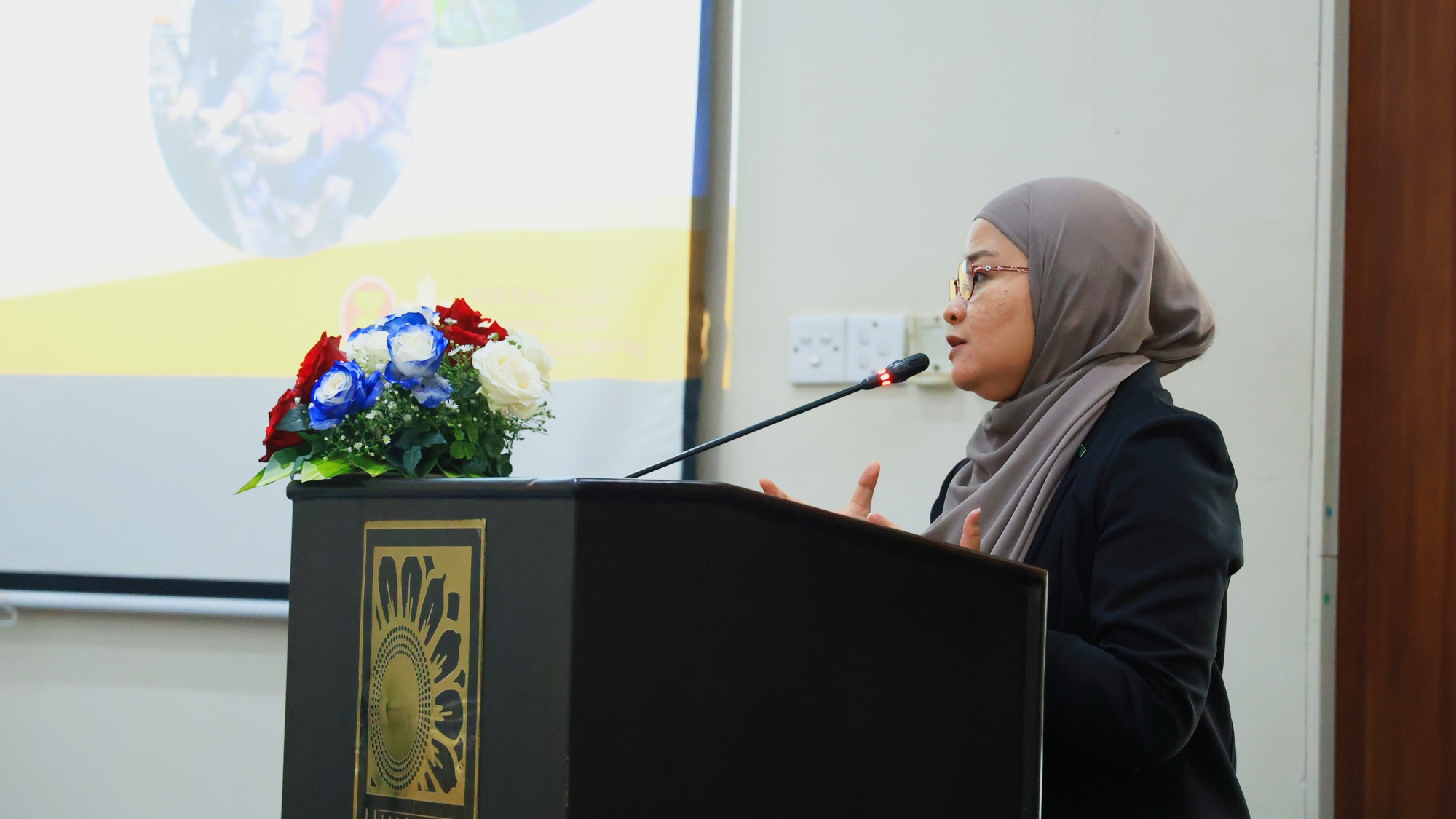
Launched in 2023, the ASEAN-CGIAR Innovate for Food and Nutrition Security Regional Program brings together eight CGIAR centers and national partners to address ASEAN Member States’ priorities through science-based innovation, capacity development and policy engagement. As a regional partnership platform, the program mobilizes expertise, evidence, and networks to strengthen the pathways and enabling conditions for partner-led scaling of regenerative and resilient agriculture.
Regenerative and resilient agriculture seeks to improve agricultural production and livelihoods while restoring the natural resources on which farming depends and strengthening resilience to climate risks. The dialogue explored how ASEAN-CGIAR could support these goals through collaboration tailored to Cambodia’s farming systems and institutional priorities.
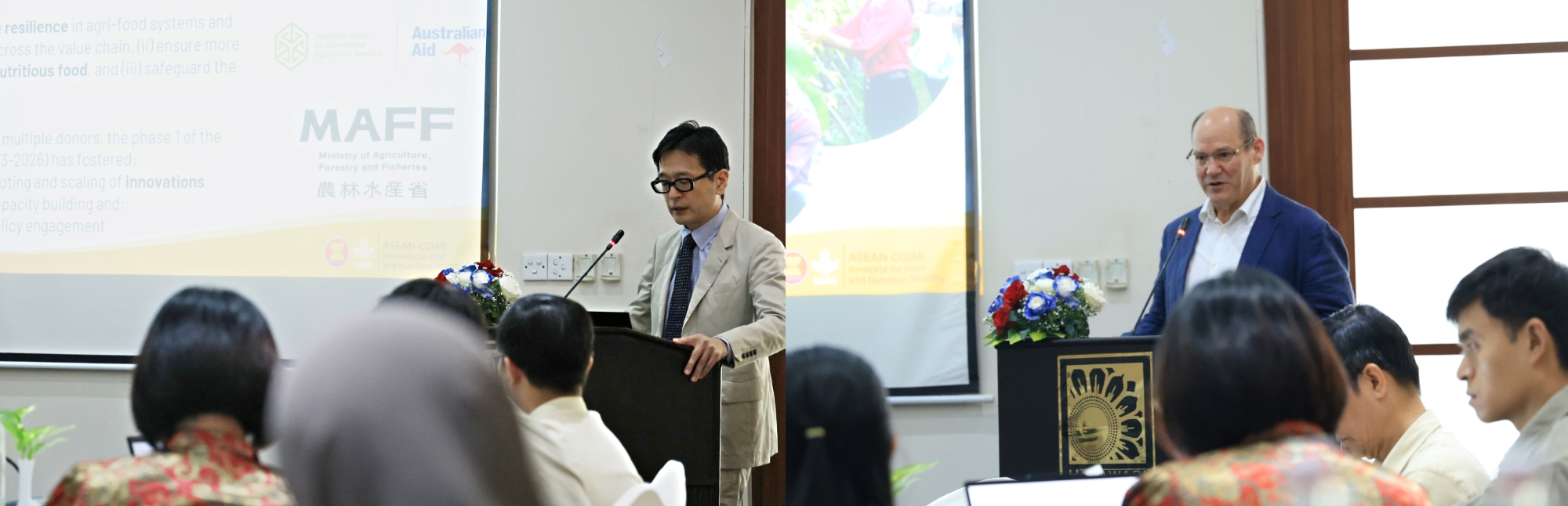
Dr. Kazuki Saito, ASEAN-CGIAR Program Director and IRRI Senior Scientist, and Prof. Eddie Allison, WorldFish Principal Scientist, presented program achievements and lessons, including a catalogue profiling 39 innovations across the program’s eight intervention areas.
The 39 innovations include both technical innovations, and accelerators. Technical innovations include mechanized direct-seeded rice, rice-fish systems, rice-prawn-vegetable systems, and solar-powered irrigation. Accelerators are social, economic, policy and service innovations that help create conditions for wider adoption. Examples include farmer support hubs, loan and insurance products, supportive policies, and mechanization services.
“The ASEAN CGIAR program’s comparative advantage is that we bring together expertise from different CGIAR centers and national partners,” said Dr. Saito. “We need to connect that expertise with the services, policies and investment that will help more farmers benefit from these innovations.”
Prof. Allison explained how technical innovations and accelerators could work together. “By combining innovations with accelerators such as supportive policies, markets and financing, we can address several barriers to adoption at once,” he said. “These packages, known as socio-technical innovation bundles, can be tailored to specific farming systems and country priorities.”
Priorities to guide future collaboration were also identified by Cambodia representatives. Dr. Kay Sathya, Head of the Plant Protection Division at the Cambodian Agricultural Research and Development Institute, highlighted climate-resilient varieties, better knowledge of pesticide use and stronger extension services.
Mr. Thay Somony, Deputy Director General of General Directorate of Fisheries at Cambodia’s Ministry of Agriculture, Forestry and Fisheries, emphasized the relationship between rice production, aquatic ecosystems, and livelihoods.
“We need to be together,” said Mr. Somony, urging participants to consider “how we can grow rice and then accommodate it with aquatic animals.” He also highlighted the importance of long-term investment, local champions, and services that help farmers benefit from diversified production.
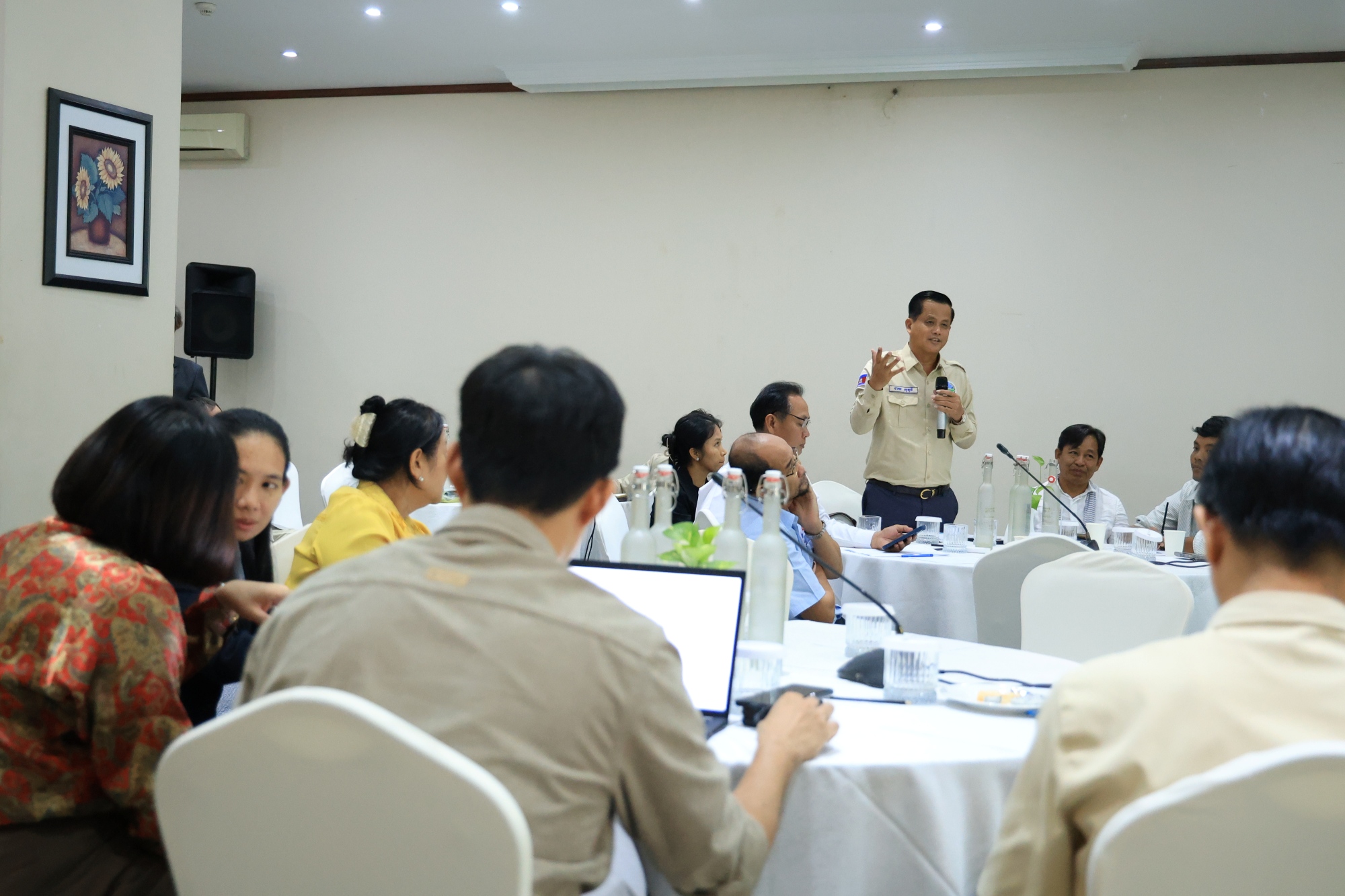
Dr. Sok Sovannarith, Director of the Department of Food Security, Nutrition, and Health Council for Agricultural and Rural Development, noted the program’s alignment with Cambodia’s food systems roadmap. He emphasized the need for coordination extending from national institutions to communities.
Examples from the ASEAN-CGIAR program illustrate how combining technical innovations with appropriate accelerators could help address barriers to wider adoption.
In Cambodia, the program worked with national and district stakeholders to jointly design farmer support hubs for diversified rice-based systems. These hubs are service and institutional accelerators intended to connect farmers with the support needed to adopt technical innovations, such as rice-fish, rice-prawn, and vegetable production systems. The work established links with local land and water allocation institutions and explored responses to limited technical advice, high input costs, and weak market information. Further monitoring is needed to assess how these arrangements support adoption.
Solar-powered irrigation also emerged with a similar need to connect technical innovations with supporting services and institutions. Program findings highlighted its potential to reduce dependence on costly diesel pumping. Realizing this potential requires accelerators such as maintenance services, farmer training, financing, and clear water-use rules.
Presentations also described economic accelerators developed with the Agricultural and Rural Development Bank (ARDB). These included loan products co-designed with farmers to support rice-farm diversification, together with a pilot insurance product intended to be bundled with lending.
Ms. Ieng Chankreusna, Head of ARDB’s Project Coordination Unit, emphasized the importance of cost-benefit analysis and technical support alongside finance. Production cost benchmarks, including for alternate wetting and drying in rice, would help assess investment opportunities in low-emission rice production.
Taken together, these examples pointed to areas where additional investment could strengthen accelerators, connect them with suitable technical innovations, and generate evidence on the costs and benefits of wider adoption. The priorities raised during the dialogue will serve as a basis for developing country-specific partnerships and investment proposals.
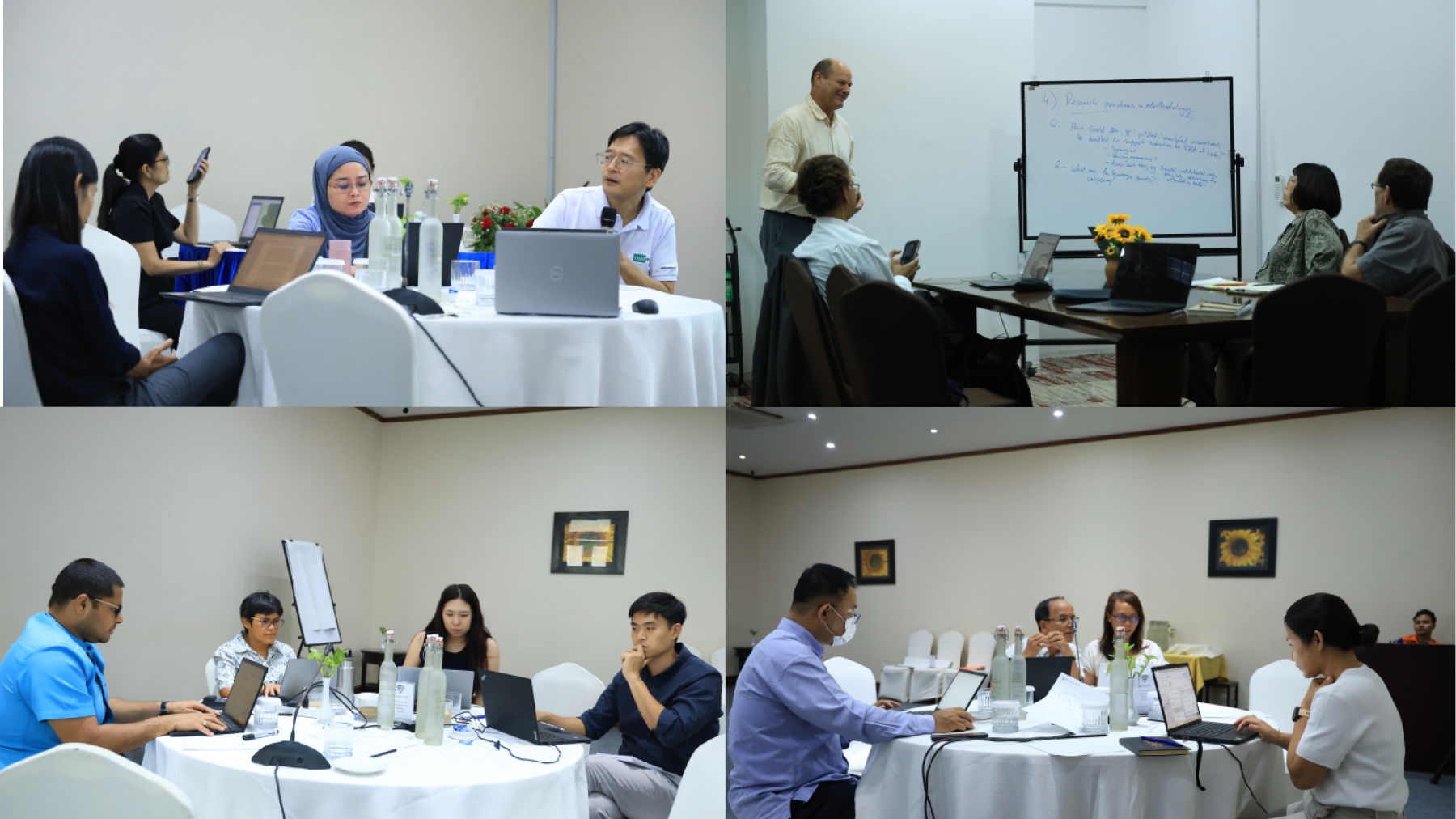
The dialogue followed a two-day writeshop supported by CGIAR’s Food Frontiers and Security Science Program. Participants worked on a synthesis paper examining scaling pathways for innovations in regenerative and resilient agri-food systems, drawing particularly on experiences in Cambodia and Laos.
The ASEAN-CGIAR program aims to support governments and development partners by helping identify adoption barriers, combine technical innovations with social, economic, policy and service accelerators, and generate evidence to guide investment. It seeks to help partners accelerate the scaling of regenerative and resilient agriculture innovations in line with national priorities.
Know more about the ASEAN-CGIAR program here.