Asia Biologicals Foundation unveiled to unite science and industry for healthier soils and regenerative agriculture
Singapore-grown initiative aims to strengthen cross-border scientific collaboration, build shared research capabilities and advance evidence-based adoption of agricultural biologicals across Asia.
SINGAPORE (26 October 2026) — Plans to establish the Asia Biologicals Foundation, an independent, non-profit, science-led institution with an Asia-wide mandate, were announced today at the Asia Biologicals Summit 2026 at CHIJMES Hall.
The Foundation aims to move Asia's agricultural biologicals sector beyond fragmented innovation towards a more coordinated system for generating credible comparable evidence, building trust and enabling farmer adoption, supported by scientific leadership, shared research capabilities and catalytic funding.
“The opportunity is not simply to improve what agriculture can produce, but to expand what agricultural systems can deliver,” said Joshua Soo, Founding Convenor of the Asia Biologicals Platform and Co-founder of Agrifood Futures. “By connecting science, innovation and industry, the Foundation aims to provide independent scientific stewardship to advance more productive and sustainable agriculture, with benefits extending from growers to wider society.”
Soo has led the initiative since early 2025, working closely with R. (Shyam) Shyamsunder, who as Strategic Adviser, has guided its direction, institutional design and key partnerships. Shyamsunder is a former senior executive at Temasek Holdings and JPMorgan Chase.
Across Asia, scientific institutions, agricultural businesses and innovators are advancing biological research and field validation. Yet evidence and data often remain fragmented across products, crops and markets, making it difficult to compare results, assess practical performance and build upon findings across borders. Turning this knowledge into shared scientific capabilities requires sustained coordination and investment beyond individual projects or organisations.
“As interest and investment in biological agriculture grow, scientific responsibility must keep pace,” said Dr Yvonne Pinto, Director General of the International Rice Research Institute (IRRI). “Understanding how biological interventions interact with living agricultural systems and their wider ecological consequences requires new forms of scientific leadership and collaboration to guide responsible deployment.”
Since the inaugural Asia Biologicals Symposium in November 2025, the Asia Biologicals Platform has progressed from regional dialogue to scoping multi-year, multi-location field validation and deployment programmes across rice, cassava and cocoa, with other priority crops under consideration.
Agrifood Futures with strategic support from Wharf42, convened a pro tem working group comprising representatives from CABI, IRRI, National University of Singapore (NUS), Mars, Inc., Salim Agrochemicals Division and Thai Wah Public Company Limited, alongside Professor Paul Teng and R. (Shyam) Shyamsunder, to inform the Asia Biologicals Platform's early scientific direction and initial crop programmes.
The Foundation would provide independent scientific stewardship, helping established institutions connect their expertise through shared research capabilities, comparable evidence and trusted approaches to validation and data governance. Through the Asia Biologicals Platform, these capabilities would inform crop deployment programmes, support measurable agricultural impact and address barriers to farmer adoption by building on existing agricultural networks, while maintaining scientific neutrality across organisations and markets. Its governance and priorities will be developed with prospective scientific, philanthropic and institutional partners.
“When scientific evidence falls short, farmers bear the risks and uncertainty limits adoption,” said Dr Ulrich Kuhlmann, Chief Scientist at CABI. “Without the scientific foundations to build confidence, industry development stalls and the wider potential of biological crop protection remain unrealised.”
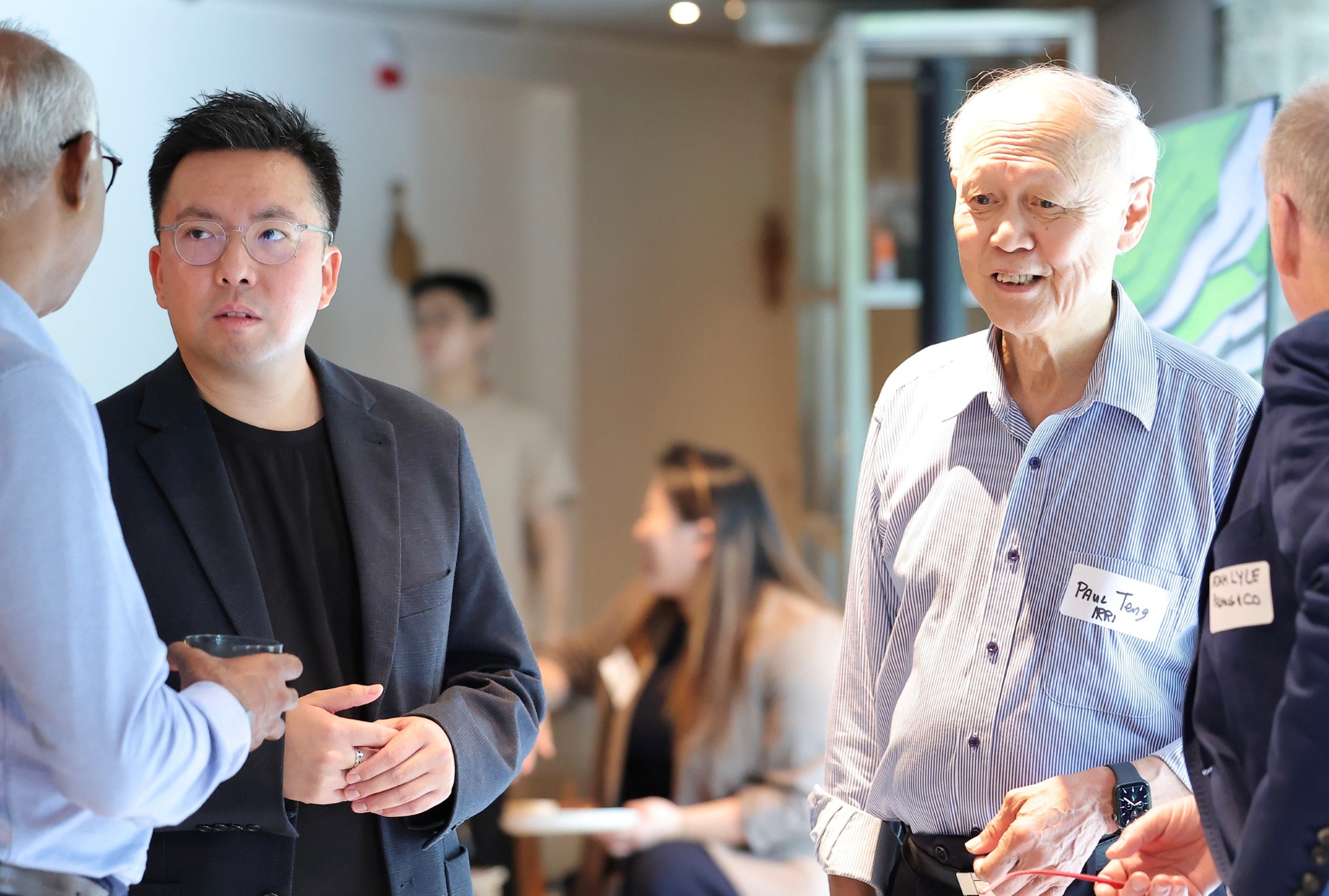
“Asia's diverse agricultural systems present both a challenge and an opportunity for biologicals,” said Professor Paul Teng, agricultural scientist and regional food security expert. “Building on Singapore's strengths in science and regional connectivity, we have an opportunity to strengthen cross-border collaboration and generate the evidence needed to advance regenerative agriculture across Asia, consistent with emerging regional priorities such as ASEAN's Food, Agriculture and Forestry Sectoral Plan 2026–2030.”
The Foundation welcomes collaboration with partners committed to building shared scientific capabilities and knowledge that extend beyond individual projects, products and organisations, helping biological innovation translate into lasting agricultural value.