Beyond production: a broader conversation on rice in Africa
by Sofia Tesfazion, IRRI Regional Director for Africa
ADDIS ABABA, Ethiopia (14 October 2026) - In Kigali in September, more than 5,000 delegates from over 50 countries gathered at the Africa Food Systems Forum around a deceptively simple question: what does investment actually change? The answer that resonated was clear. Africa no longer lacks ideas about what works. The real challenge is to create the conditions to finance those ideas, deliver them, and take them to scale, by connecting proven solutions with the policies, institutions, finance, and markets that turn them into lasting impact. As CGIAR put it in Kigali, impact comes when science, evidence, policy, delivery systems, and finance move together, so that innovations travel from pilots to scale.
Rice sits squarely within this broader conversation.
Rice is one of Africa's most dynamic food and economic commodities. Demand in sub-Saharan Africa is growing faster than for any other staple, and the region now accounts for about a third of all rice imported worldwide. The continent's annual rice import bill, estimated at more than US$6 billion, signals both the scale of the market and the opportunity for African farmers and businesses to capture more of it through stronger domestic and regional rice value chains.
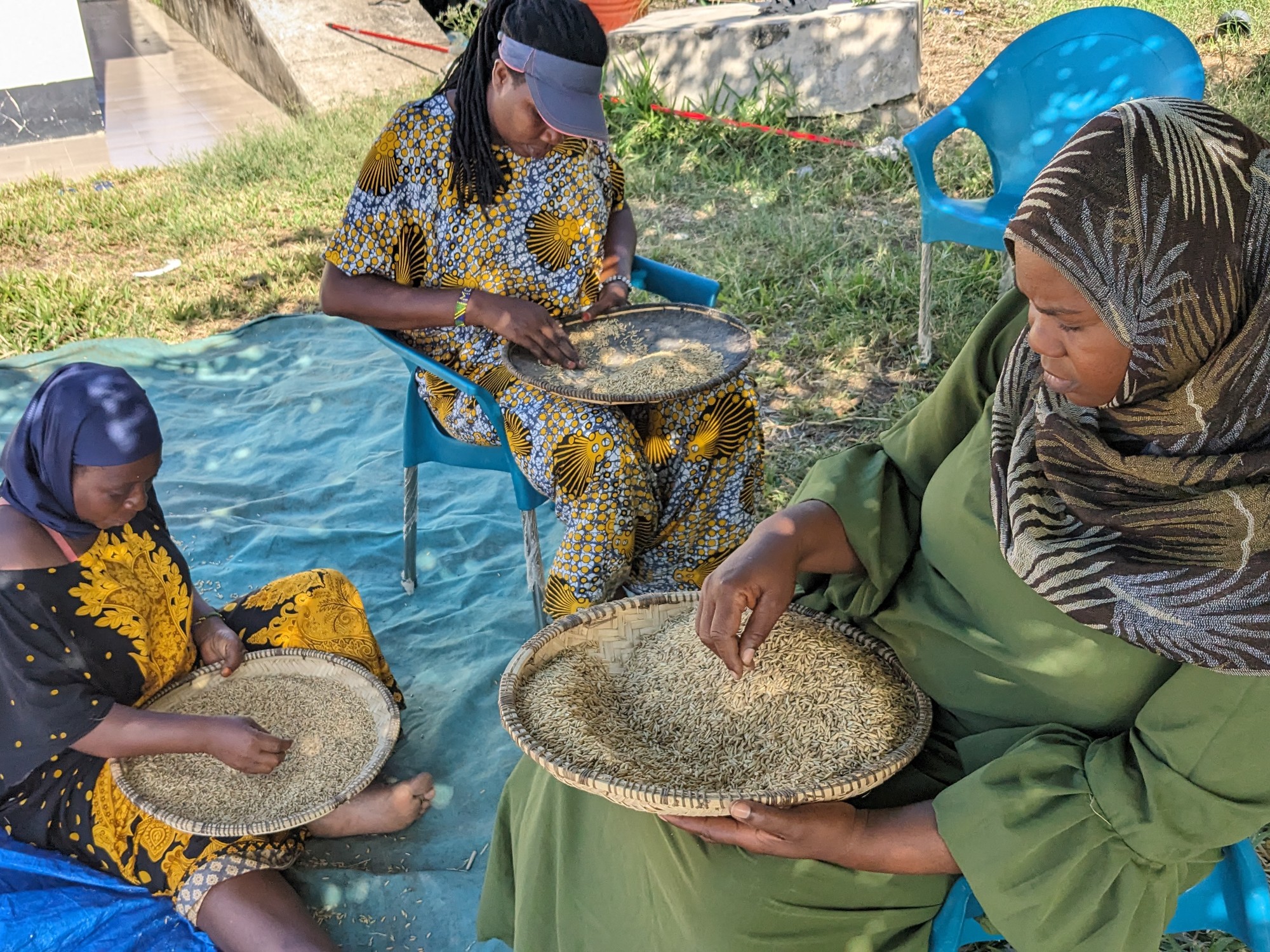
It is encouraging to see the conversation around rice becoming broader than production alone. It now encompasses the systems that connect more than 35 million African smallholder rice farmers to markets: reliable seed, irrigation and water management, mechanization, finance, processing, quality standards, logistics, market information, jobs, and trade. These are precisely the areas targeted by the African Union's CAADP Strategy and Action Plan 2026 - 2035 and the CAADP Kampala Declaration, which aims to raise agrifood output by 45%, halve post-harvest losses, triple intra-African agrifood trade, and mobilize US$100 billion in investment. The conversation also raises questions about how investment can support farmers and businesses while keeping food affordable for consumers.
Agricultural transformation must be about building commercially viable and resilient value chains that reward everyone within them, where farmers, businesses, finance, and markets are connected. And there are already early examples of this. In Kigali, six countries, Nigeria, Senegal, Côte d'Ivoire, Guinea, Ghana and Sierra Leone, launched a US$500 million West Africa Rice Investment Facility, with the ECOWAS Bank for Investment and Development committing US$100 million. The facility aims to bring public and private capital together around finance and inputs, processing capacity and private-sector partnerships across the rice value chain. It builds on the region's own ECOWAS Regional Rice Roadmap 2025–2035, a sign that West African countries are setting the agenda together.
This is also not about applying a single model across the continent. African countries have different rice systems, markets, constraints, and ambitions, and several are already showing what focused national effort can achieve. Tanzania has moved beyond self-sufficiency, with a self-sufficiency ratio of 112% in 2023/24, and now supplies rice to its neighbors. In Ethiopia, rice is a National Flagship Program; according to the Ministry of Agriculture, smallholder rice area grew from 60,000 to 1.7 million hectares in five years while imports fell by two-thirds.
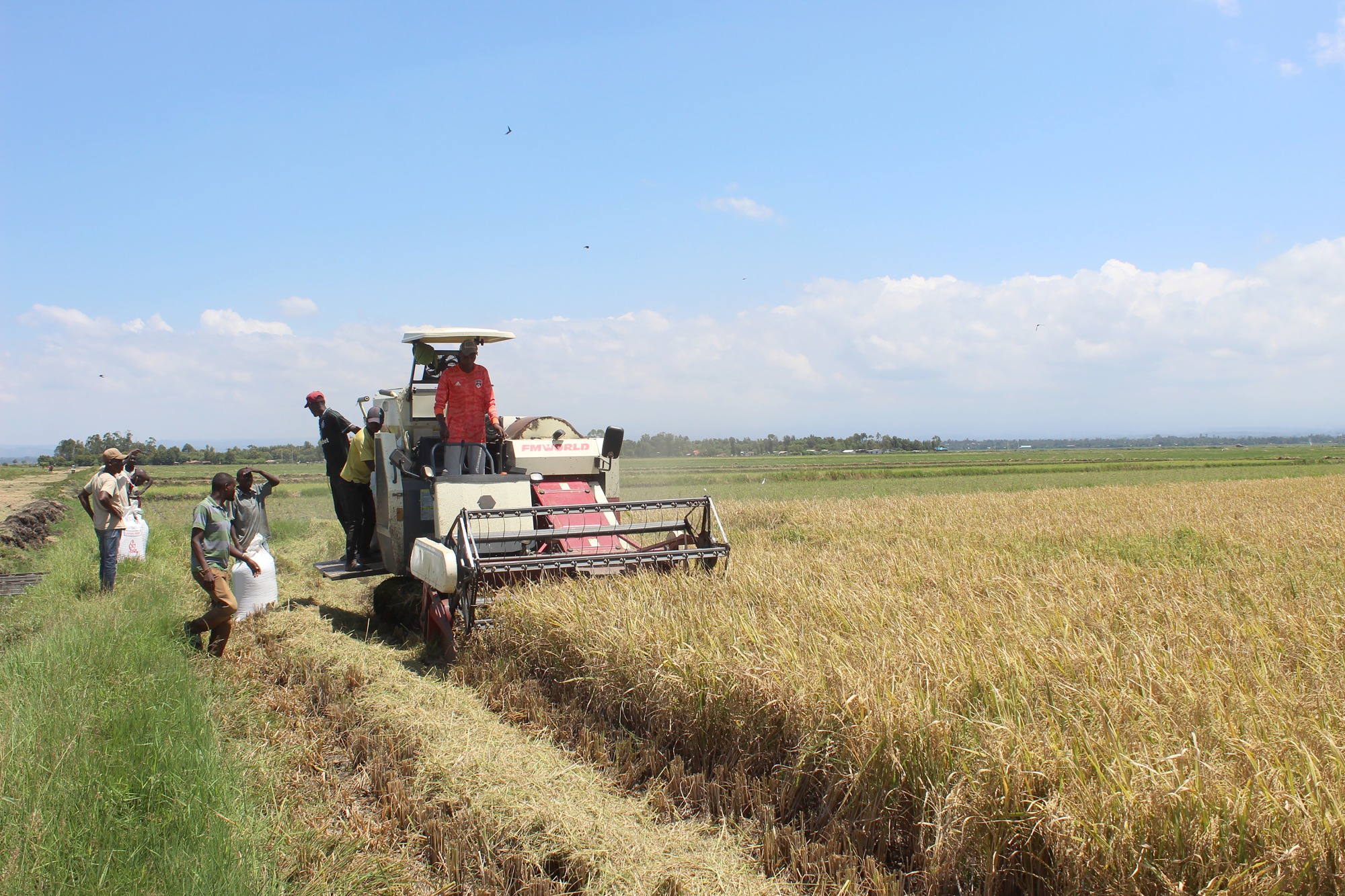
Kenya is taking an irrigation-led route. The National Irrigation Authority (NIA), under the Rice Intensification Project, aimed at bridging the national rice deficit by increasing annual paddy production from approximately 300,000 tonnes to 1 million tonnes, is expanding and rehabilitating irrigation schemes in Coastal Kenya and Western Kenya to increase land under rice production. By revitalizing schemes such as Mwea, Ahero, Lower Kuja and South West Kano, it lifted paddy production from about 192,000 tonnes in 2022 to around 305,000 tonnes in 2025. Farmers, millers, and seed producers have also embraced Komboka, a high-yielding variety developed with IRRI and the Kenya Agricultural and Livestock Research Organization (KALRO), after taking part in selecting it themselves.
Progress depends on understanding these differences and building partnerships around the priorities that countries identify themselves. There is an important role for continental cooperation in connecting these national priorities and experiences. The African Union's Agenda 2063 provides a long-term framework for Africa's transformation, including sustainable development, regional integration, trade, science and technology, and private-sector development.
It is in this broader context that the Global Rice Policy Dialogue, happening in Addis Ababa on 15–16 October, will bring African and Asian perspectives together. Co-hosted by the African Union, Agriculture, Rural Development, Blue Economy, and Sustainable Environment (ARBE) Department and the International Rice Research Institute (IRRI), in partnership with AfricaRice and the CGIAR Policy Innovations Science Program, and co-organized with the Ethiopian Institute of Agricultural Research (EIAR), the Dialogue will provide a space for policymakers and experts to examine how national choices on production, competitiveness, reserves and trade interact across borders, and to consider practical options for more resilient and predictable rice markets.
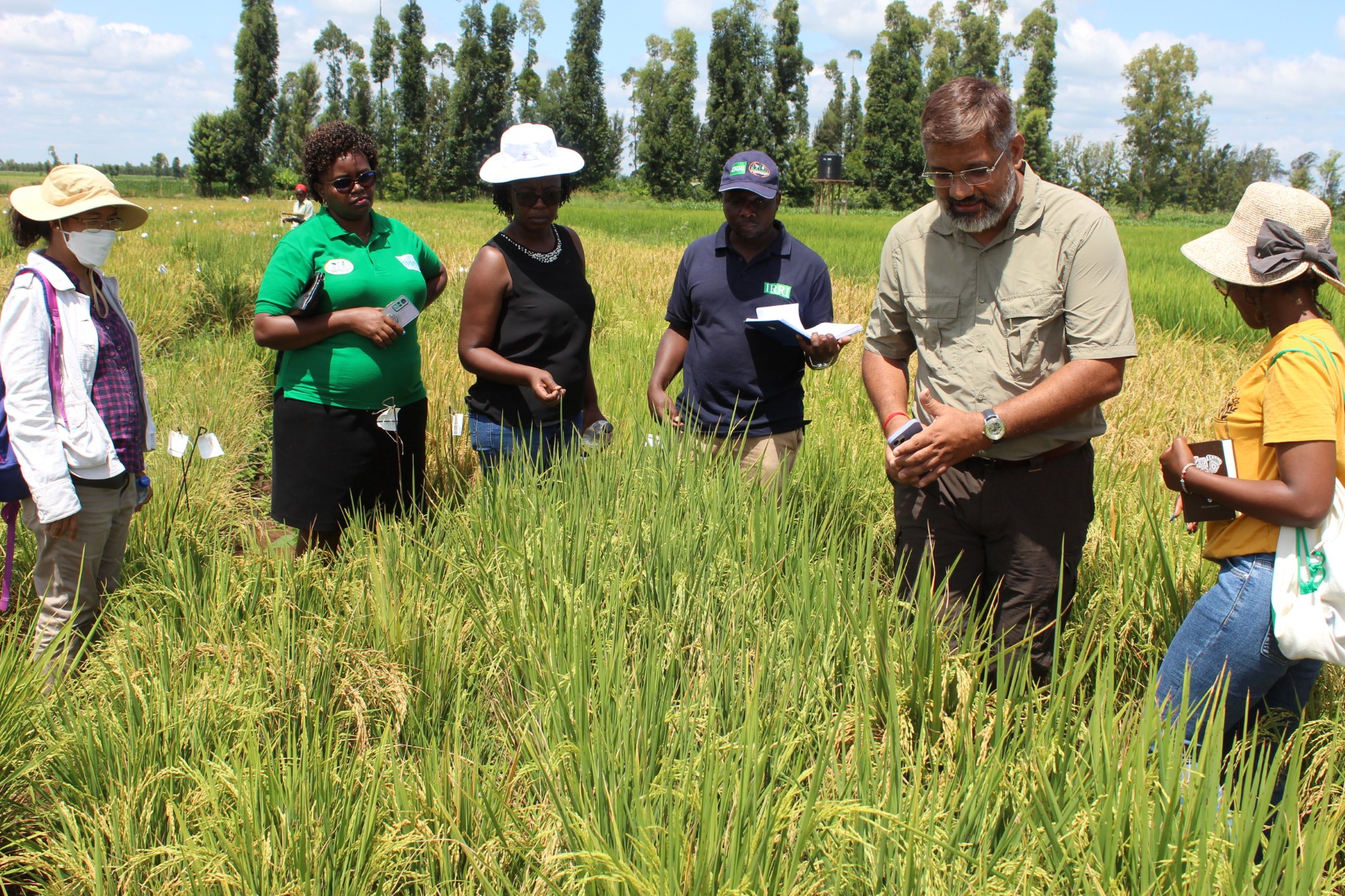
It will explore how countries can strengthen their rice sectors while managing the interconnected challenges of sustainable production, competitiveness, farmer and consumer interests, reserves, and trade in an increasingly uncertain market. It also aims to create a shared platform for countries to examine how national policy choices affect one another, test possible responses to different market shocks, and identify practical options for national action and voluntary coordination.
Kigali asked what investment changes. In Addis, the question for rice is how to make that change last. The answer lies in science, policies, systems, and cooperation working together, so that African countries can drive the growth and competitiveness of their rice sectors, and navigate an increasingly interconnected global rice economy on their own terms.
IRRI contributes to the African Union’s Agenda 2063 by working with African partners to transform rice value chains through science, innovation, and capacity strengthening. By improving productivity, climate resilience, and market opportunities, IRRI supports food security, reduced import dependence, and increased jobs and entrepreneurship for women and youth—advancing Africa’s vision of inclusive and sustainable prosperity.