Climate financing highlighted as key to drive agricultural methane reduction at CCAC Annual Meeting
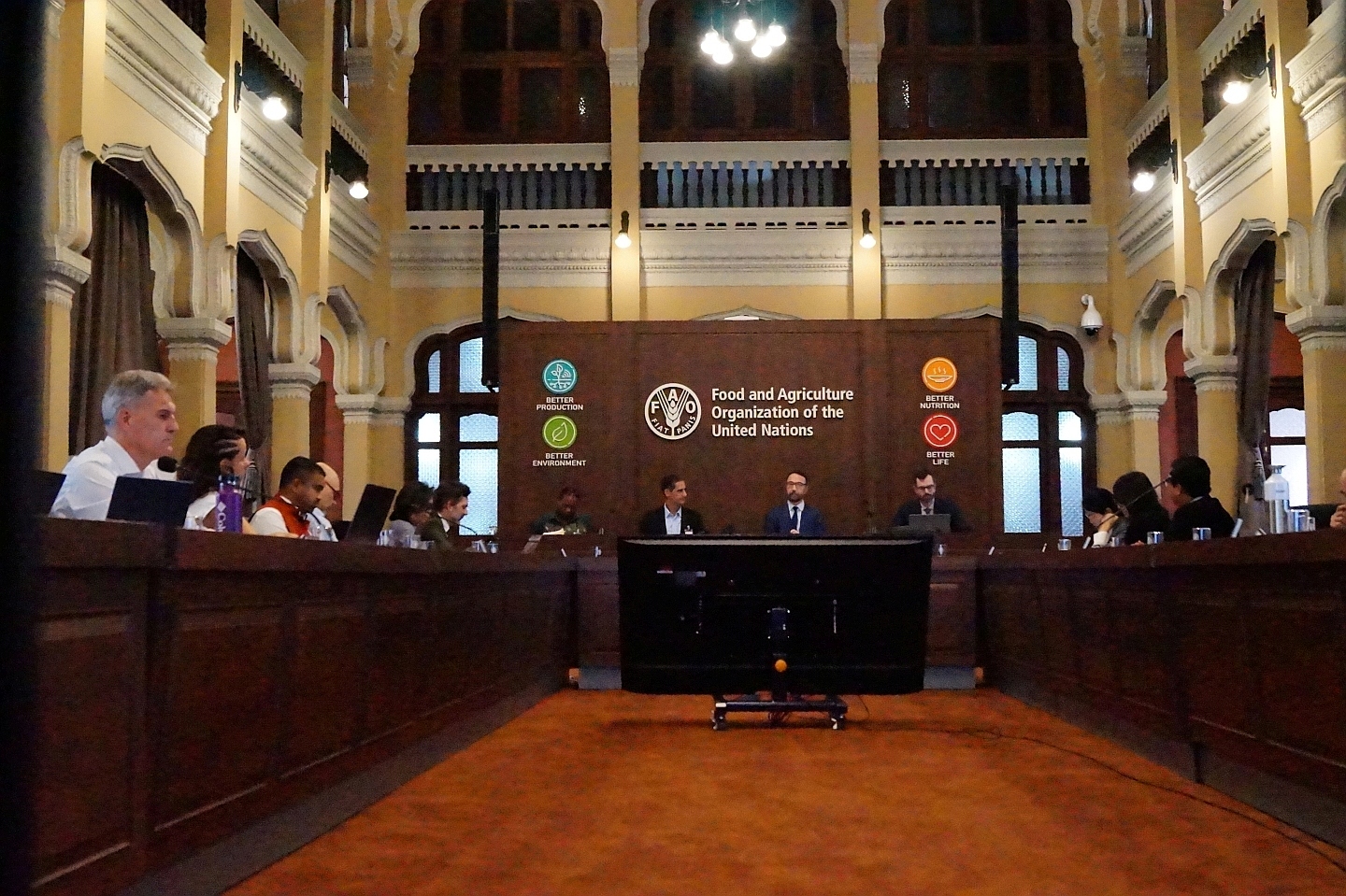
- At the CCAC Annual Meeting, IRRI emphasized that reducing agricultural methane emissions requires moving beyond national climate commitments towards practical implementation, supported by financing, reliable data, and institutional cooperation.
- Farmers need clear economic benefits from adopting low-emission practices, including financial incentives, access to machinery, technical support, and opportunities to earn higher returns.
- Monitoring emissions is essential but costly, raising questions about how governments, businesses and other stakeholders should share the costs of demonstrating climate benefits.
BANGKOK, Thailand (12 October 2026)—At the Climate and Clean Air Coalition (CCAC) Annual Meeting 2026, the International Rice Research Institute joined the discussions on how commitments to reduce methane reductions in agriculture can be translated into practical action.
Making methane mitigation worthwhile for farmers
Methane emissions have become an urgent global concern, given their powerful warming effect and the increasing likelihood of global temperatures to exceed the Paris Agreement's 1.5°C threshold.
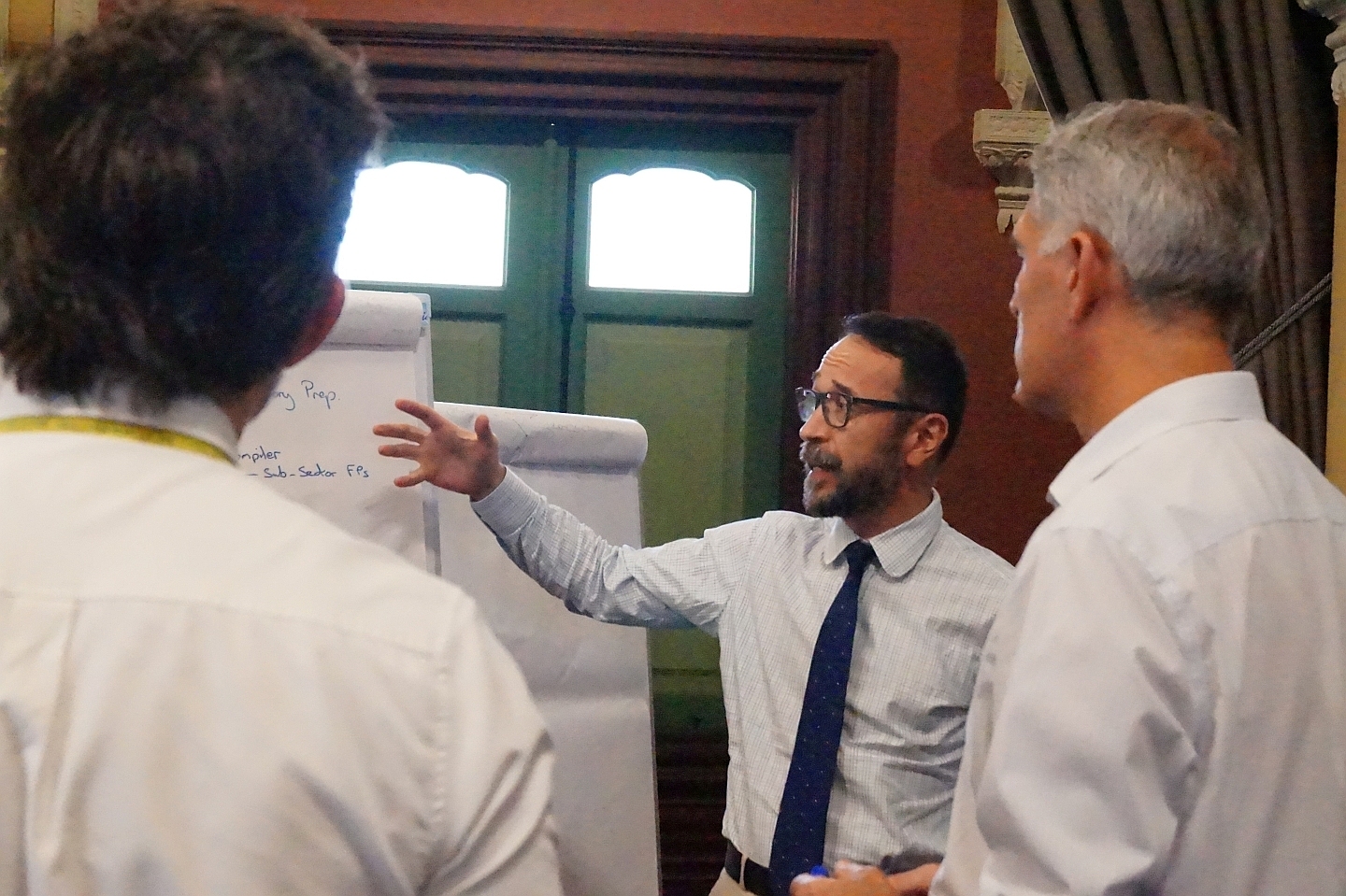
In a panel examining how countries can move from nationally determined contributions (NDCs) towards implementation, Dr. Alisher Mirzabaev, Senior Scientist for Policy Analysis and Climate Change at IRRI highlighted mitigation technologies for rice production, such as alternate wetting and drying, improved residue management and other sustainable cultivation practices are already available. However, their adoption depends on farmers receiving economic benefits rather than facing additional costs and production risks.
Drawing on IRRI's research and farmer surveys, Dr. Mirzabaev highlighted the importance of affordable machinery, training, and appropriate incentives. Existing agricultural subsidies, including those encouraging fertilizer use, can also discourage changes in cultivation practices.
He discussed opportunities to develop premium markets for low-emission rice, allowing buyers, millers, and consumers to share the costs of sustainable production. Higher-value markets could support initial adoption, with successful practices subsequently expanding into mainstream rice production.
Who pays for measuring emissions?
Another challenge concerns monitoring, reporting, and verification (MRV). Reliable agricultural data are essential for demonstrating emissions reductions, informing climate finance, and tracking national commitments.
Dr. Mirzabaev highlighted that comprehensive monitoring systems require substantial investment. Yet reducing greenhouse gas emissions generates public benefits, raising the question of who should finance the data collection and verification needed to demonstrate those benefits.
Without adequate financing, countries risk remaining focused on developing monitoring systems rather than implementing mitigation measures at scale.
Connecting national commitments with implementation
Other country perspectives reinforced these challenges. Mr. Bernard Kimoro of Kenya's State Department of Livestock Development discussed how agricultural emissions inventories can inform national reporting, mitigation policies and financing priorities.
Mr. Sidney Medeiros of Brazil's Ministry of Agriculture and Livestock highlighted farmer incentives and questions about responsibility for livestock manure management, including investments in biodigesters.
Discussions also considered Saint Lucia's climate commitments and Indonesia's needs for stronger ministerial coordination, technical capacity and agricultural data systems.
Across these perspectives, the recurring challenge was connecting climate targets with the financing, institutional responsibilities and practical support needed to deliver results.
IRRI's contribution emphasized that agricultural methane reduction cannot depend on technical solutions and national commitments alone. Implementation requires financing arrangements that reward farmers, support necessary investments, and distribute the costs of climate action across the wider agricultural system.
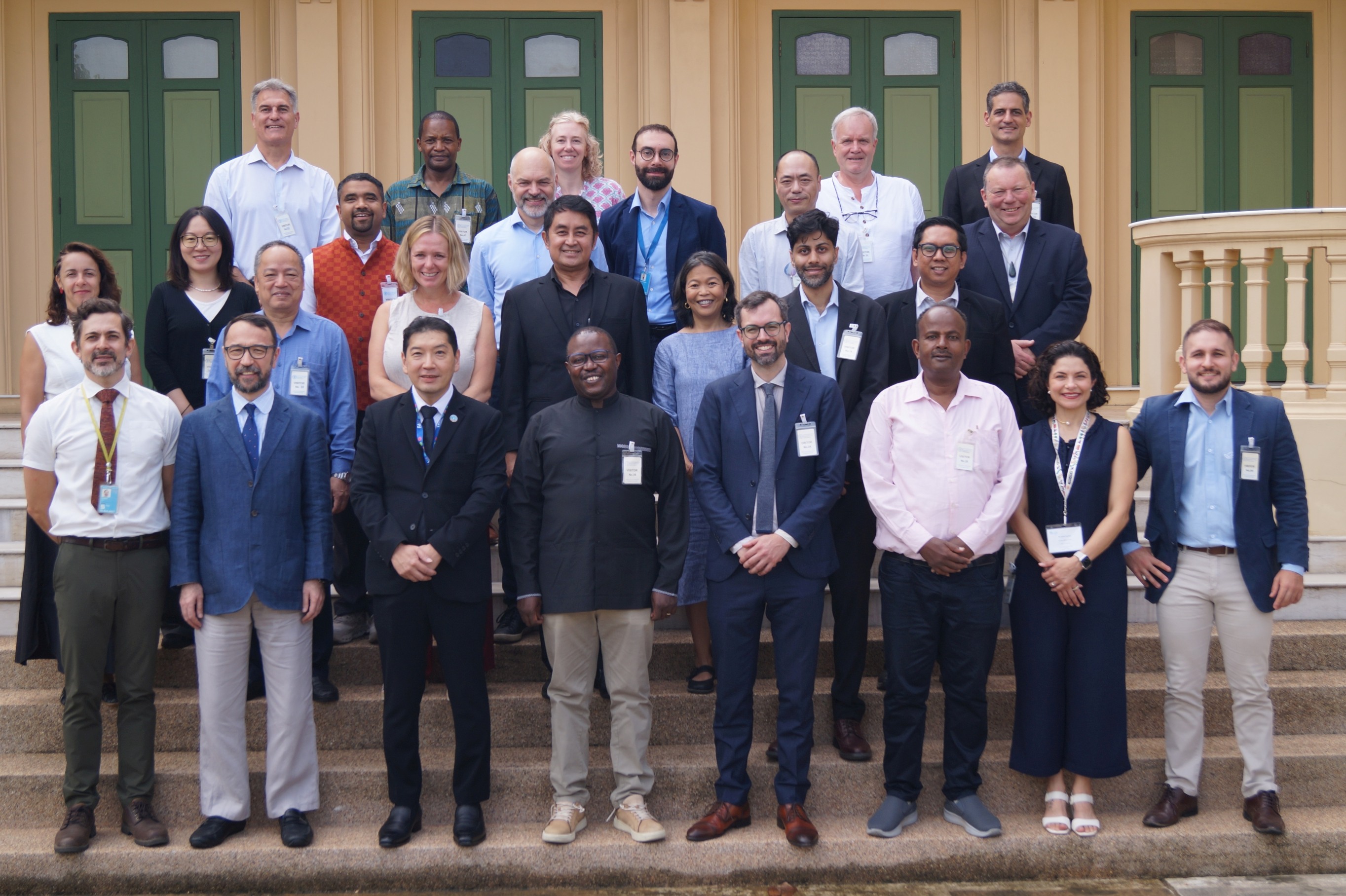
Held at the Food and Agriculture Organization of the United Nations (FAO) Regional Office for Asia and the Pacific in Bangkok, the workshop Integrating Agricultural Development and Methane Mitigation: Moving from NDCs to Implementation formed part of the Climate and Clean Air Coalition (CCAC) Annual Meeting 2026. Co-organized by Clean Air Task Force (CATF), Environmental Defense Fund (EDF), Spark Climate Solutions and FAO, it supported the Plan to Accelerate Solutions (PAS) on Agricultural Methane Mitigation.
The workshop brought together government representatives, researchers, development organizations and financing stakeholders to advance national commitments, mobilize financing and identify practical measures to reduce methane emissions from rice and livestock production, contributing to preparations for COP31 and COP32.