DA-BPI and IRRI to strengthen capacity for responsible genome editing
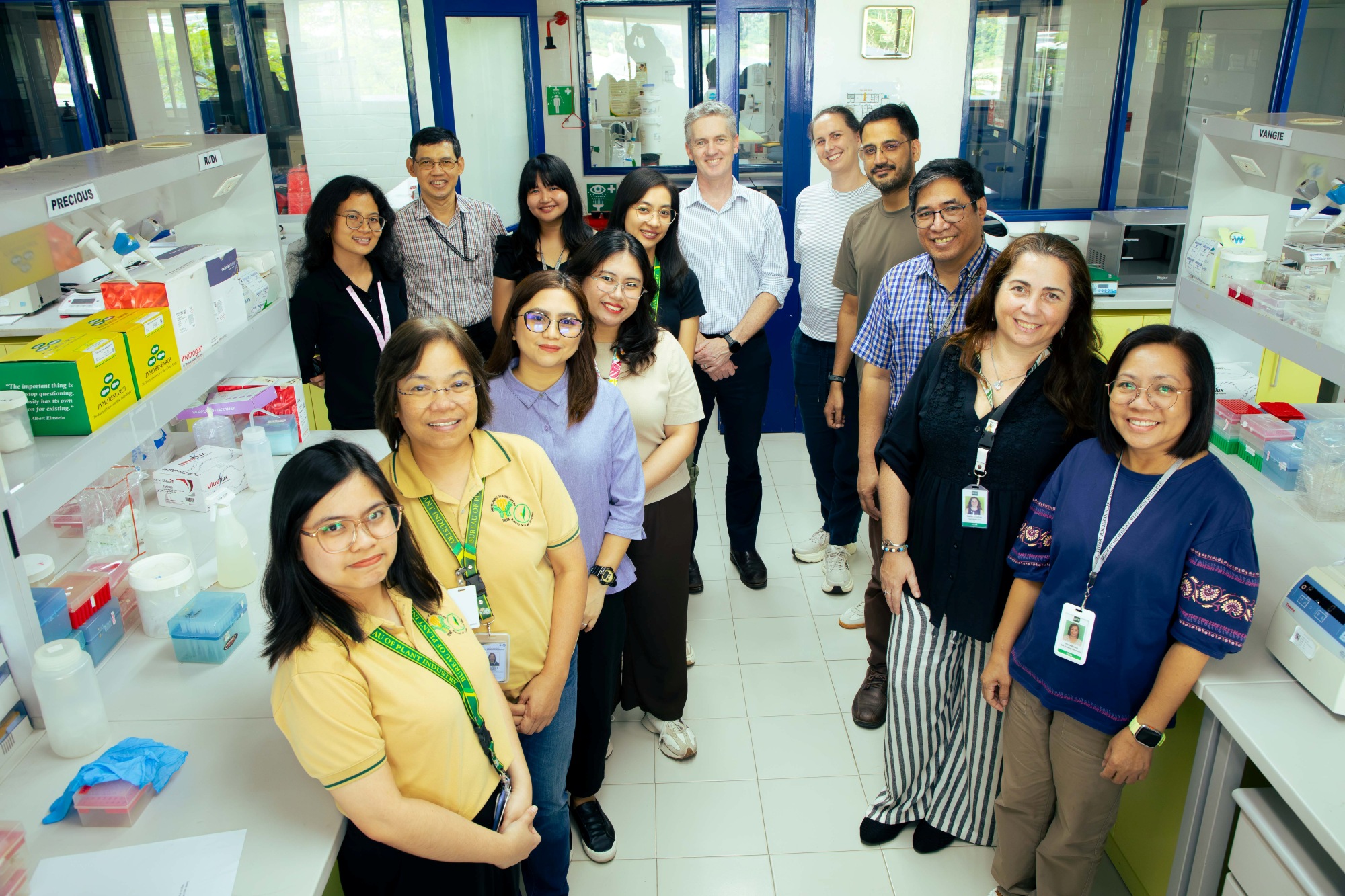
LOS BAÑOS, Philippines (23 October 2026) – The Department of Agriculture’s Bureau of Plant Industry (DA-BPI) and the International Rice Research Institute (IRRI) are strengthening expertise in biotechnology to support the safe and responsible development of improved rice varieties.
A week-long program at IRRI’s Genome Engineering and Transformation Laboratory (GETL) introduced staff from BPI’s Biotechnology Core Team – Plant Breeding Innovations (BCT-PBI) to genome-editing techniques, laboratory methods, and biosafety practices.
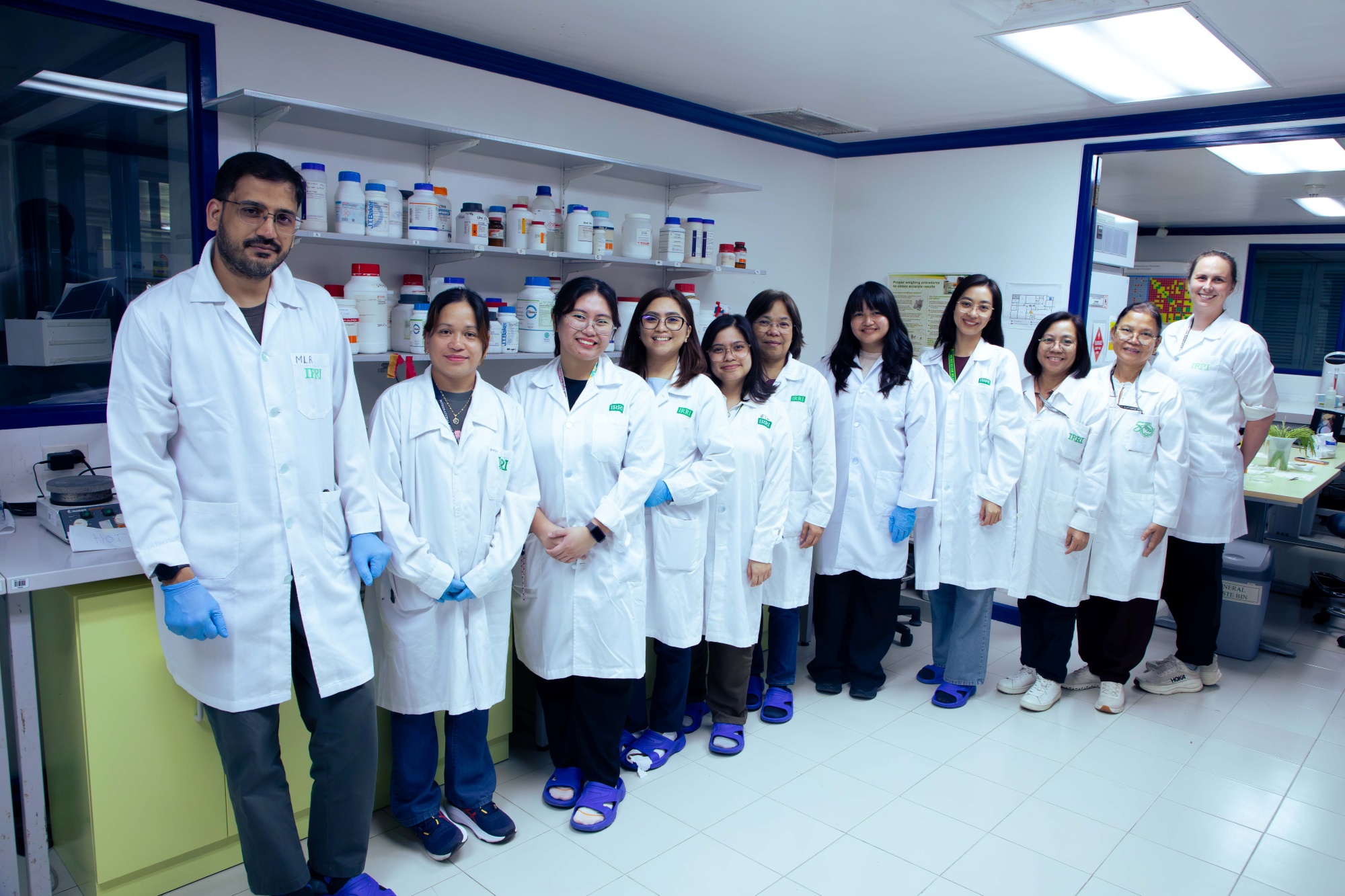
Dr. Martina Castellion, Research Manager of IRRI’s Seed Health Unit, highlighted biotechnology’s potential to help develop rice varieties that can better withstand climate-related stresses, saying:
“Biotechnology gives us an opportunity to improve rice varieties and develop crops that can better withstand challenges such as El Niño and climate change. It is a way to contribute to addressing these challenges through innovation, while ensuring that research is conducted safely and responsibly."
Understanding the science behind biotechnology
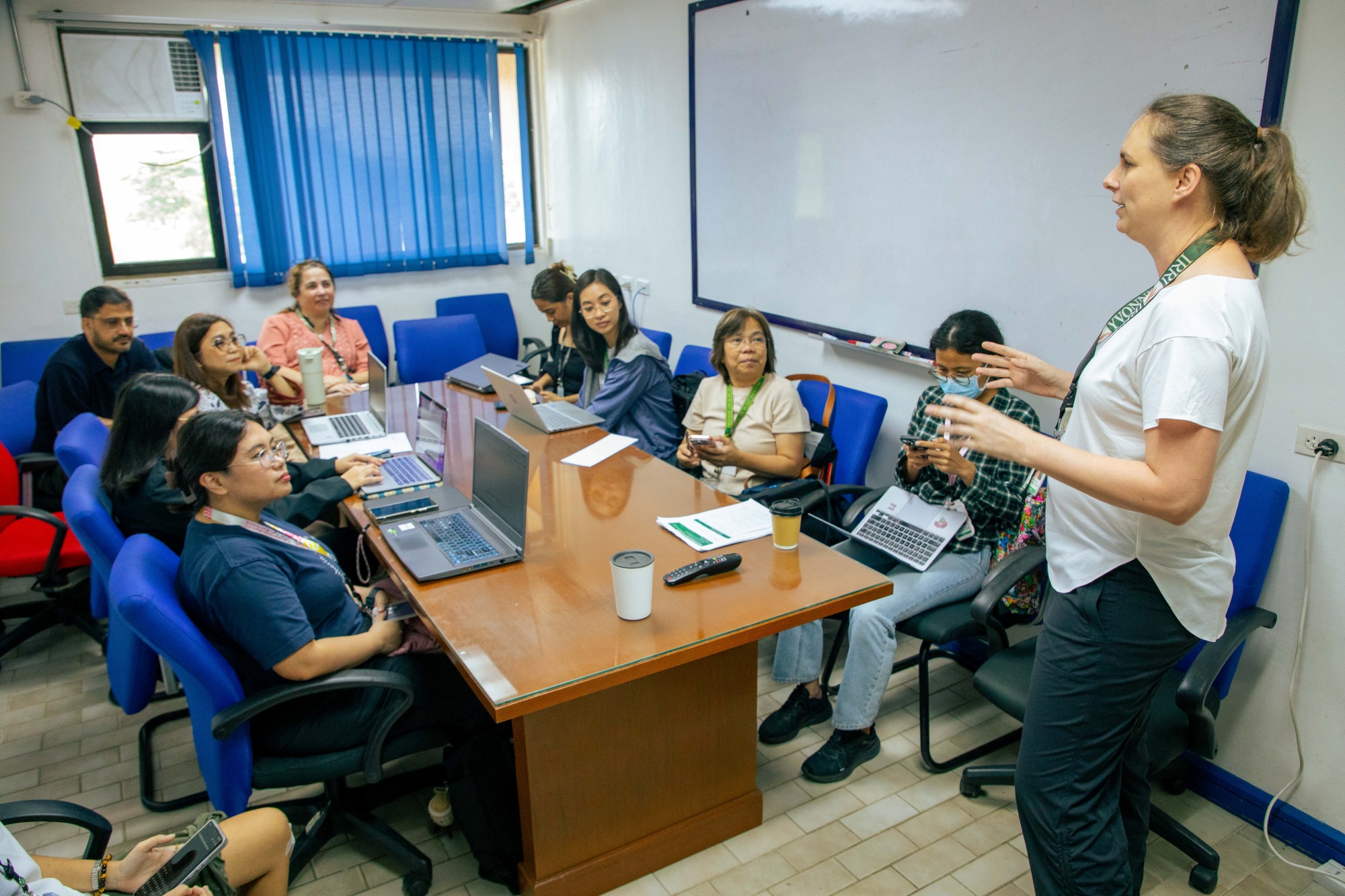
IRRI Scientist Yvonne Ludwig and Researchers Dianne Gene De la Rosa and Gela Myan Mota introduced participants to biotechnology, particularly genome editing and other platforms. Among the concepts discussed were:
- Genome editing as a tool to accelerate plant breeding: Traditional plant breeding can take 7 to 10 years to introduce new traits into preferred crop varieties. It can also introduce unwanted genetic material, a phenomenon known as ‘linkage drag’, which requires additional breeding cycles to remove. Genome editing can potentially shorten product development to 2 to 3 years by making targeted changes to DNA. This allows researchers to improve traits such as yield potential, climate resilience, and nutritional quality while retaining the desirable characteristics of existing varieties.
- Selecting the right gene-editing platform: Aside from the platform’s technical performance, researchers must also consider intellectual property (IP) rights and licensing requirements early in product development. These considerations help ensure that a promising innovation can progress from the laboratory to regulatory approval, release, and commercialization.
- Understanding how CRISPR works: CRISPR is a tool that allows scientists to make targeted changes to a plant’s DNA, the instructions that determine how it grows and develops. In systems such as CRISPR-Cas9, a short RNA molecule guides an enzyme ("molecular scissor") to a specific spot in the DNA, where it cuts both strands. As the cell repairs the cut, the DNA sequence can be changed. This repair can ‘switch off’ a gene or, with the help of a DNA template, introduce a specific change, allowing researchers to study genes and develop plants with desired traits.
- Validating safety and meeting regulatory requirements: Before an edited crop advances to further evaluation, researchers must confirm that the intended genetic changes occurred, assess potential unintended effects, and determine whether foreign DNA remains. These checks help establish the crop's genetic characteristics and inform its regulatory pathway. Depending on the product's characteristics and the applicable regulatory framework, it may qualify for a Certificate of Non-Coverage (CNC).
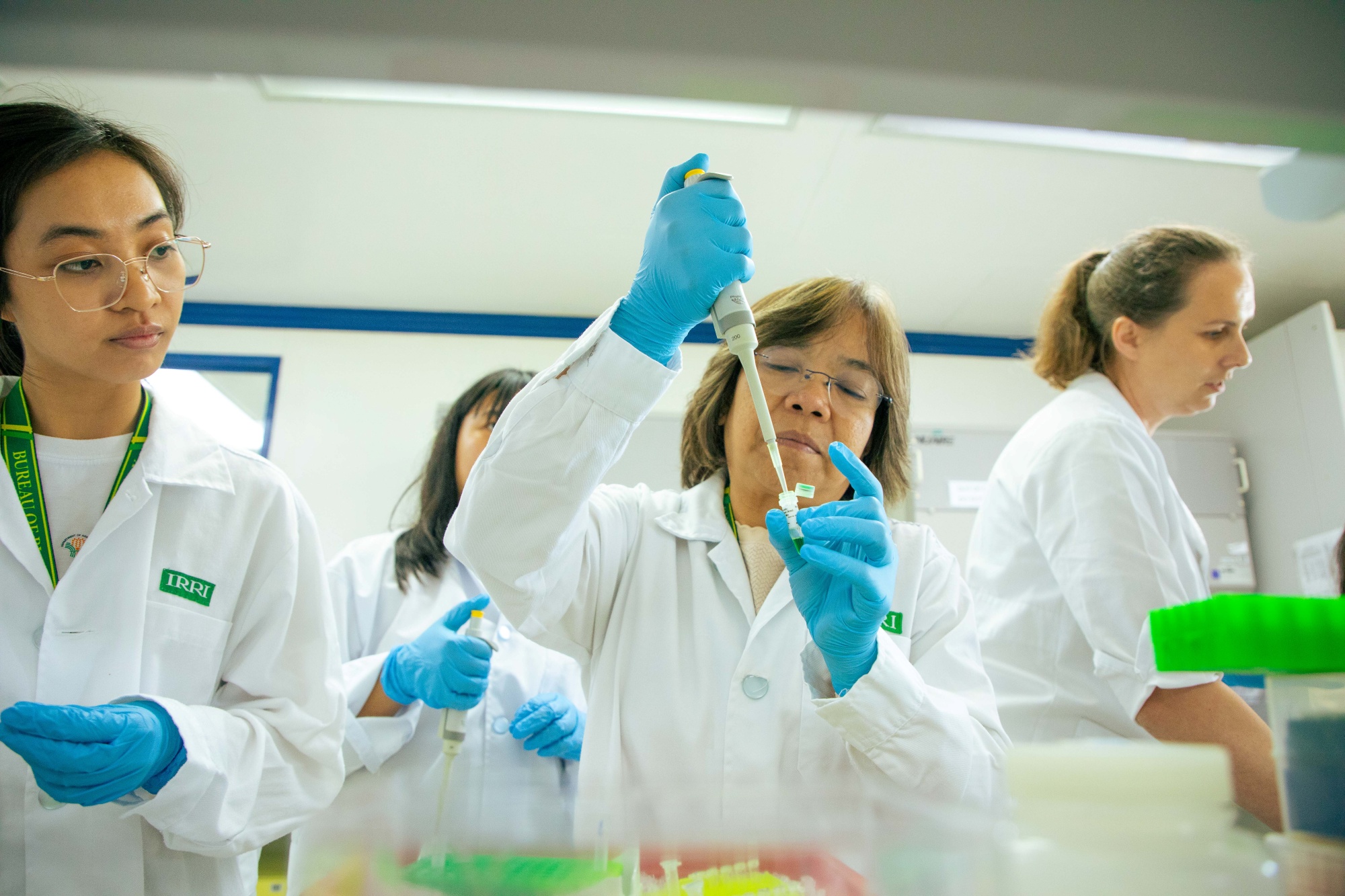
Aside from this, participants also learned about prime editing, guide RNA design and bioinformatics tools, laboratory techniques for genome editing and edit validation, and plant transformation, vector design, and molecular analysis.
Making biosafety central to research
Biotechnology research requires rigorous risk assessment and safeguards to protect human health and the environment. The training echoed that researchers must evaluate potential hazards, interpret scientific evidence, and ensure that risks remain within acceptable levels throughout the research process.
“Biosafety is not something we compromise on. Our goal is to ensure that the risks associated with biotechnology research remain within acceptable levels,” said IRRI Biosafety Officer Rizza Eve Mendoza.
IRRI reinforces its commitment to responsible biotechnology research through its stewardship policy, which covers products developed using new plant-breeding techniques. The institute joined Excellence Through Stewardship in 2016 and Plant Breeding Innovation in 2025, strengthening its adherence to internationally recognized standards for responsible research and product development for nearly a decade.
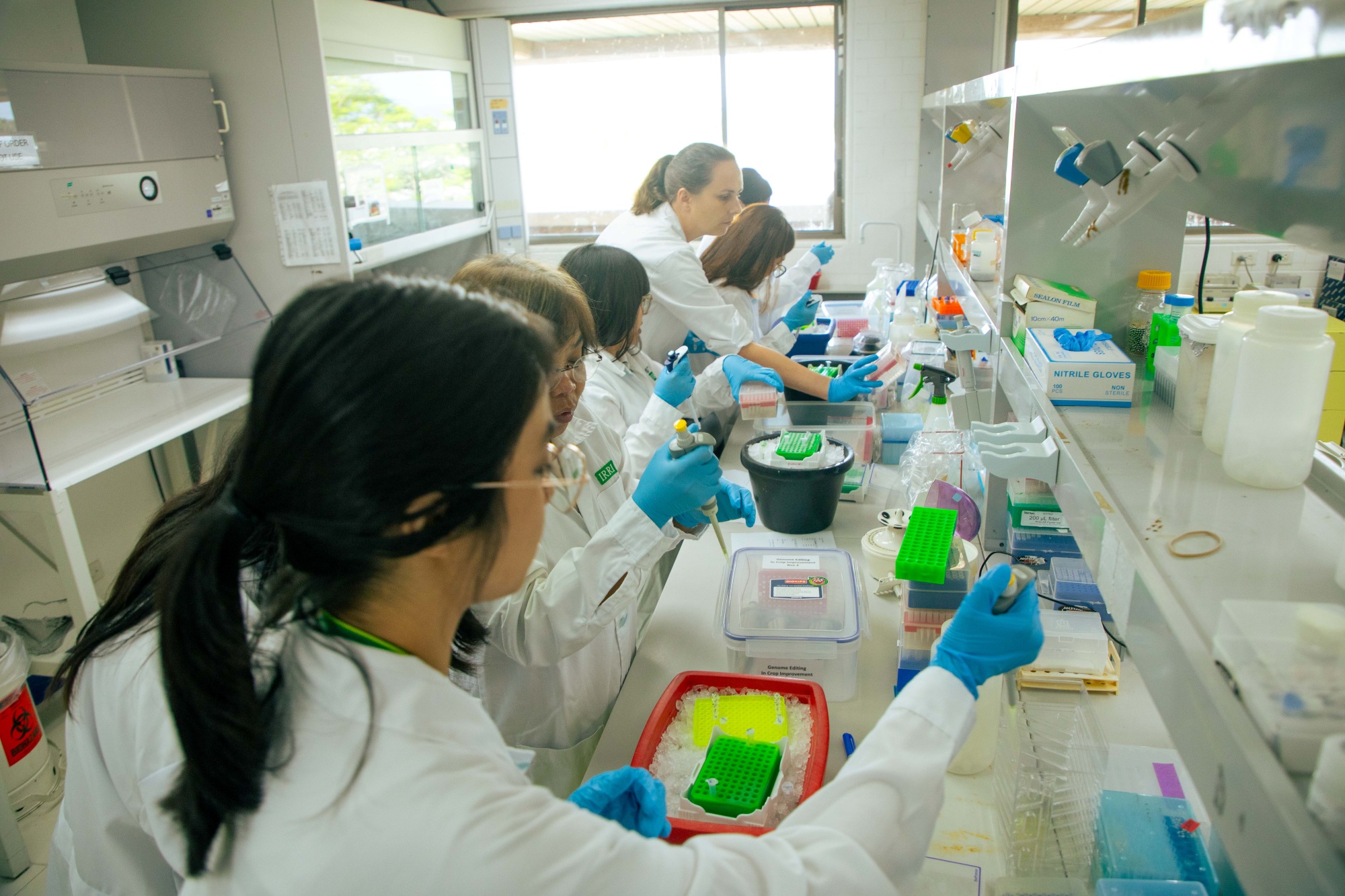
For the Bureau of Plant Industry (BPI), building technical expertise is equally important as new plant-breeding technologies advance. Stronger capacity will help its scientists evaluate these technologies, interpret research findings, and assess the evidence needed to inform regulatory decisions.

“Strengthening our technical capacity is essential as new plant-breeding technologies continue to advance. Through this training, we can deepen our understanding of these tools, improve our ability to evaluate research results, and ensure that biosafety and regulatory requirements remain central to our work,” said Geronima Eusebio, head of BPI’s BCT-PBI.