Indonesia, IRRI strengthen collaboration on genome editing
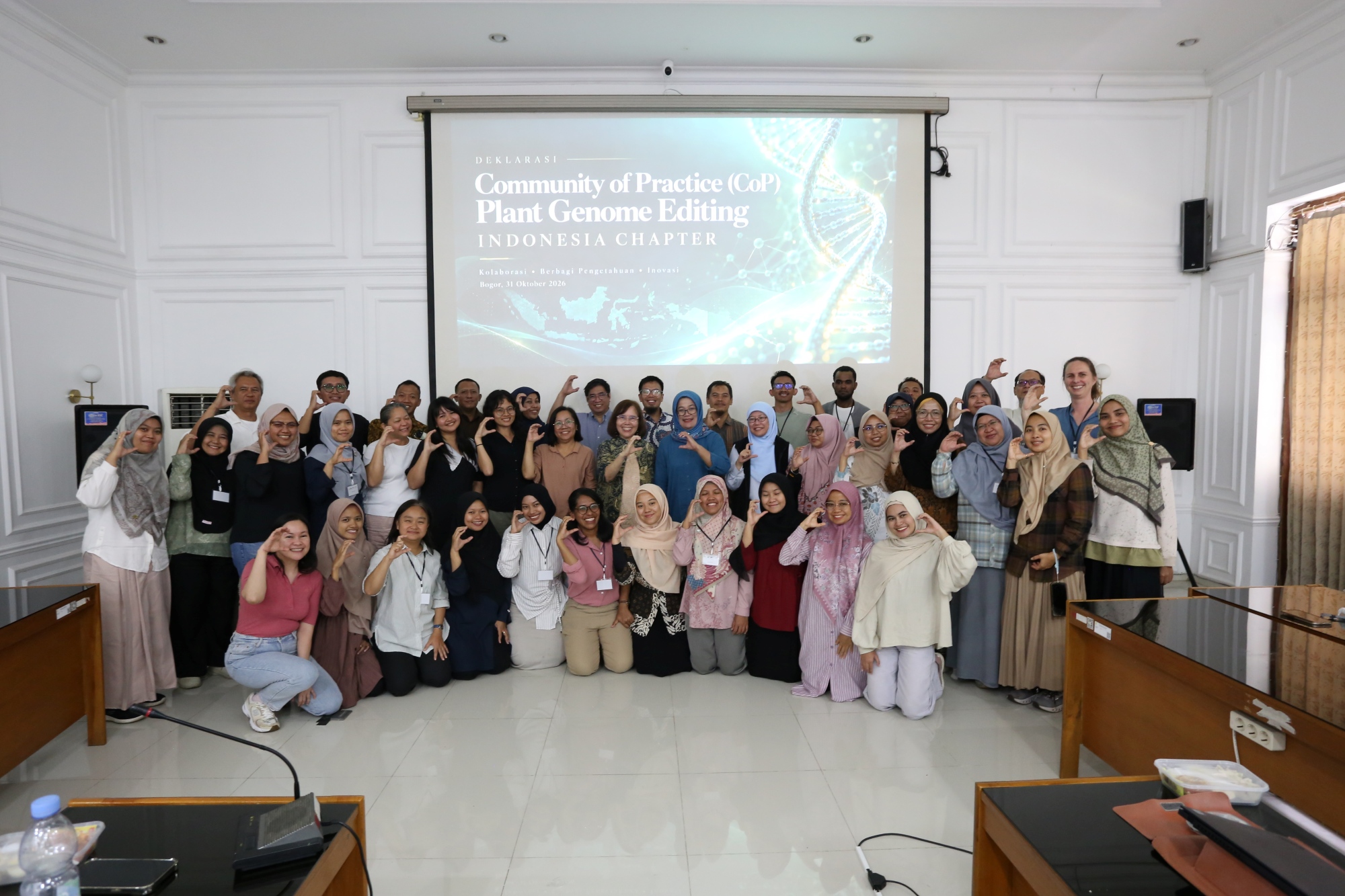
Six-day workshop in Bogor, Indonesia brings researchers together to strengthen technical expertise, responsible innovation, and communication on genome editing for crop improvement.
BOGOR, Indonesia (31 October 2026) - Genome editing offers new opportunities to develop rice varieties that can better withstand climate stresses, deliver higher productivity, and meet evolving food and nutritional needs. Realizing this potential, however, requires more than advances in the laboratory. It also depends on skilled researchers, strong institutional partnerships, responsible stewardship, and meaningful engagement with the people who will use and benefit from the technology.
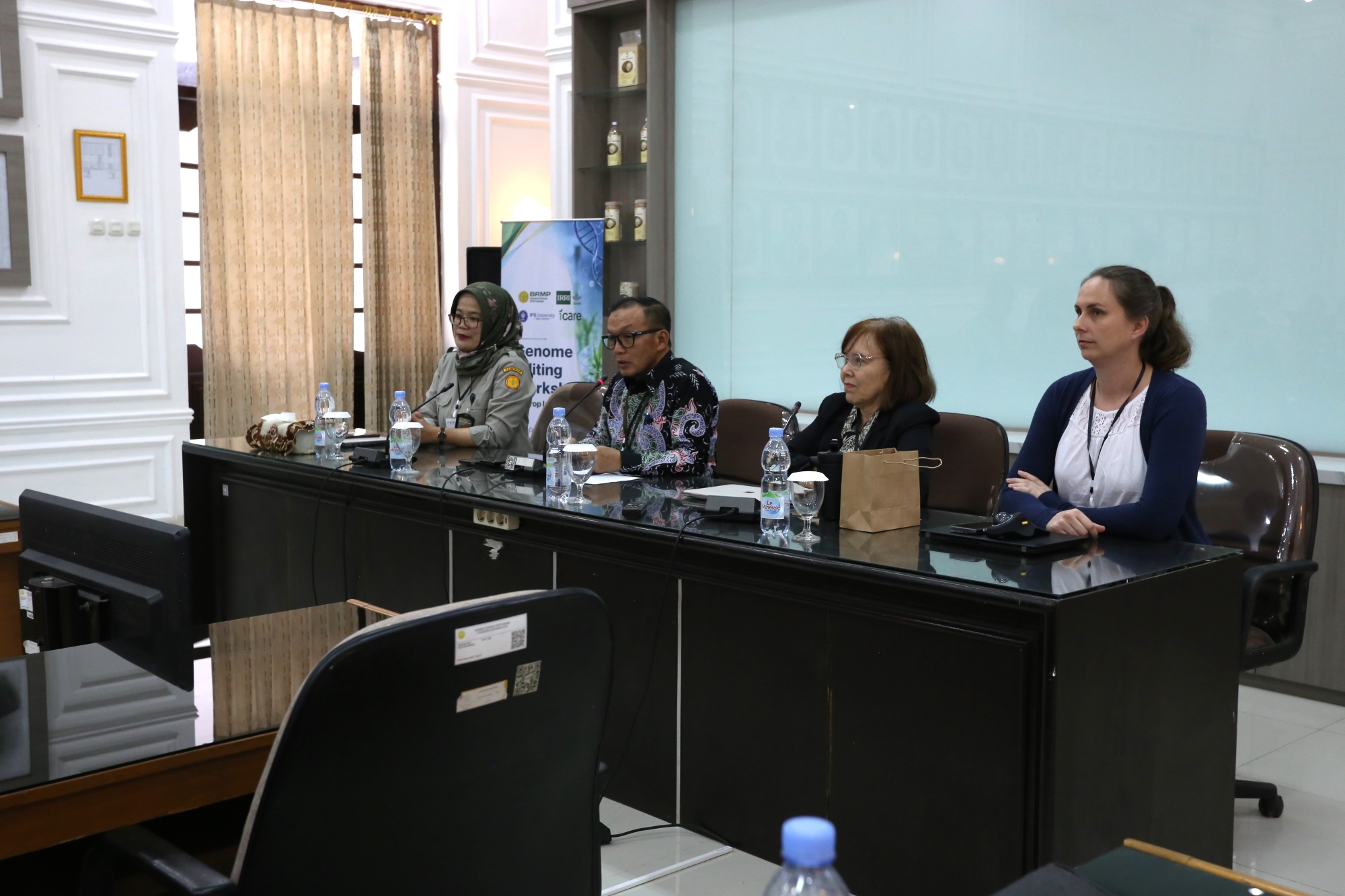
These priorities shaped the six-day Genome Editing Workshop for Crop Improvement, held from 26 to 31 October in Bogor, Indonesia. Jointly organized by the Indonesian Center for Food Crops Agricultural Development and Modernization (BRMP Tanaman Pangan) and the International Rice Research Institute (IRRI), in collaboration with IPB University, the workshop brought together researchers and technical experts to strengthen Indonesia’s capacity to apply genome editing in crop improvement.
Genome editing tools such as CRISPR-Cas9 and Cas12a enable researchers to make targeted changes to an organism’s DNA. In rice research, these tools can help accelerate the development of varieties with desirable traits, including improved climate resilience, productivity, grain quality, and nutritional characteristics.
For farmers, the potential benefits are practical. Rice varieties that better tolerate drought, heat, or major diseases could help reduce crop losses and stabilize harvests under increasingly challenging growing conditions. Improving productivity and resilience can contribute to more reliable farm output and strengthen food security. These benefits depend, however, on developing varieties that perform well under real farming conditions and meet farmers’ needs.
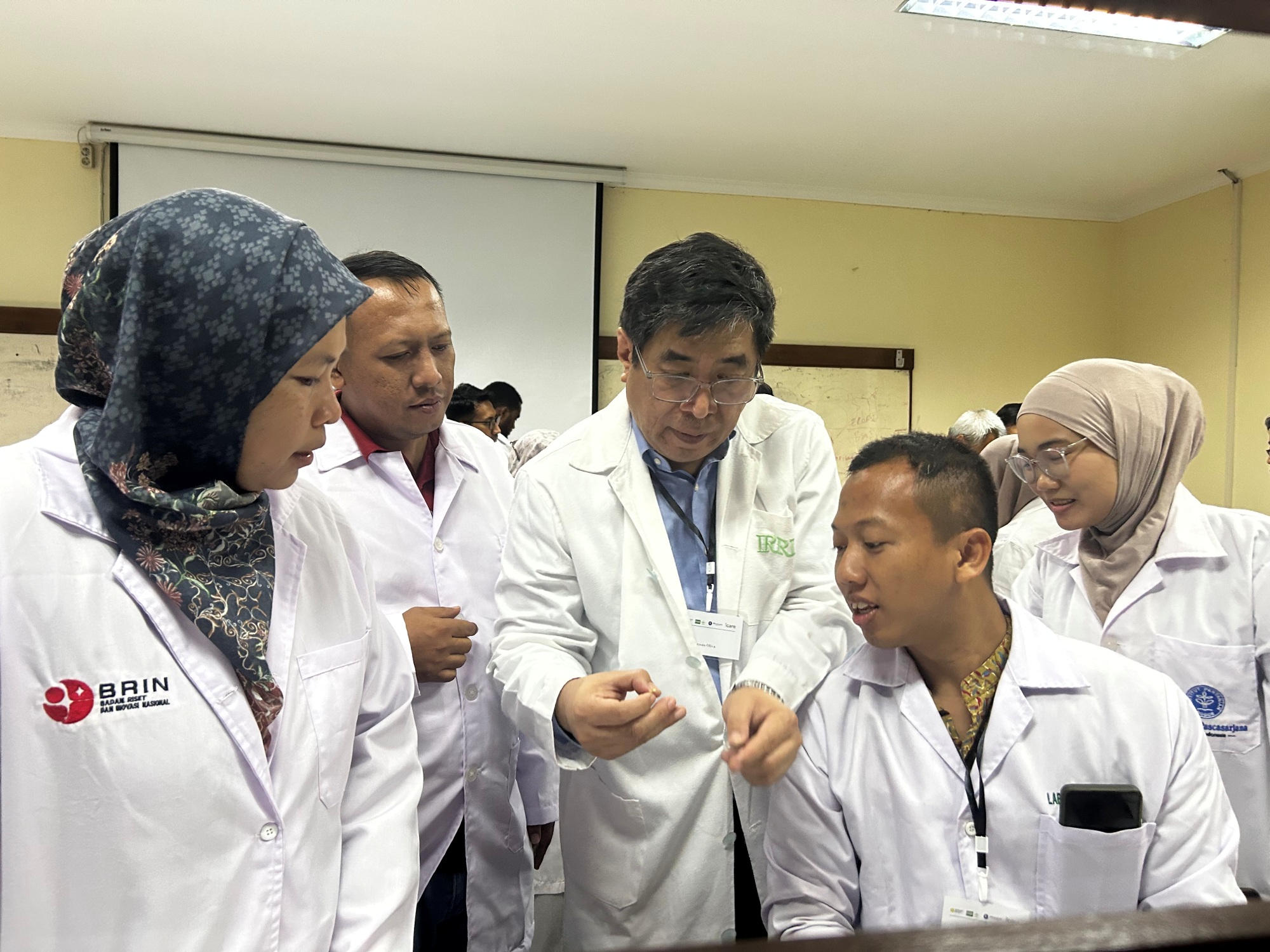
The workshop took participants through the technical process of genome editing, from designing genetic targets and constructs to tissue culture, plant transformation, molecular screening, and validation of edited lines. Hands-on laboratory sessions at IPB University allowed participants to work with plant materials and examine how researchers identify and validate genetic changes. Advanced sessions covered base editing, prime editing, and troubleshooting common laboratory challenges.
The program also addressed biosafety practices, quality management, stewardship, and Indonesia’s regulatory framework for genome-edited products. These elements are essential to ensuring that research progresses through appropriate assessment and oversight toward potential future applications.
“Technology alone does not create innovation. It takes capable people, strong research institutions, collaboration, and a shared commitment to turn scientific knowledge into practical solutions,” said Dr. Nuning Argosubekti, Deputy Director of Collaboration of BRMP Food Crops in the workshop’s closing remarks.
The collaboration between BRMP Food Crops, IRRI, and IPB University illustrates the value of bringing together national research priorities, international scientific expertise, and university-based research and laboratory capabilities. Sustained partnerships can help researchers exchange knowledge, strengthen technical capacity, address shared challenges, and develop research initiatives suited to local agricultural conditions.
“Genome editing gives rice researchers additional tools to address the challenges facing farmers, but its value lies in the improvements it can deliver in the field. By strengthening local research capacity and working closely with our partners, we can help develop better-adapted rice varieties while ensuring that the science, stewardship, and evidence needed to advance these innovations are in place,” according to Dr. Inez Slamet-Loedin, head of IRRI’s Rice Genetic Design & Validation Unit.
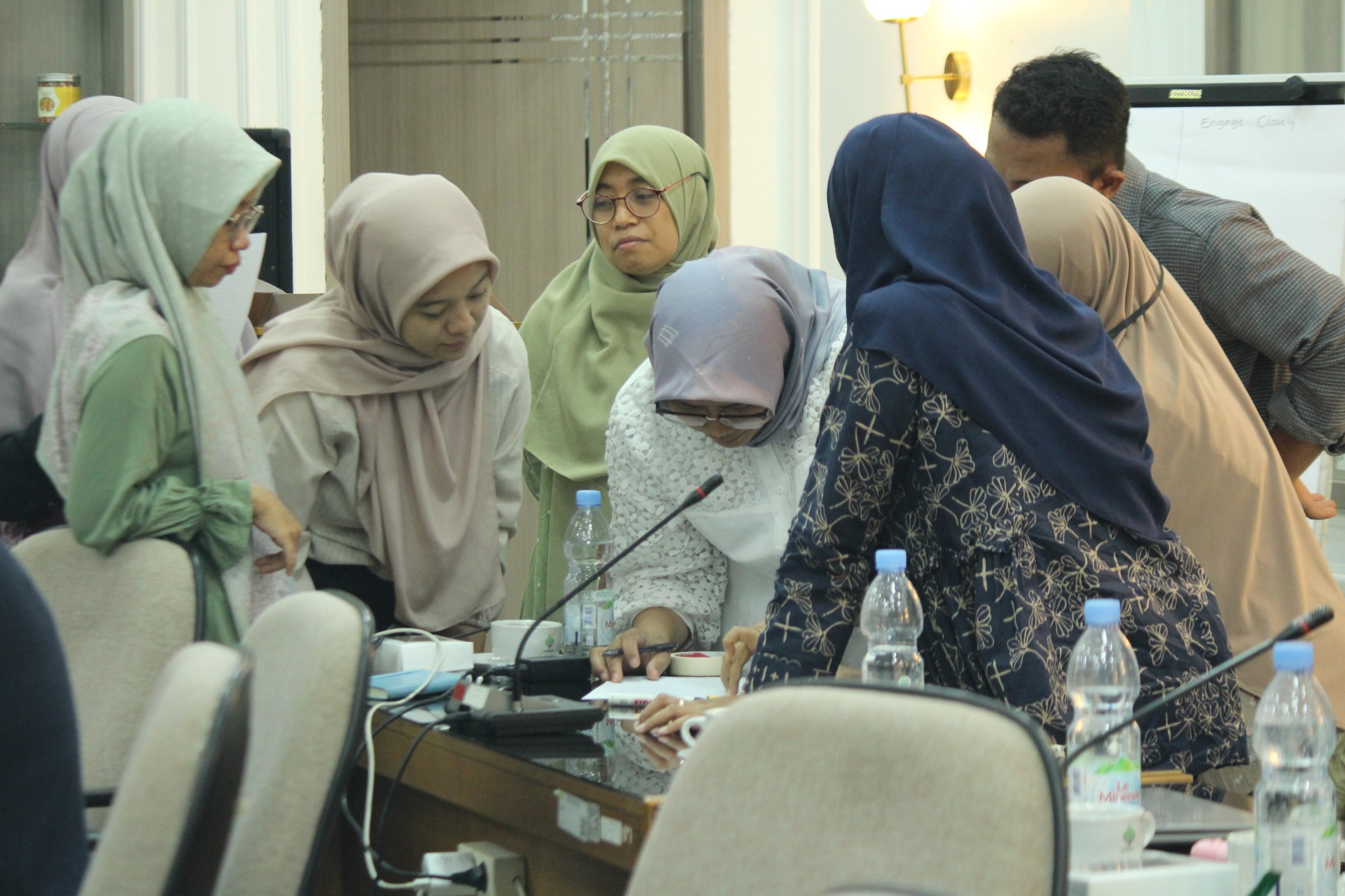
Recognizing that scientific progress also depends on public understanding, the workshop dedicated a full day to risk communication. Participants explored how to identify stakeholder concerns, develop clear and credible messages, respond to difficult questions, and communicate evidence without overstating benefits or dismissing uncertainty. Practical exercises addressed issues such as food safety, regulation, farmer access, affordability, and public trust.
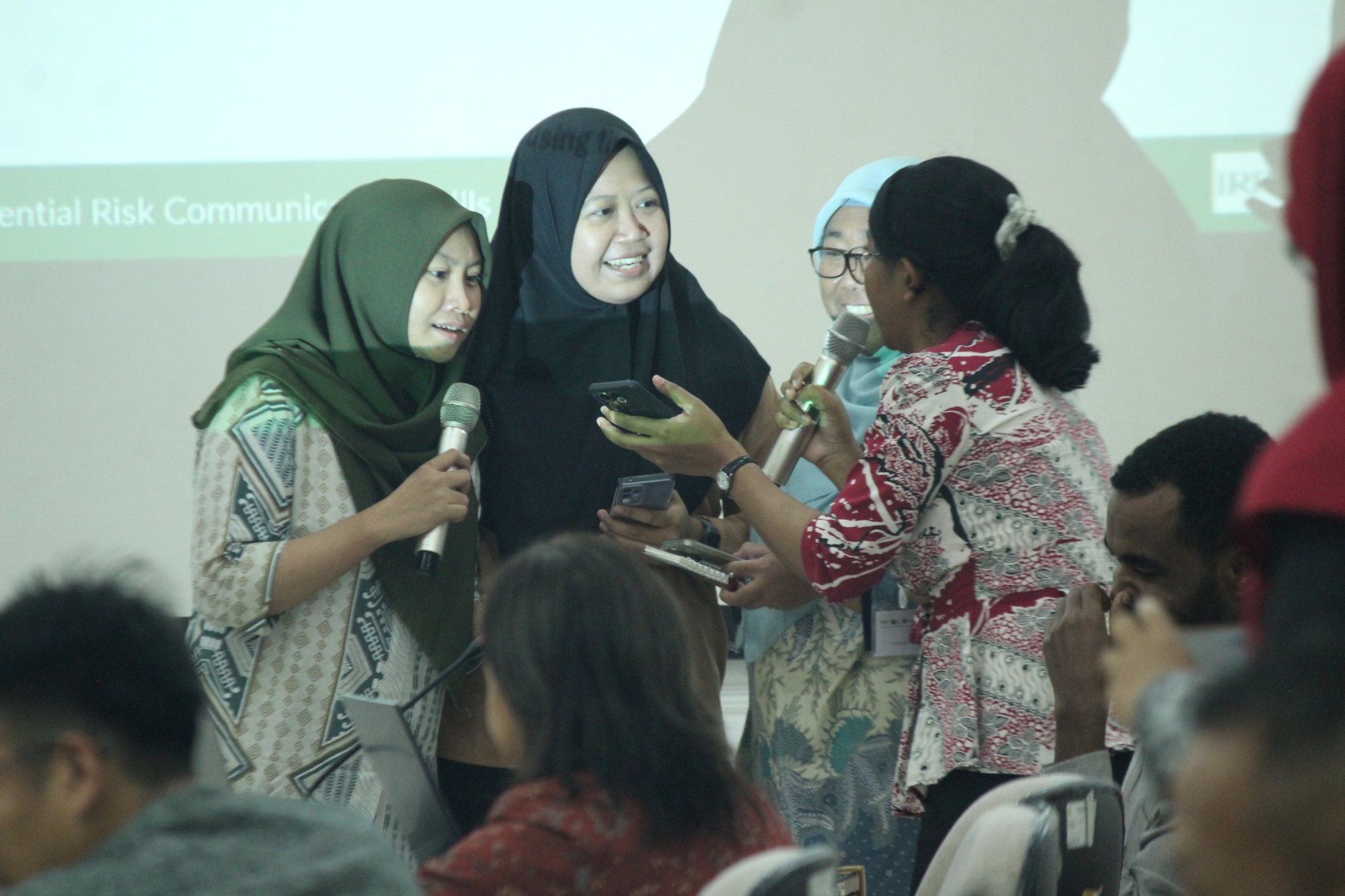
These discussions reinforced that scaling genome editing is not simply a matter of producing an edited plant. Researchers must also understand the regulatory requirements, communicate transparently about the evidence, and engage farmers, policymakers, consumers, and other stakeholders early in the process.
The workshop concluded with a collaborative project design exercise in which participants integrated target selection, experimental planning, screening, stewardship, regulatory considerations, and communication into proposed research projects. Workshop participant Firdha Chaylia expressed gratitude for the experience, saying, “I hope to share this knowledge with my fellow researchers and colleagues within my research team.”
For Indonesia and its research partners, the next step is to translate the knowledge and connections established during the workshop into joint research, continued scientific exchange, and stronger national capabilities. By combining advanced tools with collaboration and responsible innovation, researchers can help move promising discoveries closer to rice varieties that support farmers’ productivity, strengthen resilience, and contribute to sustainable food systems.