IRRI and CIMMYT strengthen zero-tillage wheat and crop residue management skills through training in Varanasi
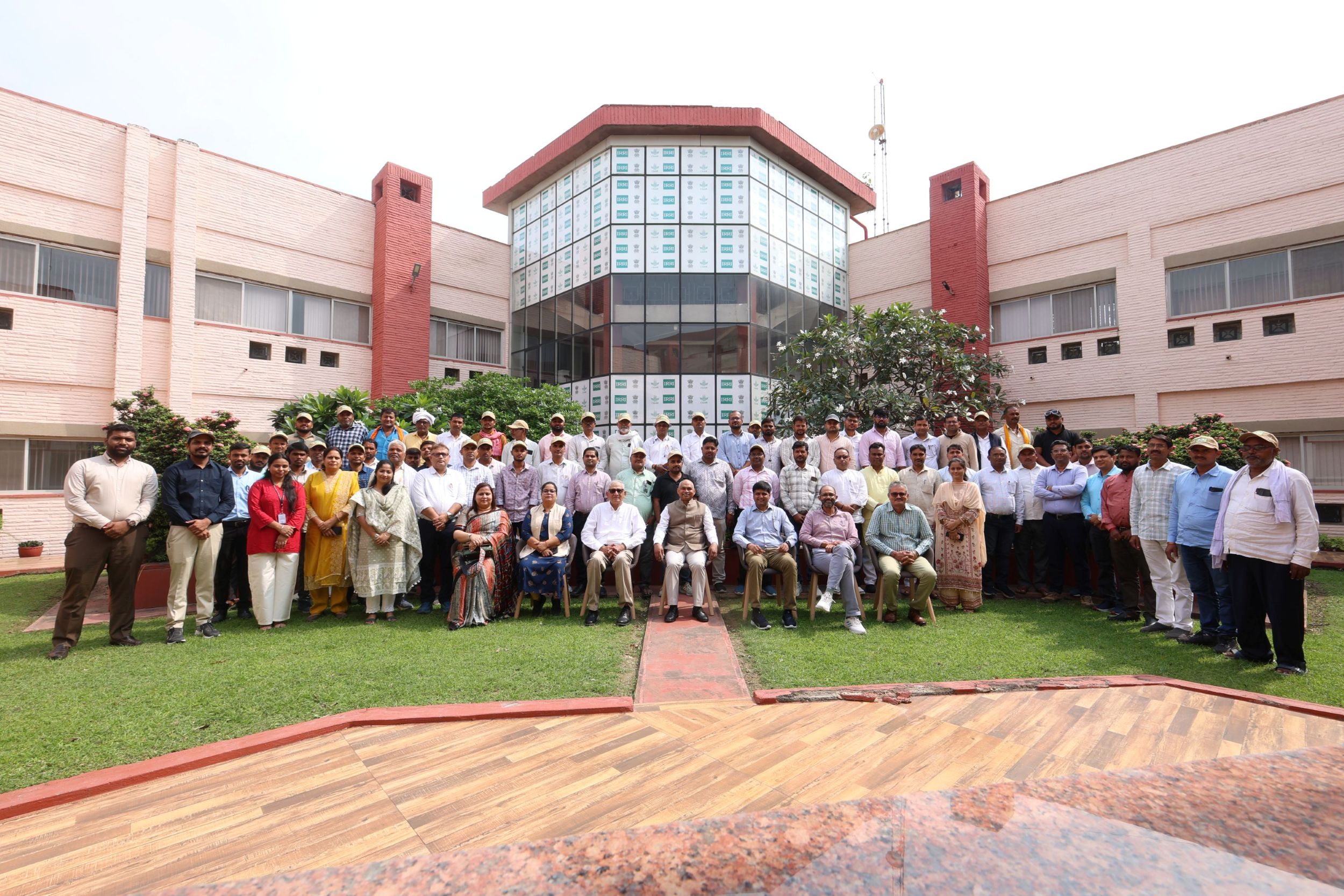
VARANASI, India (8–9 October 2026) - The International Rice Research Institute (IRRI), through the CGIAR Scaling for Impact (S4I) initiative, and in collaboration with the International Maize and Wheat Improvement Center (CIMMYT), organized a two-day Training of Trainers (ToT) on Zero-Tillage Wheat (ZTW) and Crop Residue Management at the IRRI South Asia Regional Centre (ISARC), Varanasi. The programme brought together 63 participants, including farmers, farm machinery service providers, and agricultural extension functionaries from various districts of Eastern Uttar Pradesh.
The training aimed to strengthen practical skills in timely wheat establishment, sustainable crop residue management, and farm mechanization, while building local capacity to promote climate-smart practices in rice–wheat production systems.
Addressing challenges in the rice–wheat system
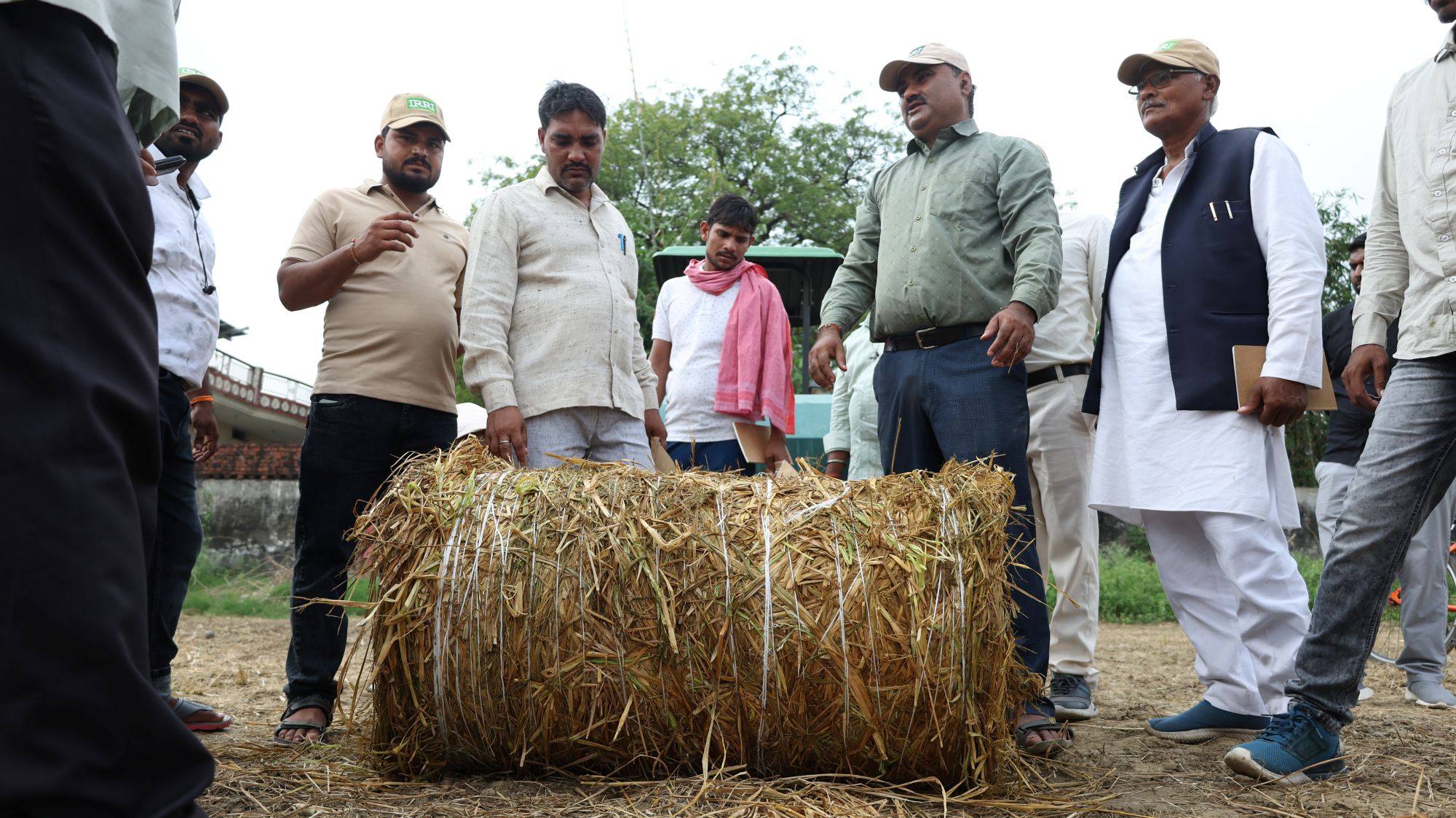
Rice–wheat production systems in Eastern Uttar Pradesh face several challenges, including declining factor productivity, delayed wheat sowing, rising labour and input costs, and crop residue management. Timely wheat establishment after rice harvest is critical to improving crop productivity, farm profitability and resource-use efficiency. Zero-tillage wheat, combined with appropriate residue management, offers an opportunity to reduce tillage operations, make better use of available soil moisture, and provide an alternative to residue (rice straw) burning.
The first day of the training covered rice–wheat system challenges, ZTW agronomy, crop residue management, farm machinery economics, and gender-inclusive mechanization. Participants also received practical exposure to zero-till seed drills. The second day featured hands-on demonstrations of the Happy Seeder, Smart Seeder, balers, compost turners, and other residue-management technologies, alongside sessions on machinery operation, maintenance, and service-based business opportunities.
Participants were also introduced to machinery-based service models, including opportunities for farmers and service providers to support timely sowing and sustainable crop establishment in their communities.
Strengthening institutional coordination and farmer participation
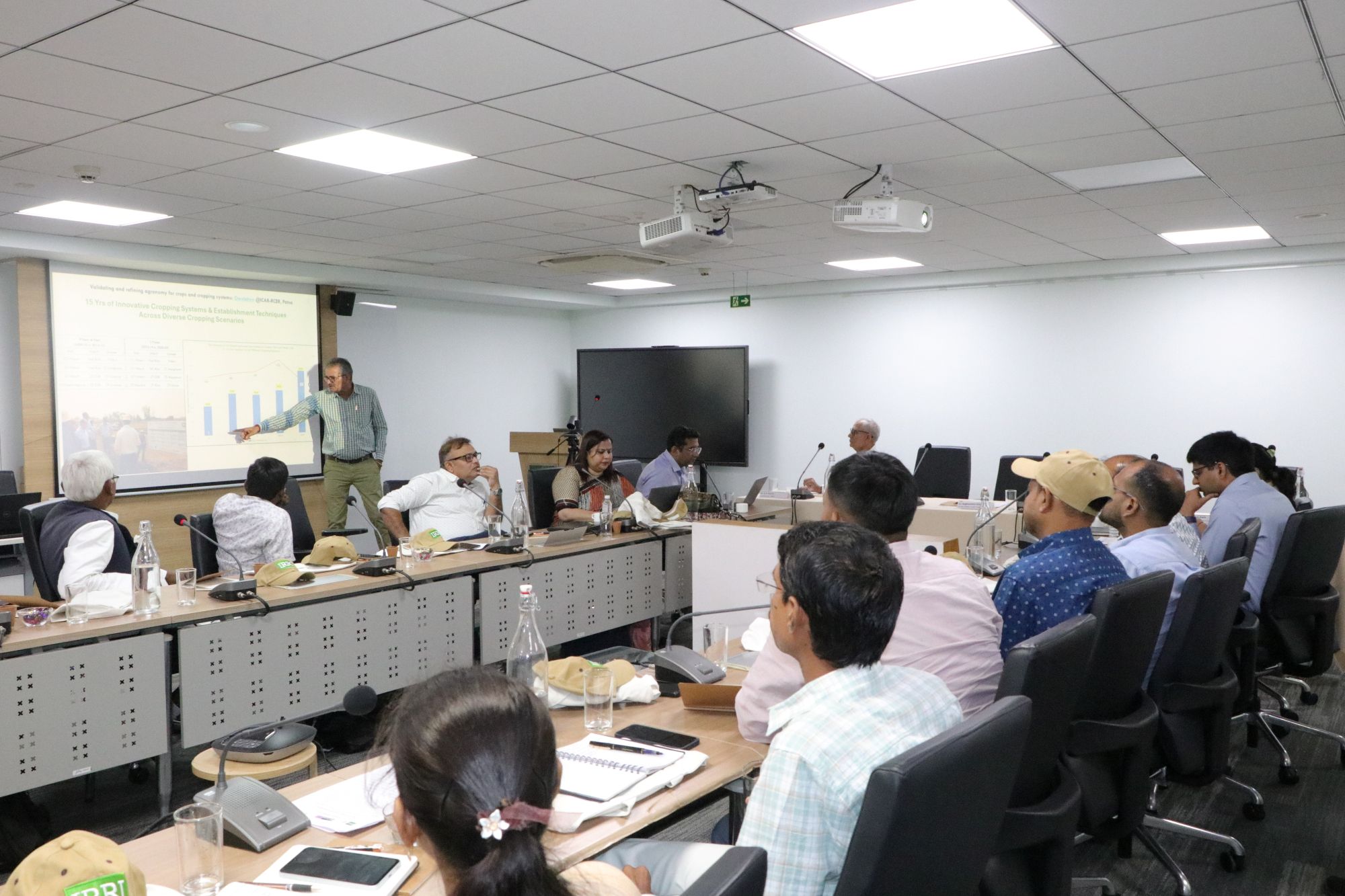
Dr. Raghavendra Singh, Interim Director, ICAR–Agricultural Technology Application Research Institute (ATARI), Kanpur, attended the programme as the chief guest. He emphasized the importance of stronger coordination among research, extension, and field institutions to support the wider adoption of climate-smart agricultural technologies.
Highlighting the resilience demonstrated by direct-seeded rice (DSR) under recent weather challenges, he noted that DSR fields showed better crop standing in some cases during recent hailstorms and cyclones. He also stressed the importance of ensuring that both women and men farmers participate equally in, and benefit from, these technologies.
Timely wheat sowing and opportunities in farm mechanization
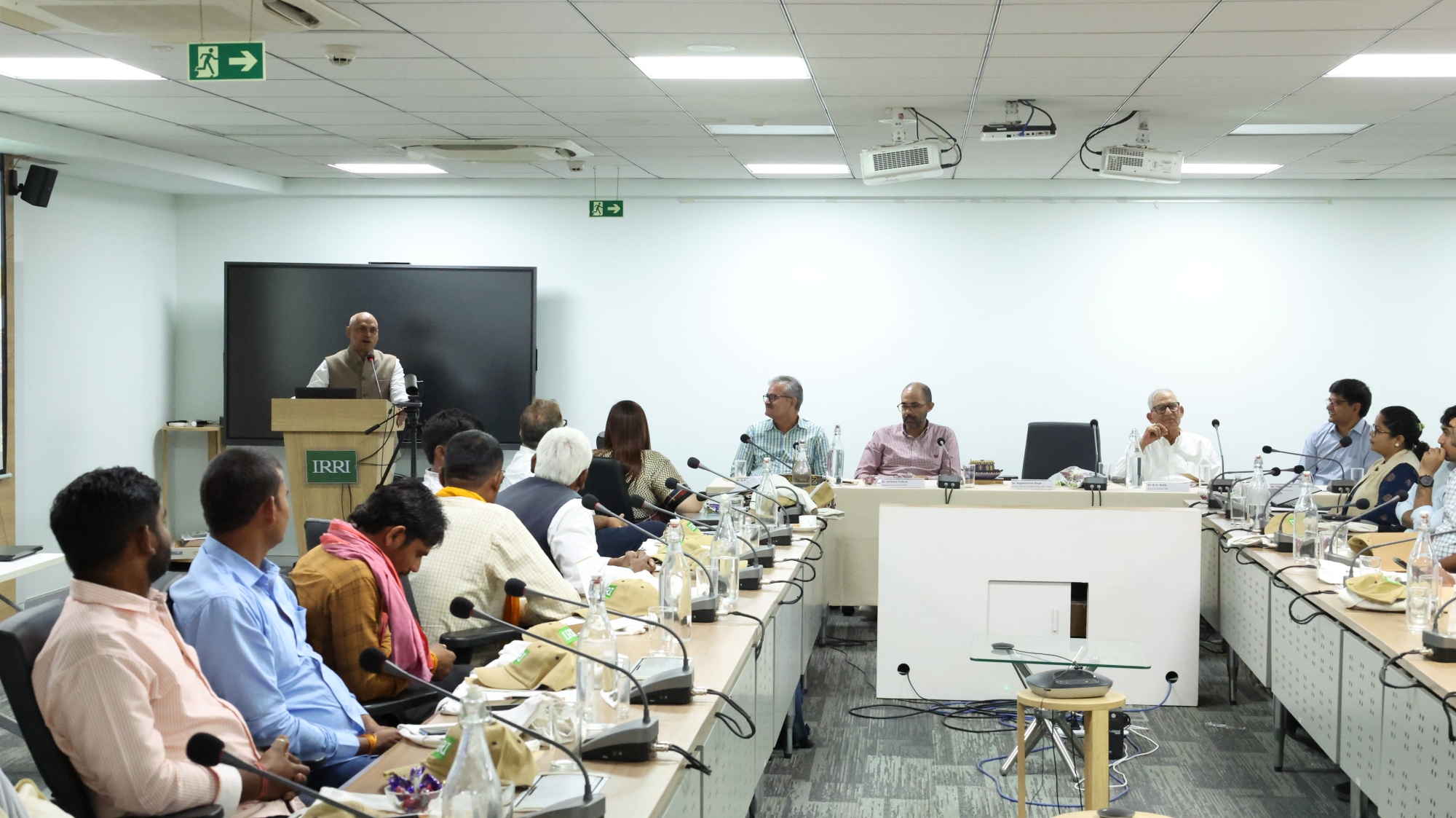
Dr. R. K. Malik, Senior Consultant at IRRI, emphasized sowing wheat before 20 November to minimize heat stress and improve crop productivity. He encouraged farmers to adopt DSR followed by zero-tillage wheat as a strategy to address increasing labour shortages and explore business opportunities through farm machinery services.
Highlighting the principle of “learning by doing and seeing is believing,” he urged each trained farmer to become a master trainer and train at least 10 other farmers, helping accelerate the dissemination and adoption of these technologies.
Dr. S. P. Poonia, Lead Researcher at CIMMYT, highlighted the role of mechanization in addressing labour shortages and ensuring timely wheat sowing. He noted that advances in zero-tillage machinery enable more efficient use of soil moisture and stressed the need to promote small-scale, need-based machinery suited to farmers’ requirements for efficient and sustainable farming.
Dr. Vikram Patil, Project Lead for S4I and Senior Scientist at IRRI, highlighted the challenges facing rice–wheat systems, including declining factor productivity, delayed wheat sowing, rising labour and input costs, and crop residue management. He emphasized that timely crop establishment, supported by climate-smart practices such as zero-tillage and effective residue management, is essential to sustaining productivity and farm profitability.
Building capacity for wider adoption
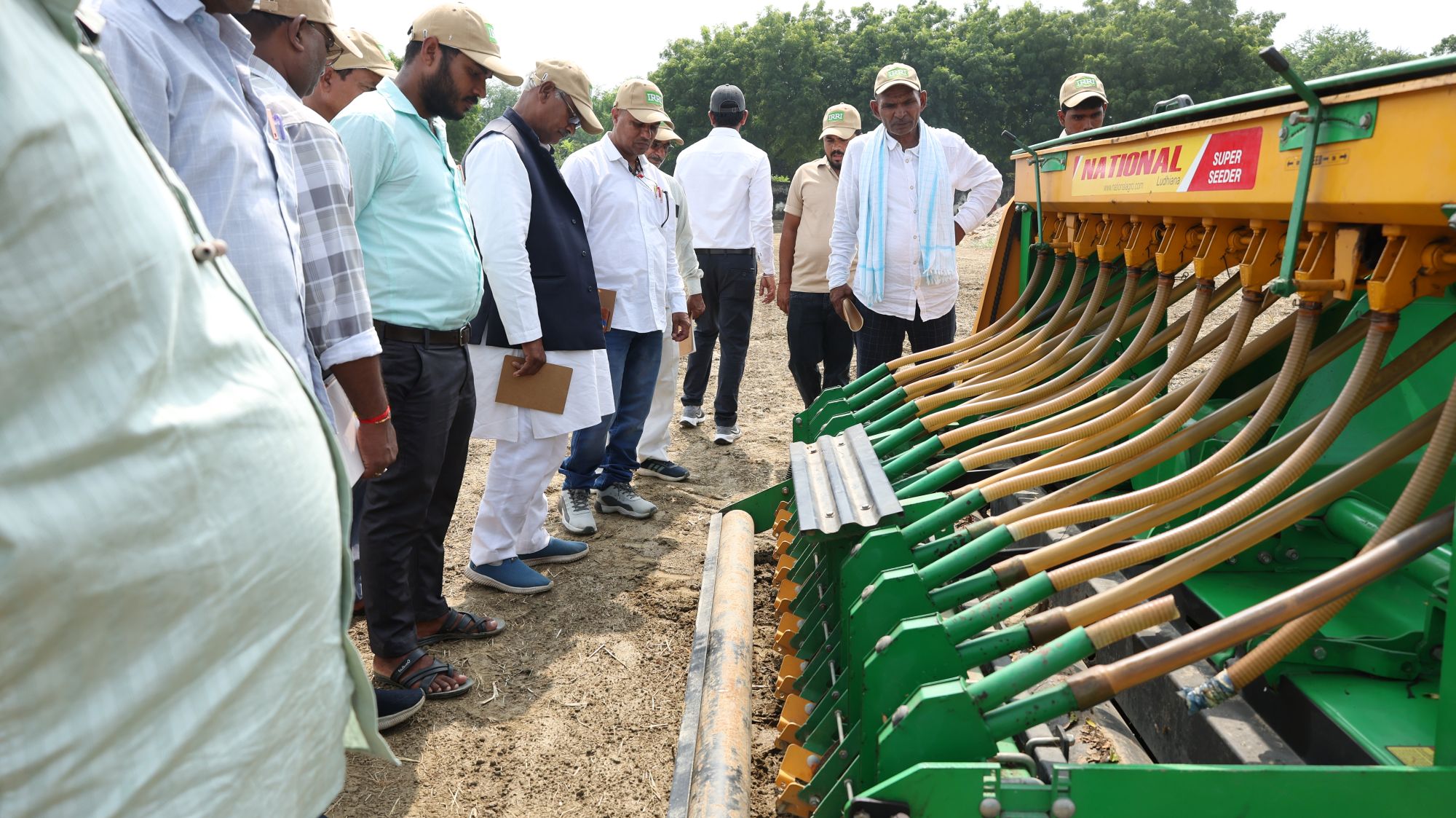
The two-day programme combined practical machinery demonstrations with technical sessions and experience-sharing to strengthen the capacity of farmers, custom hiring centre operators, farm machinery service providers, and extension functionaries. By building technical knowledge and introducing participants to machinery-based service opportunities, the training aimed to develop a network of local stakeholders who can support farmer outreach and wider adoption of sustainable mechanization practices across Eastern Uttar Pradesh.
The programme was conducted under the CGIAR Scaling for Impact (S4I) initiative, led by Dr. Vikram Patil, Senior Scientist at IRRI. It also complements IRRI-led activities under the Uttar Pradesh Agriculture Growth and Rural Enterprise Ecosystem Strengthening (UP-AGREES) project, leveraging farmer networks, institutional partnerships and implementation activities to support the scaling of climate-smart agricultural technologies.
By connecting technical training with local service-delivery opportunities and stakeholder networks, the initiative seeks to strengthen the ecosystem needed to expand zero-tillage wheat and sustainable crop residue management across the region.