From pilots to scale: IRRI supports Viet Nam’s one-million-hectare rice transformation
HO CHI MINH CITY, Vietnam (15 October 2026) — Viet Nam’s ambition to cultivate one million hectares of high-quality, low-emission rice by 2030 requires more than new farming technologies. To succeed, it must translate scientific evidence into practical guidance, strengthen local capacity, and build partnerships that can make sustainable farming profitable for farmers.
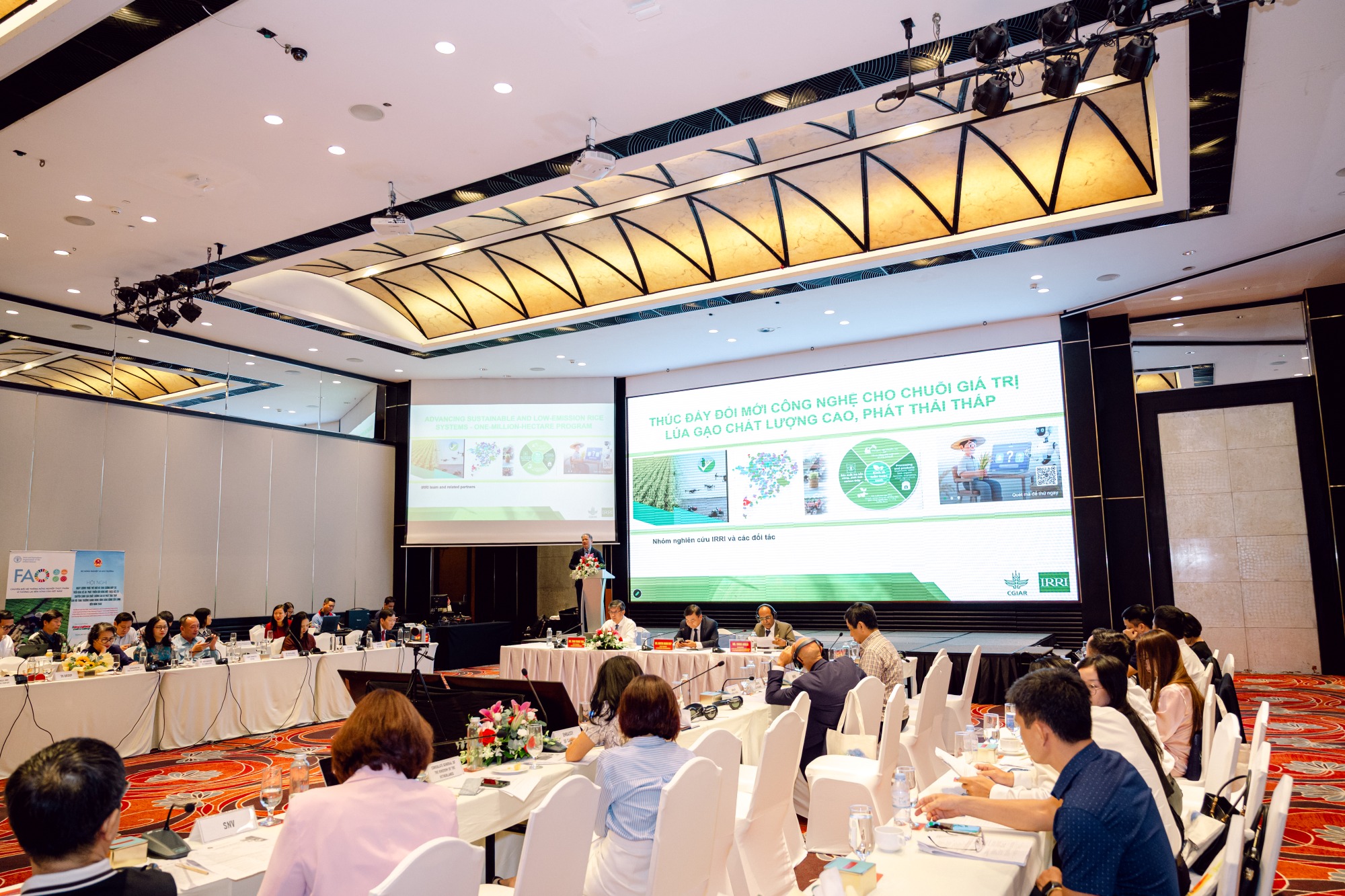
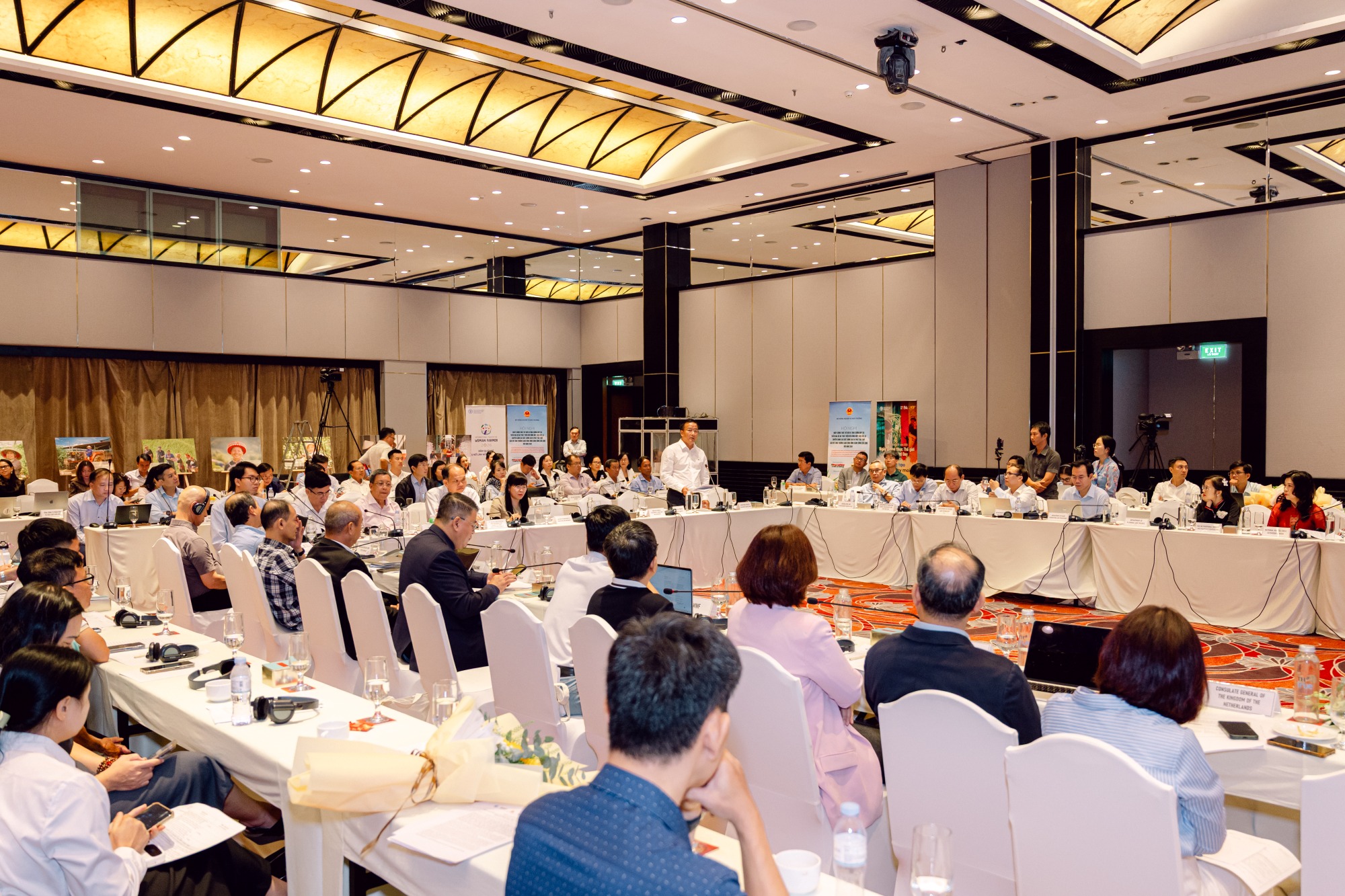
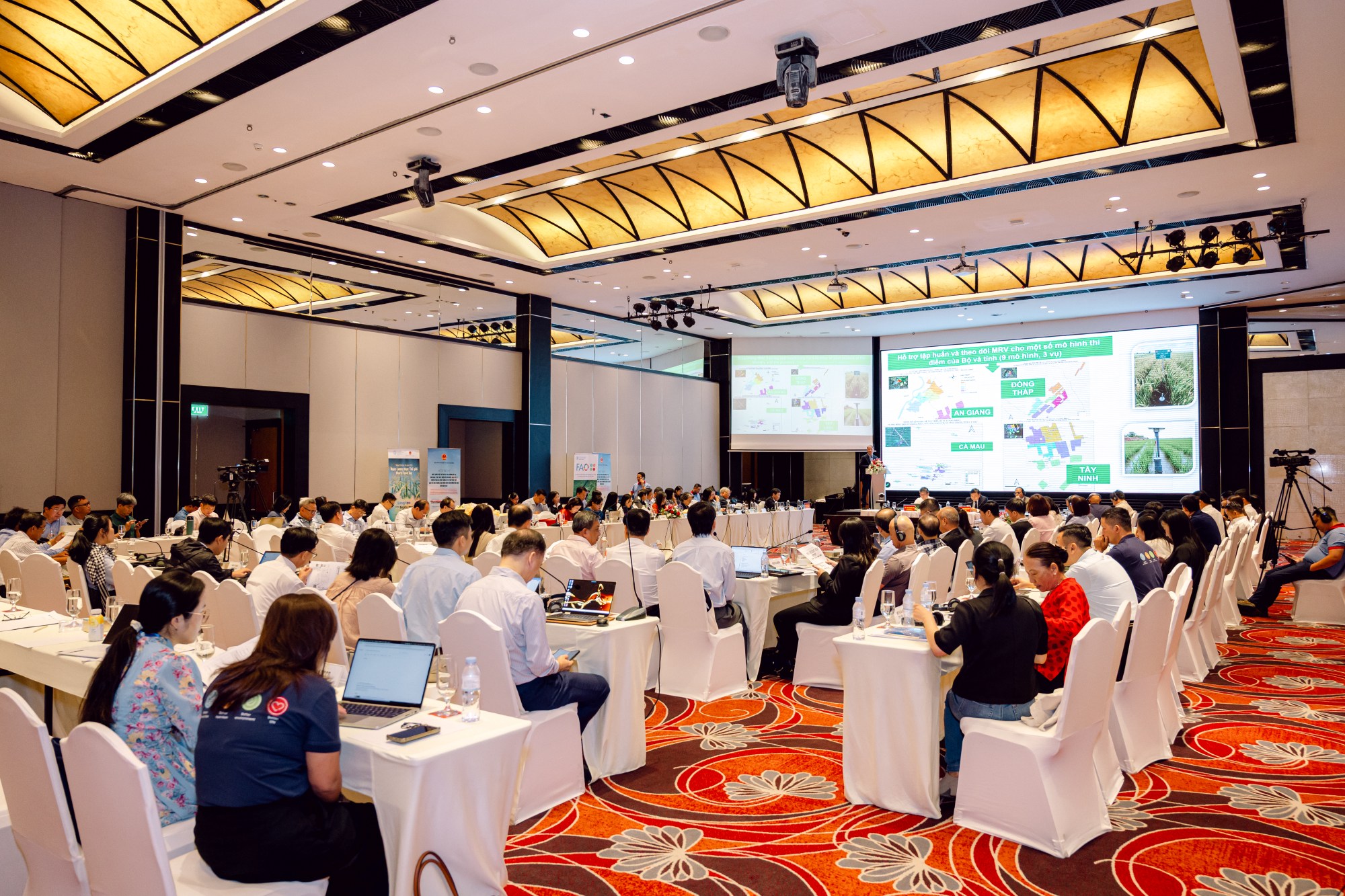
At the 2026 World Food Day Conference, the International Rice Research Institute (IRRI) highlighted how its technical support is helping advance this transformation across the Mekong Delta through the One-Million Hectare High-Quality and Low-Emission Rice Program. Organized by the Ministry of Agriculture and Environment (MAE) with the Food and Agriculture Organization of the United Nations, the conference brought together government, research, development, and private sector partners.
From August to September 2026, the program has expanded the application of sustainable practices to approximately 421,000 hectares. However, only a small share of the area had adopted the full suite of technologies and practices specified in the One-Million Hectare Program’s technical guidelines, underscoring the need to improve implementation as the program expands.
Turning research into practical solutions
IRRI works with government agencies and partners to develop, validate, and refine the project’s technical guidelines. These integrate precision crop establishment, improved nutrient management, alternate wetting and drying, rice straw management, and measures to reduce postharvest losses.
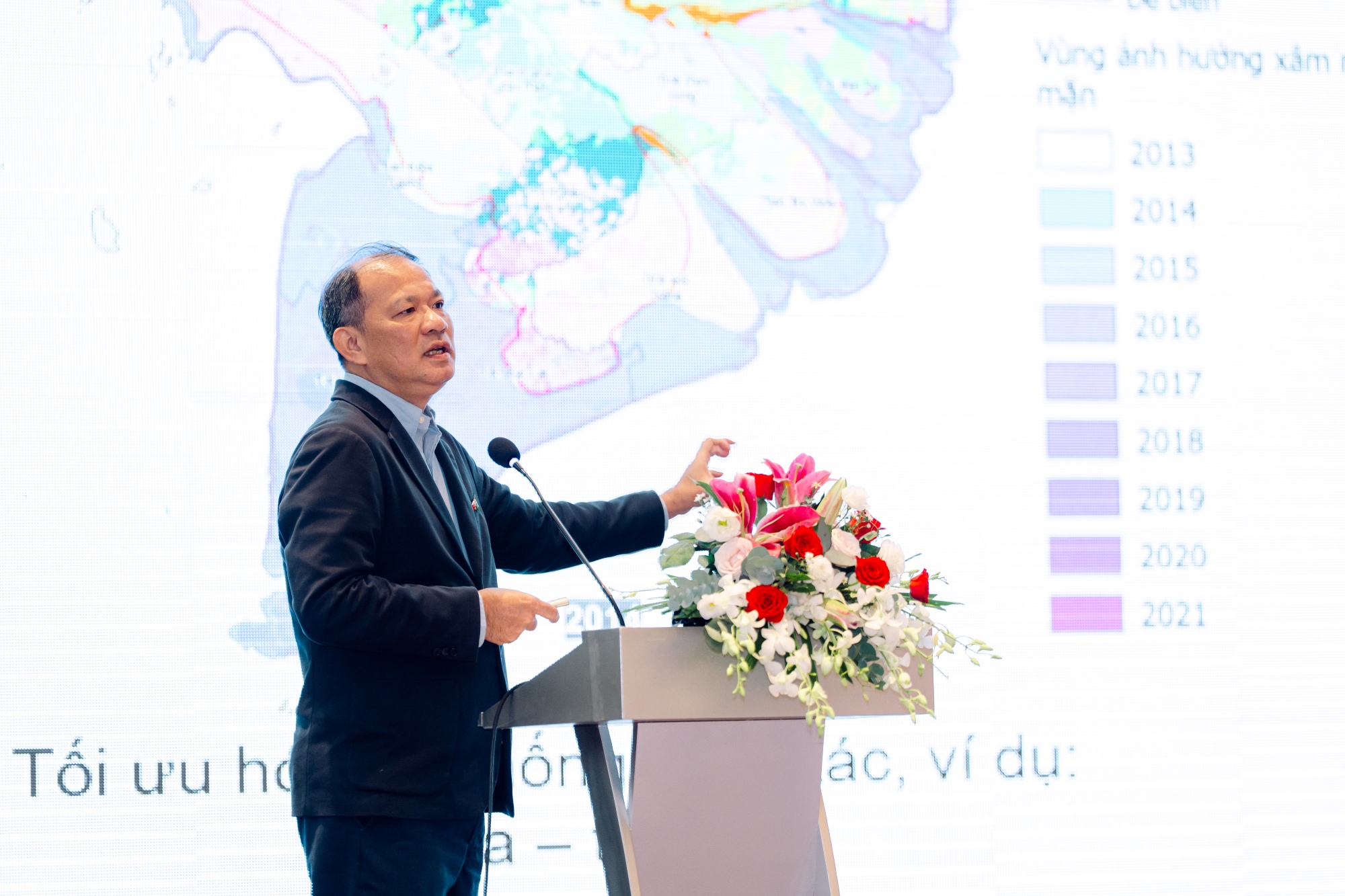
“Farmers need solutions that are affordable, practical, and profitable under their own field conditions,” said Dr. Nguyen Van Hung, IRRI scientist in Viet Nam and lead of the institute’s work supporting the program. “Our role is to generate evidence, translate it into usable guidance, and work with partners so farmers can adopt these practices with confidence.”
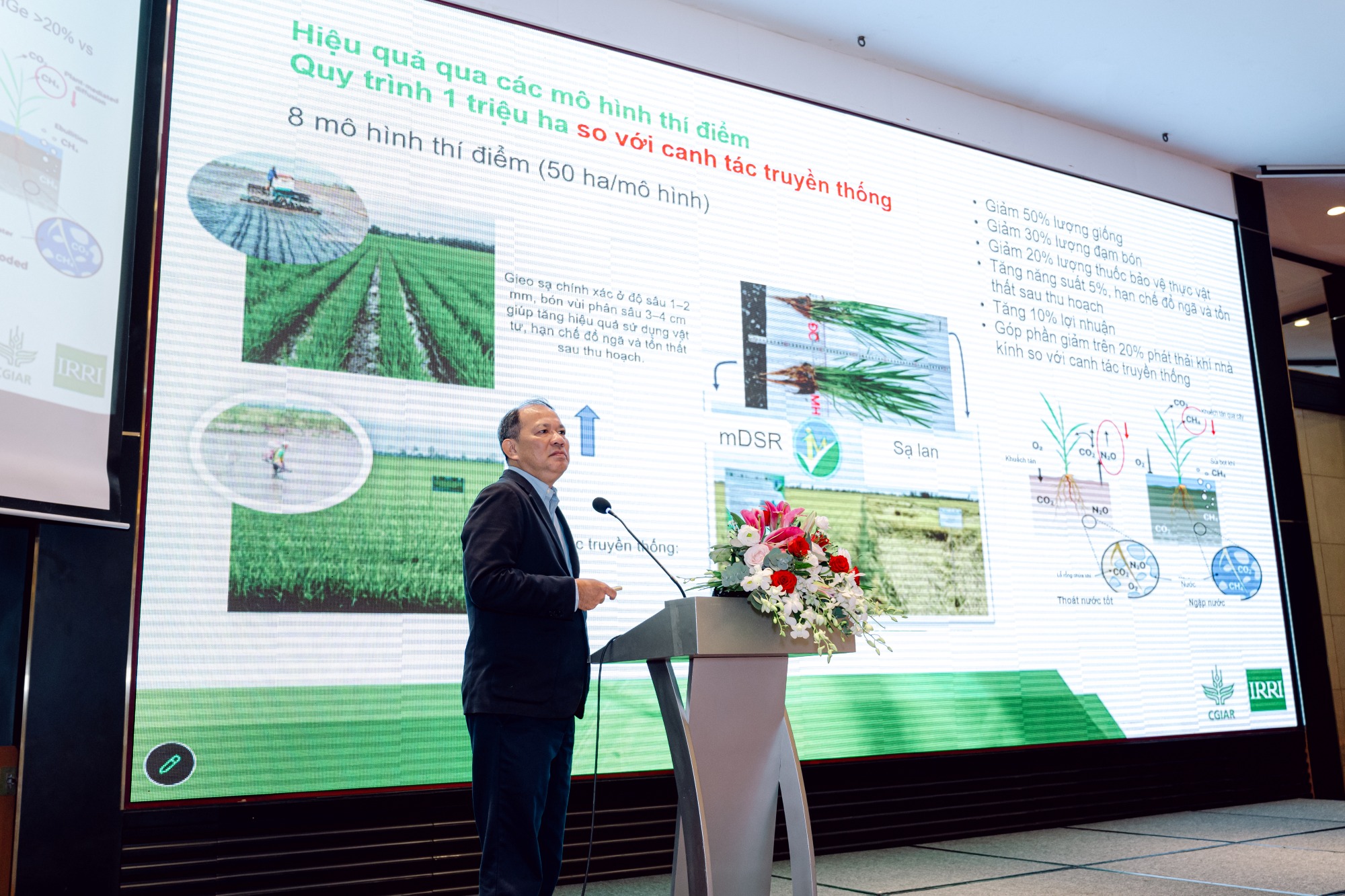
Evidence presented from eight pilot sites with approximately 50 hectares each showed the potential of mechanized direct seeding combined with fertilizer deep placement to improve farm efficiency while reducing greenhouse gas (GHG) emissions. Compared with conventional practices, these pilots reported around 50% lower seed use, 30% less nitrogen fertilizer, and 20% less pesticide, alongside approximately 5% higher yields and 10% greater profits. Greenhouse gas emissions were reduced by more than 20%.
These findings provide a basis for adapting technical recommendations to different production environments.
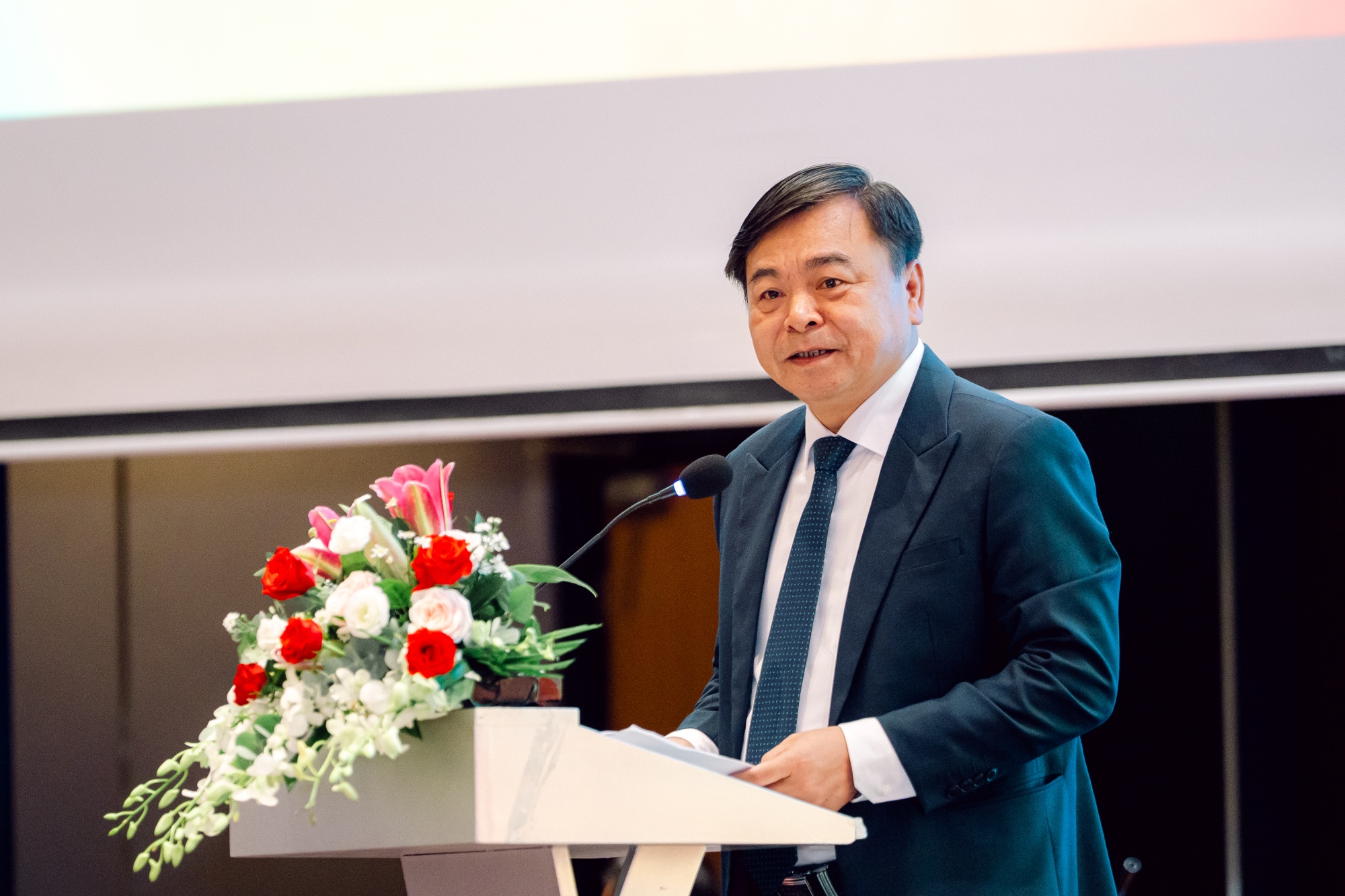
“Farmers cannot be left to bear the costs of the transition alone,” said Nguyen Hoang Hiep, Deputy Minister of MAE, at the conference. He emphasized that adopting low-emission practices must deliver fair benefits and protect farmers’ incomes.
This priority guides IRRI’s support: validating technologies that reduce production costs while strengthening the extension services, partnerships, and market connections needed for sustained adoption.
Building the capacity to scale
To extend support beyond demonstration fields, IRRI and partners use a training-of-trainers approach connecting provincial staff, commune extension officers, cooperatives, and farmers. Training networks span Can Tho, Ca Mau, An Giang, Dong Thap, Vinh Long, and Tay Ninh.
Trainers help farmers apply technical protocols, monitor compliance, and maintain farm records. Collaboration with public extension services, businesses, and farmer organizations creates additional channels for spreading knowledge and accessing services.
Digital tools complement this work through field-specific fertilizer advice, compliance assessment, and technical information. IRRI also supports measurement, reporting, and verification systems to strengthen emissions tracking and provide credible evidence of results.
Connecting adoption with lasting benefits
The next phase requires locally adapted technical packages, stronger cooperatives, reliable markets, and coordinated investment in mechanization and postharvest infrastructure.
“Scaling is about building a system that continues to support farmers after a pilot ends,” Dr. Hung said. “When technical guidance, extension, credible data, and market opportunities work together, low-emission rice production can deliver lasting benefits for farmers and the environment.”
Through these partnerships, IRRI is helping connect research with implementation, supporting Viet Nam’s transition toward a more resource-efficient and competitive rice sector while keeping farmers’ livelihoods central to the transformation.
This work is part of the USDA-funded Fertilize Right Project and the CGIAR Scaling for Impact, Sustainable Farming, and Digital Transformation science programs.