Bangladesh Advances Climate-smart Rice Systems to Address Growing Production Risks
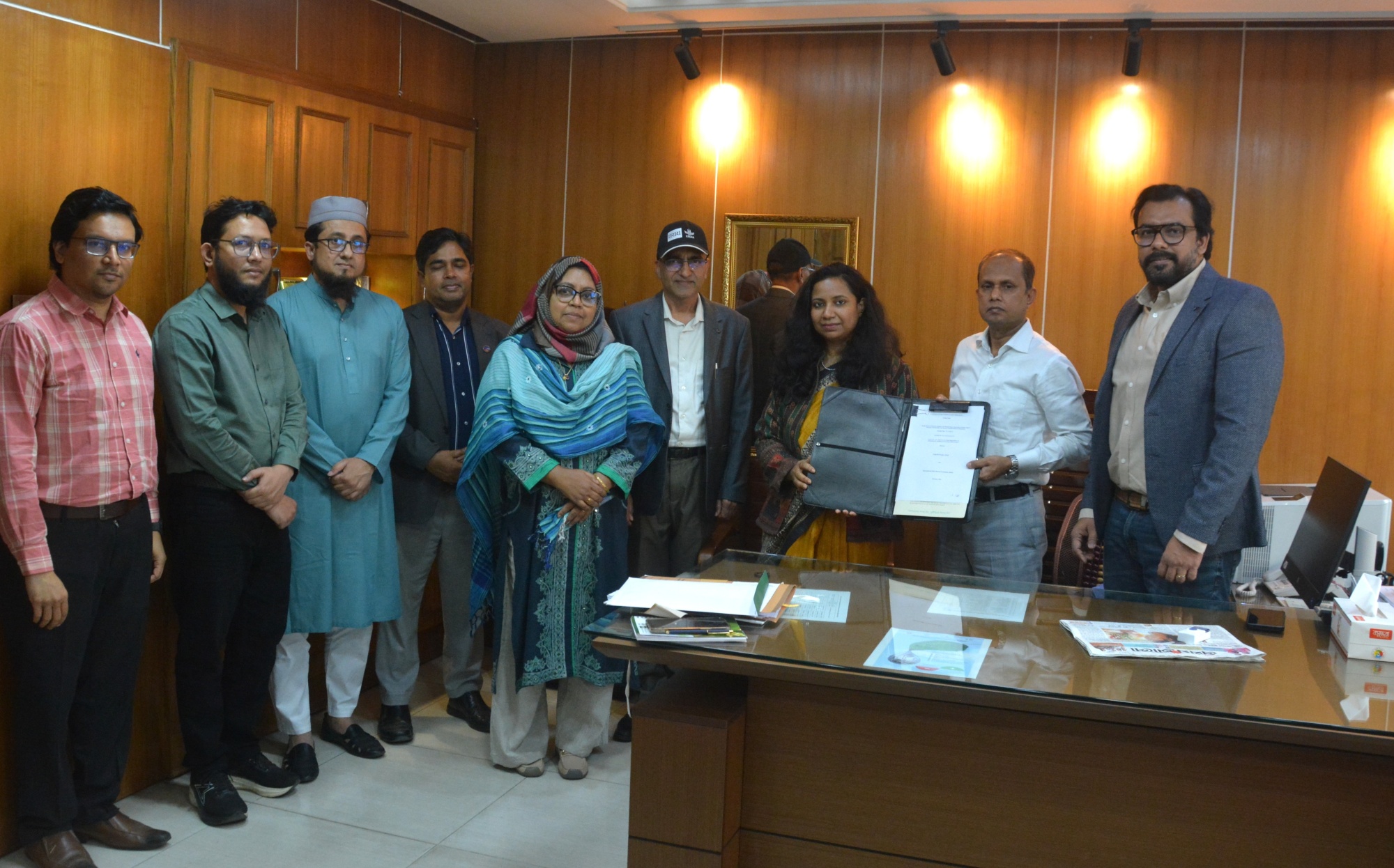
Dhaka, Bangladesh (22 February 2026) — Rice remains central to food security in Bangladesh, yet the sector increasingly faces challenges due to climate variability, groundwater depletion, soil degradation, and labor shortages. Erratic rainfall, rising temperatures, declining soil fertility, and increasing irrigation costs are affecting production stability in many regions. Farmers are also facing labor shortages and tighter margins. As production costs continue to rise and natural resources become increasingly scarce, maintaining rice productivity while minimizing environmental impact has become a national priority.
The Department of Agricultural Extension (DAE) and the International Rice Research Institute (IRRI) established a strategic partnership as part of the Technical Assistance for Repurposing of Agricultural Public Support Towards a Sustainable Food System Transformation in Bangladesh (TARAPS) Project. The collaboration, called "Advancing the Adoption of Climate-Smart Agriculture (CSA), Improved Rice Varieties, and Fourth Industrial Revolution (4IR) Practices," seeks to promote the adoption of climate-smart agricultural practices, improved rice varieties, and fourth industrial revolution innovations within rice-based farming systems.
The partnership is committed to advancing scientifically validated, economically viable, and farmer-friendly Climate-Smart Agriculture (CSA) technologies. Experience indicates that farmers tend to embrace improved practices more readily when results are demonstrated in local contexts and when extension services are equipped to provide ongoing technical support. Strengthening the connections between research, extension services, and farmers is a fundamental aspect of this initiative.
As part of our agreement, IRRI will offer technical assistance and global expertise to facilitate participatory research, implement structured Training of Trainers (ToT) programs, and enhance the integration of digital advisory tools. This collaborative effort will produce field-based evidence on CSA technologies and help translate these innovations into broader community-level adoption.
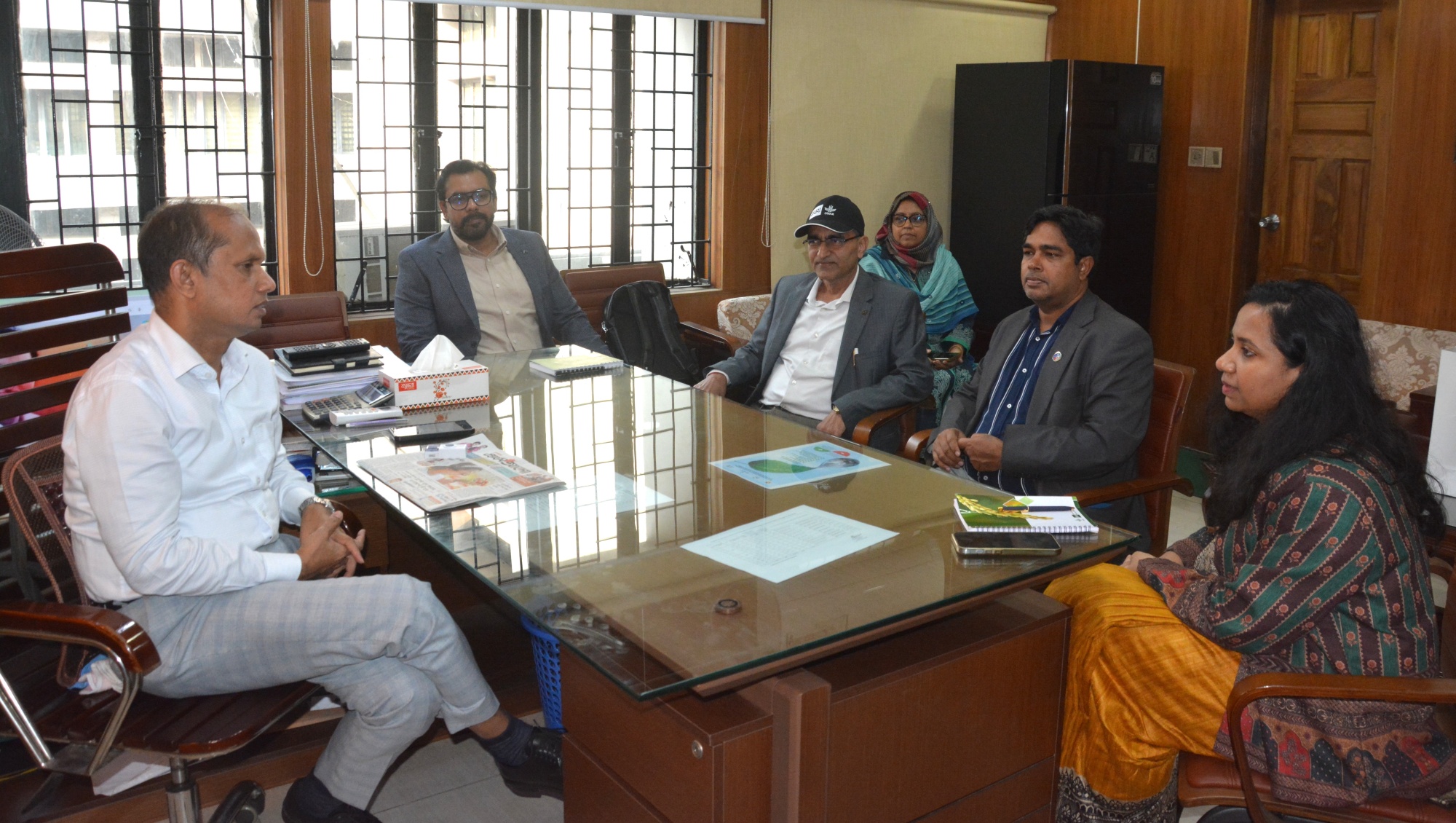
Key focus areas include expanding access to climate-resilient rice varieties, promoting water-saving and low-emission practices, reinforcing seed and input supply systems, and developing skilled local resource persons to enable effective decentralized scaling. Digital platforms will be leveraged to improve farmers’ access to timely agronomic advice and management recommendations.
The initiative aims for measurable outcomes, including a 15–20 percent increase in rice productivity and up to a 30 percent reduction in irrigation water use, along with a decrease in greenhouse gas emissions associated with rice cultivation. It also aspires to expand the adoption of climate-resilient varieties and quality seeds, enhance farmers’ access to advisory services, and ensure that CSA inputs remain available and affordable.
To track progress, the enhanced reach of CSA technologies to farmers, potential adoption rates, total area cultivated with CSA technologies, yield improvements, irrigation savings, the number of trained trainers, advisory outreach, and the strengthening of seed and input systems will be monitored.
Through efforts, the initiative seeks to foster closer coordination between DAE and IRRI, ultimately contributing to improved livelihoods for farmers, greater resource-use efficiency, and enhanced food security outcomes for Bangladesh.