Japan and IRRI advance low-carbon rice systems through upgraded GHG measurement facility
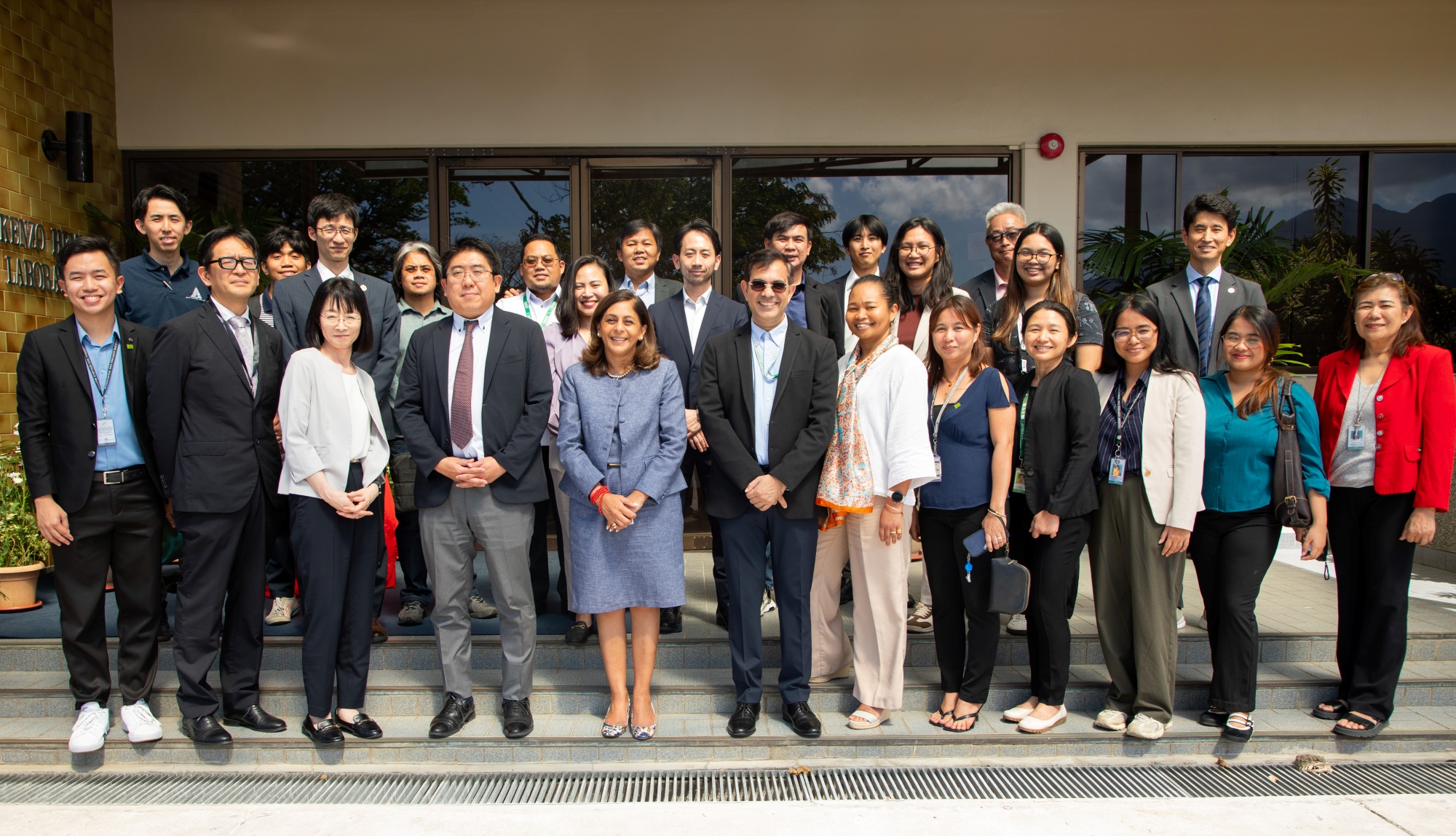
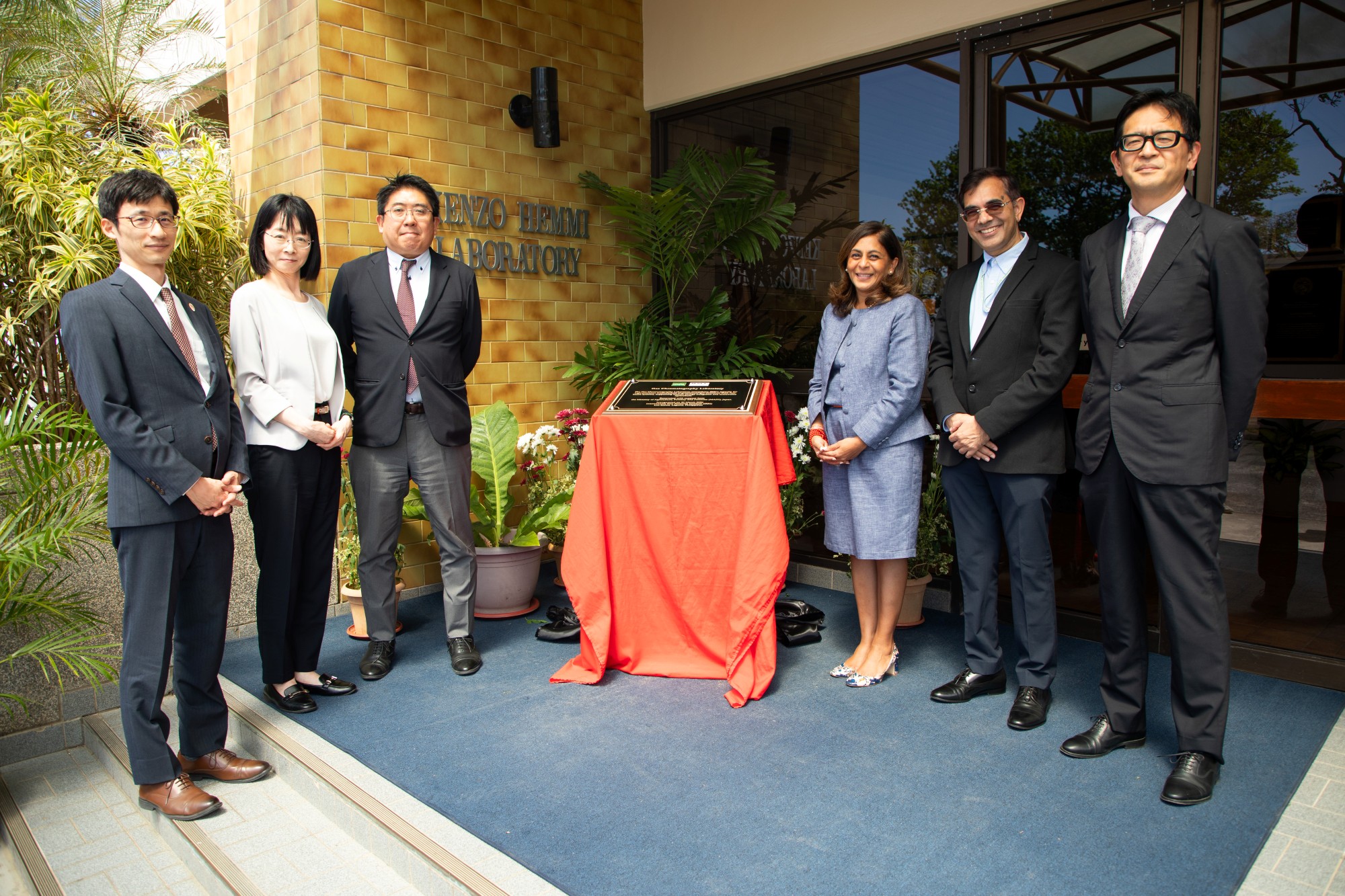
Los Baños, Philippines (20 March 2026) - The International Rice Research Institute (IRRI) has upgraded its Gas Chromatography (GC) Laboratory, strengthening its capacity to improve measurement of greenhouse gas (GHG) emissions from rice production systems.
The upgrade was carried out under the Accelerating Development and Scaling of Agricultural Innovations for Reducing GHG Emissions in ASEAN countries (AGRI) project with support from the Ministry of Agriculture, Forestry and Fisheries (MAFF) of Japan. This investment is an important step in strengthening the science needed to support low-carbon, climate-resilient rice systems.
Rice provides more than 20% of global calorie intake and remains central to food security. At the same time, rice cultivation is a significant source of greenhouse gas (GHG) emissions, particularly methane. Reducing emissions while maintaining productivity remains a major challenge.
One of the key constraints has been the lack of reliable and standardized methods to measure emissions in the field. Without accurate data, it is difficult to identify effective farming practices, compare results, or scale solutions across different contexts. The upgraded GC laboratory helps address this.
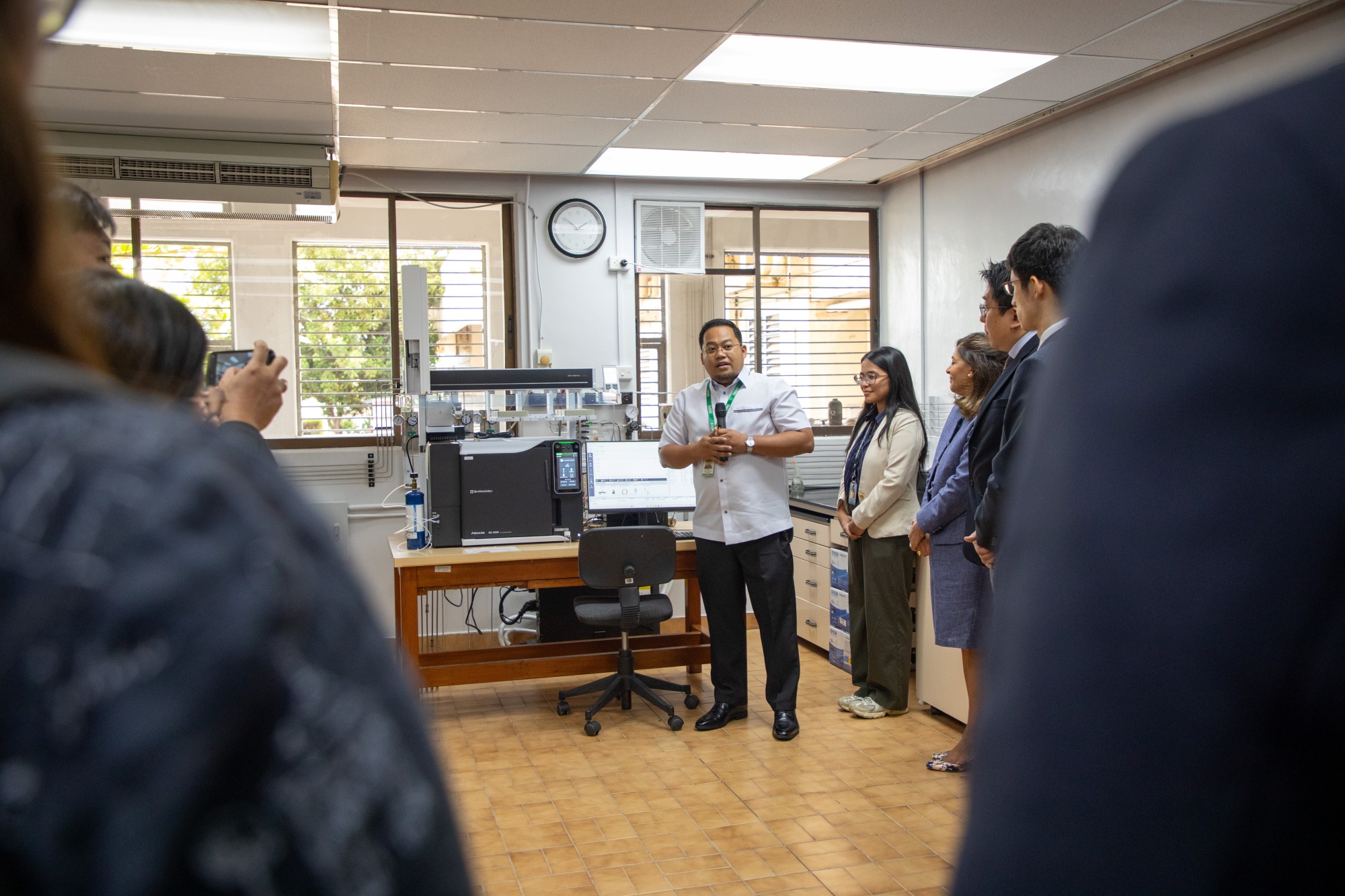
In simple terms, the GC system enables scientists to accurately measure gases released from rice fields, helping identify farming practices that can reduce emissions.
“Today we celebrate more than new equipment. We celebrate an investment in science that will help transform rice systems for a changing climate,” said Dr. Yvonne Pinto, IRRI Director General.

The facility builds on IRRI’s existing work, upgrading from earlier GC systems that required manual sample handling to four new systems equipped with autosamplers. This enhances precision, efficiency, and consistency in measurement, and strengthens IRRI’s ability to generate high-quality data to support practical, field-based solutions.
“The upgraded GC laboratory will allow us to generate high-quality, standardized data and work closely with partners to test and scale solutions that reduce emissions,” said Dr. Kazuki Saito, IRRI Senior Scientist and AGRI Project Lead.
The upgraded laboratory supports work that includes:
- Measurement of GHG from rice systems
- Capacity building for researchers and institutions
- Data sharing and collaborative research
- Data analysis and modeling to support scaling
Together, these efforts help build a stronger foundation for developing and scaling low-carbon farming practices.
Since the start of the AGRI Project in March 2025, IRRI has trained 32 participants through its GHG measurement programs in rice systems. These trainings included standardized measurement approaches and hands-on GC training. These programs brought together researchers, government staff, and partners, and focus on practical skills from field sampling to laboratory analysis and data interpretation. By strengthening both technical capacity and collaboration, IRRI is contributing to a growing network of institutions working toward more sustainable, low-carbon rice systems.
The laboratory upgrade also reflects the continued collaboration between IRRI and Japan in advancing sustainable agriculture. “Addressing climate change in agriculture requires both mitigation and adaptation,” said Mr. Satoshi Nozawa, MAFF Japan Director of Agriculture, Forestry and Fisheries Research Council Secretariat. “We expect this laboratory to strengthen regional capacity and support sustainable agricultural production.”
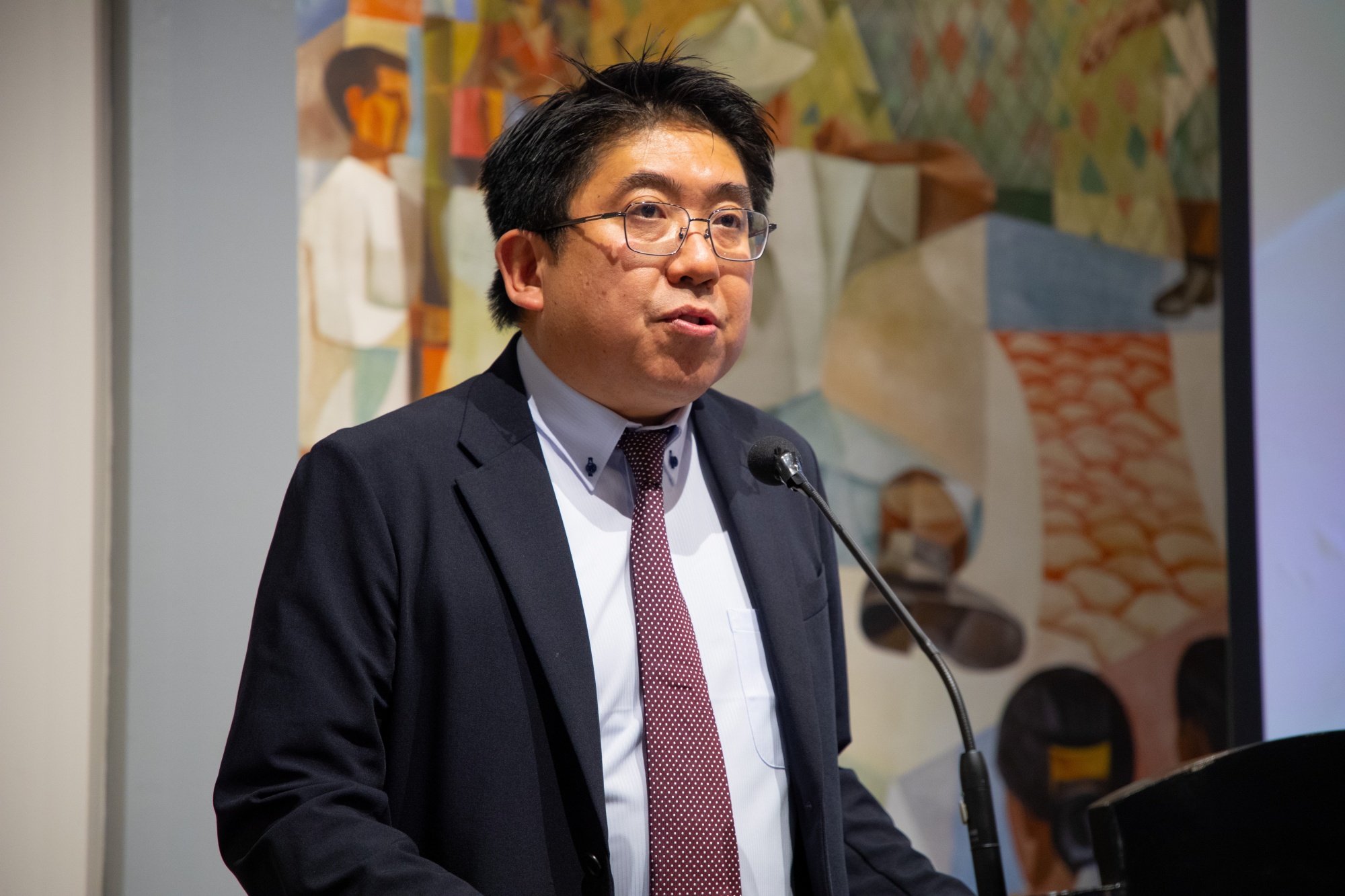
The opening brought together colleagues from government, research organizations, and the private sector, including partners exploring collaboration with IRRI on GHG measurement, capacity building, and collaborative research.
As work under the AGRI Project continues, the upgraded GC laboratory will support ongoing collaboration and new areas of joint research. Partners can work with IRRI to test and validate low-carbon farming practices, generate reliable datasets, and strengthen technical capacity through shared research and training.
With this strengthened capability, IRRI and its partners are better positioned to support countries in reducing emissions from rice production while continuing to safeguard food security.