Four New Rice Varieties Released in DR Congo to Boost Production and Food Security
Farmers in the Democratic Republic of Congo (DRC) are set to gain access to four new rice varieties developed through a regional effort to strengthen food security and accelerate agricultural innovation across the Great Lakes region.
The varieties were released under the Great Lakes Accelerated Innovation Delivery Initiative Rapid Delivery Hub (AID-I GLR), also known as the ‘Kugwiza Project,’ a partnership led by the International Rice Research Institute (IRRI) and the International Institute of Tropical Agriculture (IITA), working alongside other CGIAR centres and national partners.
The initiative seeks to improve food and nutrition outcomes in Burundi, DRC, and Rwanda by increasing access to high-yielding, climate-adapted rice varieties and supporting their rapid adoption by farmers. Overall, it aims to reach around 1.2 million households across the three countries.
The newly released varieties, called Tengetenge (IR 143725-52 RGA), Kirera Bana (IR 16M1142), Mubusi (IR 19A1137), and Rutete (IR 107015-18-3-1-B), were developed jointly at IRRI headquarters in the Philippines and at the Regional Crop Improvement Hub hosted by the University of Burundi, Africa. These four varieties add to the 56 improved varieties already released in sub-Saharan Africa (SSA) since 2011.
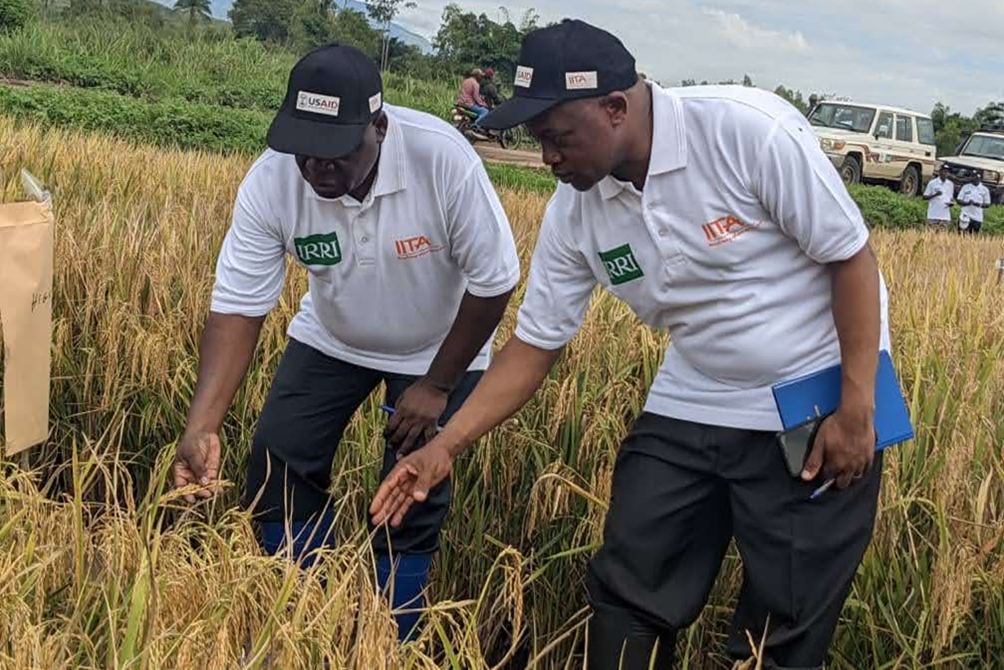
Alongside varietal development, the project established demonstration plots across different agroecological zones to allow farmers and researchers to evaluate the performance of improved rice varieties and management practices under local conditions. Attention was given to lowland and high-mid altitude areas where rice cultivation remains relatively new.
Farmers and partners also received training in rice production and irrigation management, while seed samples of promising varieties were distributed for on-farm validation and eventual scaling.
“In the DRC, the rice sector development is hindered by a lack of improved varieties. Most rice farmers use traditional rice varieties with low yield and quality,” said Dr. Joseph Bigirimana, IRRI Country Representative for Burundi and DRC.
“The newly released IRRI varieties are expected to increase productivity in irrigated lowland areas and contribute to the country's food security,” he added.
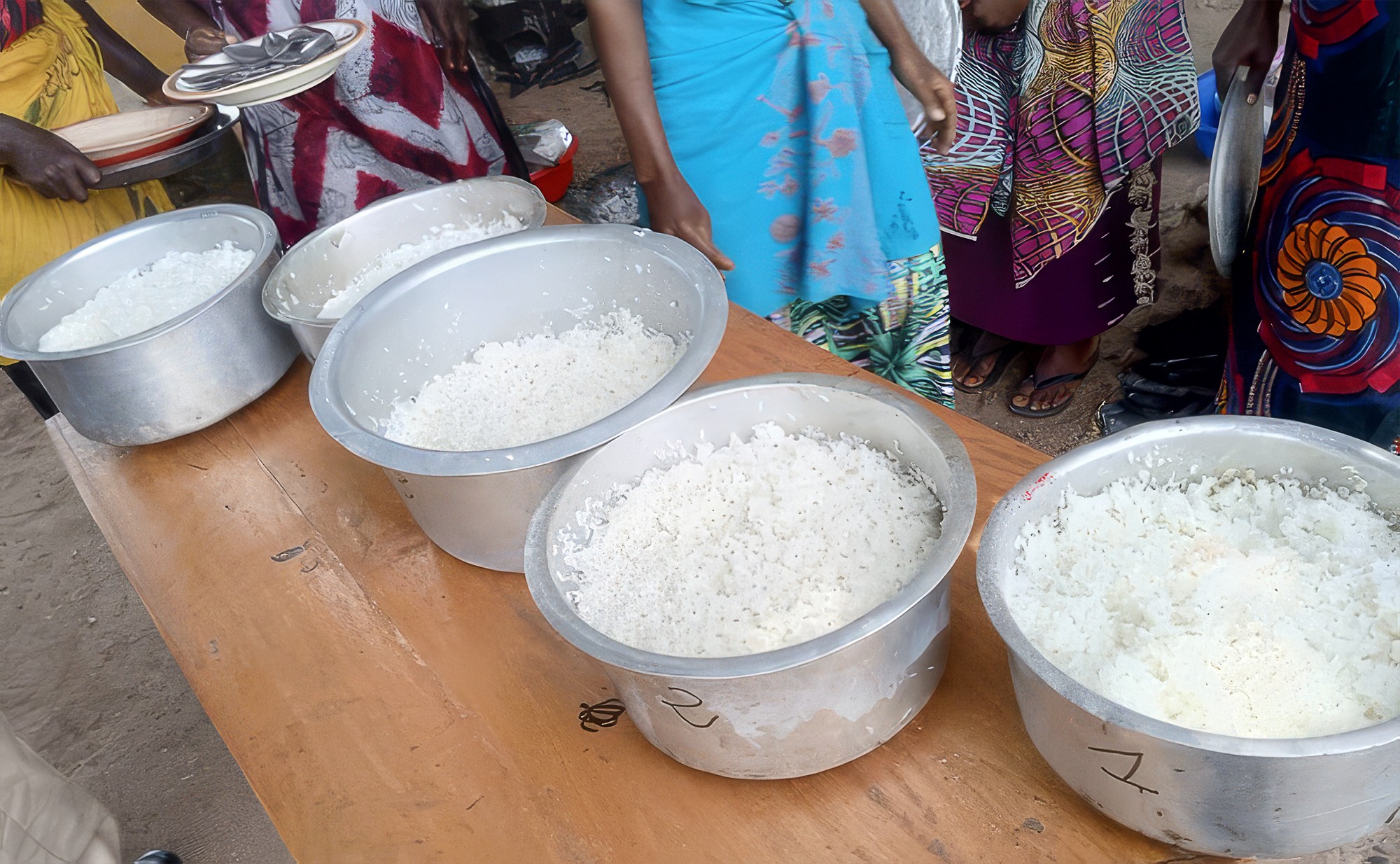
The new varieties combine higher yield potential with resistance to major rice diseases, while also delivering good milling recovery, desirable grain quality, and strong market appeal. Developed with both farmers and consumers in mind, the varieties were bred to meet regional market preferences for non-sticky grains, good cooking quality, and attractive grain color, traits that are expected to enhance farm profitability and encourage wider adoption.