India seeks faster delivery of climate-resilient and healthier rice varieties to farmers
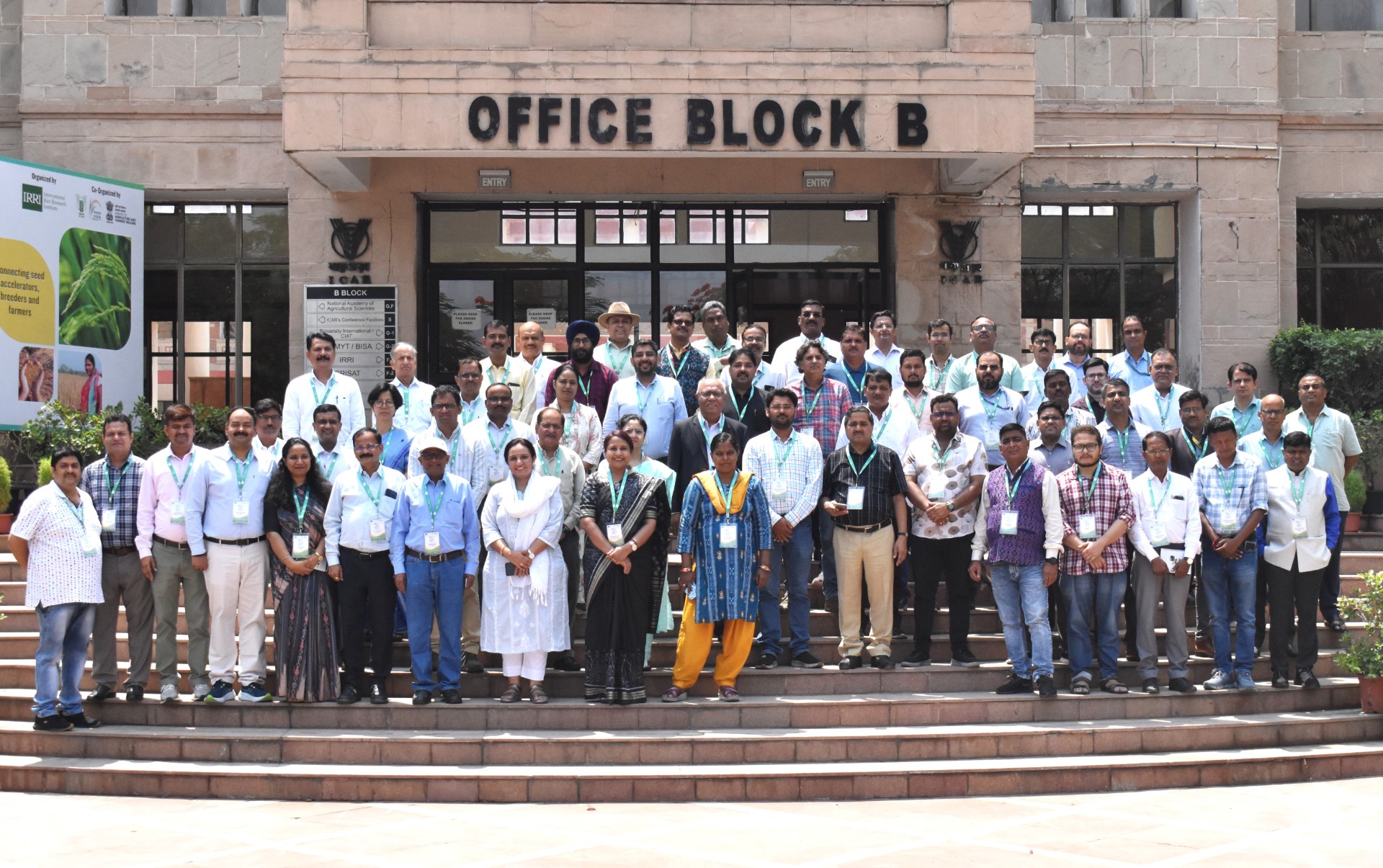
NEW DELHI, India (3 June 2026) — India must accelerate the delivery of climate-resilient and healthier rice varieties to farmers if it is to strengthen food security, improve farm resilience, and respond to the growing pressures of climate change, agricultural experts said.
The call came at Seed Accelerator Meet 3.0, organized by the International Rice Research Institute (IRRI), Indian Council of Agricultural Research–Indian Institute of Rice Research (ICAR-IIRR), and the Ministry of Agriculture & Farmers Welfare, Government of India, in New Delhi, where researchers, government agencies, seed companies, extension partners, and farmer organizations were brought together to advance the deployment of improved rice varieties.
Under the ICAR–IRRI collaborative framework and the One Rice Breeding Network, the Seed Accelerator Network (SAN) was launched in 2024 to bridge the gap between breeding innovations and farmer adoption by strengthening seed scaling systems and accelerating varietal deployment.
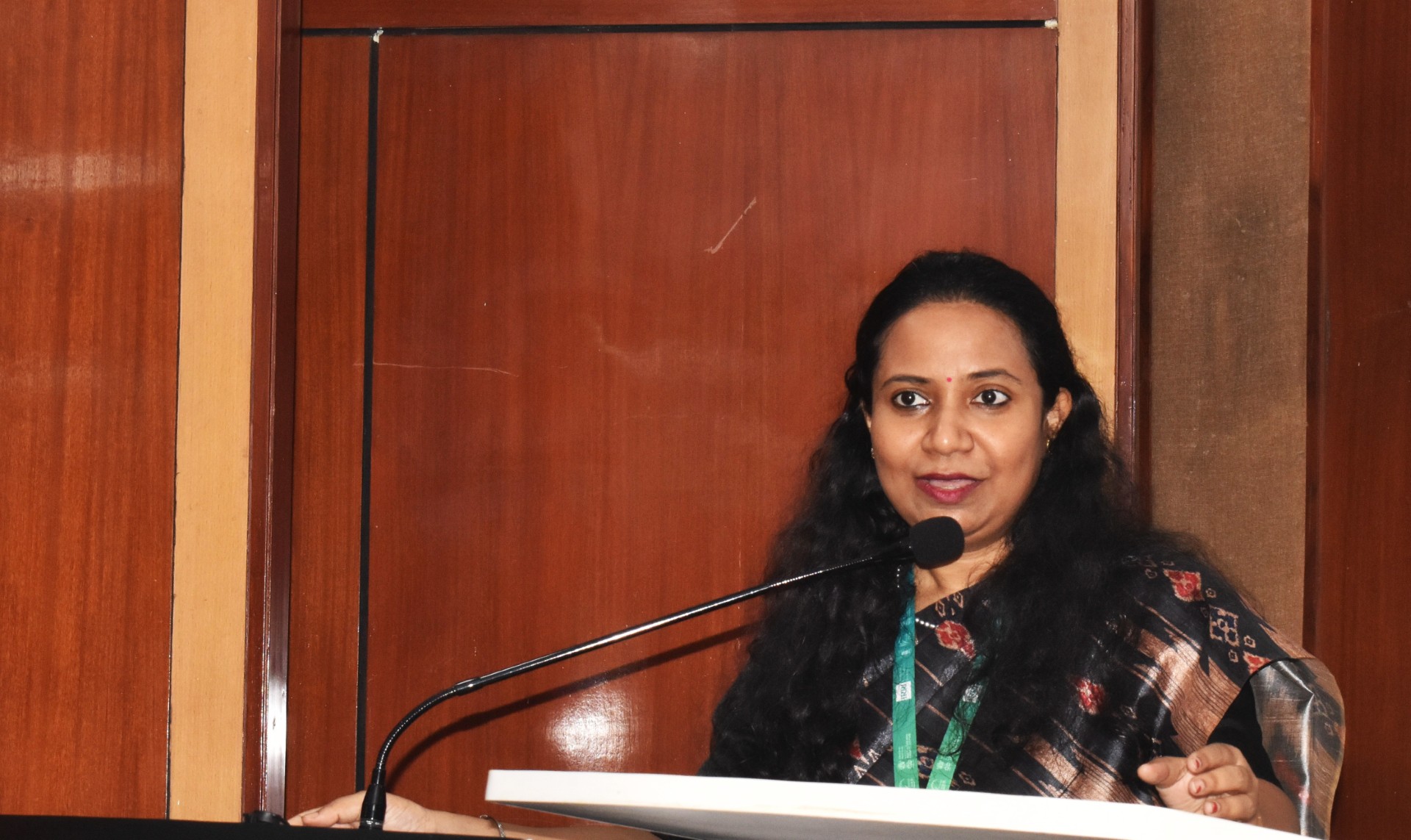
As co-convenor of SAN 2026, Dr. Swati Nayak, Lead of Seed Systems and Interim Country Manager–India at IRRI, said the forum provides a platform for public and private seed system stakeholders to share evidence from on-farm validation of new rice genetics, strengthen seed delivery systems, and forge partnerships needed to bring improved varieties to farmers faster.
“It is not enough to develop a promising modern variety; unless it reaches farmers quickly and at scale, its potential impact on livelihoods, food security, and climate resilience remains unrealized,” Dr. Nayak said.
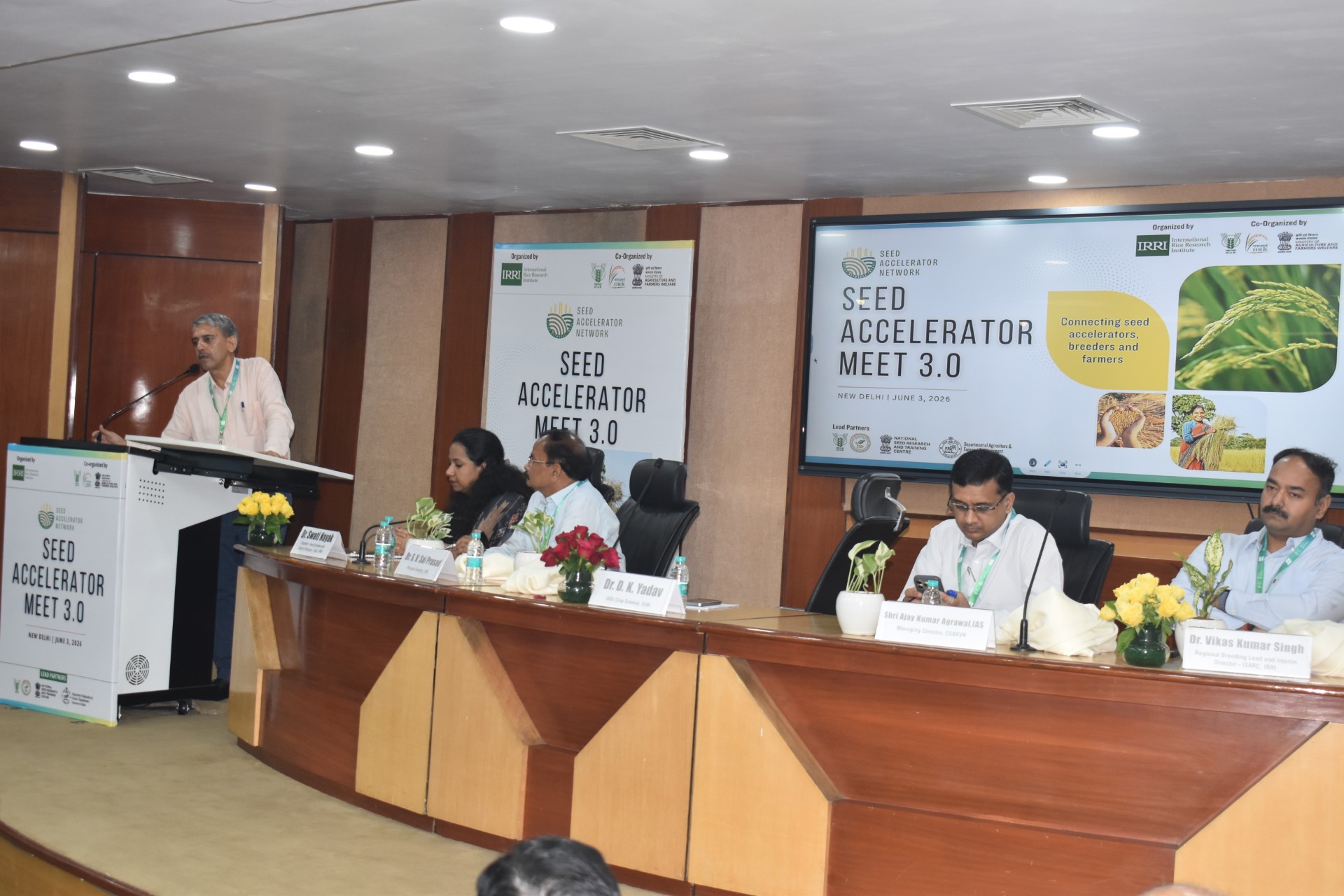
Highlighting the need for faster varietal turnover in rice, Dr. D. K. Yadav, Deputy Director General (Crop Science) at the Indian Council of Agricultural Research (ICAR), emphasized that accelerated adoption of improved varieties is critical for enhancing productivity, resilience, and national food security.
“Climate-resilient and specialty rice varieties must reach farmers faster through stronger partnerships across the seed ecosystem,” he emphasized.
Dr. S.V. Sai Prasad, Principal Scientist at ICAR-IIRR and Co-Convenor of SAN 2026, noted the importance of understanding farmer preferences when introducing new varieties.
“Varietal replacement succeeds when farmers see clear benefits and have access to seeds that meet their needs,” he noted, highlighting the role of farmer-centered approaches in speeding adoption.
Speaking about the genesis of the Seed Accelerator Network (SAN), Dr. Vikas Kumar Singh, Regional Breeding Lead and Interim Director, ISARC, IRRI, stressed that the success of rice breeding should ultimately be measured by farmer adoption and impact.
“SAN is creating the bridge between breeders and seed deployers to accelerate the scaling of superior varieties,” he remarked.
Dr. Praveen Kumar Singh, Agriculture Commissioner at the Ministry of Agriculture & Farmers Welfare, Government of India, highlighted the importance of ensuring timely access to quality seed.
“Accelerating access to quality seed is as important as developing new varieties. Strong seed systems, digital tools, and collaborative partnerships can ensure that innovations reach farmers faster,” he said.
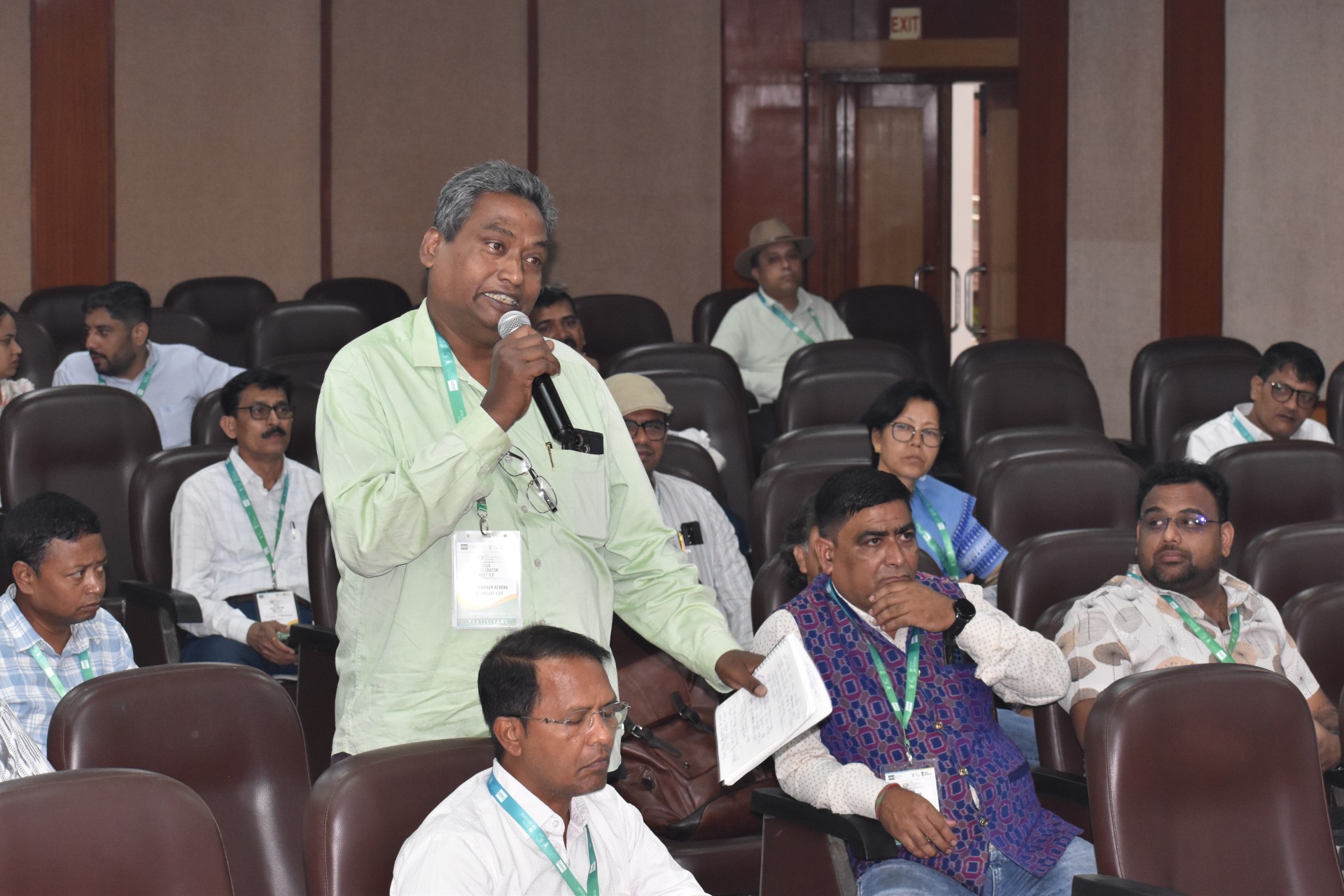
The event featured technical sessions on demand-driven varietal scaling, adaptive on-farm testing, and climate-smart rice breeding. Experts shared evidence from farmer-participatory trials and discussed strategies to strengthen seed delivery systems, improve varietal turnover, and accelerate the adoption of climate-resilient rice varieties across diverse production environments.
The meeting concluded with a call to strengthen partnerships across the seed sector so that promising rice varieties can move more quickly from breeding programs to farmers' fields. Faster adoption, participants said, will be crucial for improving resilience, supporting farmer livelihoods, and meeting future food needs.