From Innovation to Scale: ASEAN-CGIAR drives food systems transformation for regional food and nutrition security
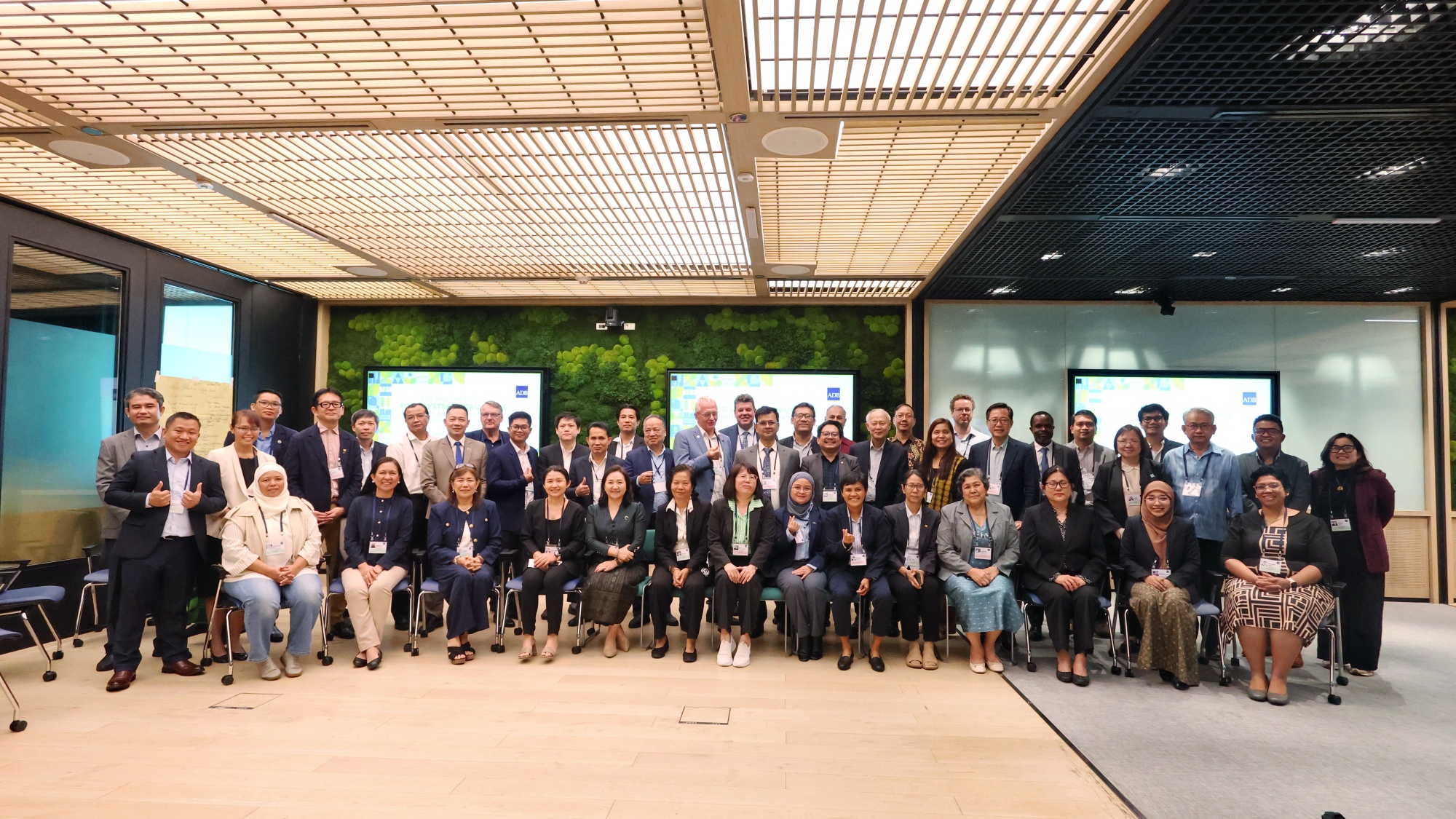
MANILA, Philippines (18-19 March 2026) — Partners of the ASEAN-CGIAR Innovate for Food and Nutrition Security Regional Program convened for a closing workshop and open forum session, marking a key milestone and transition point in the program’s first phase.
The two events brought together stakeholders from ASEAN Member States (AMS), CGIAR centers, development partners, and research organizations to reflect on progress, share lessons, and identify priorities for the program’s next phase towards scaling sustainable and climate-resilient food systems across the region.
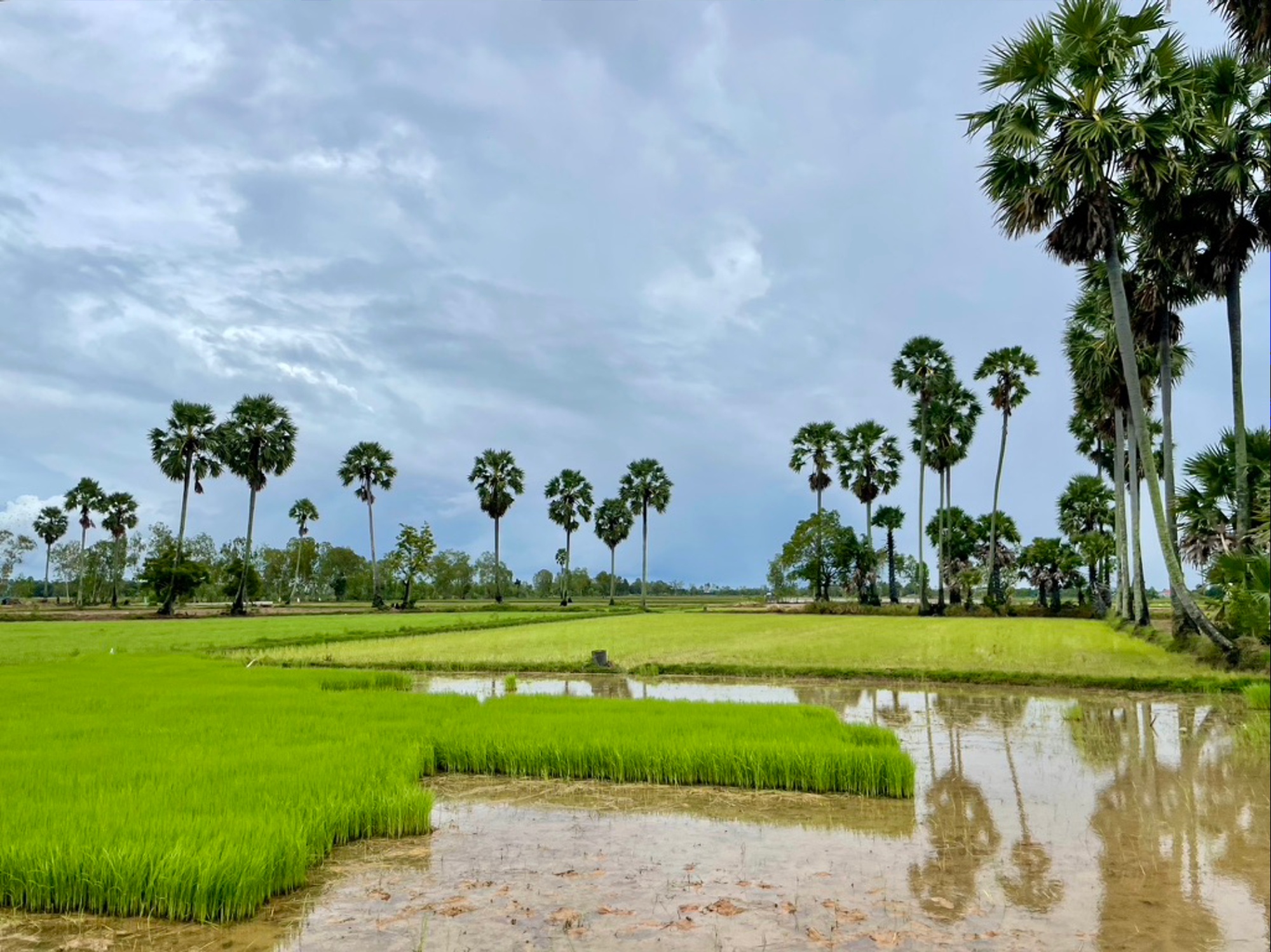
With more than 140 million hectares of agricultural land, Southeast Asia’s agri-food systems remain central to both regional and global food security, supporting more than 100 million farmers while feeding a population of over 700 million. However, the region continues to face complex, interconnected challenges, from climate change and intensifying land-use pressures to rapid rural transformation and growing trade volatility, posing risks to long-term food and nutrition security.
The ASEAN-CGIAR program was launched in 2023 to respond to these challenges by strengthening climate resilience, advancing circular and sustainable food systems, and supporting post-pandemic recovery and long-term transformation across the region.
In this context, regenerative, agroecological, and nature-based approaches were considered pathways to improve productivity while strengthening resilience and environmental services. These approaches are expected to guide the thematic focus of the program’s next phase.
Integrating innovations across the region
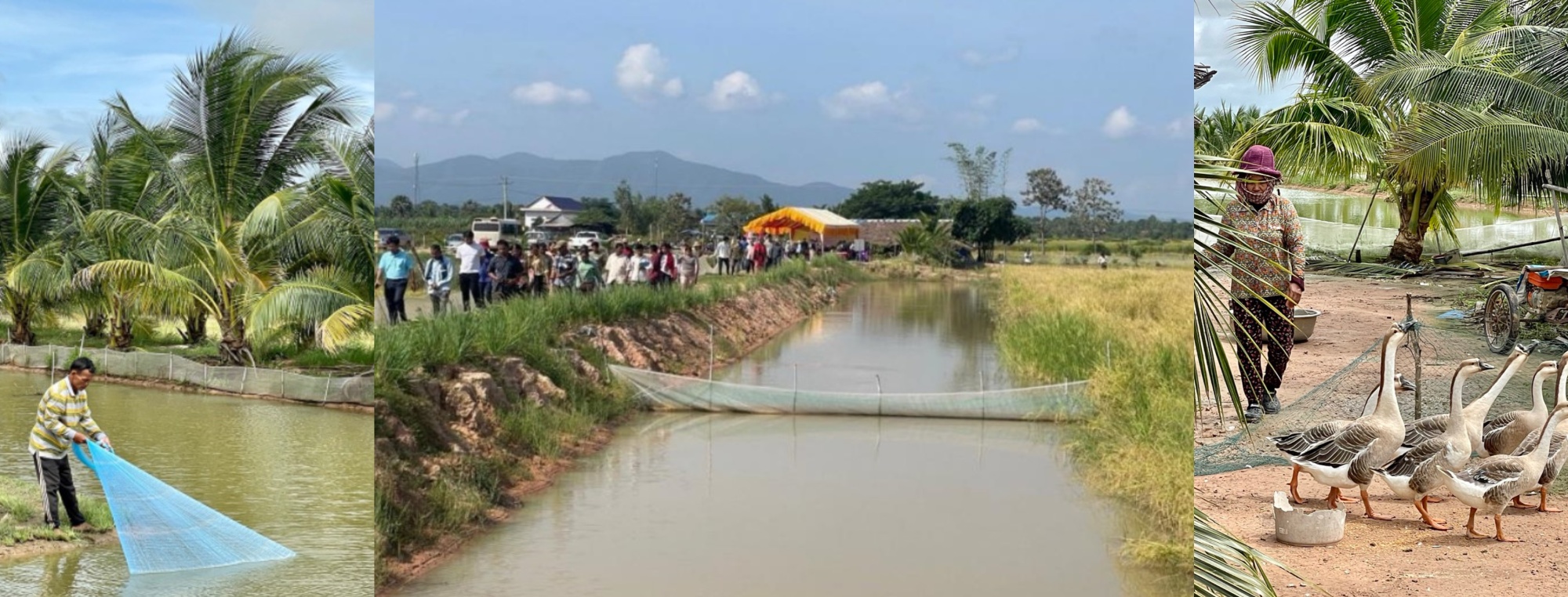
Since its launch, the program has developed a portfolio of 39 innovations at varying stages of maturity under its intervention areas, including regenerative agriculture, climate-neutral and circular production, agrobiodiversity, enhanced value chains, transboundary pests and diseases, financing, irrigation, and climate-resilient agri-food systems, and health and nutrition.
“For over three years, we have already identified scalable innovations—some are transitioning to scale, and others are currently being scaled,” shares Dr. Kazuki Saito, Program Director and IRRI Senior Scientist. “These innovations are shaped by country demand and priorities, ensuring they respond to real-world needs across diverse agri-food systems,” he added.
Several of them have already demonstrated tangible benefits:
- Pilot sites of rice-fish system improved rice yields by 400–1,205 kg/ha, produced 150–900 kg/ha of fish, and increased profit by 1,672 USD/ha compared to monocrop rice.
- Version 2.2 of the Sustainable Rice Platform (SRP) data collection tool covered over 90,000 hectares aligned with SRP standards, with 34 verified producer groups in 11 countries.
- USD 2.7 million was mobilized to strengthen greenhouse gas (GHG) measurement capacity in rice systems.
- Investment opportunities for regeneratively produced foods in school meal programs have been identified in Cambodia, Indonesia, Lao PDR and Thailand.
- One Health Villages in Vietnam and Lao PDR have benefitted over 1,000 community members and 100 students/lecturers.
- Rice-mungbean-watermelon system reduced key pests by 28%, lowered GHG emissions by 48%, and increased profitability by 3.3 times.
- A collaboration with the Agricultural and Rural Development Bank (ARDB) in Cambodia piloted bundled climate-smart agriculture (CSA) loans targeting small-scale women farmers.
- A web-based farmer-led irrigation (FLI) mapping tool has identified high-potential areas for irrigation expansion in Cambodia and Lao PDR.
- Food system profiles developed for Vietnam, Cambodia, and the Philippines are supporting more informed policy decisions.
Despite these gains, many innovations are still at early or intermediate stages of scaling. To address this, the program has identified key “innovation gaps” to help translate promising solutions into investable and scalable models.
“These will be integrated into socio-technical innovation bundles, where technology, policy support, financing, and advisory services come together with targeted investment proposals for context-specific scaling,” said IP1+ Convener Dr. Edward Allison of WorldFish. He also emphasized the importance of ensuring these approaches are inclusive, particularly for women and youth.
Progress and Priorities for Scaling Regenerative Agriculture
At the ADB Asia and the Pacific Food Systems Forum 2026, the program’s open session “From Innovation to Impact: Scaling Regenerative Agriculture,” put the spotlight on accelerating the adoption of regenerative agriculture and aligning future collaborative efforts with the ASEAN Food, Agriculture and Forestry Sectoral Plan 2026–2030.
In his message of support, Mr. Lloyd Cameron, Economic and Climate Counsellor at the UK Foreign, Commonwealth & Development Office (FCDO) emphasized the need for concise, science-based, and policy-ready recommendations that align with economic and policy priorities to better engage with decision makers and investors.
Market systems were also highlighted as critical to scaling efforts. Ms. Tuyen Thi Thanh Huynh, Team Lead for Food Environment and Consumer Behavior at the Alliance of Bioversity International and CIAT (Alliance-CIAT) underscored the role of market intermediaries in linking producers to markets, ensuring quality standards, and facilitating value chain coordination.
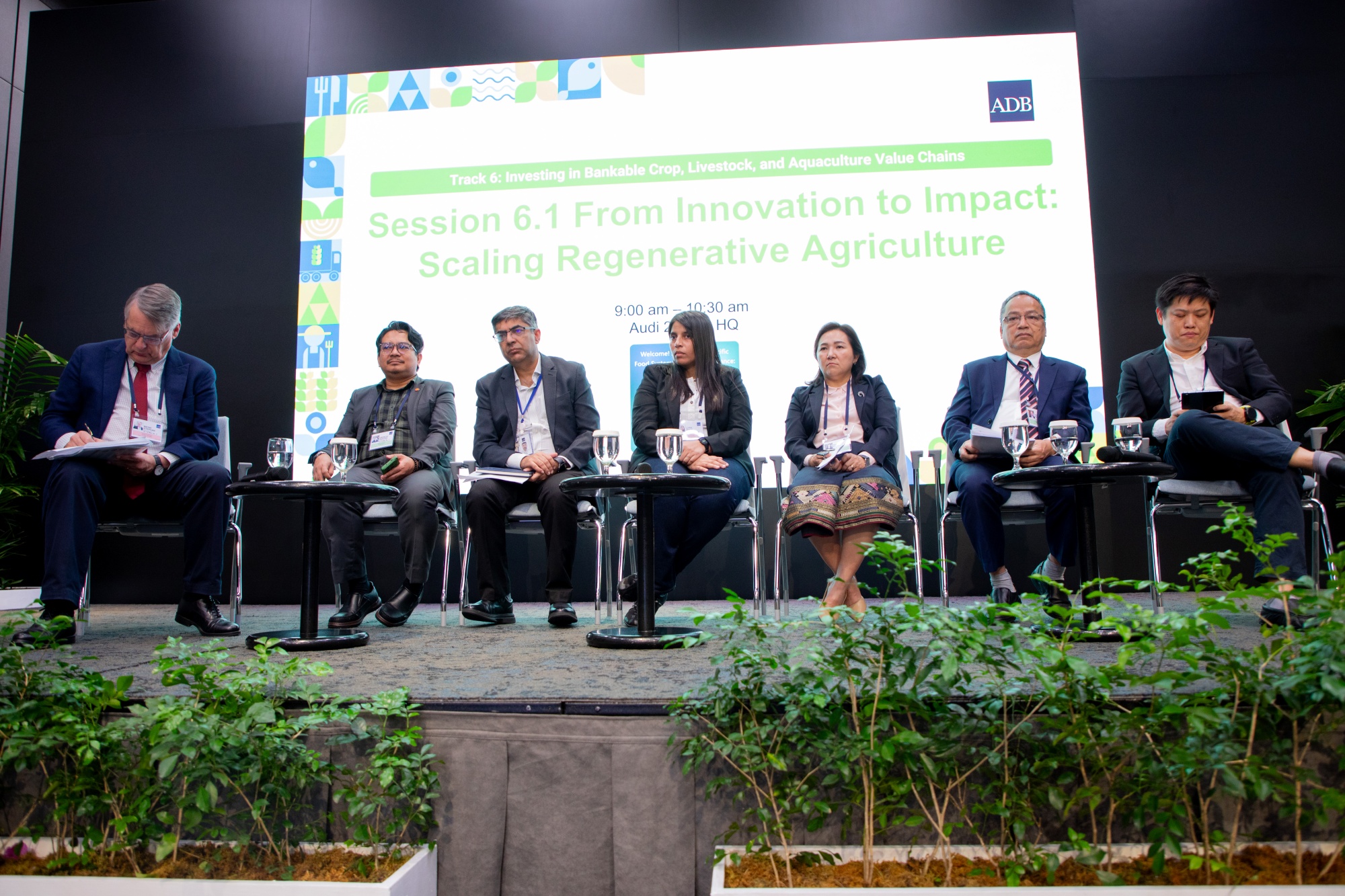
Country perspectives during the panel discussion reinforced these themes. Kinnaly Phommasack of Lao PDR, Tran Van The of Vietnam, and Sumit Pokhrel of the Asian Development Bank highlighted the importance of diagnostics, project preparation, and financial structuring to support investments. Lyra Christina Pinto of South Pole pointed to private sector priorities such as traceability, supply chain security, and alignment with sustainability standards as key to investment decisions.
Building on its first phase, the ASEAN-CGIAR program is now focusing on how to scale what has been developed through stronger investment pathways, close alignment with policy priorities, and wider uptake across AMS, including engagement with development partners and the private sector.
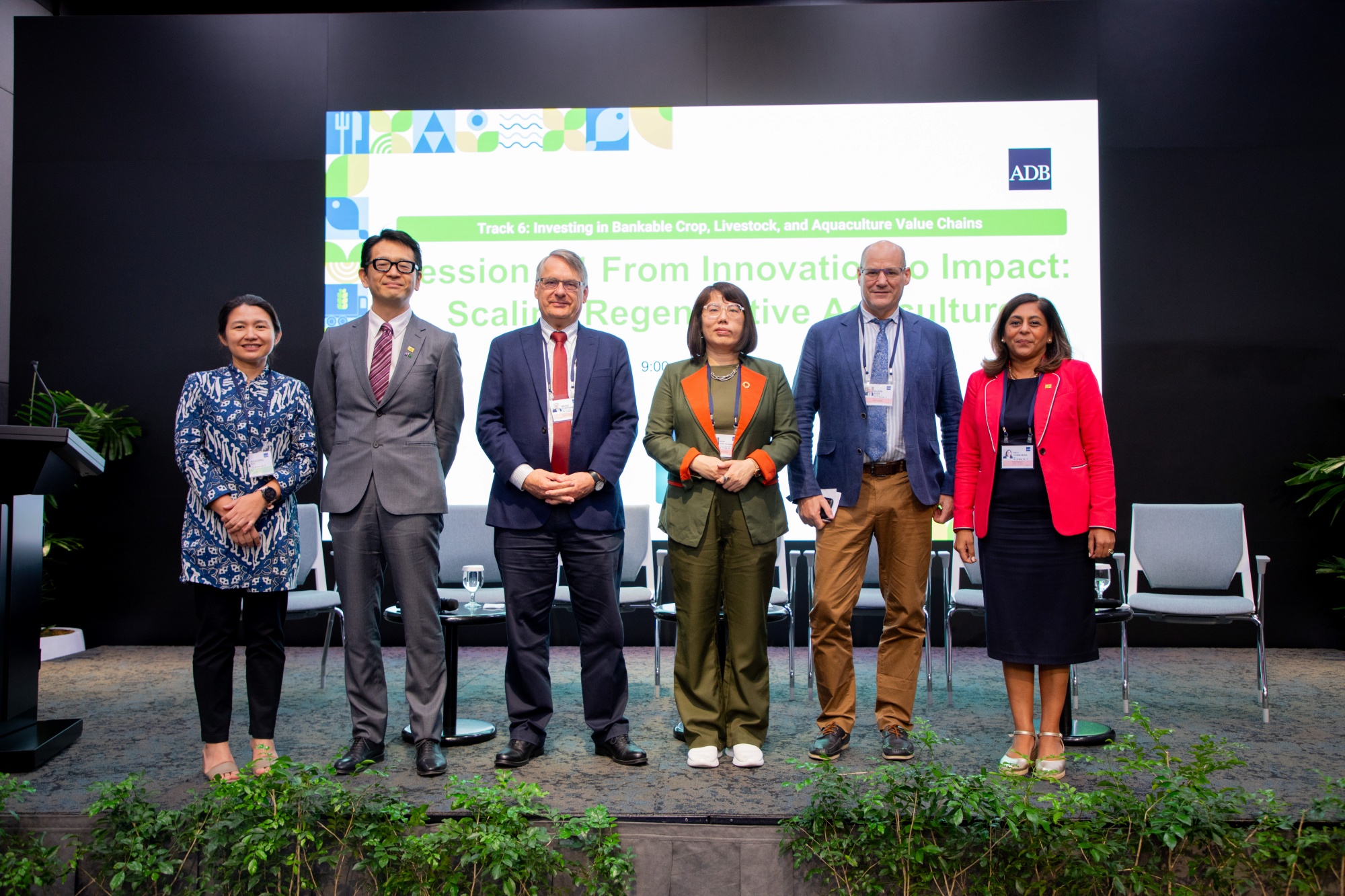
Dr. Pedcris Orencio, Senior Officer at the ASEAN Secretariat said that regional frameworks will play an important role in aligning priorities across AMS, while noting the need to adapt the implementation to national context.
With the next phase in sight, the ASEAN-CGIAR program is shifting its focus from refining its innovation portfolio to translating scaling pathways into action, highlighting investment readiness, policy alignment, and system-wide uptake.
The ASEAN-CGIAR Innovate for Food and Nutrition Security Regional Program is made possible under the support of the UK FCDO, Japan’s Ministry of Agriculture, Forestry, and Fisheries (MAFF), and Australian Center for International Agricultural Research (ACIAR) through the Australian Aid.