IRRI and BASF expand research into soil carbon to advance low-emission rice
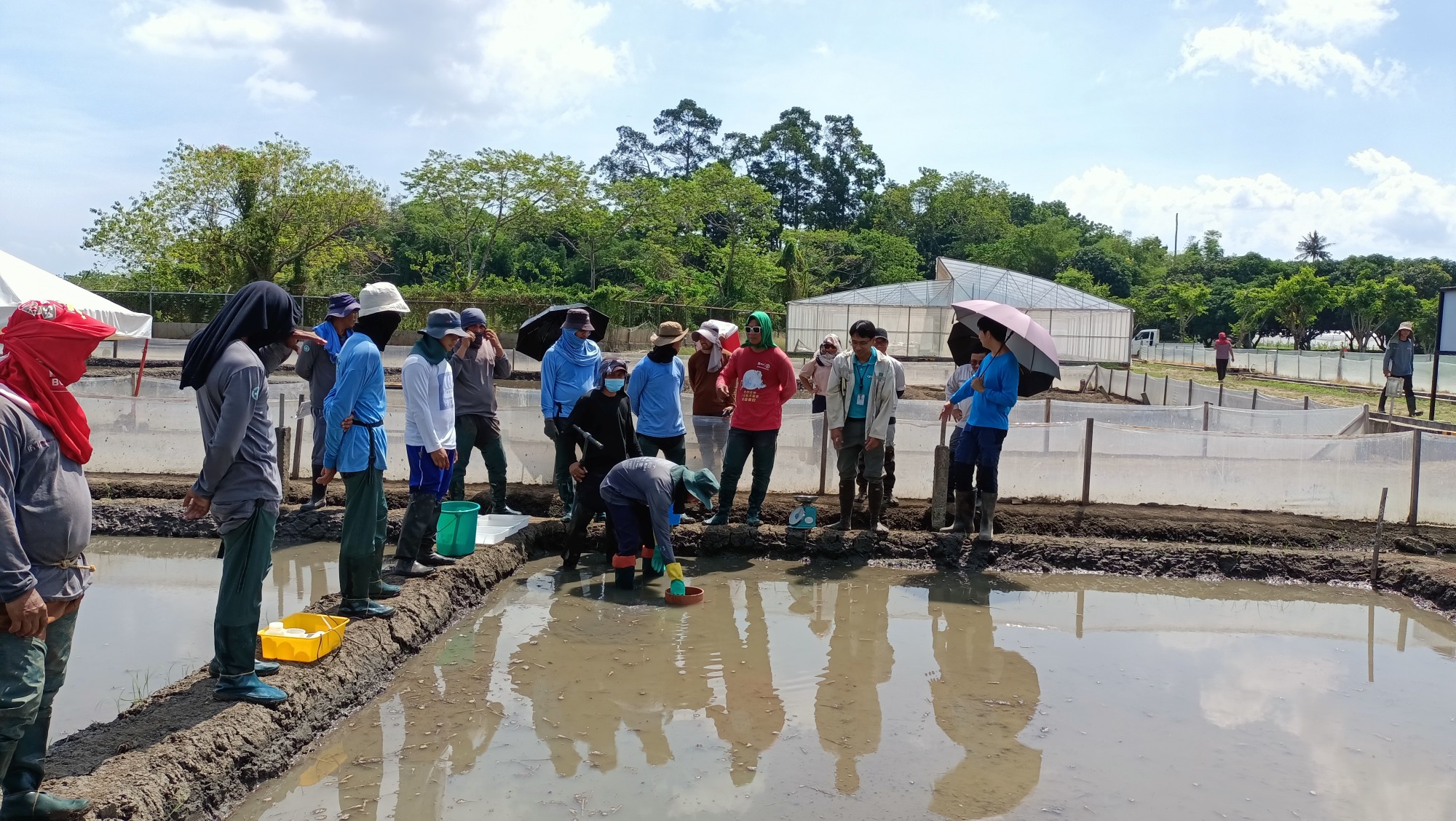
LOS BAÑOS, Philippines (1 October 2026) — The International Rice Research Institute (IRRI) and BASF have officially launched the second phase of the OPTIMA (Optimizing Management for Reduction of GHG in Rice) project, taking forward its research on low-emission innovations and technologies to examine their effects on soil carbon and soil health and strengthen the long-term climate resilience of rice production.
This second phase builds on findings from the first phase, which quantified the integrated benefits of direct-seeded rice and improved nutrient management combined with alternate wetting and drying (AWD), showing how they reduce water use and greenhouse gas emissions without compromising rice yields. AWD is a water-saving technique, which allows rice fields to dry periodically instead of remaining continuously flooded.
OPTIMA Phase 1 also demonstrated the ORYZA rice model’s effectiveness in accounting for water dynamics in predicting methane emissions patterns and variability among rice ecosystems, confirming the potential use of the model in greenhouse gas quantification and carbon farming applications.
“OPTIMA 1 has established that the ORYZA model is a useful tool to quantify climate benefits of AWD. Our next step is to understand what its effect in the long term on the system sustainability are, particularly for soil health and soil carbon dynamics. OPTIMA 2 will help us examine whether low emissions practices can support long-term sustainability, while considering potential trade-offs,” said Ligia Bacchereti Azevedo, BASF’s Senior Sustainability Manager for Agricultural Solutions, during the project’s kickoff meeting.
Soil organic carbon changes depending on how often rice is grown, how crop residues are managed, and whether organic amendments are added to the soil. When drying events are introduced in conventionally flooded rice systems, microorganisms break down soil organic matter and release carbon dioxide (CO₂). This process may stimulate soil carbon destabilization, increasing the risk of carbon loss and reducing the stock of soil carbon over time (also known as “carbon sequestration”).
As rice farming shifts toward lower-emission practices, understanding the trade-offs between soil carbon loss and carbon sequestration is critical to delivering integrated solutions that will sustain both environmental benefits and farmer productivity.
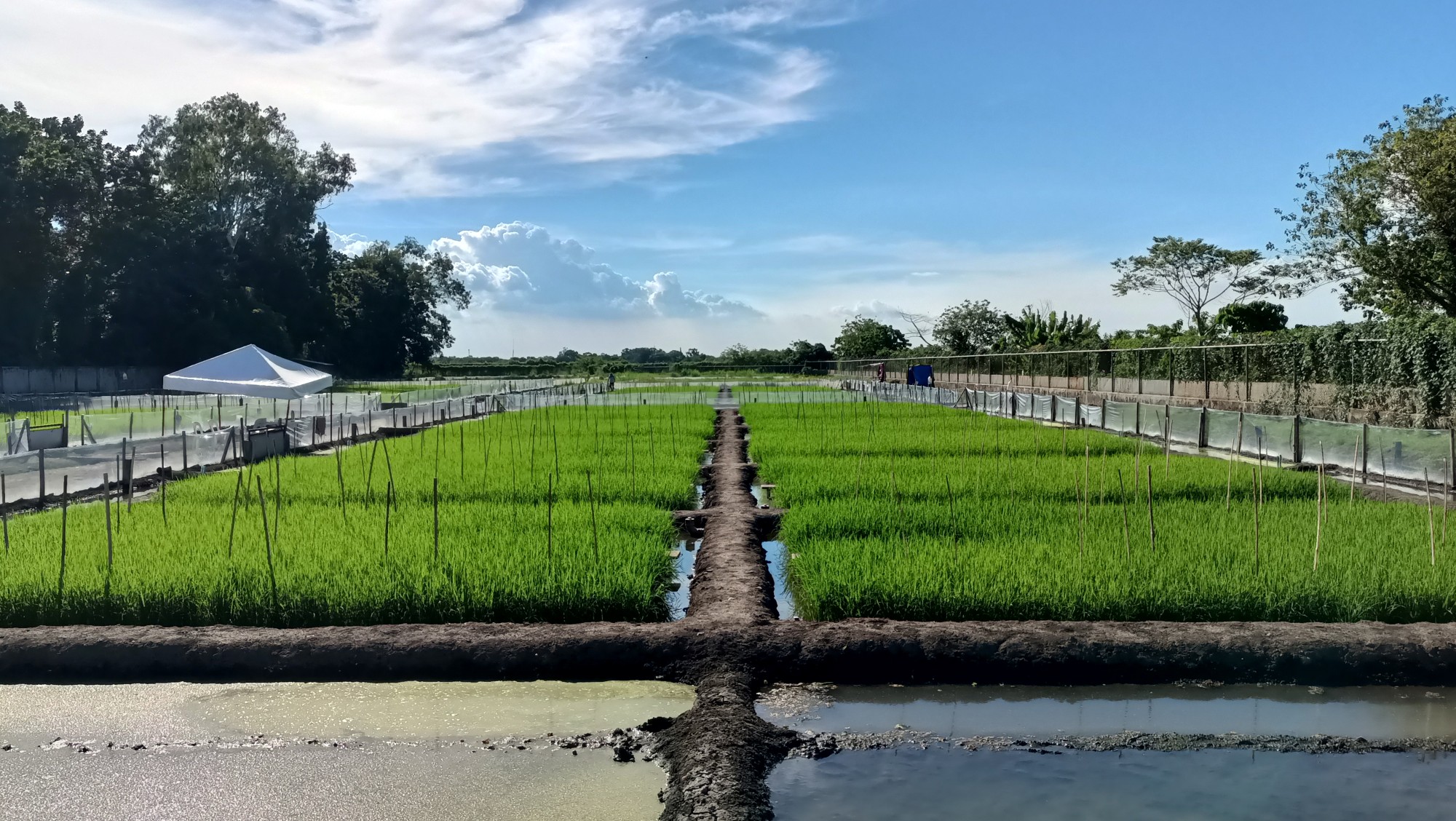
Exploring climate solutions deeper into the soil
Set to run for two years, OPTIMA 2 will examine how different AWD practices affect soil carbon, how straw and biochar interact with AWD to influence productivity and carbon accumulation. The project will continue to advance the efforts invested in improving the reliability of the ORYZA model to simulate these effects over the short, medium, and long term. Furthermore, the ORYZA model will draw on the long-term data set from IRRI’s long-term experiments to assess changes in soil carbon over time and validate its simulations.
“The continuation of this partnership is a testimony of the alignment of BASF and IRRI vision in ensuring transformation of rice systems towards low-emissions systems are supported by science-based evidence and farmers will be equipped with the best combinations of technologies optimized for productivity, profitability and sustainability,” reiterated Dr. Virender Kurmar, Research Director of IRRI’s Sustainable Impact through Rice-based Systems Department.
OPTIMA 2 begins its work this wet season of 2026 and will focus on generating evidence on how rice fields manage to emit less greenhouse gas, particularly methane affecting soil carbon, providing deeper understanding on longer-term climate effects of low-emission rice practices and how they can be applied at scale for sustainable benefits.