IRRI and Vietnam Chart a Collaborative Course for Sustainable Agriculture
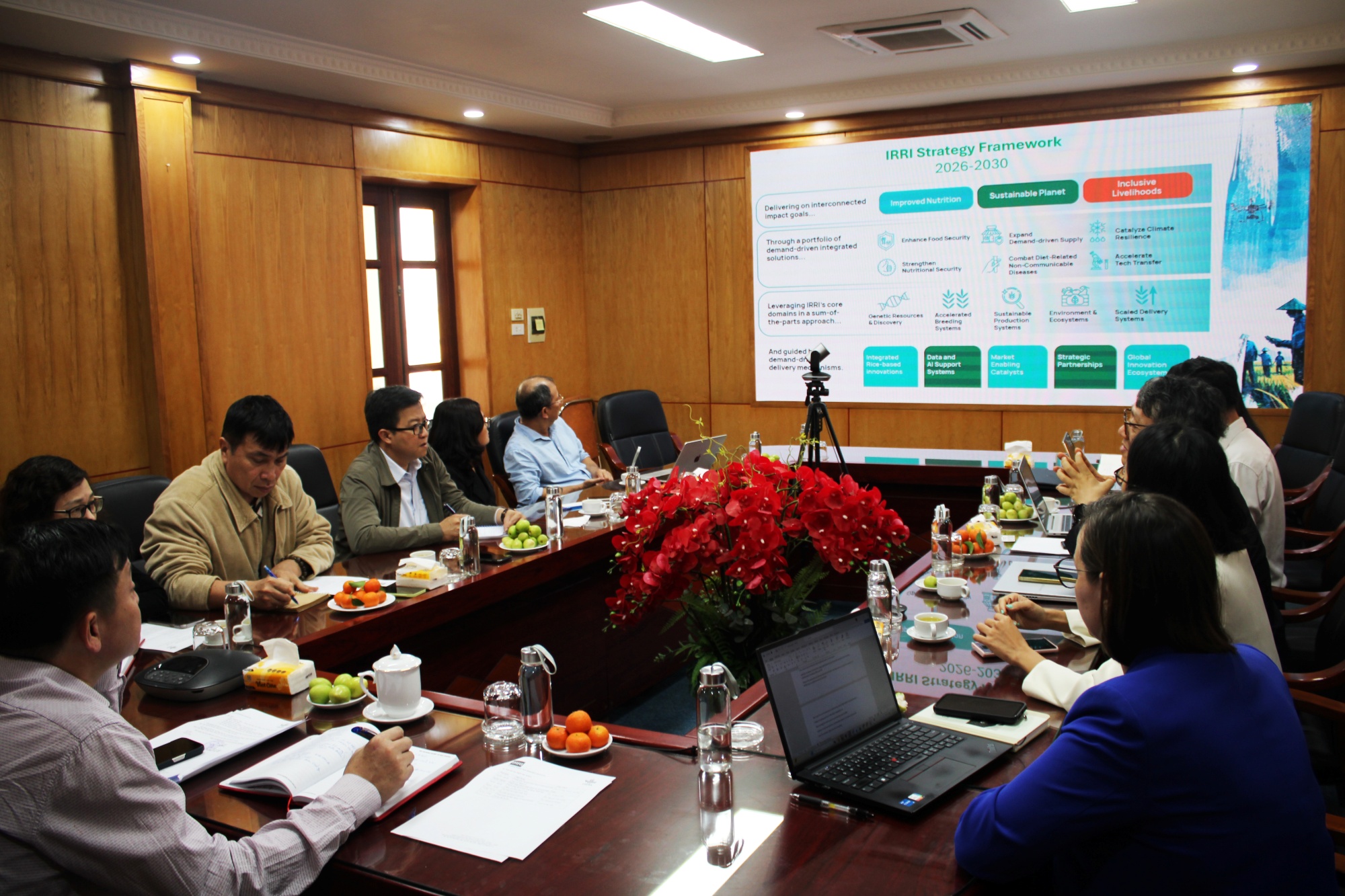
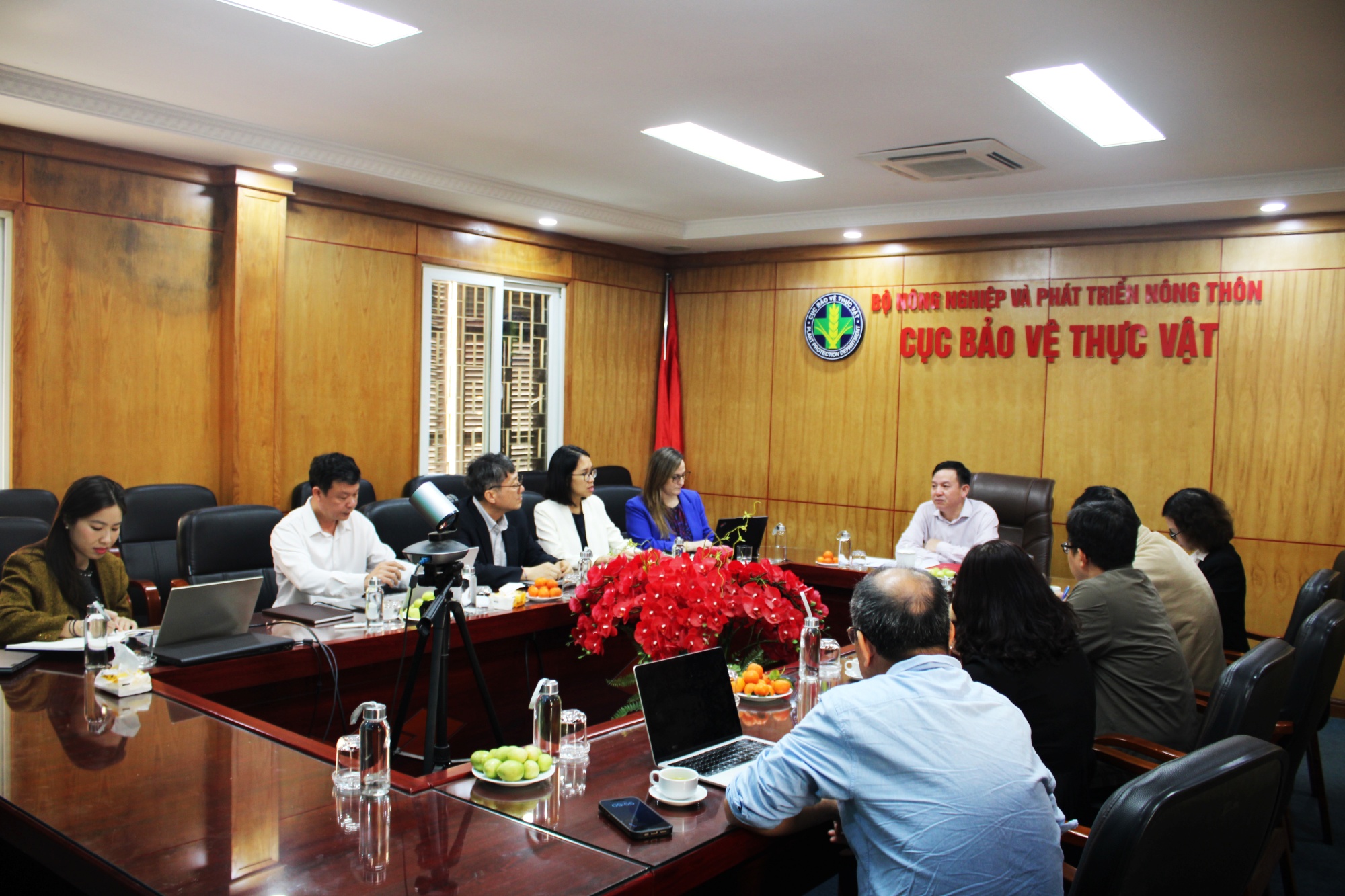
HANOI, VIETNAM – To strengthen the future of the rice sector in Vietnam, the International Rice Research Institute (IRRI) Vietnam Country Office and the Plant Production and Protection Department (PPPD) of the Ministry of Agriculture and Environment recently convened to chart a collaborative course for 2026.
The meeting served as a vital step for the rollout of the IRRI 2025–2030 Strategy in Vietnam, ensuring that IRRI Vietnam’s research for development activities directly feeds into national priorities. With Vietnam increasingly recognized as a global leader in low-carbon rice production, this partnership aims to transform the "rice bowl" of the Mekong River Delta into a model of sustainable, high-value agriculture.
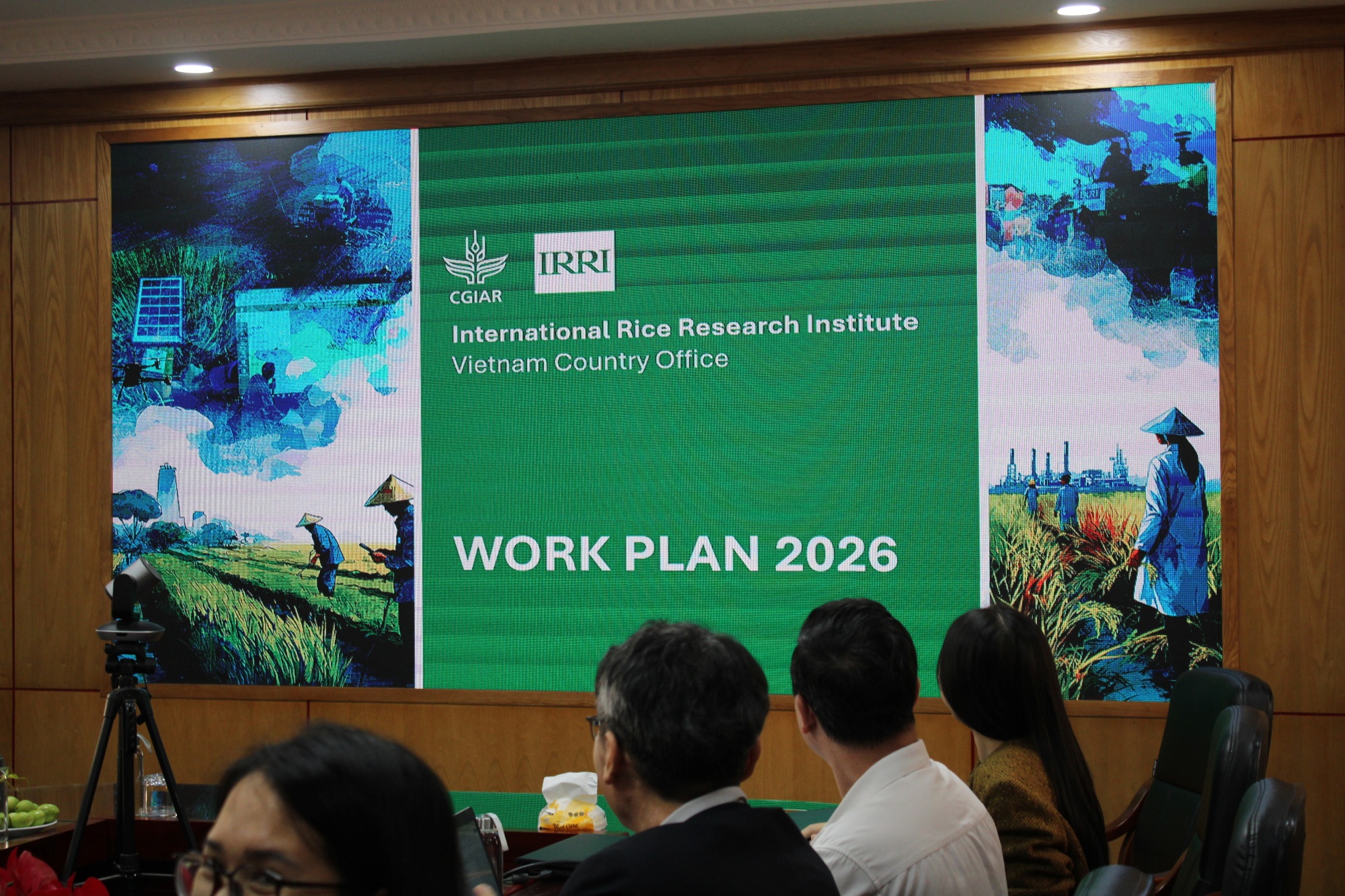
The discussions centered on aligning IRRI’s 2026 work plan with Vietnam’s ambitious policy landscape, including the National Green Growth Strategy, the landmark 1-Million Hectare High-Quality and Low-Emission Rice Program, and the newly launched Low-Emission Crop Production Program, among others.
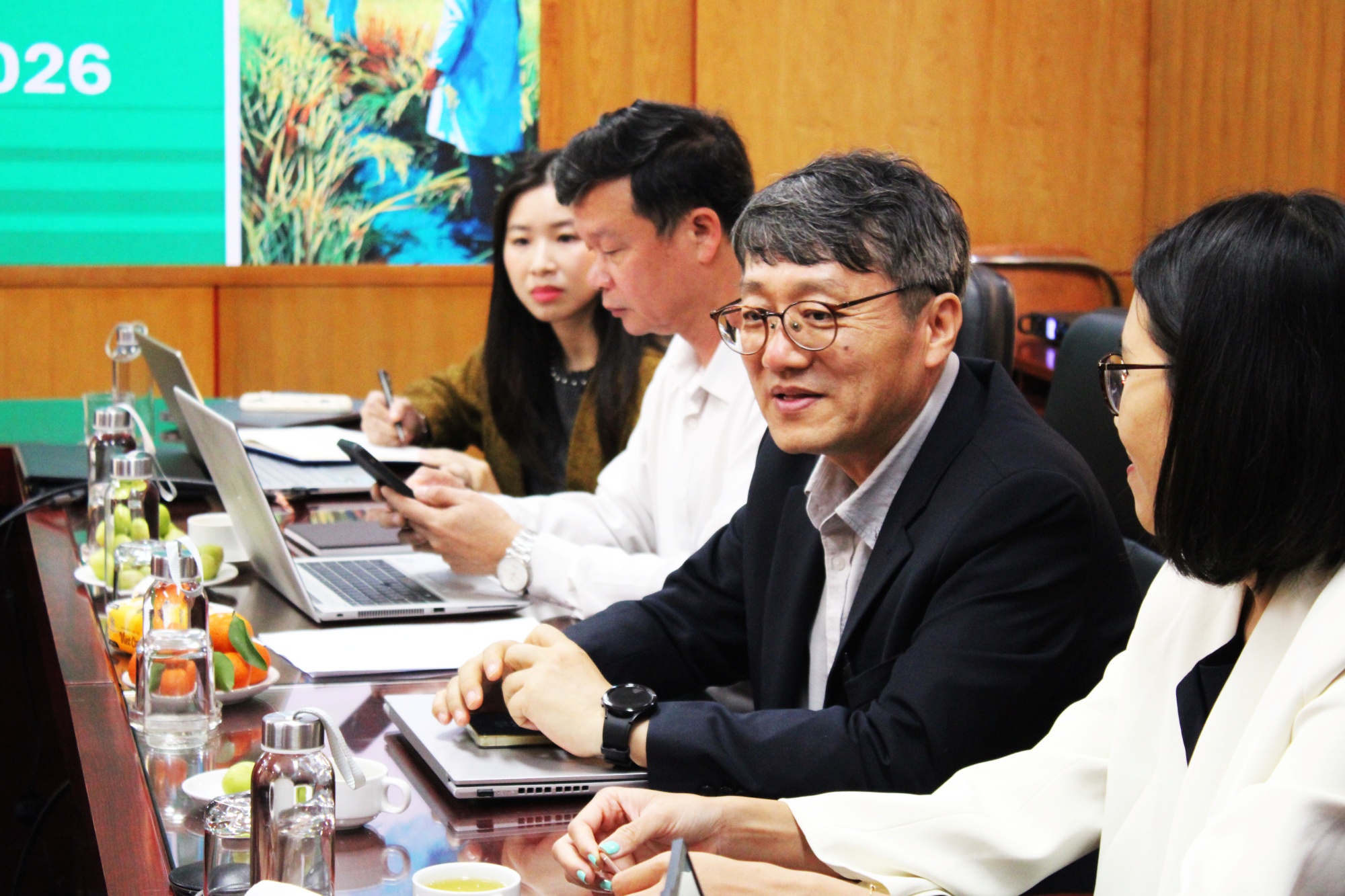
IRRI’s Regional Director for Asia, Dr. Jongsoo Shin, emphasized that Vietnam remains a "success story" and a global role model for the institute. The 2026 work plan centers on three strategic pillars: improving nutrition through biofortified and low-GI rice; protecting the planet by refining water-saving techniques and emissions monitoring; and promoting inclusive livelihoods by ensuring that advancements in mechanization and circular economy models directly boost farmer incomes. This integrated approach aligns high-end export demands with sustainable, climate-resilient growth for Vietnam’s agricultural sector.
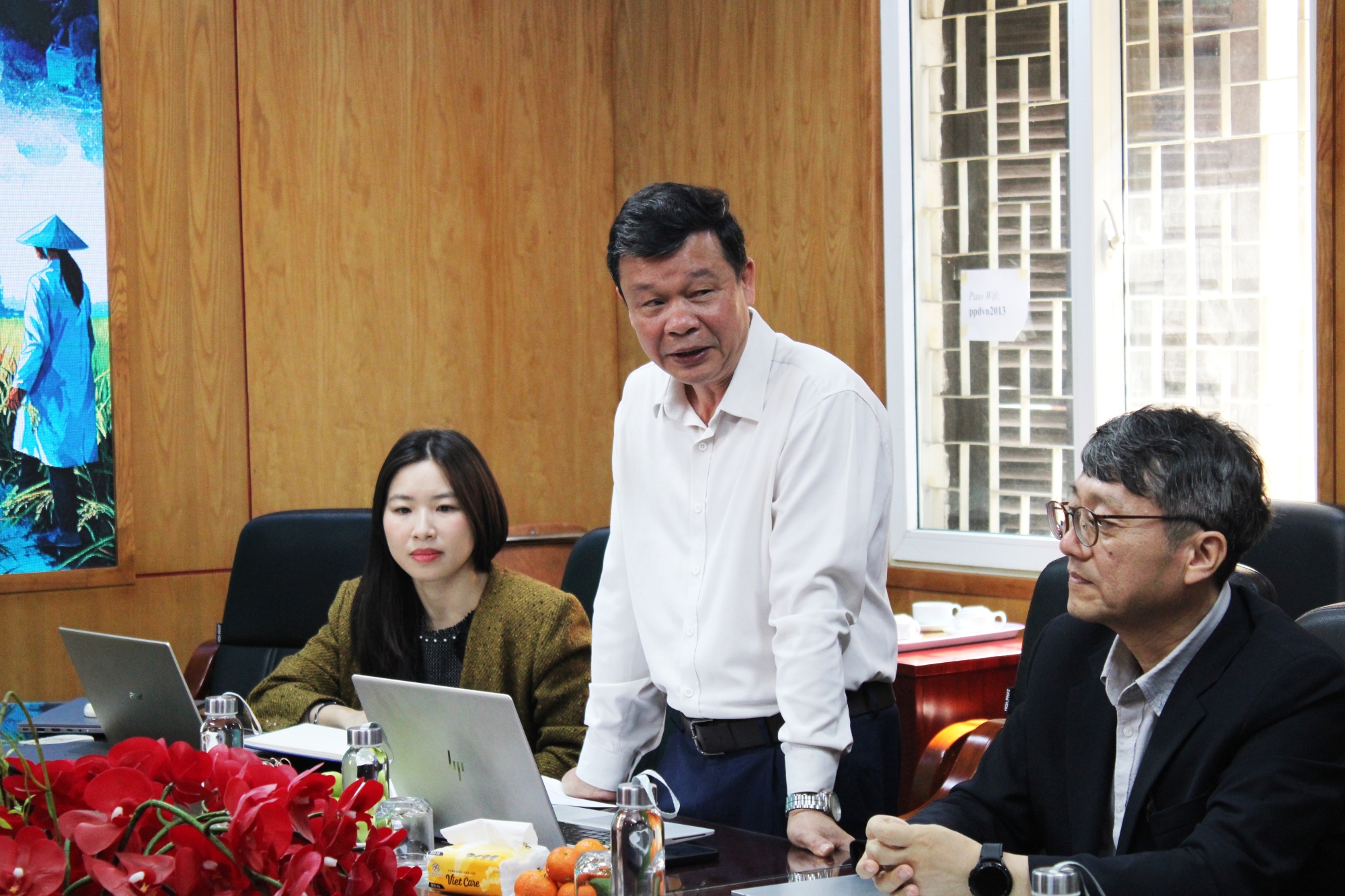
One of the most critical topics was the scaling of digital tools like RiceMoRe and e-Extension Lua Viet. Mr. Nguyen Quoc Manh, Deputy Director General of PPPD, highlighted the department's intent to scale the RiceMoRe system nationally, potentially expanding it to other crops while ensuring it integrates seamlessly with Vietnam’s national agricultural database.
To address the immediate threats of climate change, the collaboration will focus on "early warning" information systems. These tools will allow farmers to shift planting dates and select appropriate agronomic packages based on real-time weather and pest outbreak projections.
Dr. Jongsoo Shin emphasized that the core of the IRRI Vietnam strategy is to enhance farmers' livelihoods through sustainable and healthy production. He notes that unless new technologies provide a clear, tangible benefit to the farmers themselves, widespread adoption will remain out of reach.
While many pilot programs have been successful, Dr. Huynh Tan Dat, Director of PPPD, noted the need to move beyond "fragmented" collaboration. He proposed a systematic review of all technologies through the lens of the entire rice value chain.
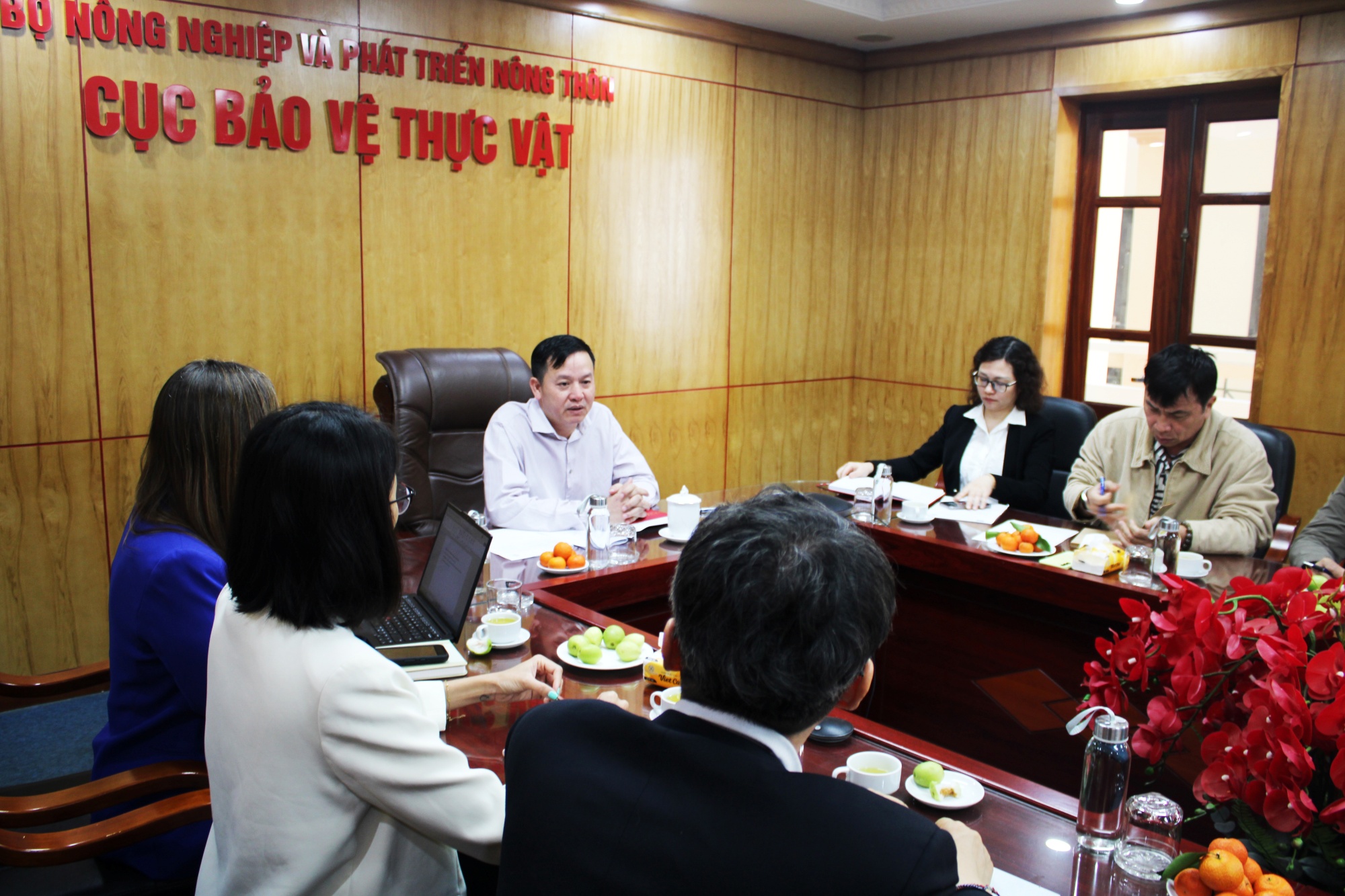
Dr. Dat enumerated key priorities for 2026, including building a circular economy by transforming rice straw into value-added goods to prevent straw burning, and improving post-harvest management to ensure farmers receive a fairer share of the final retail price. Additionally, the plan includes the creation of an AI-enhanced "Living Knowledge Bank" to provide stakeholders with a digital repository of the latest R&D advances.
The meeting concluded with a clear set of action points. By mid-April 2026, IRRI will provide a comprehensive review of ready-to-scale technologies to be integrated into 14 priority national programs. Furthermore, IRRI and PPPD will work closely with the Department of Climate Change to finalize a legalized national framework for MRV, providing a standard for measuring emissions in Vietnam.
As Vietnam continues to shrink its rice cultivation area to focus on high-quality production, this partnership ensures that every grain grown is more resilient, more nutritious, and more profitable for the millions of farmers who sustain the nation.