IRRI, Nottingham Scientists Join Forces to Develop Rice That Can Withstand Rising Temperatures
LOS BAÑOS, Philippines (21 September 2026) — The International Rice Research Institute (IRRI) and the University of Nottingham have launched a new research partnership to help rice withstand rising temperatures and maintain productivity in a changing climate.
Supported by the UK Research and Innovation- Biotechnology and Biological Sciences Research Council (BBSRC), the project “Temp-Resist Rice: Exploiting Novel Germplasm to Improve Heat Tolerance and Future-Proof Rice Yields” brings together scientists from both institutions to identify traits that help rice tolerate heat stress and support the development of climate-resilient rice varieties.
Rice is the primary source of calories for more than half of the world's population, yet many rice-growing regions are becoming hotter and more vulnerable to climate change. While drought and flooding have long been major concerns, rising temperatures are emerging as another significant threat to rice production.
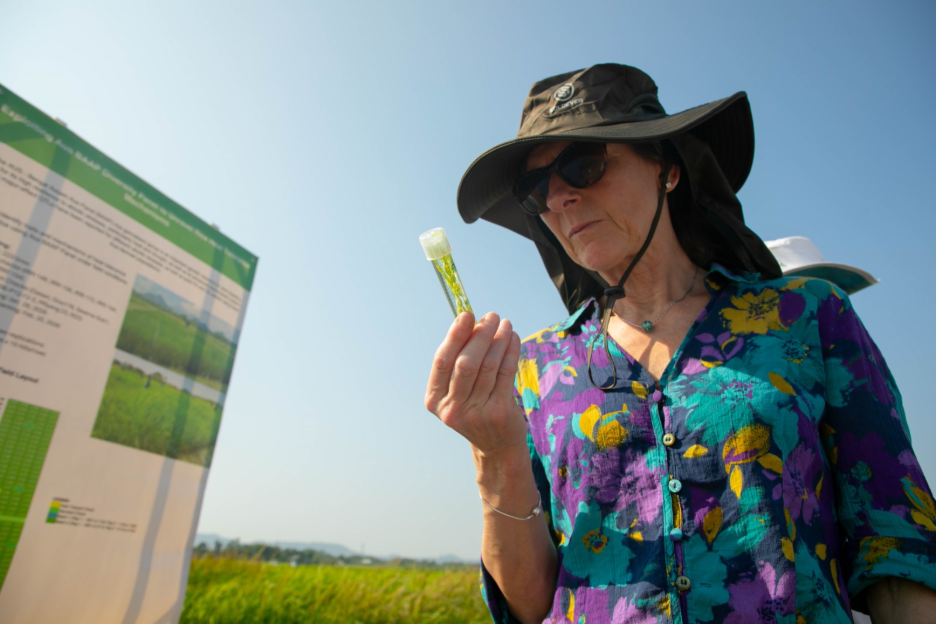
According to Professor Zoe Wilson, Pro-Vice Chancellor for the Faculty of Science at the University of Nottingham, one of the greatest risks occurs during flowering, when high temperatures can reduce pollen fertility and prevent grain formation. As a result, rice plants may appear healthy throughout the growing season but produce fewer grains at harvest.
"Changing climate may have devastating impacts on yield and productivity," Prof. Wilson said. "We're seeing impacts in fertility, which are particularly impacting pollen viability."
To better understand how rice responds to these conditions, researchers are studying traditional rice varieties and wild relatives that may contain natural traits for heat tolerance. These genetic resources could help breeders develop varieties that continue to perform well under higher temperatures while maintaining productivity in farmers' fields.
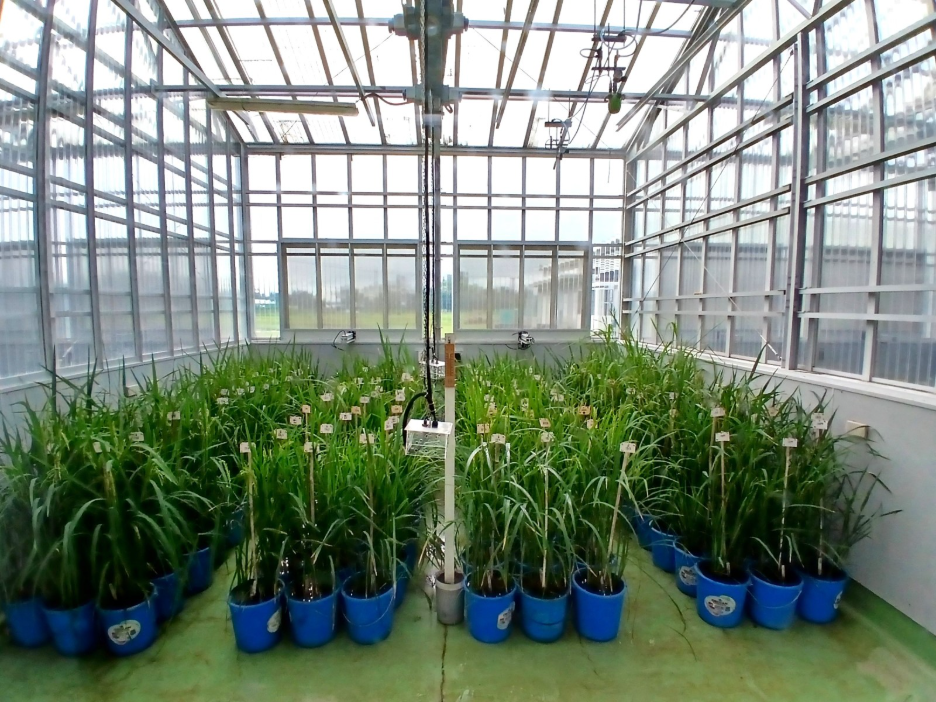
The project combines IRRI's expertise in rice breeding, genetic resources, and field-based evaluation with the University of Nottingham's strengths in plant biology and controlled environment research.
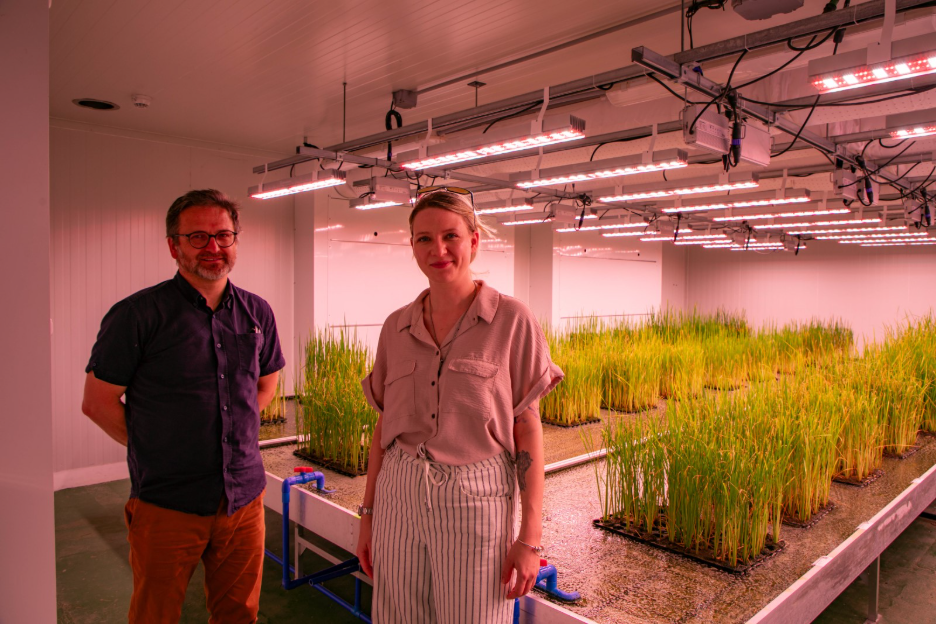
At the University of Nottingham, researchers use specialized facilities that simulate tropical growing conditions by controlling temperature, humidity, and day length. These facilities allow scientists to study how rice plants respond to heat stress and identify promising traits under carefully managed conditions.
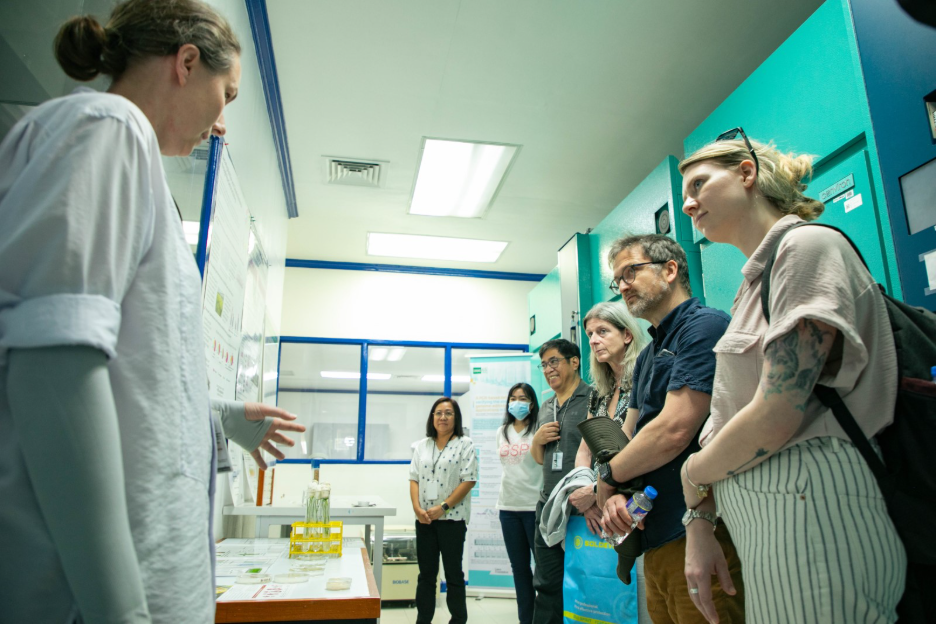
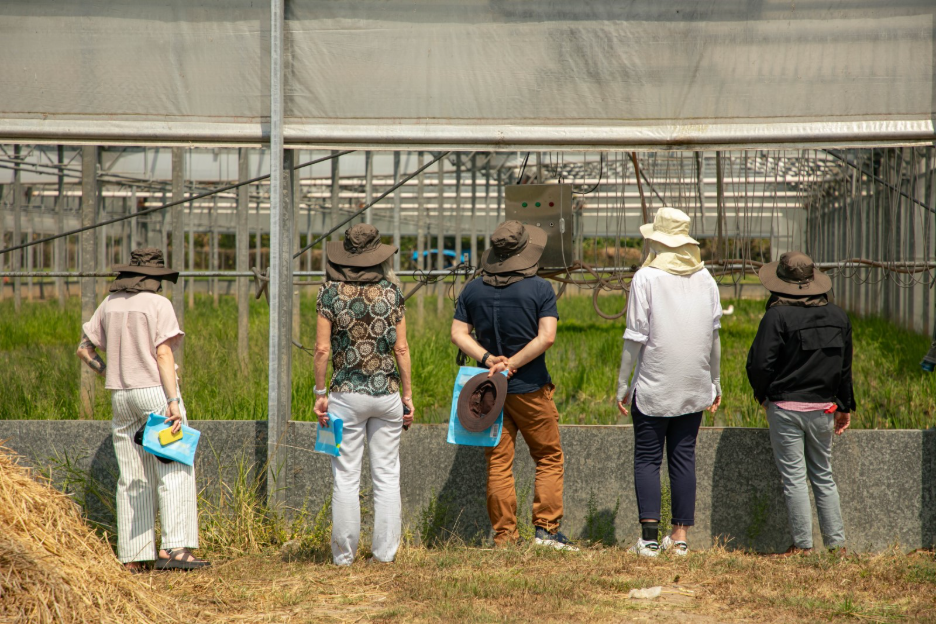
The most promising materials will then be evaluated through IRRI's research networks and field-testing platforms across Asia to determine how they perform under farming conditions.
For IRRI scientists, understanding how rice responds to heat stress is becoming increasingly important for future breeding efforts.
"As temperatures continue to rise across many rice-growing regions, understanding how rice responds to heat stress is becoming increasingly important for breeding programs," said IRRI Scientist Dr. Suresh Kadaru. "The insights generated through this research will help us identify traits that can be incorporated into future varieties to maintain productivity under increasingly challenging conditions."
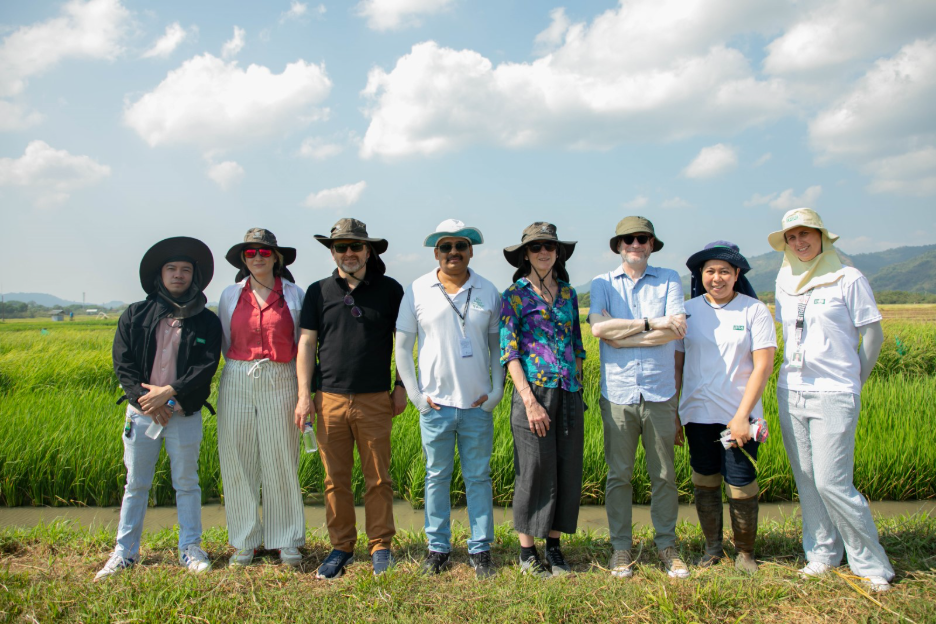
The project will help accelerate the development of heat-resilient rice varieties capable of maintaining productivity under rising temperatures. As climate change intensifies, these advances will be increasingly important for protecting harvests and strengthening food security.