IRRI-TLL global workshop sets roadmap for rice microbiome research
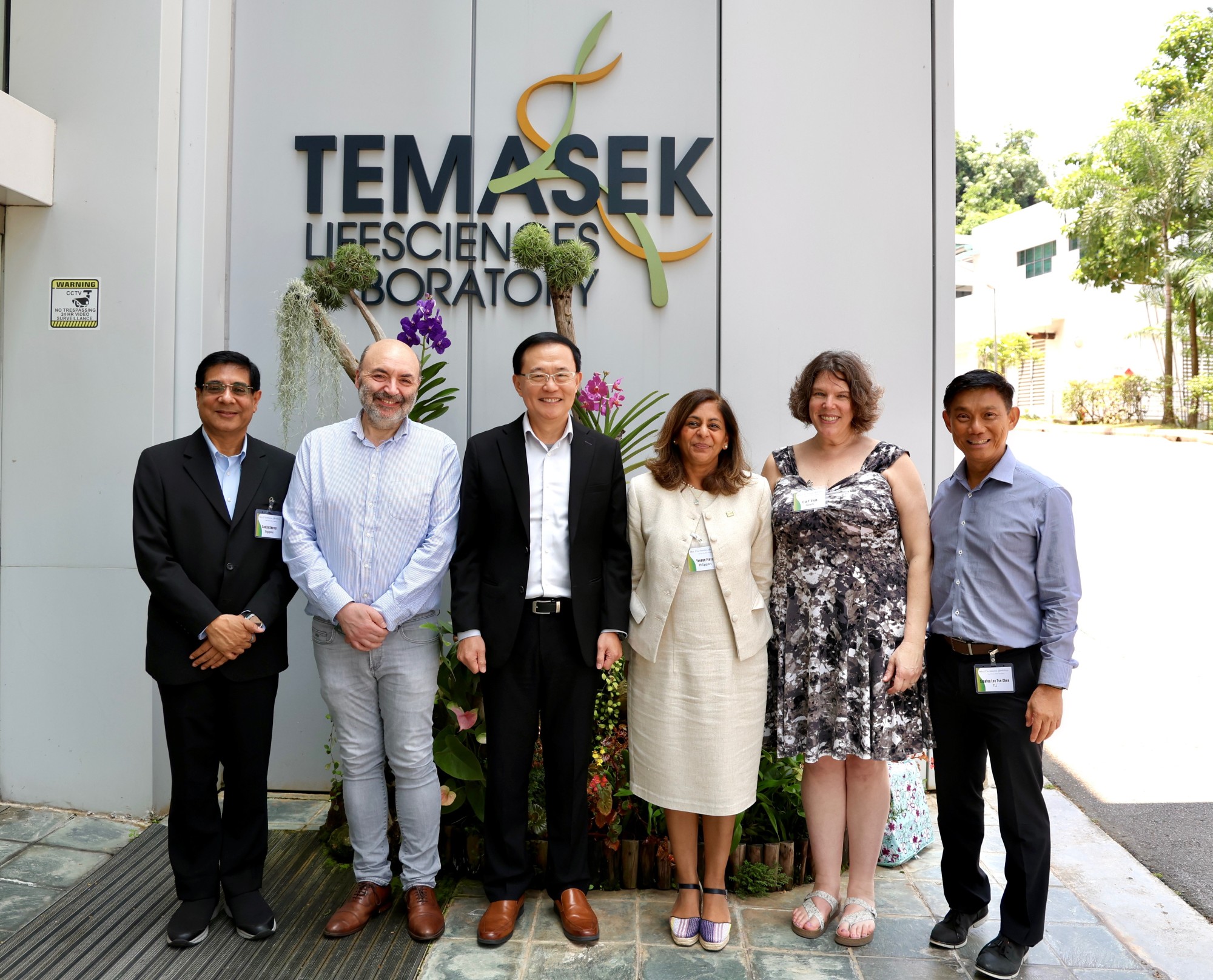
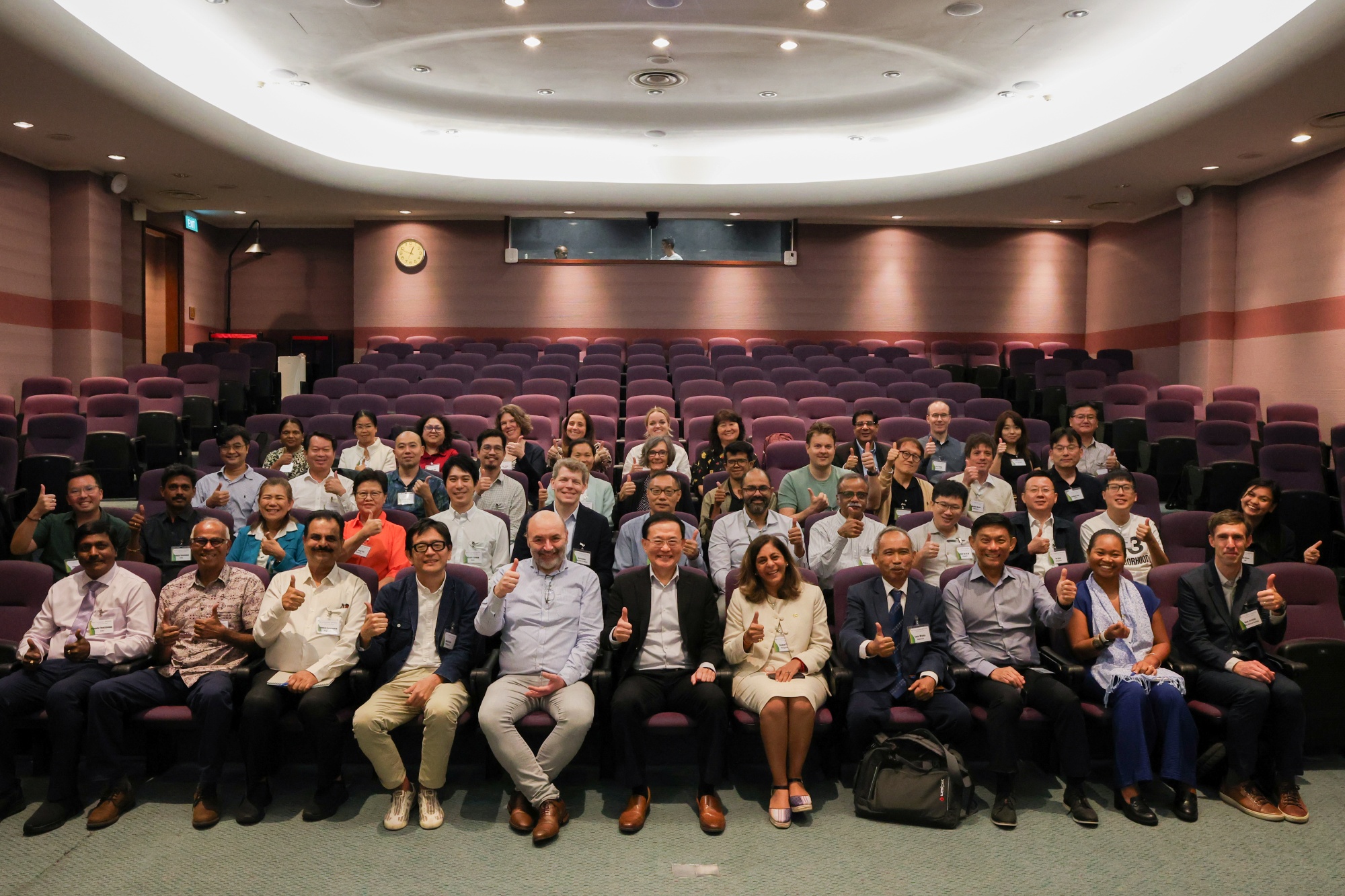
Singapore (April 13-14, 2026) — The International Rice Research Institute (IRRI) recently convened the Rice Microbiome Workshop, co-funded by Temasek Life Sciences Laboratory (TLL), bringing together 52 leading scientists from 17 countries to address some of the most pressing and complex challenges facing global agriculture.
Supported by Sall Family Foundation and Enterprise Singapore, the workshop marked a decisive step toward advancing microbiome science in rice systems.
For decades, rice research has focused on improving the plant itself. This convening signaled a shift toward understanding the broader biological system that shapes its performance.
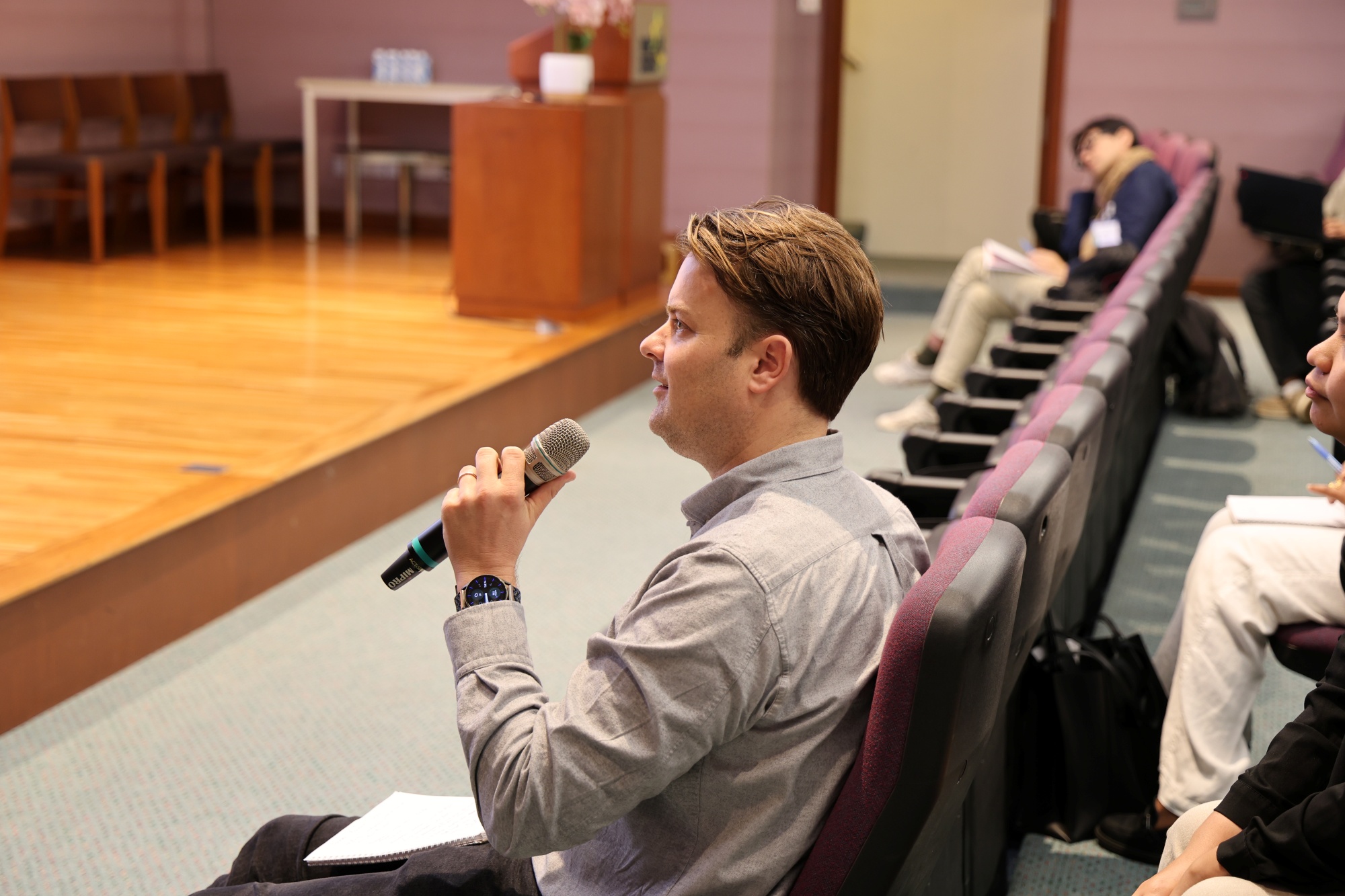
At the center of discussions was the microbiome, the vast, invisible network of microorganisms that influences how rice grows, absorbs nutrients, resists disease, and interacts with its environment. While advances in sequencing and data science have rapidly accelerated microbiome research globally, rice systems have yet to fully capture this potential.
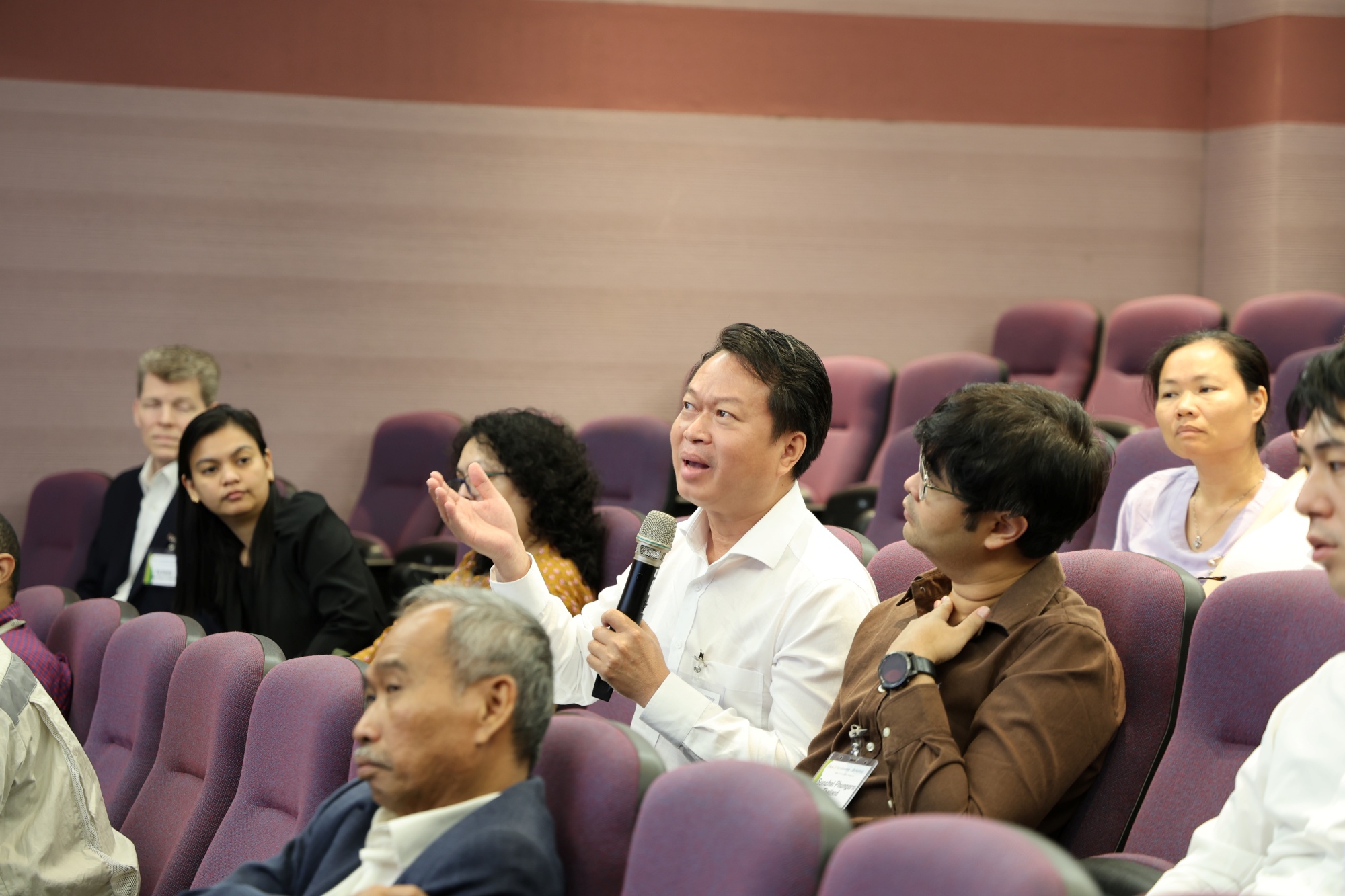
Over two days, participants engaged in plenary sessions and focused discussions across three priority areas: climate change mitigation, soil nitrogen cycling and efficiency, and plant health. The conversations were rigorous and forward-looking, bringing together disciplines that rarely intersect in a single forum.
The workshop helped align a shared research direction grounded in the potential of microbiome science to address persistent system-level challenges. By harnessing beneficial microbial communities, new pathways are emerging to reduce greenhouse gas emissions, improve nutrient efficiency, strengthen plant health, shifting from input-intensive approaches to nature-based solutions.
“Together, these efforts represent a fundamental shift in how rice systems are understood and designed. As this work progresses, it holds the potential to improve farmer livelihoods, reduce environmental impact, and strengthen the resilience of rice systems worldwide,” said IRRI Director General Dr. Yvonne Pinto.
The collaboration reflects a broader recognition, shared by partners such as TLL, that while microbiome science is advancing rapidly, its real value lies in translating discovery into application.
“What emerged from this gathering was not just dialogue, but direction. For TLL, this marks the beginning of a sustained commitment to bringing microbiome science into rice systems at scale — translating discovery into solutions that farmers and ecosystems can benefit from. We are deeply grateful to IRRI for their partnership in making this vision a reality, and to the Sall Family Foundation and Enterprise Singapore for their support in enabling broad participation in the workshop,” said TLL Chief Executive Officer Peter Chia.
The next phase will advance these efforts into coordinated research programs across diverse rice-growing environments; an increasingly relevant priority as geopolitical volatility exposes vulnerabilities in fertilizer markets and oil- and gas-dependent production systems.
Media Contacts:
IRRI: Ruby Panela – r.panela@cgiar.org
TLL: Tan Teng Li – tengli.tan@tla.com.sg