Beyond the Burn: Why Solving Asia’s Rice Straw Crisis Demands Markets, Not Just Machines
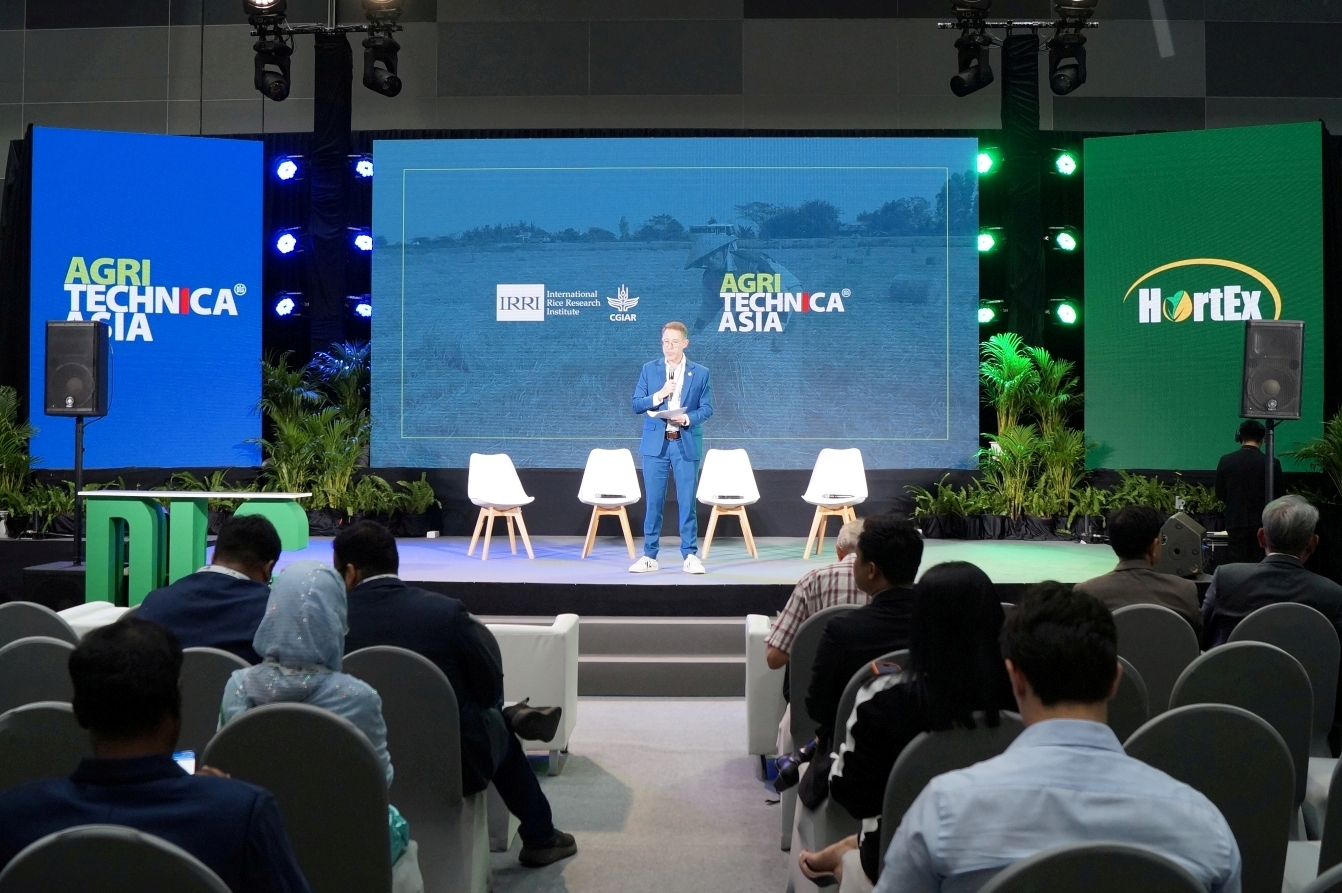
BANGKOK, THAILAND — At the Agritechnica Asia 2026 expo on May 20, a critical conversation took place regarding one of region's most persistent environmental headaches: rice straw burning. Hosted by the International Rice Research Institute (IRRI), the panel discussion titled "Advancing Regenerative Agriculture and Circular Rice Straw Systems in Asia" brought together leading scientists, development experts, and private sector leaders.
The collective verdict? Let’s move away from placing blame on farmers. The dense smoke that envelops Asian skies each harvest season reflects not a failure of individual effort but rather highlights the challenges of a complex system that needs attention and reform.
A Systemic Failure, Not a Farmer Problem
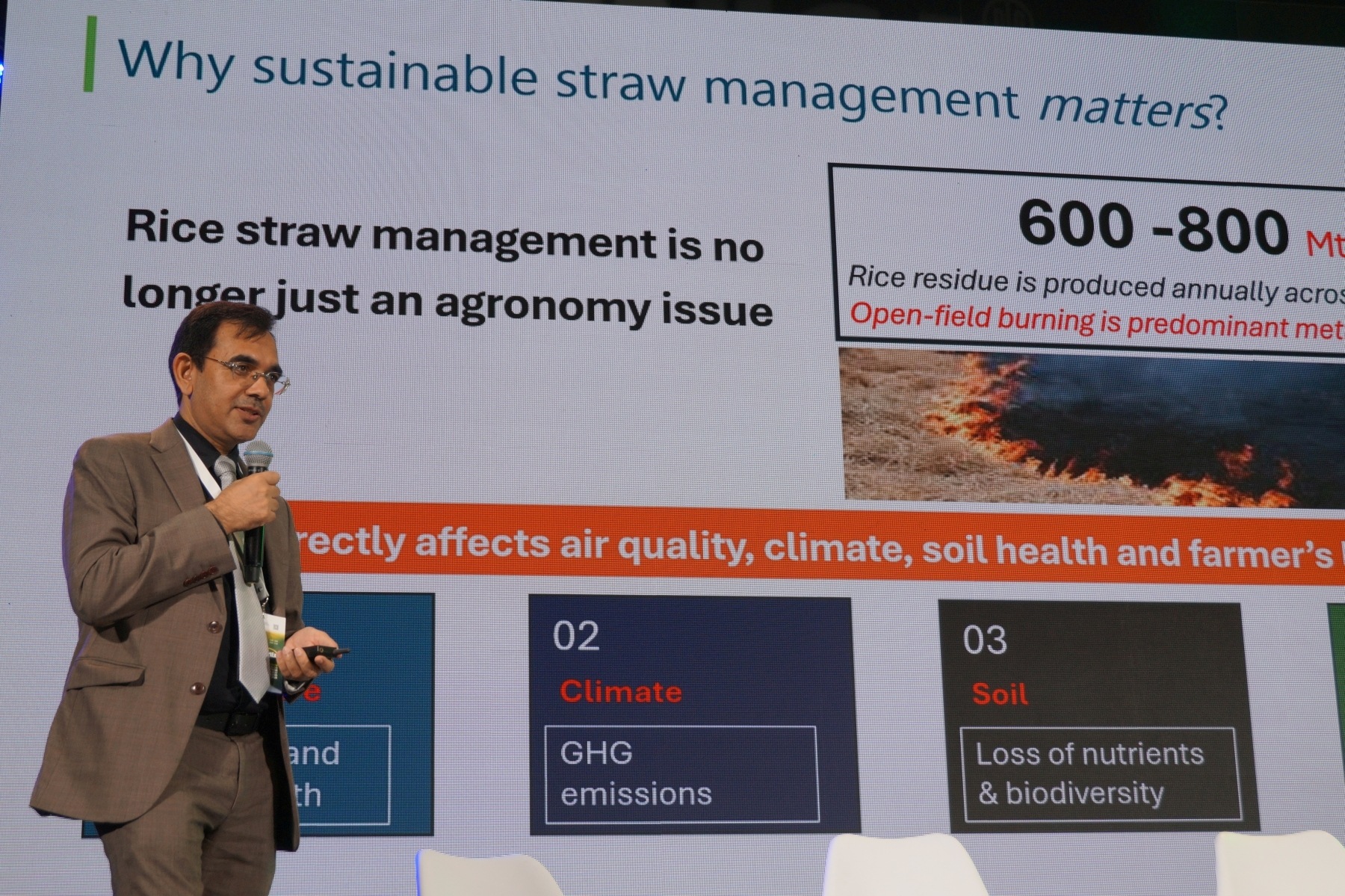
"Farmers are not to blame for the burning," stated Dr. Virender Kumar, Research Director at IRRI. He argued that under current market conditions, unharvested straw is treated as worthless waste. Because farmers operate on thin margins and tight turnaround schedules between crops, the quickest and cheapest way to clear the field remains burning it.
The tragedy is that the technical solutions are already fully developed. "The solutions to managing straw are ready, but the implementation is where we are stuck," Dr. Kumar noted. To bridge this gap, panel wood turned to a fundamental truth: farmers will only stop burning straw when it becomes more profitable to sell it.
The panel outlined a clear triangle required to build a functioning, non-burning ecosystem:
- National policy frameworks that incentivize alternatives across the entire supply chain.
- Commercial market demand that transforms raw straw into a valuable commodity.
- Affordable, accessible machinery to harvest, transport, and process the straw.
No Silver Bullet: The Need for Local Context
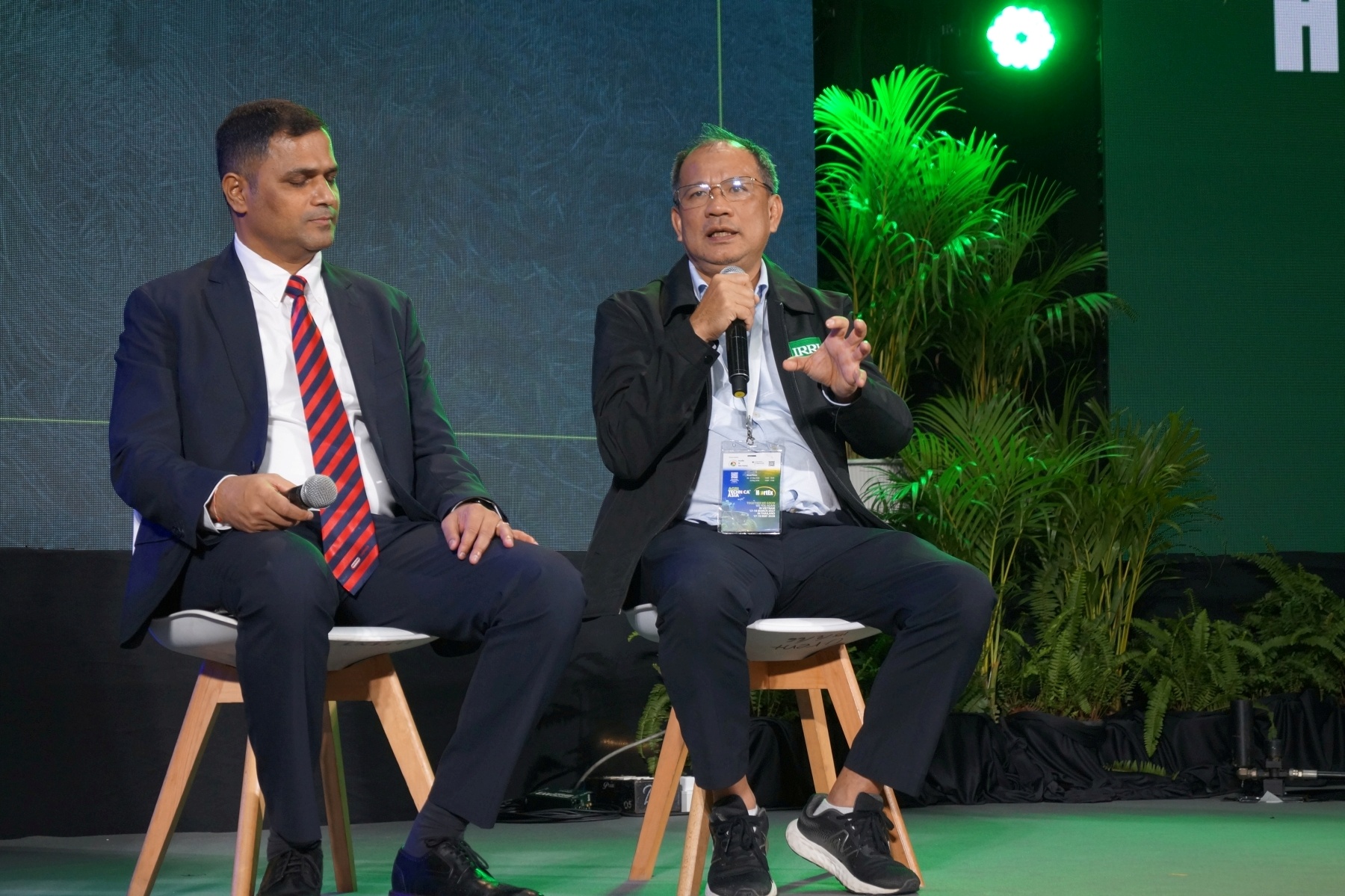
A recurring theme among the panelists was that a "one-size-fits-all" approach is bound to fail. Solutions must be tailored to local agricultural and economic realities, splitting cleanly between what happens on the farm and what happens outside of it.
Dr. Nguyen Van Hung, Senior Scientist at IRRI, injected an important scientific caution into the discussion regarding direct soil incorporation (plowing the straw back into the earth). While it returns organic matter to the soil, simply burying wet straw heavily increases methane emissions—a potent greenhouse gas.
Instead, IRRI has invested research in mechanized composting. By processing the straw through controlled decomposition on the farm, it becomes a high-value natural fertilizer. This directly lowers a farmer's input costs, reduces dependence on synthetic fertilizers, and replenishes soil health without the heavy methane penalty.
For areas where off-field markets exist, the opportunities are expanding. Vinayak Vasagade, Sales Director at MASCHIO GASPARDO S.P.A., shared private sector success stories from India, where rice straw is increasingly treated as valuable biomass for upscaled biogas production. This model creates an entirely new revenue stream for smallholders while simultaneously cleaning up regional air quality. This biogas option was also reiterated by a guest in the audience in later feedback.
The Commercial Reality: Ditching Subsidies for Profit
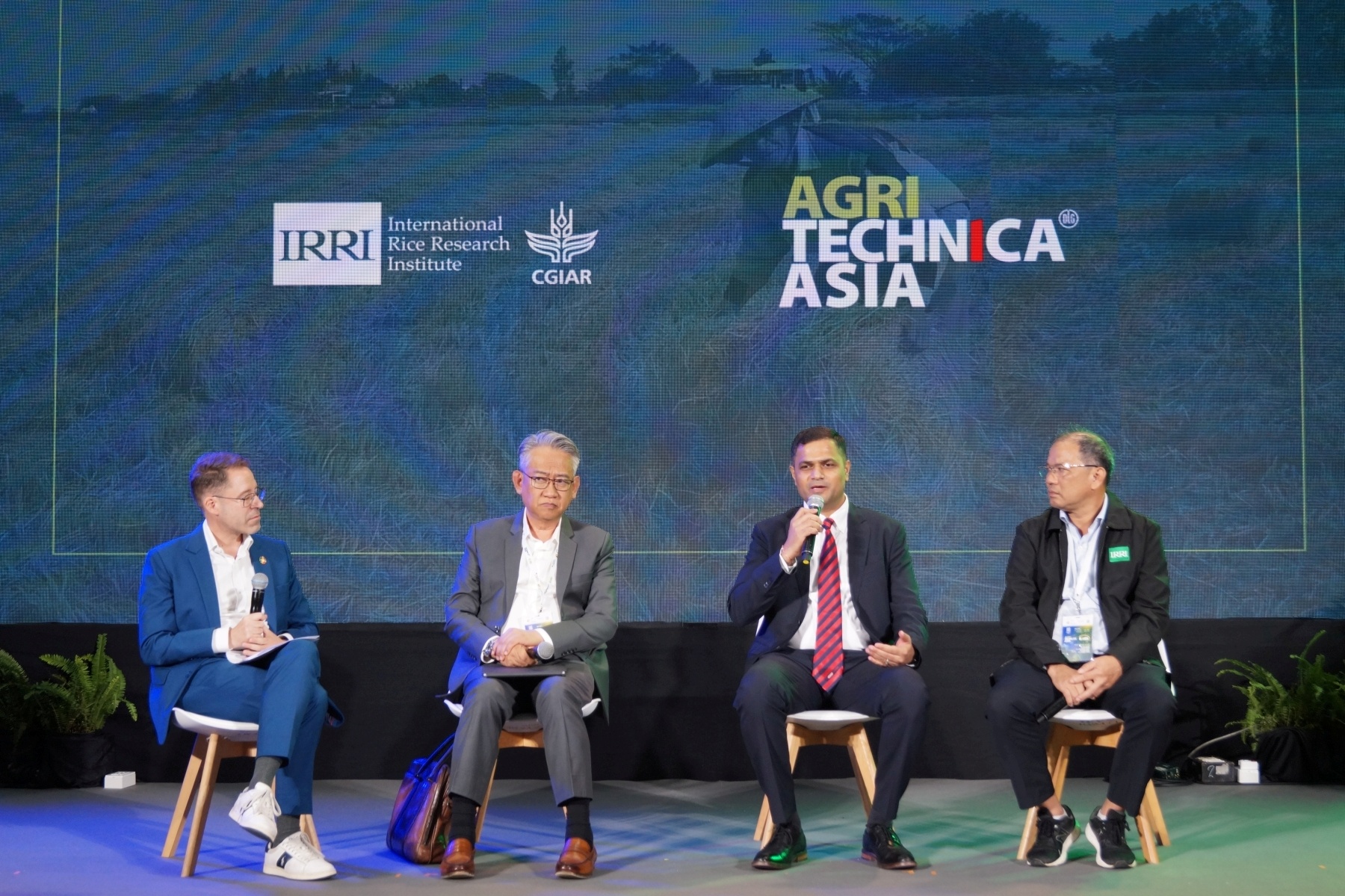
While development agencies often look to government subsidies to kickstart green initiatives, the panel’s private sector representative issued a stark reality check.
"Technologies fail without commercial viability," Vasagade warned. If a specialized straw-processing machine is not affordable, or if it isn't physically available at the exact week of harvest, the farmer will inevitably resort to burning. Vasagade advised against relying permanently on subsidies. "Subsidies cannot continually carry economically sustainable pathways. Only when straw holds intrinsic commercial value will companies see the incentives to expand solutions."
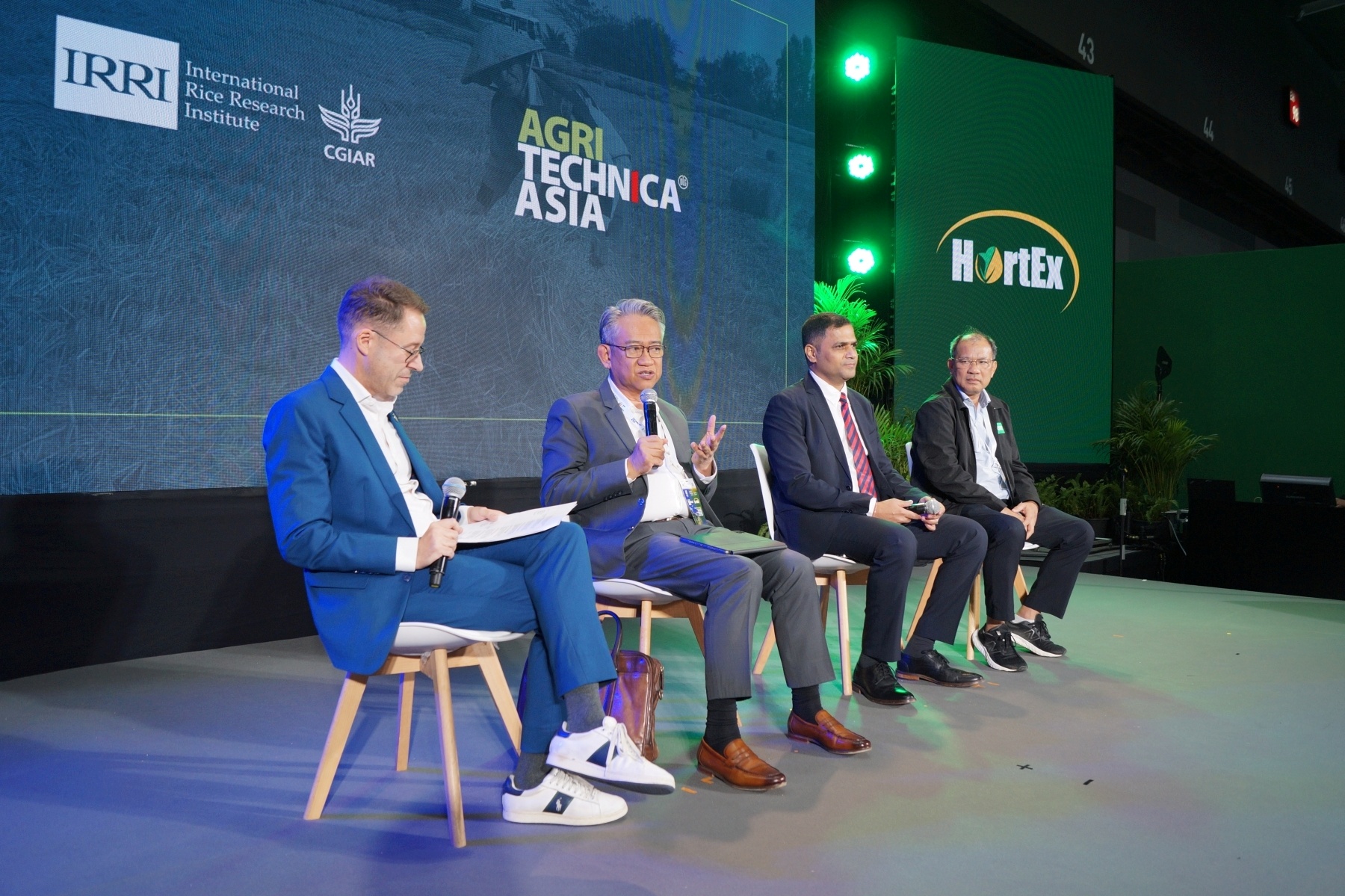
Suriyan Vichetlekarn, Executive Director of the Mekong Institute, agreed on the notion, noting that the conversation must pivot toward commercialization. He emphasized that access to capital alone isn't a silver bullet; rather, finance must be strategically designed to flow through the entire policy, market, and machinery ecosystem to make the economics work for everyone involved.
The panel collectively agreed on whether we are talking about smallholder farmers or large value-chain corporations, profit matters. Making straw circular requires seeing it through a for-profit lens.
Breaking Down Silos
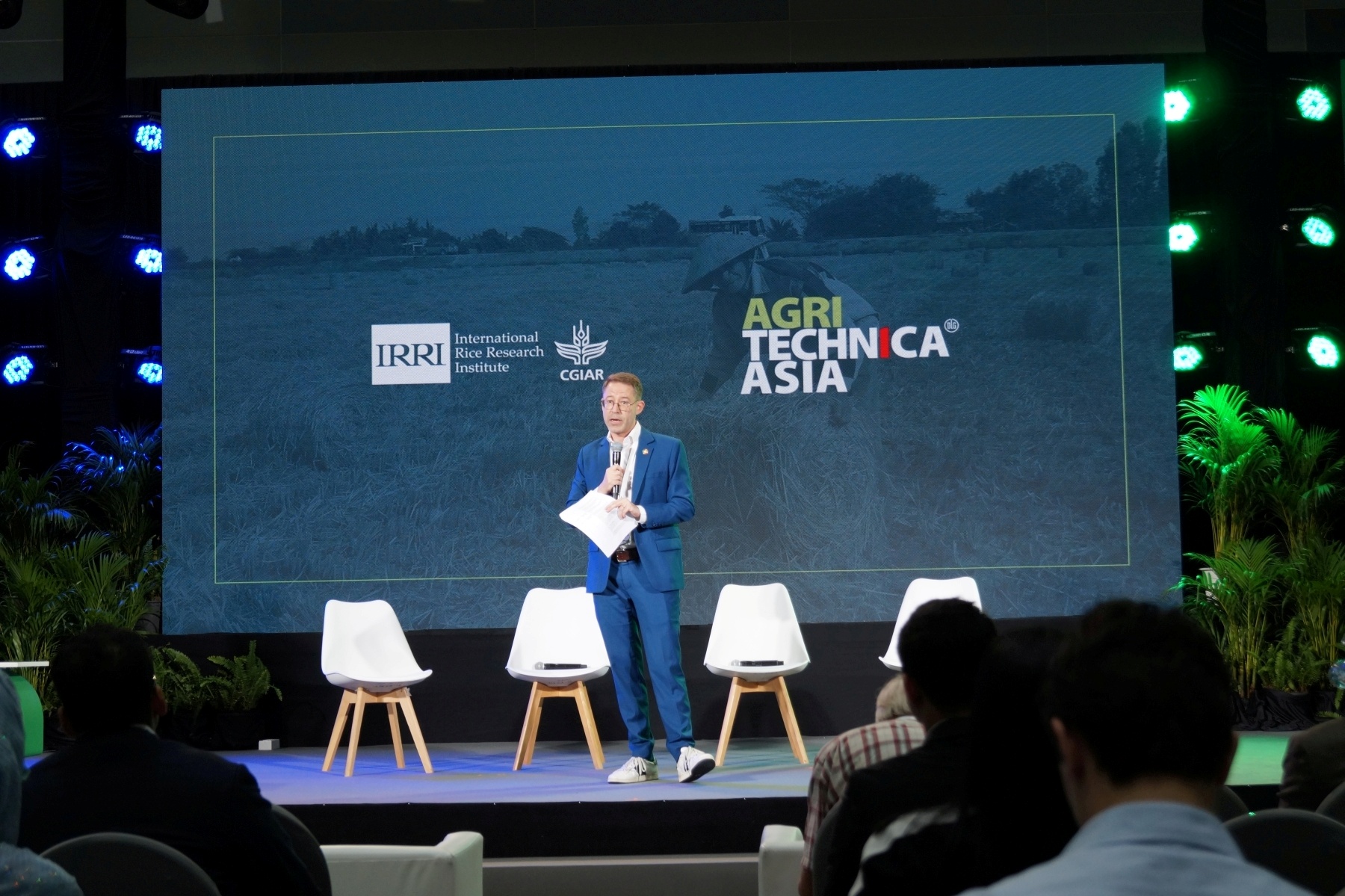
Moderator Dr. Bjoern Ole Sander, Senior Climate Change Scientist at IRRI, challenged the room by pointing out that despite knowing what works, widespread implementation remains slow across public and private sectors alike.
Vichetlekarn responded by calling for an end to the siloed approach that has plagued agricultural waste management. Rice straw burning is routinely dismissed as just a "farmer issue" or a "private sector challenge." In reality, it requires closer cross-sector partnerships where governments stabilize the policy environment, research institutes clarify the environmental tradeoffs of different solutions, and the private sector drives distribution.
The audience dialogue added further nuance to this marketplace dynamic. One attendee pointed out that densification—such as processing straw into transportable pellets rather than just standard bales—remains heavily undercapitalized. However, an important warning was issued: turning straw into household cooking pellets or industrial fuel simply moves the emissions from the open field into enclosed kitchens and factories, failing to solve the core air pollution crisis.
The Race for the Residual Market
As the discussion closed, the final takeaway was a mix of urgency and economic optimism. Despite decades of advocacy, open-field rice straw burning is actually increasing at an alarming rate across Asia.
However, where there is vast waste, there is vast commercial opportunity. As Dr. Kumar concluded in his final remarks: "The private sector will play a key role in accelerating and scaling these options. The entity that can provide fast, market-integrated solutions to the straw dilemma will be the one to profit the most."