Training series on low-emission practices launches in the Red River Delta
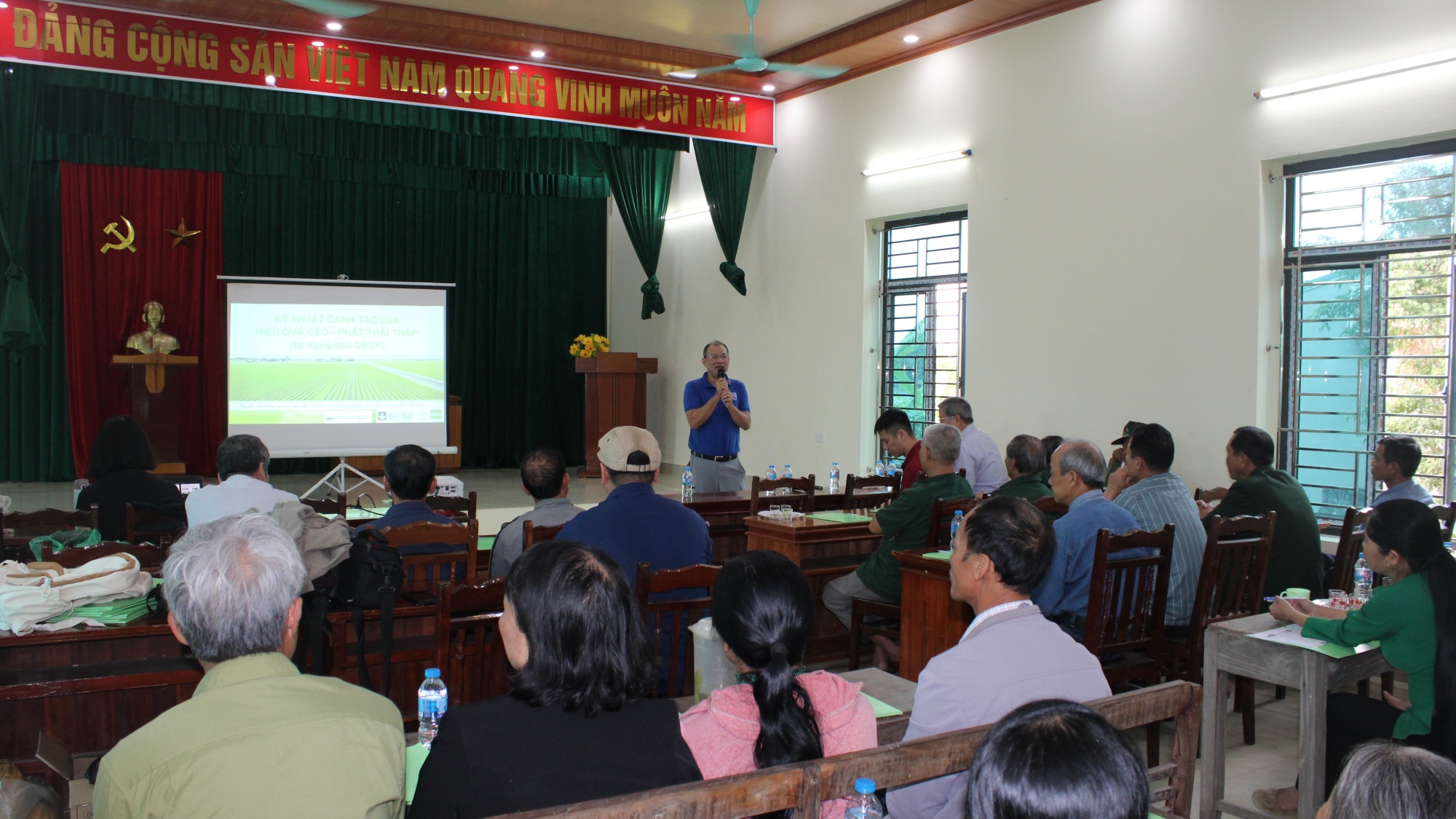
HANOI, VIETNAM – Under the U.S. Department of Agriculture (USDA) "Fertilize Right" program, the Plant Production and Protection Department (PPPD) of the Ministry of Agriculture and Environment (MAE) and the International Rice Research Institute recently concluded a specialized training series entitled "Fertilize Right in High-Productivity and Low-Emission Rice Farming."
The workshops, held across the Red River Delta provinces of Hung Yen, Ninh Binh, and Hai Phong, engaged local farmers and agricultural extension officers in a mission to modernize Vietnam’s rice sector. This initiative is a core component of the national program for Low-Emission Crop Production (2025–2035), aimed at scaling sustainable cultivation models.
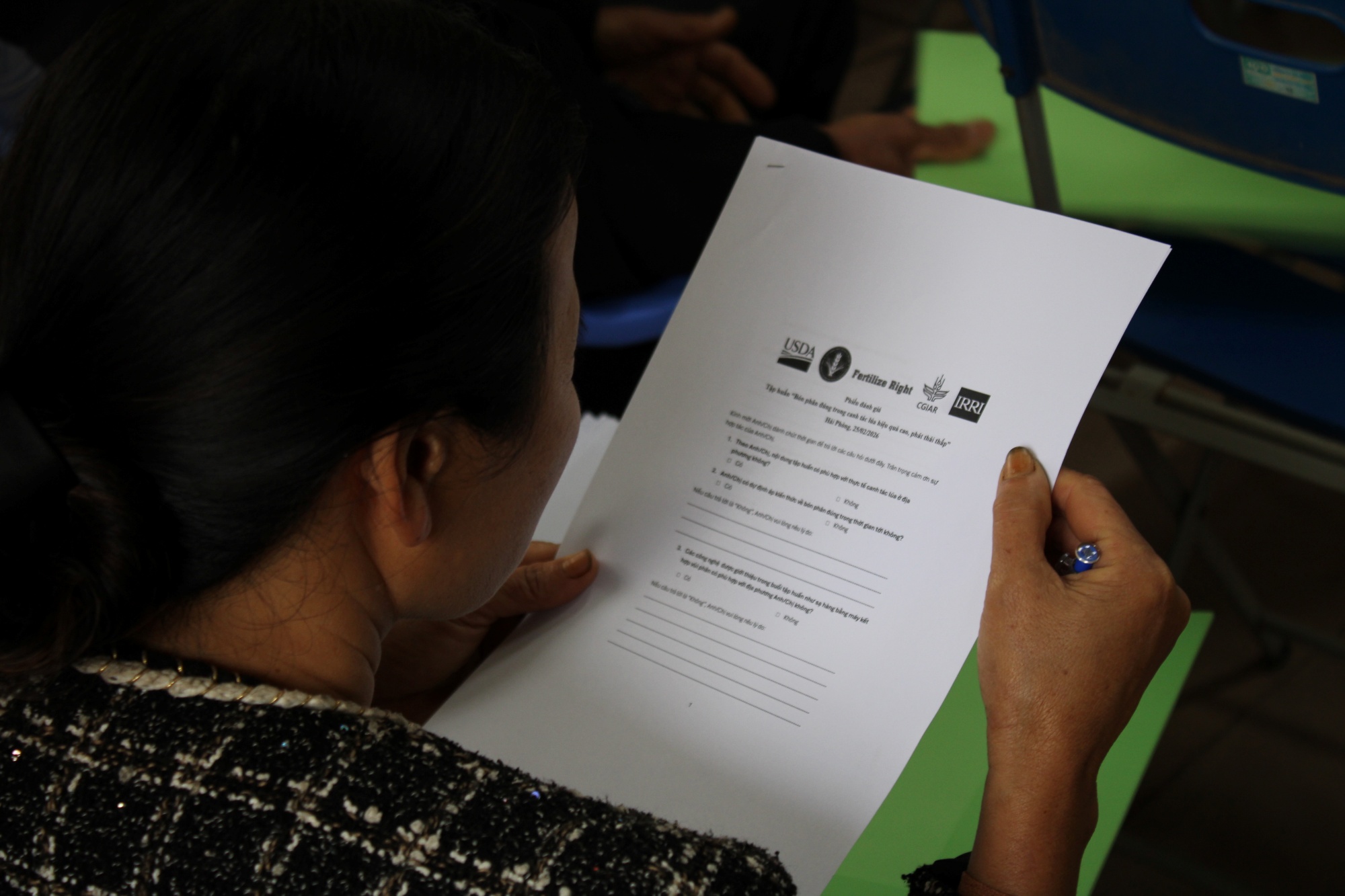
Assoc. Prof. Dr. Nguyen Van Bo, a senior agricultural expert, led the sessions on the "4R" principles of fertilization: Right source, Right rate, Right time, and Right place. Dr. Bo emphasized that these principles are not just technical guidelines but a vital strategy for Vietnam's economic and environmental future.
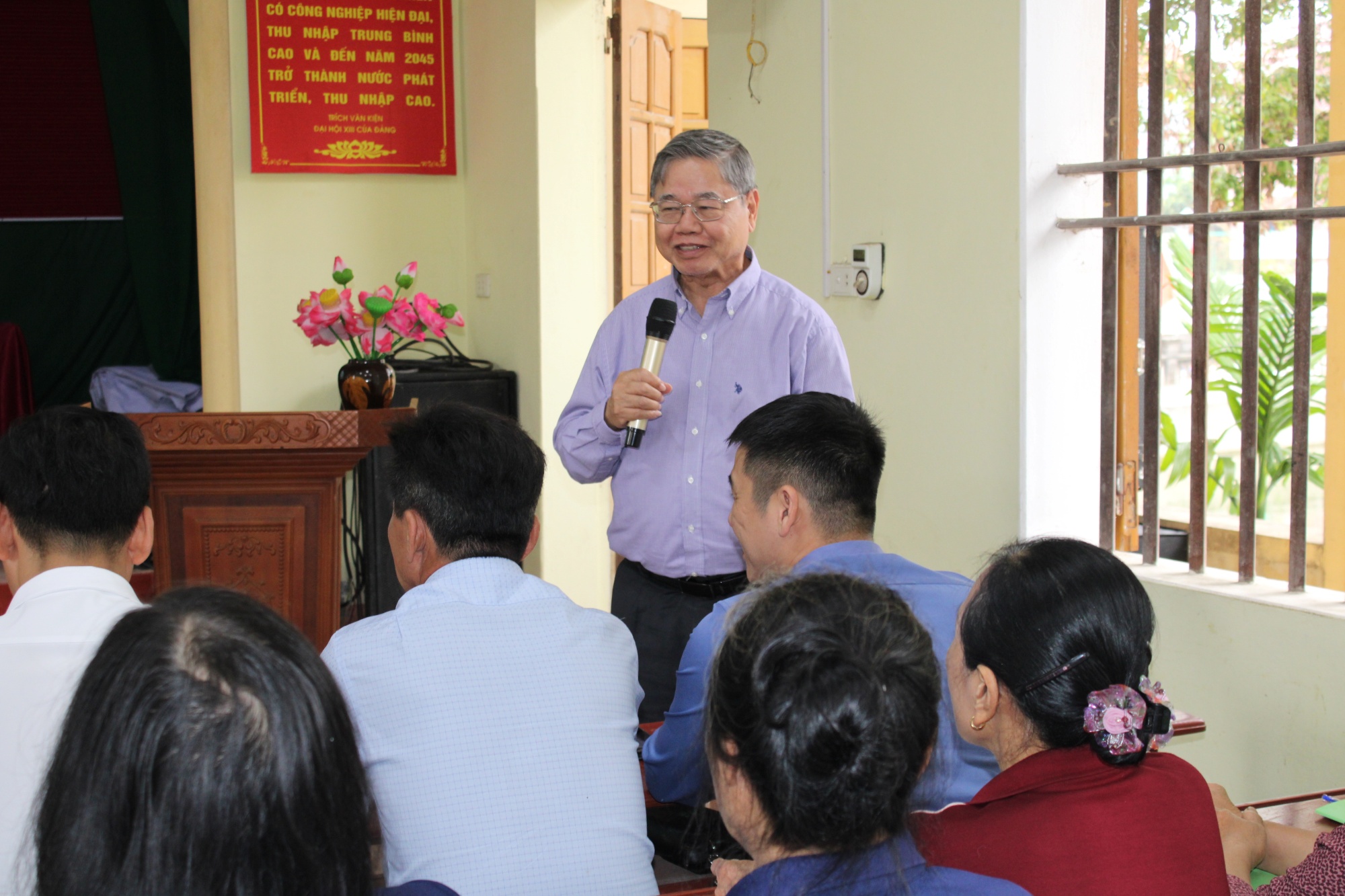
"By applying fertilizer correctly, farmers can drastically improve nutrient efficiency and reduce production costs," Dr. Bo noted. The training highlighted how the 4Rs, when integrated with water management, mechanization, and rice straw-based circular economy practices, can restore soil health while significantly cutting greenhouse gas emissions.
Dr. Bo emphasized that "effective fertilizer management is essential in rice farming to maximize nutrient-use efficiency while minimizing unnecessary inputs. Applying the right type and amount of fertilizer at the appropriate time helps reduce production costs and prevents nutrient losses to the environment.” This approach not only improves farm profitability but also supports more sustainable rice production.
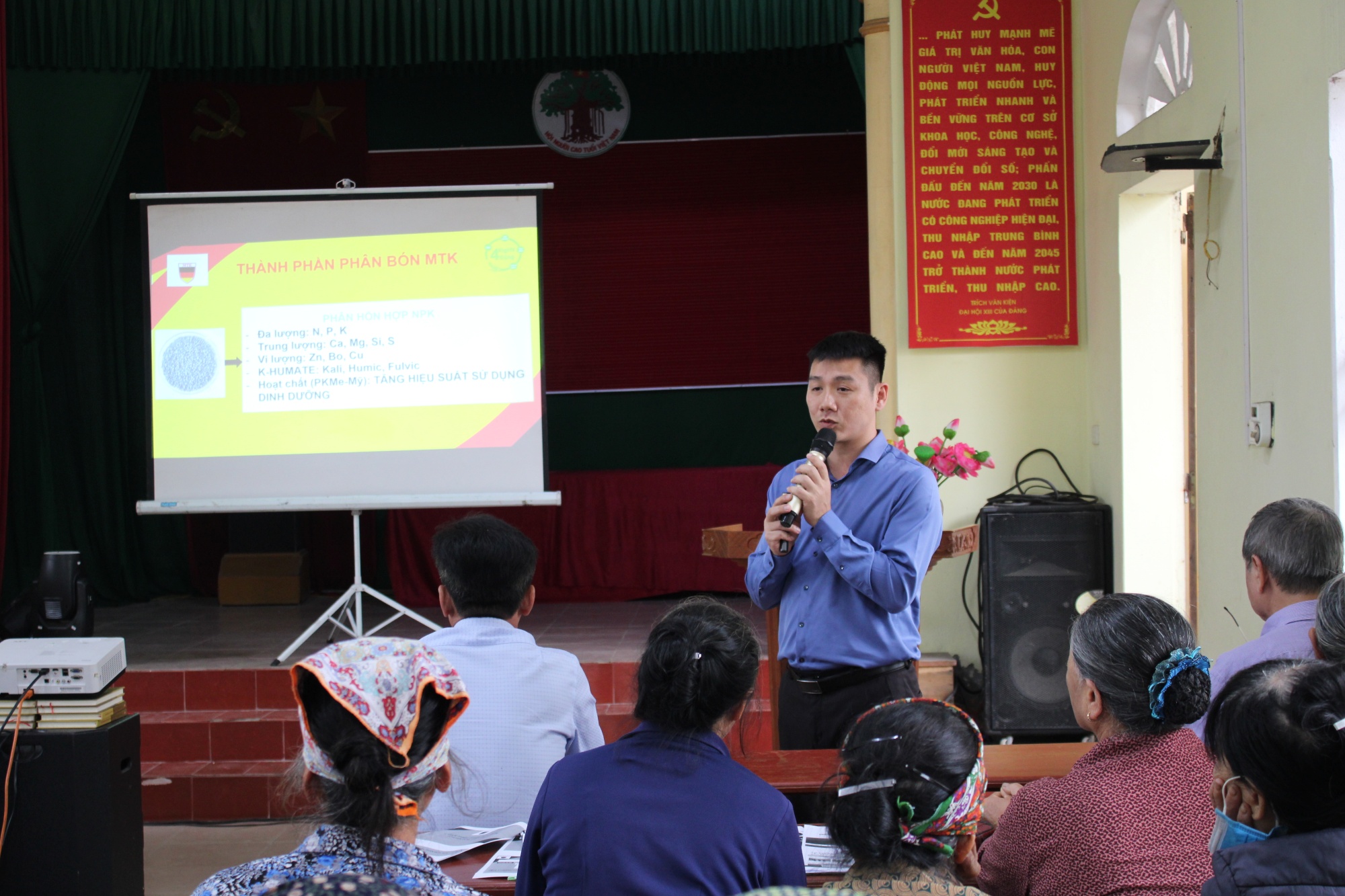
Dr. Nguyen Van Hung, Senior Scientist at IRRI, presented a high-efficiency cultivation framework tailored specifically for the Red River Delta. The model pivots on a technology suite developed by IRRI that integrates mechanized direct seeded rice to drastically reduce labor and seed waste with the alternate wetting and drying water management technique to minimize methane emissions. Dr. Hung emphasized that this comprehensive approach is further enhanced by optimized fertilization, which utilizes precision application methods to prevent nutrient runoff and maximize crop uptake.
"Our goal is to increase farmer profits by over 20% while establishing a 'Green Vietnamese Rice' brand that meets global sustainability standards," said Dr. Hung.
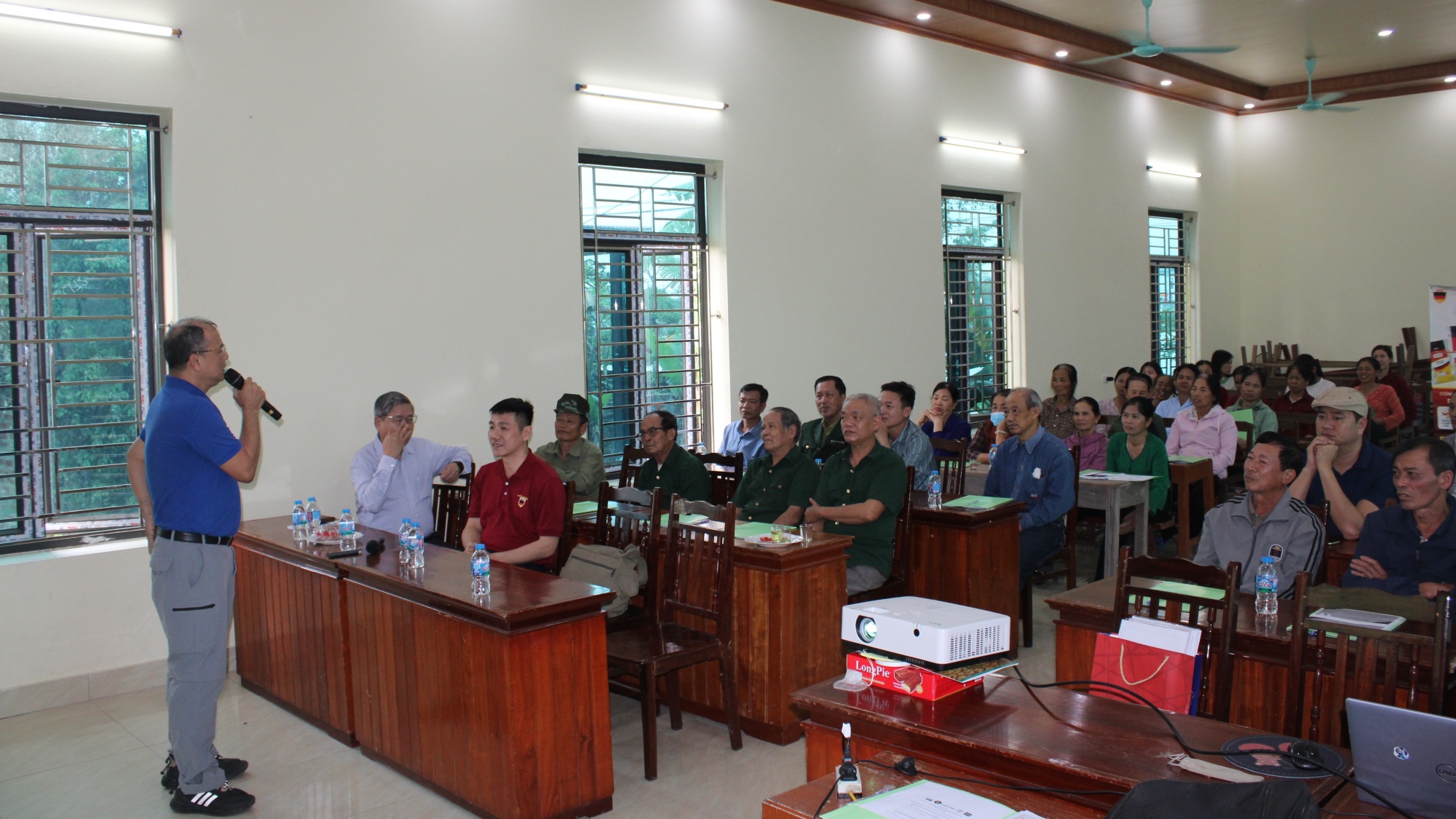
To support these technical shifts, representatives from the MTK Fertilizer Company introduced specialized NPK fertilizers designed for mechanized direct seeding combined with fertilizer deep placement. These "next-generation" products incorporate additives like K-Humate and PKMe (technology from the USA), which boost nutrient absorption rates to 70–85%, compared to much lower rates in traditional broadcasting. By vining fertilizer directly into the soil, farmers can mitigate losses from evaporation and runoff, further protecting local ecosystems.
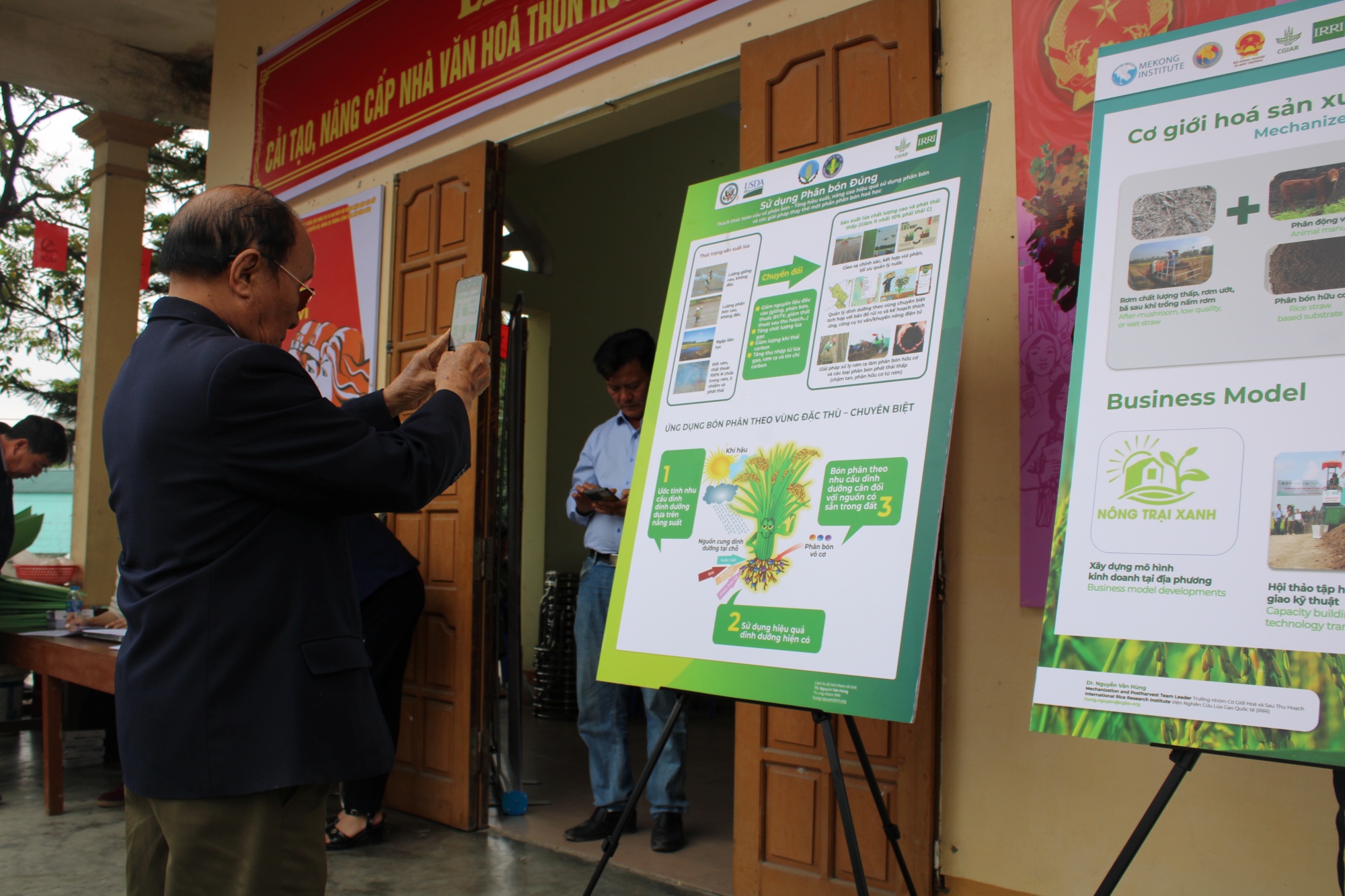
These pilot models serve as more than just demonstration plots; they function as critical data hubs for the future of Vietnamese agriculture. By analyzing the results from these trials, the Low-Emission Crop Production Program will refine technical protocols for sustainable rice cultivation and develop standardized guidelines for emission Measurement, Reporting, and Verification (MRV). Ultimately, this evaluation of overall efficiency provides the essential scientific and operational foundation required for large-scale national implementation.