DA-BAR and IRRI roll out new project to support scaling of agricultural technologies in Ilocos Region, Cagayan Valley, and Eastern Visayas
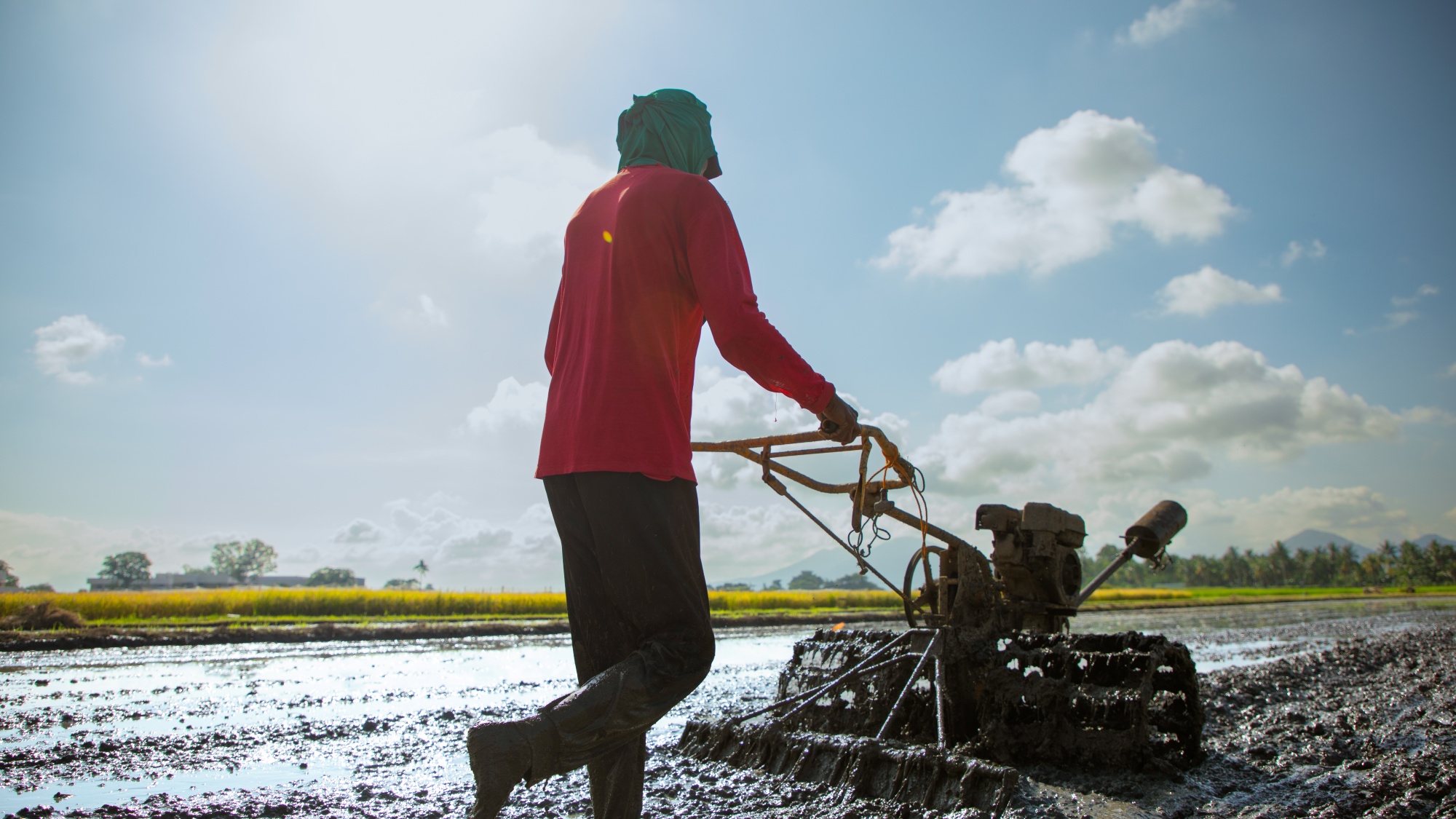
LOS BAÑOS, Philippines (18 September 2026) — Scaling agricultural innovations at a faster rate requires more than making technologies available. They also need to fit with local conditions, needs, and capacity to apply and adopt them at scale.
The Department of Agriculture-Bureau of Agricultural Research (DA-BAR) and International Rice Research Institute (IRRI) have begun rolling out the Enhancing Frameworks for Fast and Effective Cascading of Technologies in Agriculture (EFFECT) project to equip agricultural partners with tools and methods to identify suitable areas for crops and technologies, understand local conditions, and plan for wider adoption in Ilocos Region, Cagayan Valley, and Eastern Visayas.
Led by IRRI Scientist Dr. Rica Joy B. Flor, the project supports DA-BAR's Sustaining and Expanding Climate-Smart Agriculture Technologies through Localized Interventions and Up-scaling (SCALE UP) project by applying scaling frameworks to assess agricultural innovations and match them with the conditions and needs of target communities.
EFFECT’s first two components provide complementary sources of information to strengthen evidence-based decisions on technology deployment and scaling: suitability mapping, which identifies where and when specific crops are best suited; and innovation profiling, which documents available innovations and how they can respond to local agricultural needs.
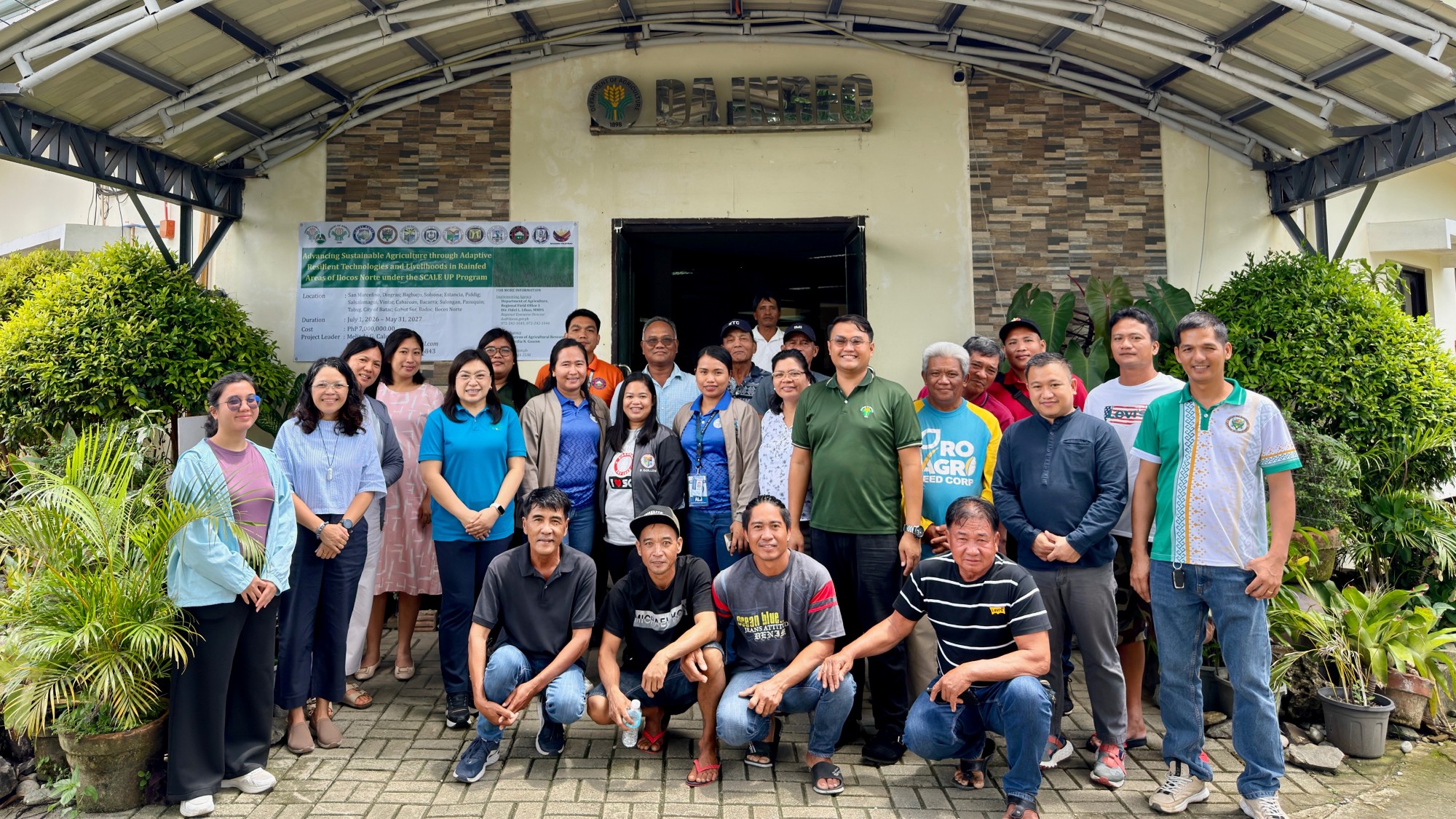
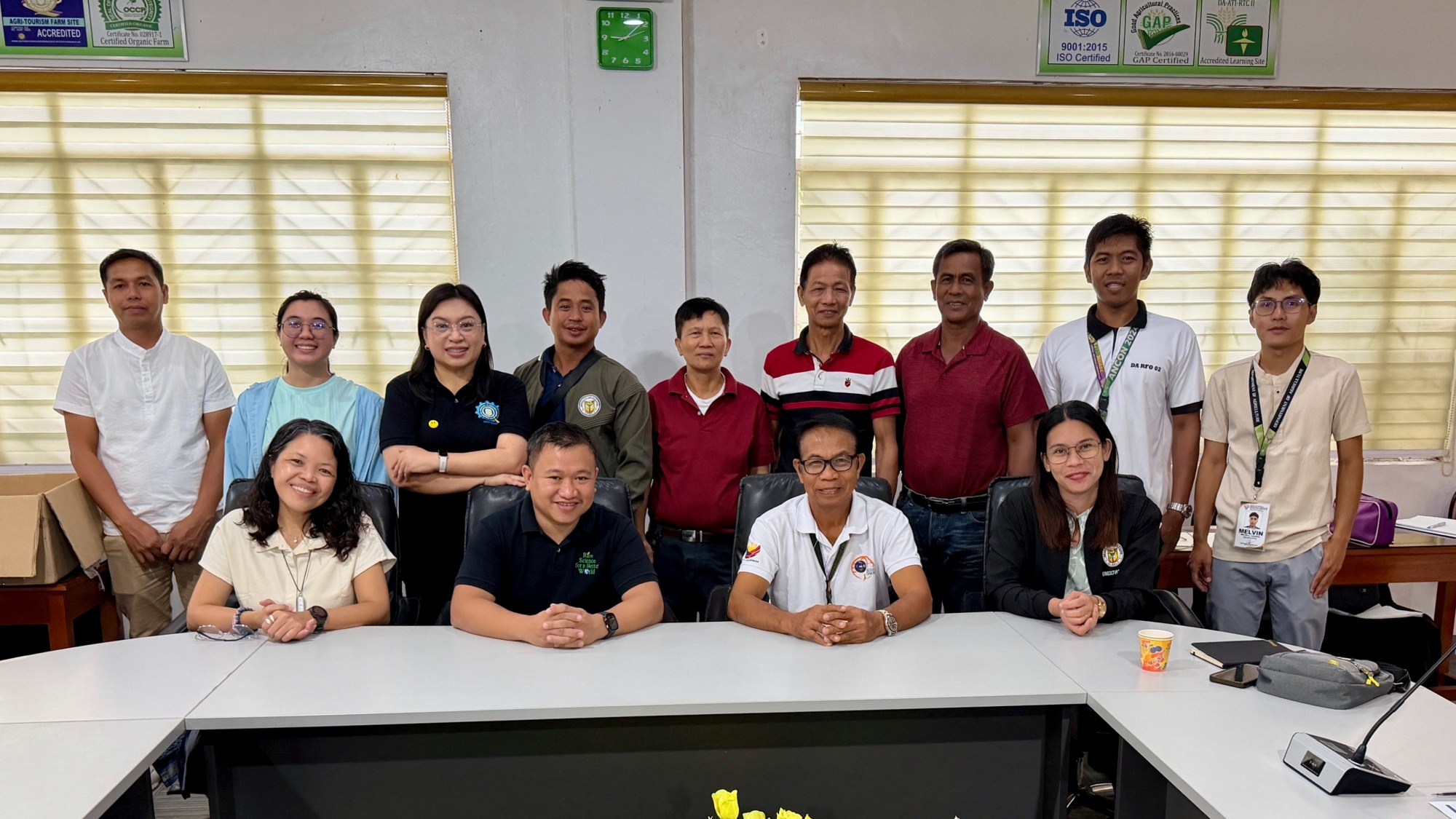
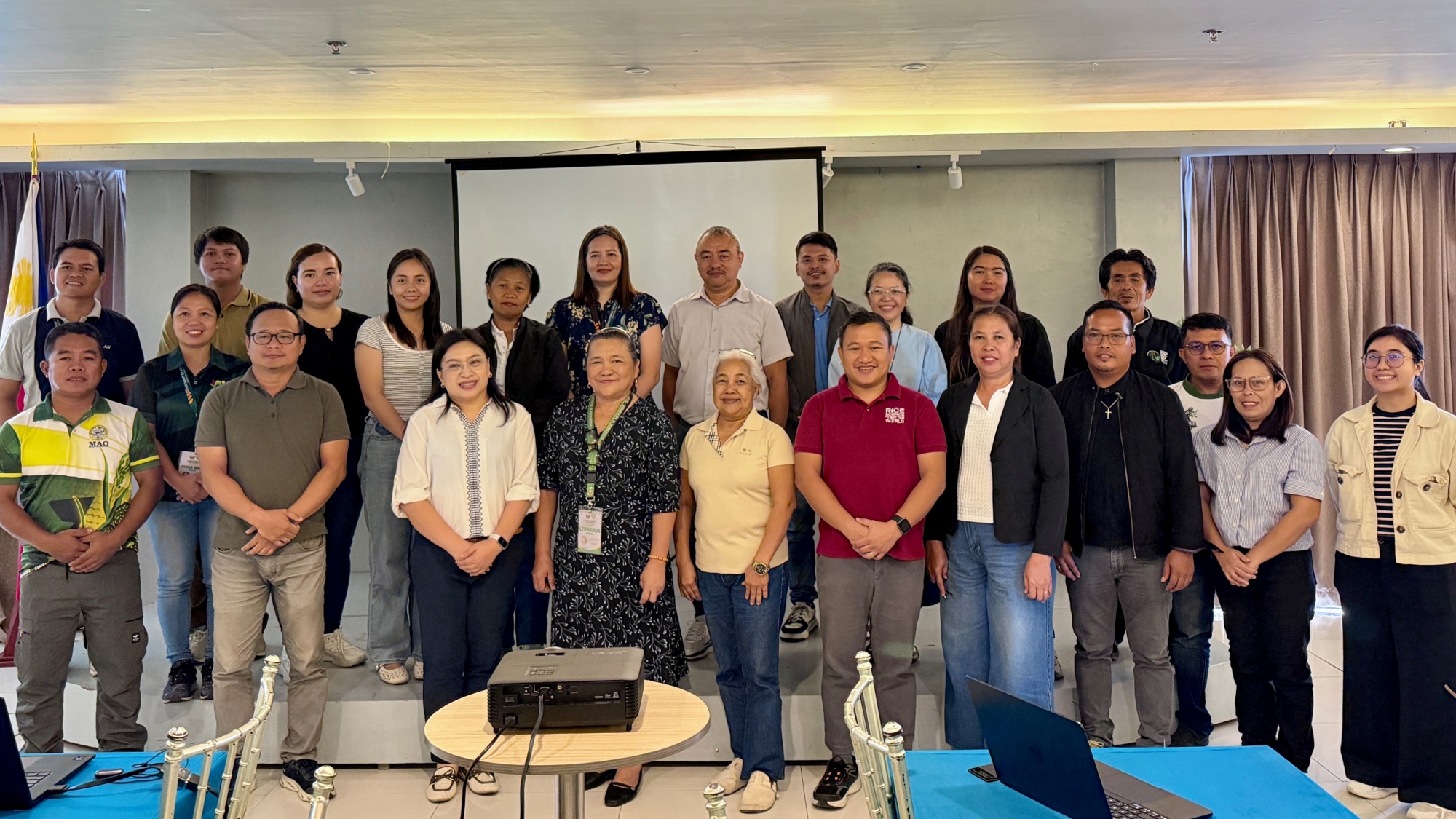
The project team held regional rollouts with SCALE UP partners and implementers on September 8 at the DA-Ilocos Norte Research and Experiment Center (DA-INREC) in Batac, Ilocos Norte; September 10 at the DA-Cagayan Valley Research Center (DA-CVRC) in Ilagan City, Isabela; and September 18 in Tacloban City for Region VIII.
Improving crop targeting through suitability mapping
Matching crops and agricultural technologies to local conditions requires information on climate, soil, and terrain. EFFECT uses these data to map areas suitable for specific crops, considering factors like temperature, rainfall, terrain, and soil properties to determine optimal growing areas and planting schedules. The resulting maps will provide agricultural implementers with spatial evidence to guide local planning and technology deployment.
The project will also train regional and local implementers to use the maps and incorporate available spatial and environmental data into agricultural decision-making.
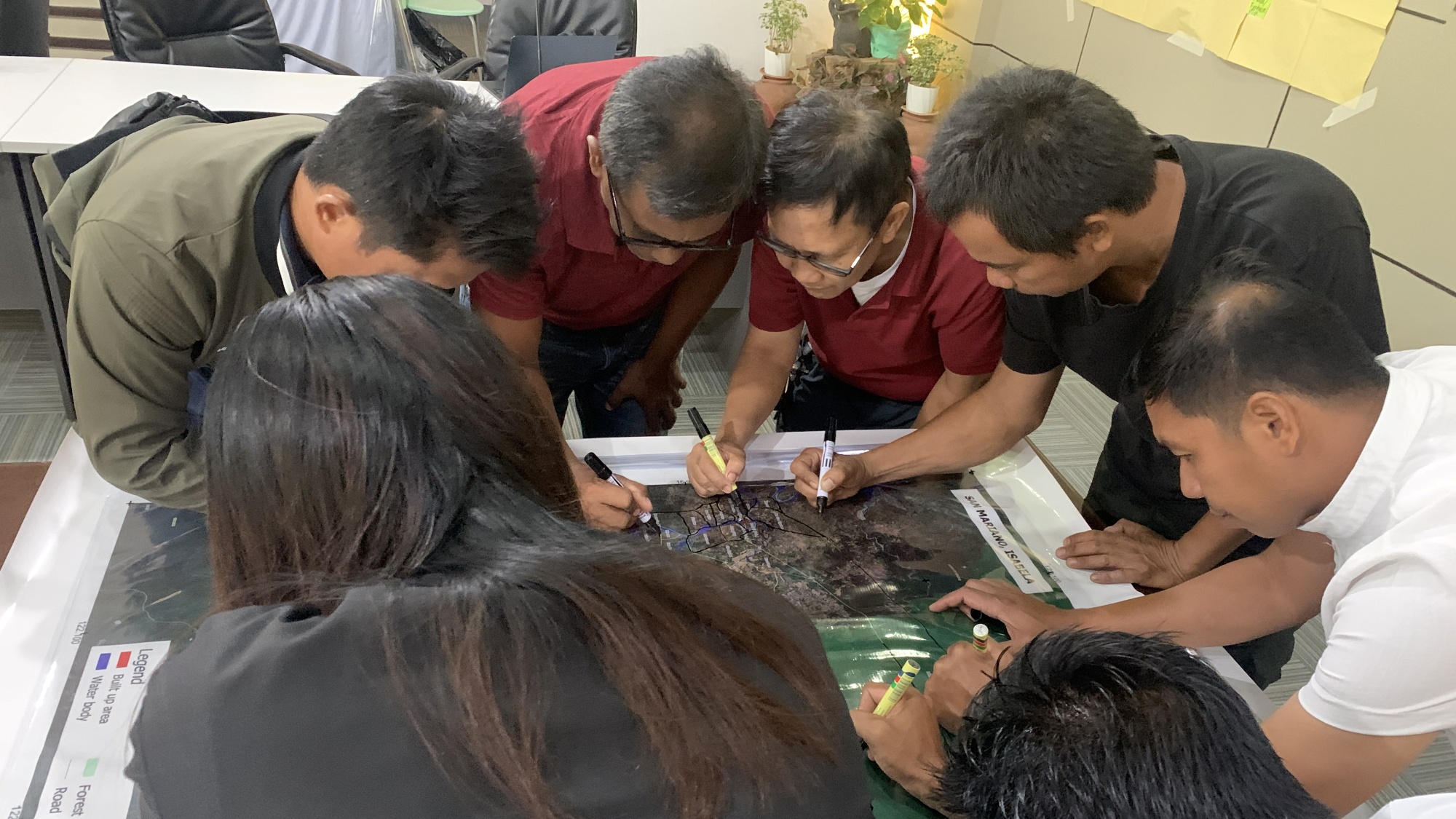
Understanding innovations on the ground
EFFECT also focuses on identifying and documenting agricultural innovations being promoted across designated SCALE UP sites. Through focus group discussions and rapid appraisals, the project team works with local partners to examine existing innovations, how they are delivered to farming communities, and their characteristics.
The team will develop these findings into innovation profiles and integrate them into existing SCALE UP digital repositories, giving implementers and partners a more organized and accessible source of information on available innovations.
These regional activities will establish groundwork for a common but locally adaptable approach to agricultural technology scaling. The suitability maps, innovation profiles, and field-level information generated through the project will help partners identify which innovations to prioritize, where they may be most appropriate, and what conditions can support their wider adoption.
Building capacity for sustained scaling
Following the initial rollout, IRRI and its partners will strengthen the capacity of regional implementers and institutional partners to apply scaling tools and methodologies. The project team will develop training materials and conduct classroom-based training to help practitioners apply and sustain the EFFECT framework beyond the project's implementation period.
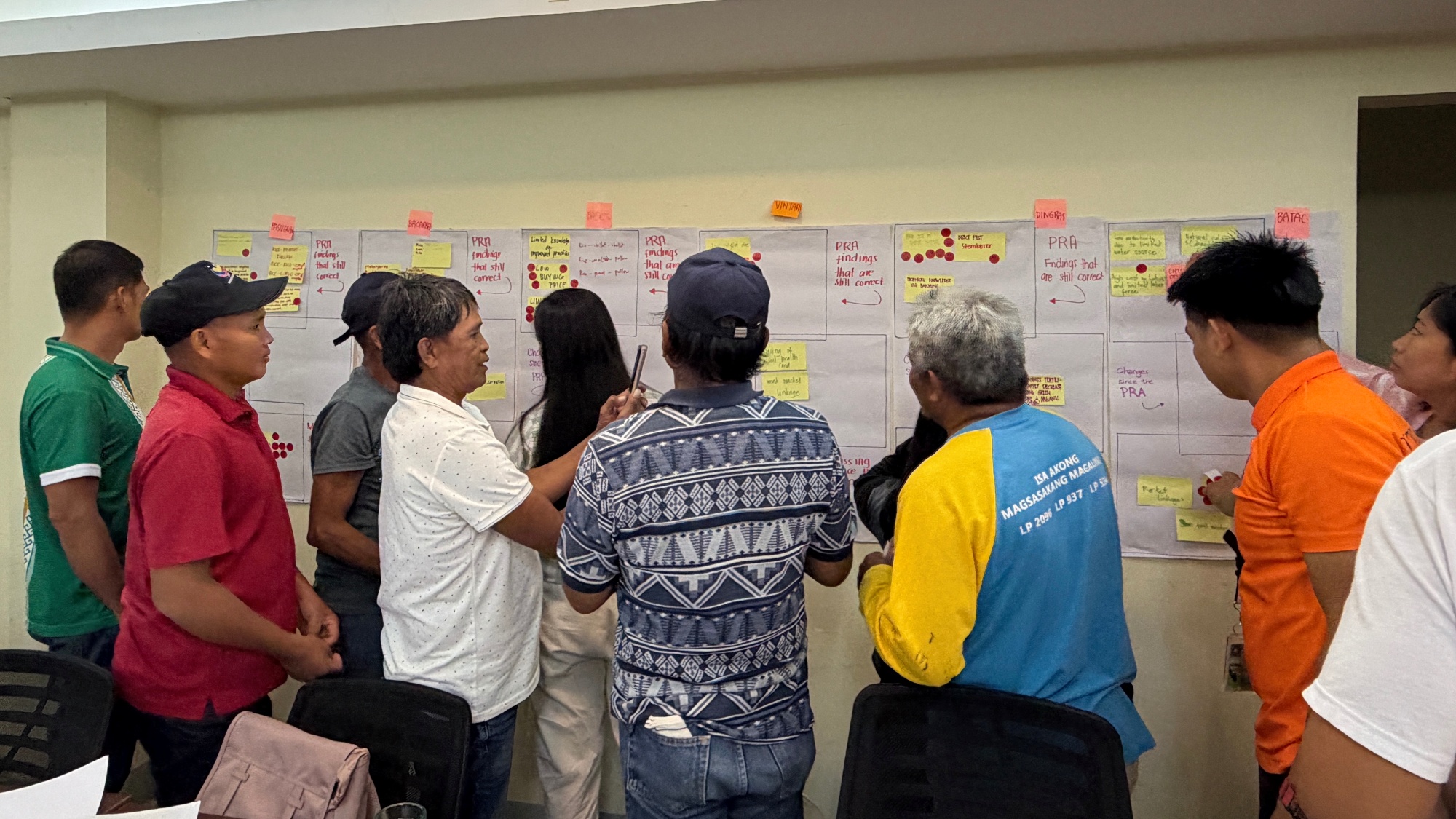
The regional activities were conducted with the support and coordination of the participating DA-RFOs and their SCALE UP teams. The activity was supported by DA-RFO I Regional Executive Director Fidel L. Libao, MMPA, and Project Leader Melinda G. Calumpit (for the Ilocos Region); DA-RFO II Regional Executive Director Rose Mary G. Aquino and Project Leader Rolando D. Pedro (for Cagayan Valley); and DA-RFO VIII Regional Executive Director Rodel G. Macapañas and Project Leader Dr. Leonarda A. Londina (for Eastern Visayas), together with regional and local partners.
The EFFECT project is implemented by IRRI with funding support from DA-Bureau of Agricultural Research, in collaboration with the DA Regional Field Offices in Regions I II, and VIII, local government units, regional agricultural research centers, and SCALE UP partners.
The project also aligns with the CGIAR Scaling for Impact Science Program by bringing scaling frameworks and approaches into the DA-BAR SCALE UP project to strengthen evidence-based planning, implementation, and scaling of agricultural innovations.