Engineering humanity’s most important crops for a warming planet
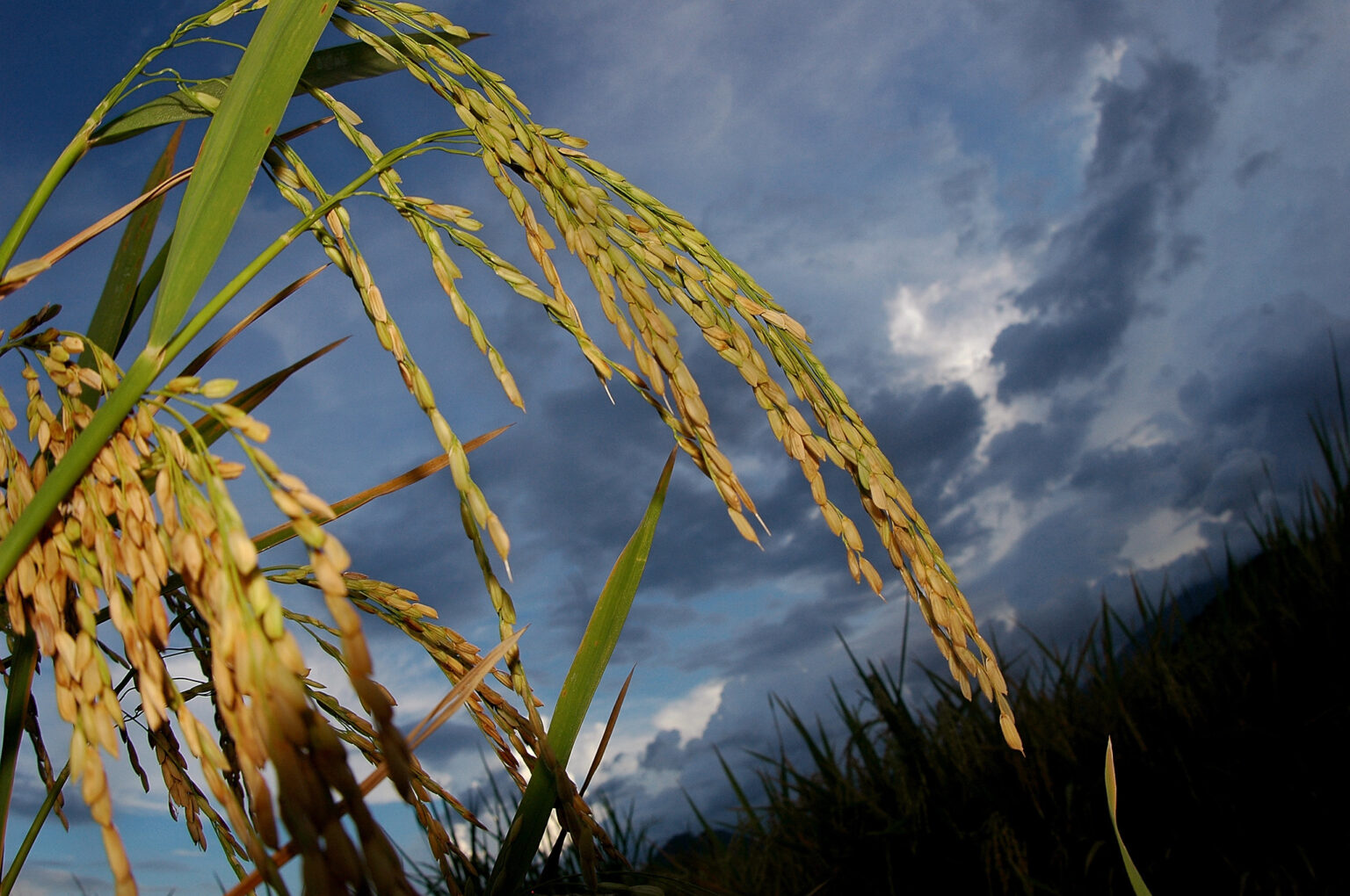
- Rising day and night temperatures are threatening rice, wheat, and maize production by disrupting plant growth, grain filling, and grain quality, putting global food security at risk
- Precision breeding and genome editing offer ways to reprogram plant clocks, optimize flowering and panicle architecture, and protect grain quality under heat stress
- Combining genetic, structural, and digital innovations can provide an opportunity to develop climate-resilient cereals that can maintain yields and quality in a rapidly warming world
By Glenn Concepcion
The world’s “cereal bowl”, or the production of rice, wheat, and maize, is under the dual challenges of a surging human population and a rapidly warming climate. As global temperatures rise, agricultural yields are failing to keep pace with demand, with scientists estimating that the rate of yield increase for these three staple crops must rise by a staggering 37% to ensure food security by 2050.
A particularly insidious and overlooked threat is the rise in high night temperatures, which are increasing nearly twice as fast as daytime temperatures. This nocturnal heat disrupts the delicate internal rhythms of plants, causing “source-sink” imbalances where the energy produced during the day is wasted through excessive respiration at night, ultimately leading to stunted grains and lower grain quality.