Healthier rice varieties set to reach every farm and plate in Odisha
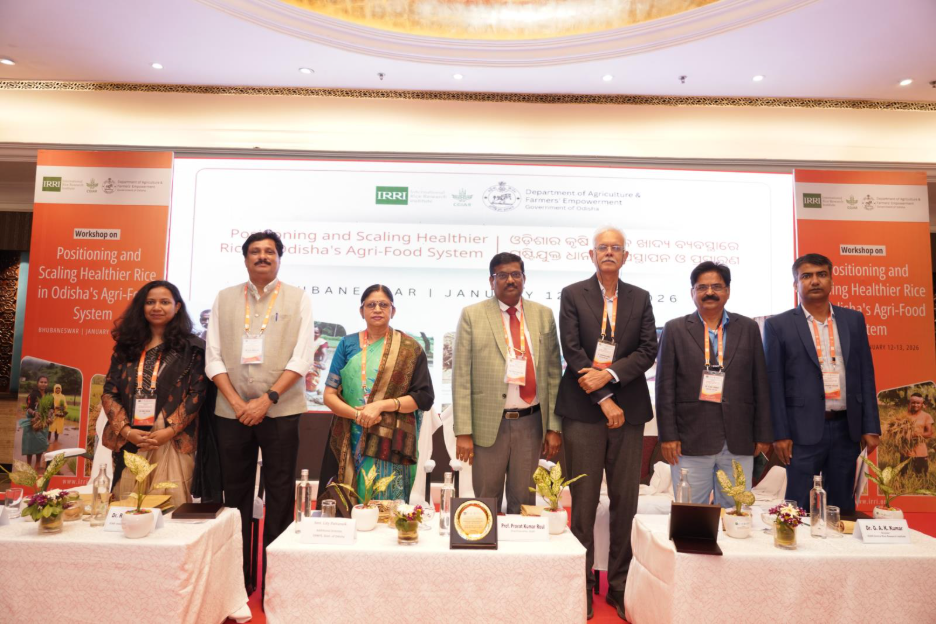
ODISHA, India (12 January 2026) — Scaling healthier rice varieties demands a comprehensive strategy for deployment and scaling. Many promising healthier varieties are developed but often not positioned for widespread adoption.
To effectively scale these varieties to producers and consumers, a strategy and roadmap are necessary. This includes not only the introduction and mainstreaming of new varieties in seed systems, but also the creation of information, knowledge, incentives, skills, and market linkages. Odisha is taking the lead in this approach, working to improve nutrition through healthier staples like rice, while enhancing the livelihoods of farmers and engaging women and community institutions.
In support of this cause, IRRI, in partnership with the Department of Agriculture and Farmers’ Empowerment conducted a two-day workshop titled “Positioning and Scaling Healthier Rice in Odisha’s Agri-Food Systems,” which brought experts to develop a roadmap for expanding specialty rice across the state.
Healthier rice for nutrition and income
Today, India produces enough rice to feed its population and export surplus rice, yet nutritional challenges persist. Diet-related conditions are also rising, with 7% of urban women and 20% of urban men experiencing moderate to high levels of diabetes.
In Odisha, the average monthly income of an agricultural household is ₹5,112 (~55 USD), and per capita rice consumption is about 10.18 kg per month (according to NSO data). This presents a strategic opportunity, as rice is both affordable and a major staple in local diets, making it an ideal vehicle to address undernutrition.
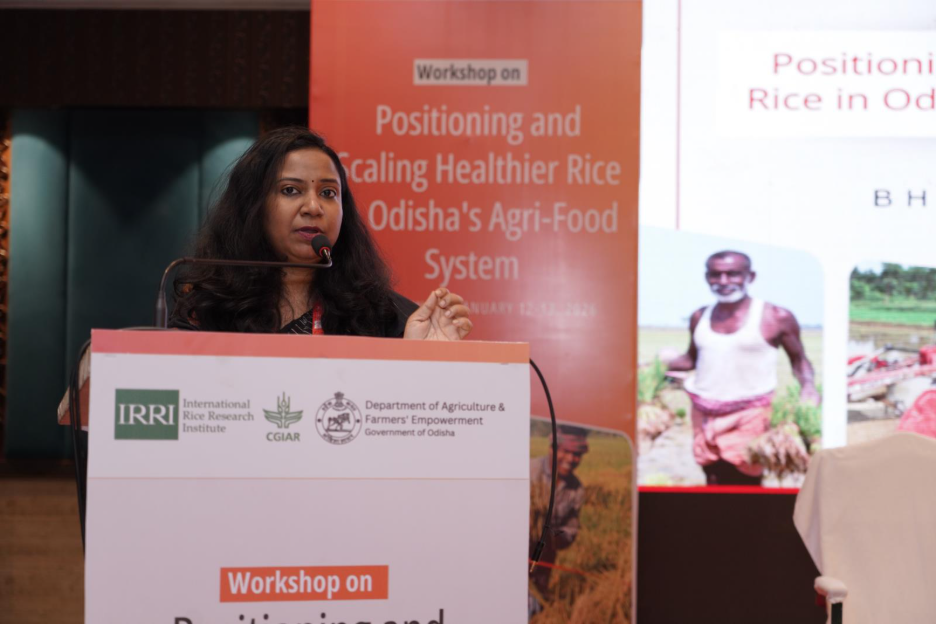
“After the Green Revolution addressed hunger through higher yields, it is time to prioritize nutritional outcomes, targeting major foodgrains such as rice,” said IRRI Scientist Dr. Swati Nayak. “This should be one of the strategies in this direction. We must develop rice that is inherently healthier and better than what we eat today.”
The Government of Odisha has taken a series of progressive and well-thought-out measures to transform the state’s agri-food system. Scaling and value addition in agriculture through healthier rice is one such bold step in this direction.
The road to healthier plates starts with dedicated research efforts and priorities
Modern breeding techniques now allow varieties that combine high yields with improved nutrition, including higher levels of zinc, iron, protein, and a healthier glycemic index.
“Most biofortified varieties perform as well as traditional rice, and at least 25 enriched varieties have been released through Central and State committees,” said Dr. Raman Meenakshi Sundaram, Director of ICAR-IIRR. “With recent research outcomes around healthier varieties, farmers do not need to sacrifice yield to grow nutritious rice.”
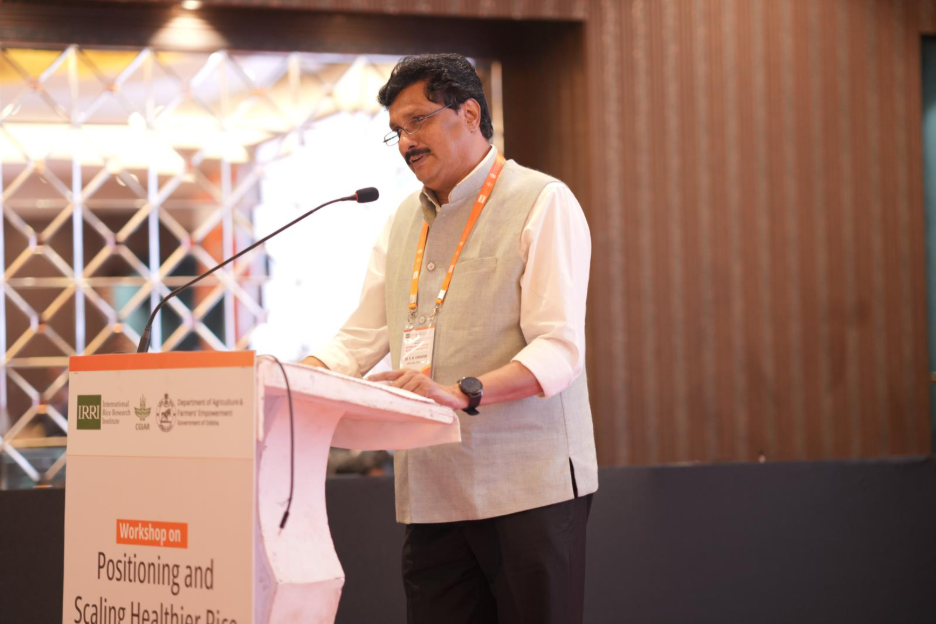
Despite these advances, specialty rice accounts for only 1.5–2% of annual planting, even in Odisha, which produces nearly 11 million tons of paddy each year. This highlights the need for stronger coordination across research, seed systems, markets, and policy.
The Specialty Rice Project
Dr. Sankalp Bhosale, Deputy Head of IRRI’s Rice Breeding Innovations Department, calls for refocusing investments to diversify the rice portfolio, emphasizing that “this approach addresses nutrition, climate resilience, and livelihoods simultaneously.”
As part of this effort, IRRI, in partnership with the Government of Odisha and the Department of Agriculture and Farmers Empowerment, is implementing a three-year specialty rice project (April 2024–March 2027). The project aims to reach 15,000 farmers across Bhadrak, Mayurbhanj, Ganjam, and Balangir, covering 2,000 hectares annually, with women making up 40% of participants.
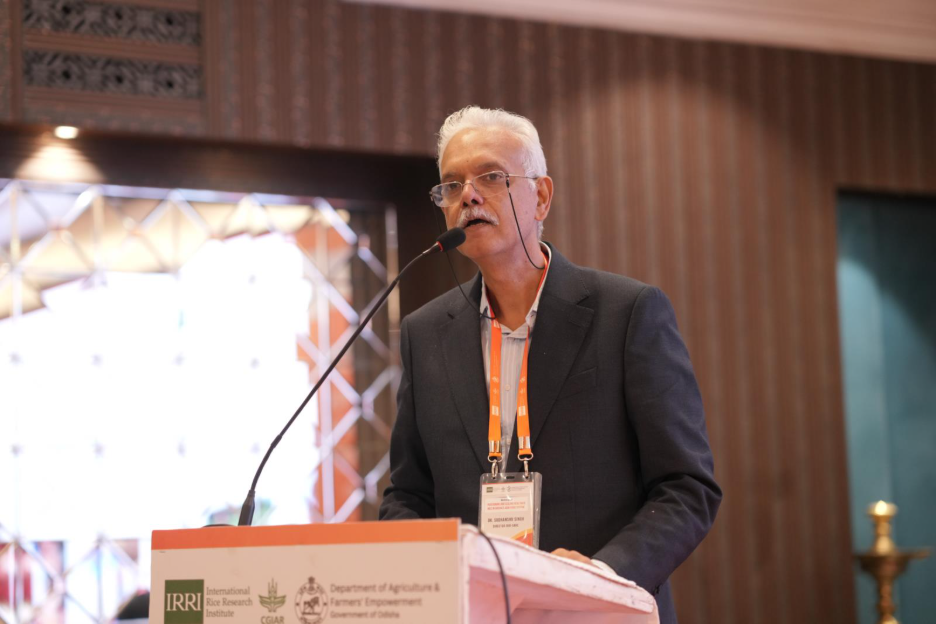
“This is the right time to shift from traditional hybrids to specialty rices, such as low-GI, biofortified, and high-protein varieties,” said Dr. Sudhanshu Singh, Director of IRRI South Asia Regional Centre (ISARC). “This transition supports diversification and opens new market and export opportunities,” he added.
IRRI supports these efforts through multi-location on-farm testing to ensure varieties meet farmers’ needs and consumer preferences. Prominent varieties include Telnagan Sona, BRRI Dhan 69, BRRI Dhan 84, CR Dhan 315, and CR Dhan 311.
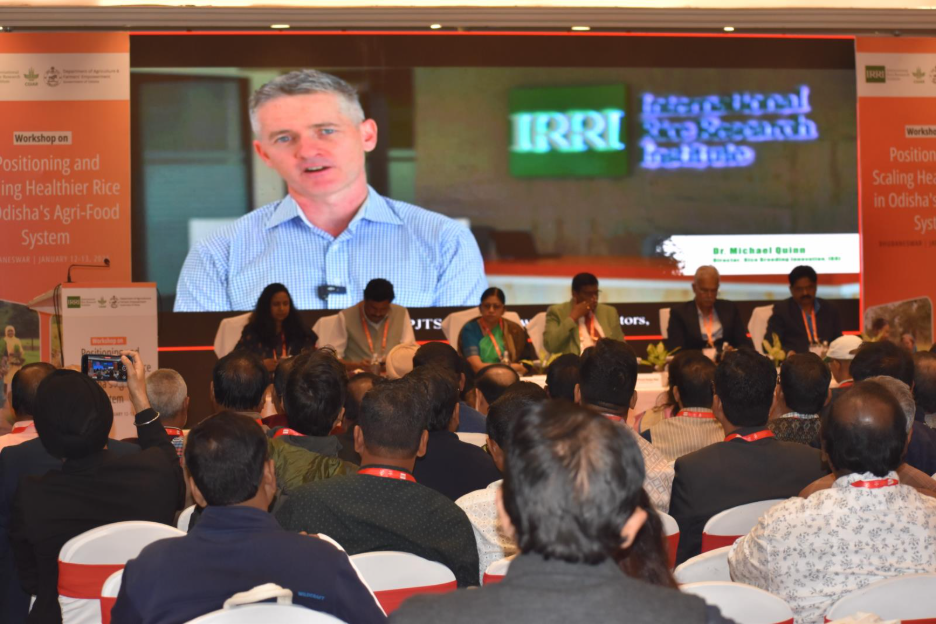
“Yield remains essential, but future varieties must also deliver nutrition, quality, resilience, and market appeal,” said Dr. Michael Quinn, IRRI’s Research Director for Rice Breeding Innovations.
Policy and market support
Government partners emphasized linking rice production with improved nutrition. Specialty rice requires robust certification and policy frameworks to complement, not compete with, conventional rice.
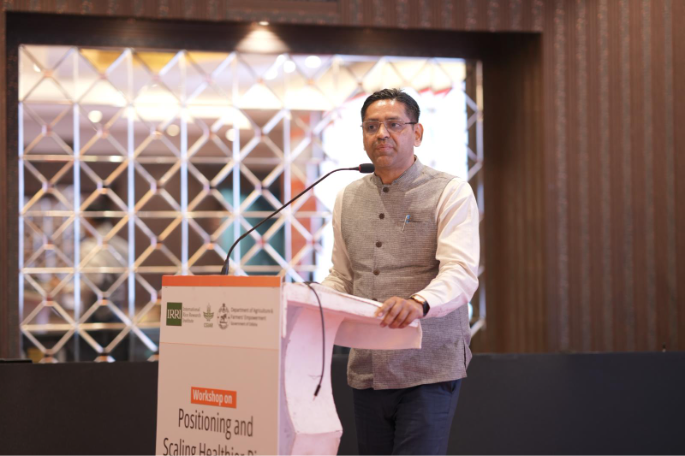
“With women farmers and consumers at the center, and farmer-producer organization-led clusters focused on specialty rice and its targeted seed systems, Odisha can build nutrition, create export value, and position these varieties as a priority,” said Shubhranshu Mishra, Additional Secretary, Department of Agriculture.
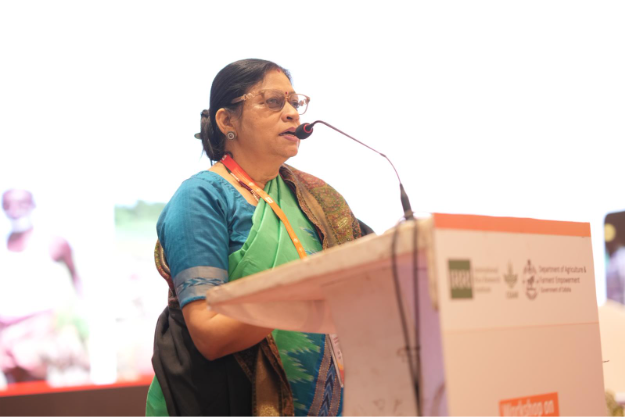
Liti Pattnaik, Additional Director of the Directorate of Agriculture and Food Production, noted that higher Minimum Support Prices and a well-designed incentive system for specialty rice would encourage farmers and strengthen markets.
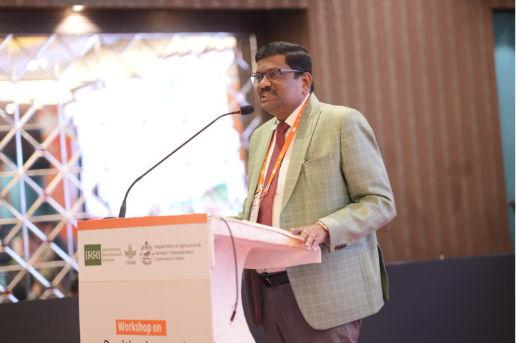
Dr. Pravat Kumar Roul, Vice Chancellor of Odisha University of Agriculture and Technology and the chief guest of the event, emphasized the screening of the varieties that are loaded with more nutrition than conventional rice and called for strategizing the extension for a fast-paced diffusion.
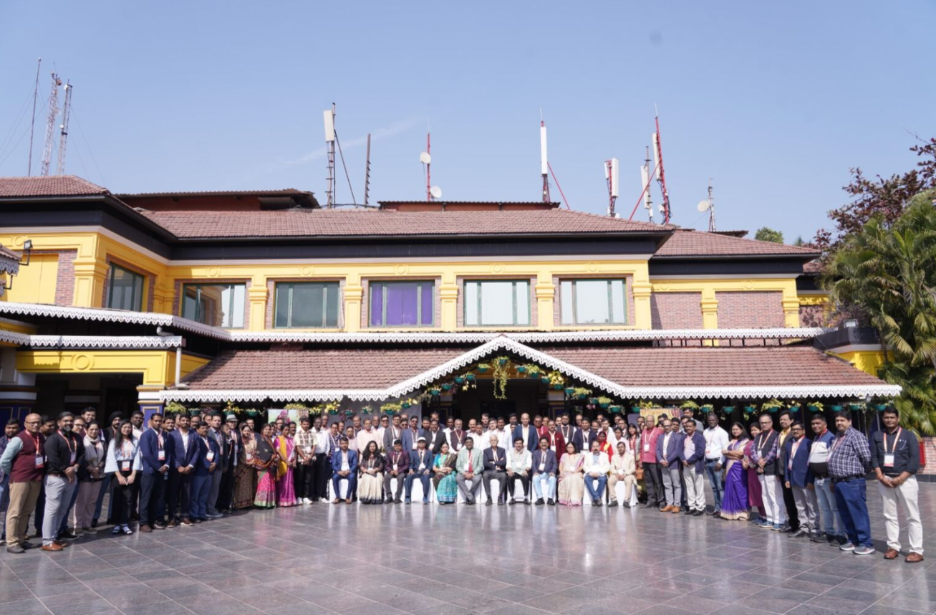
Panels at the workshop explore strengthening seed systems, building markets, and embedding healthier rice into public programs. Institutions such as the Odisha State Seed Corporation, UP Beej Nigam, National Seeds Corporation, Agricultural and Processed Food Products Export Development Authority (APEDA), National Bank for Agriculture and Rural Development (NABARD), and the ICMR-National Institute of Nutrition (NIN), IFPRI, Harvest Plus, Directorate of Marketing and Inspection (MoAFW), rice millers and exporters, and private companies like Sugar Watchers, Pratithi Foods, emphasized their roles in ensuring last-mile delivery, market linkages, and government procurement. Several other CGIAR centers such as ICARDA, ICRISAT, and CIP also attended the workshop, reinforcing healthier rice as a critical part of agri-food system interventions.
Members of Farmers Producers Companies (FPC), entrepreneurs, and growers were also part of these two-day deliberations.
With research, policy, and markets aligned, Odisha is on track to ensure healthier rice reaches farmers and consumers, improving diets and livelihoods across the state.