IRRI, DCCE explore strategic collaboration to advance Thailand’s rice GHG inventory and reporting
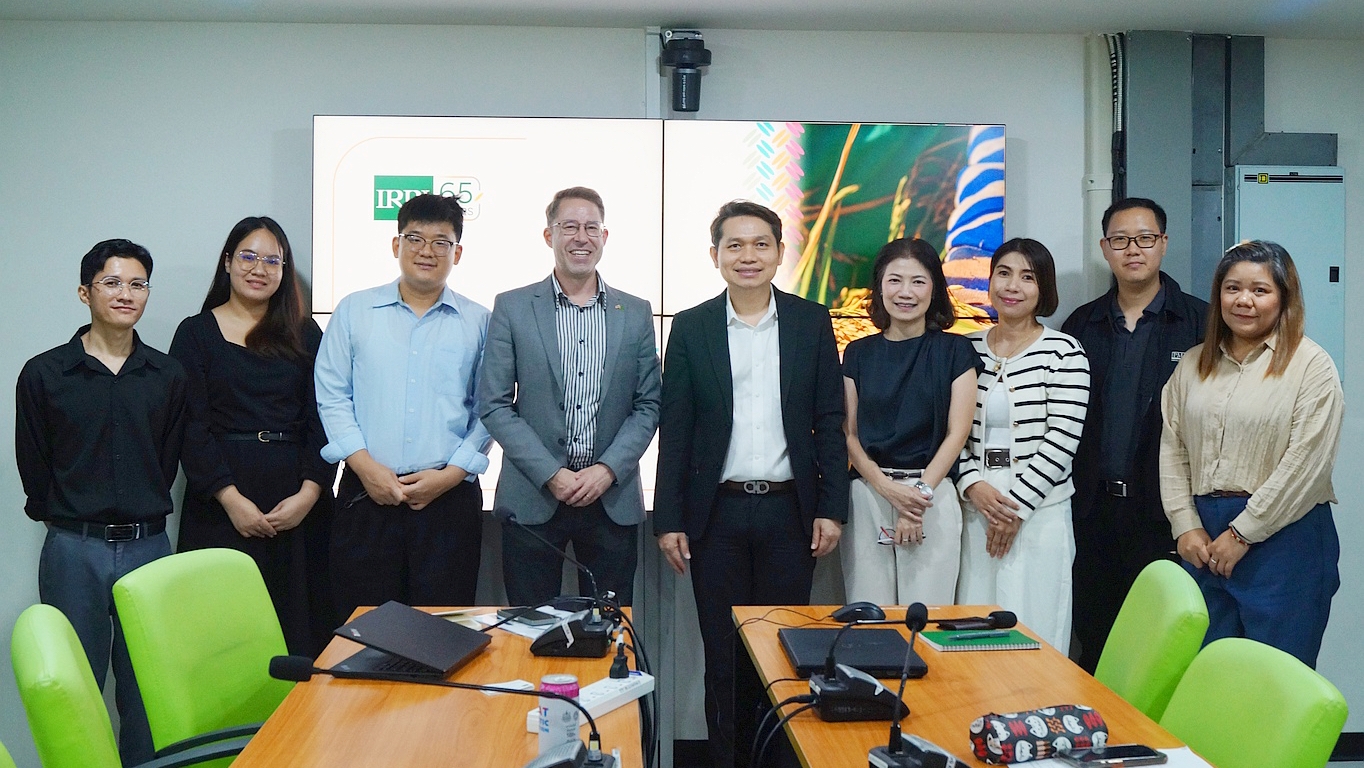
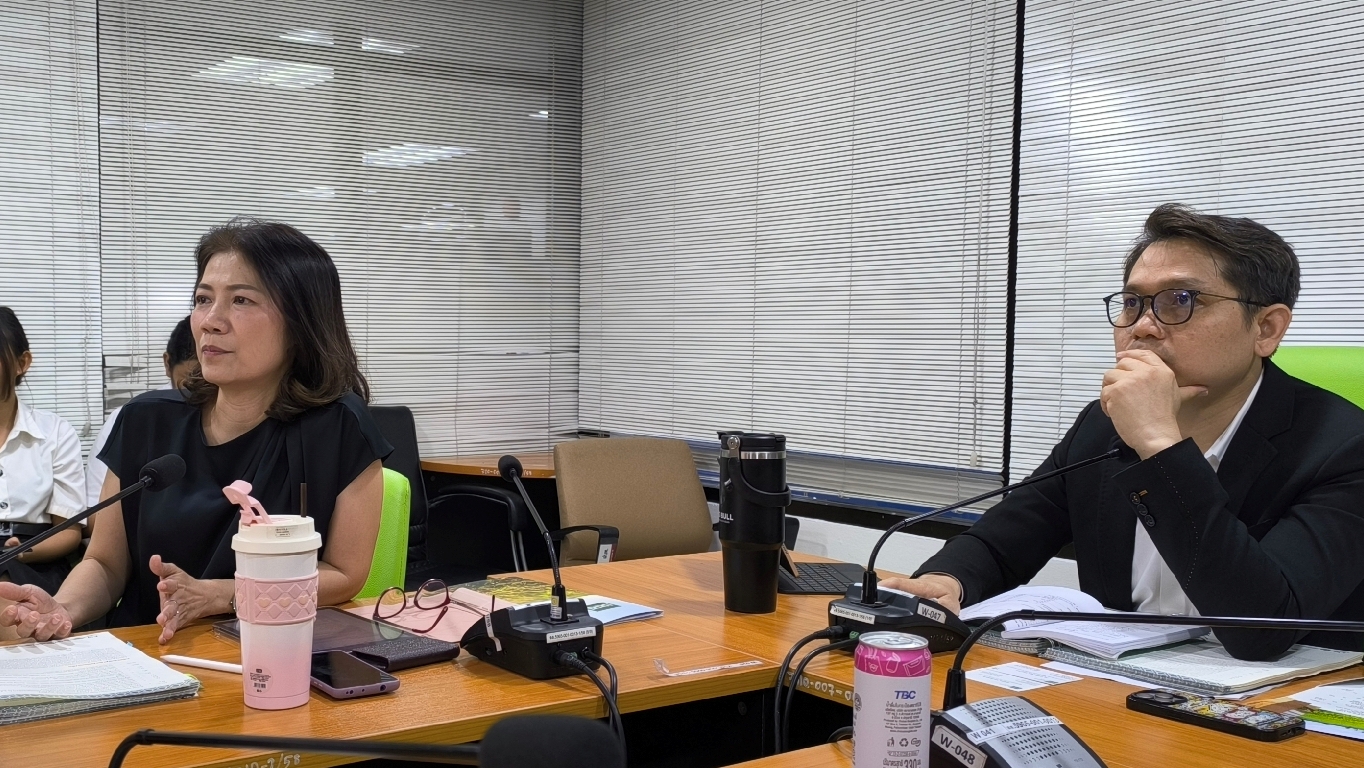
BANGKOK, Thailand (3 April 2026)—The International Rice Research Institute (IRRI) Thailand Office, represented by Dr. Bjoern Ole Sander, IRRI Thailand Country Representative and Senior Scientist and Mr. Vorayuth Pakachaipong, IRRI Associate Scientist, met with representatives from Thailand’s Department of Climate Change and Environment (DCCE), led by Mr. Sivach Kaewcharoen, Director of Climate Change Mitigation Division, and Ms. Nitipa Worrapantrakul, Director of GHG Emission Mitigation Assessment Section. The engagement marked IRRI’s formal introduction to DCCE to establish relations and explore technical collaborations to refine Thailand's greenhouse gas (GHG) inventory and reporting strategies in the rice sector.
A primary focus of the discussion was the alignment of project-based GHG estimations with the national GHG inventory. Dr. Sander emphasized the importance of mutual understanding regarding reporting frameworks.
"Our goal is to better understand the process and procedure employed by DCCE in the Biennial Transparency Report (BTR), explain the method used by IRRI under the Thai Rice GCF project’s GHG emission baseline assessment, and discuss how IRRI’s technical expertise can support the alignment of both approaches together with advancing the national rice GHG inventory and reporting," he stated.
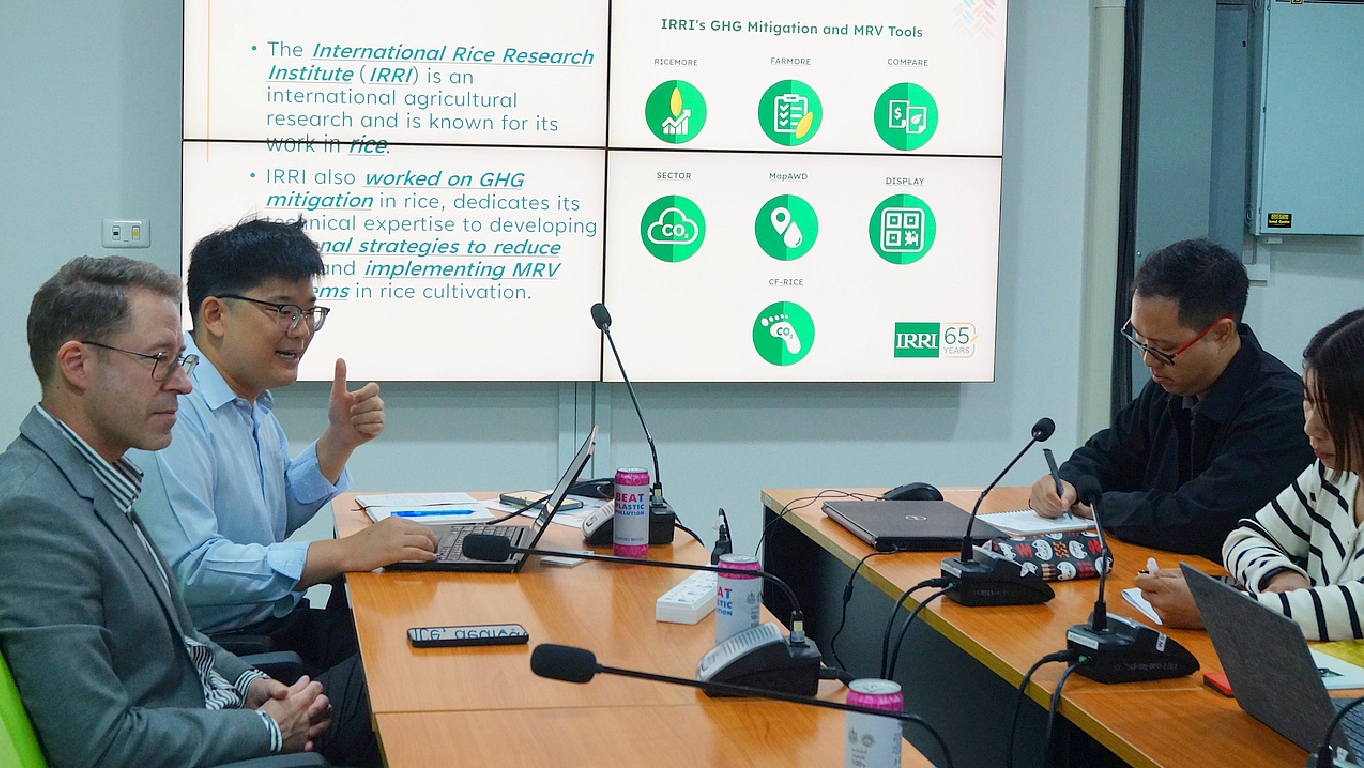
Building on this, Mr. Pakachaipong briefed the DCCE on IRRI’s experience and current project activities on GHG mitigation, MRV systems, and NDC in rice. He presented IRRI-developed GHG mitigation and MRV tools (e.g., RiceMoRe, SECTOR, and MapAWD) and the institute’s work in the current Thai Rice GCF project.
DCCE expressed strong interest in IRRI’s research, noting its direct relevance to Thailand's national climate goals. Ms. Worrapantrakul shared that DCCE is currently working on a project dedicated to improving GHG emission factors and strengthening inventory development in agriculture.
DCCE directors noted that the dialogue also opened new opportunities to collaborate on Thailand’s transition to a more advanced Tier 2 emissions reporting system and, in the long term, towards Tier 3. Furthermore, the meeting addressed historical hurdles in climate-smart agriculture. DCCE welcomed IRRI’s expertise to help address known challenges in the adoption of sustainable rice practices that have persisted since the previous Thai Rice NAMA project.
Looking towards the future of digital agriculture, both parties acknowledged the potential of satellite-based remote sensing for monitoring GHG emissions. While agreeing that this emerging technology requires further advancement before national utilization, its strategic value was positively recognized.
Dr. Sander stressed the unique position of the country in this area. "Together with the Rice Department and the Geo-Informatics and Space Technology Development Agency (GISTDA), Thailand has an opportunity to be the first country to take advantage of this technology due to its advanced technological capabilities," he stated.
This engagement lays the groundwork for deeper technical alignment and future collaborations, highlighting IRRI and DCCE's mutual commitment for knowledge sharing, particularly on detailed GHG estimation methodologies.