Partners and IRRI highlight pathways to strengthen India’s rice sector through policy and incentive alignment
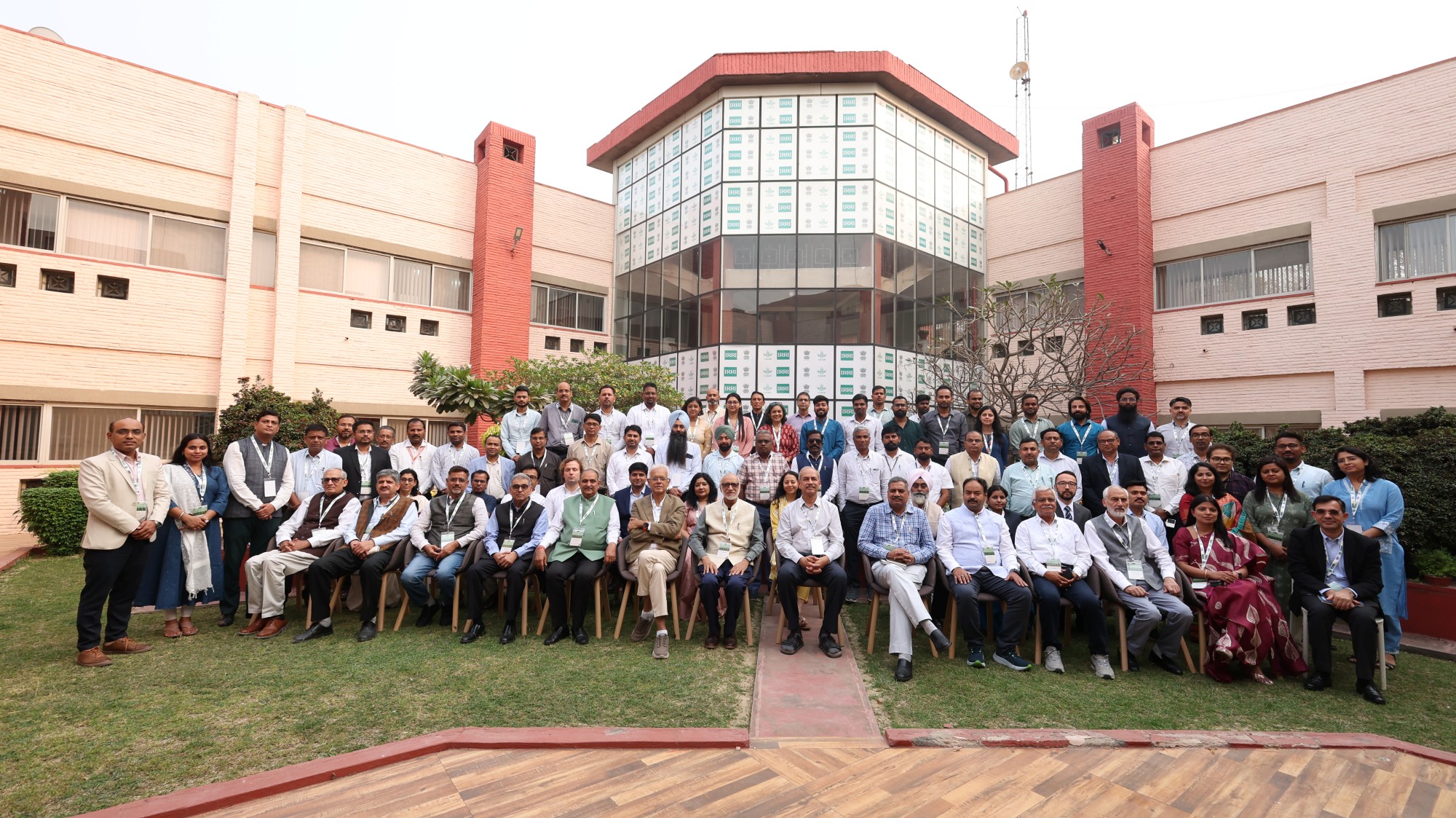
Varanasi, India (7 March 2026) — India faces an urgent need to rethink its rice policies as environmental and climate pressures threaten the country’s position as a global rice leader. India produces 150 million metric tons of rice, accounting for 28% of global output, and exports about 20 million metric tons, or roughly 40% of the world rice trade. Despite these figures, traditional rice–wheat systems are under strain from declining groundwater, soil degradation, rising labor costs, and greenhouse gas emissions. Experts are calling for re-designing of incentive systems for farmers, wider adoption of Direct Seeded Rice (DSR), and stronger collaboration among farmers, researchers, and policymakers to create resilient and resource-efficient rice systems.
The recommendations came during the two-day national policy dialogue, “Repurposing Rice Policies for Sustainable and Resilient Systems in India: Lessons and Priorities,” jointly organized by the IRRI South Asia Regional Centre (ISARC) and the Indian Council for Research on International Economic Relations (ICRIER) from March 7-8, 2026.
The two-day dialogue brought together policymakers, scientists, economists, and representatives from leading institutions such as IRRI, ICRIER, and ICAR, along with senior government officials, including Shri Awanish Kumar Awasthi, Advisor to the Chief Minister, GoUP; Shri Ravinder, Principal Secretary, Agriculture, GoUP; Dr. K. V. Raju, Economic Advisor to the Chief Minister, GoUP; Dr. Rajbir Singh, DDG (Agricultural Extension), ICAR; Dr. A. K. Singh, Padma Shri and Former Director, ICAR-IARI; Dr. Shiv Kumar, Director, ICAR-NIAP; Dr. G. A. K. Kumar, Director, ICAR-CRRI; Dr. J. S. Mishra, Director, ICAR-Directorate of Weed Research; Prof. Baldev Raj Kamboj, Vice Chancellor, CCS Haryana Agricultural University; and Dr. U. P. Singh, Director, IAS, BHU - reflecting strong policy, institutional, and scientific leadership in advancing sustainable agriculture.
The dialogue examined long-standing policies, including minimum support prices, assured procurement, and input subsidies. While these measures have ensured national food security, they have also transformed India from a rice-deficient-deficit to a rice-surplus nation. India’s rice stocks stood at about 63.7 million metric tons in January 2026, nearly ten times the buffer norm, creating high storage costs even as per-capita consumption declines.
Inaugural Session Highlights (Day 1)
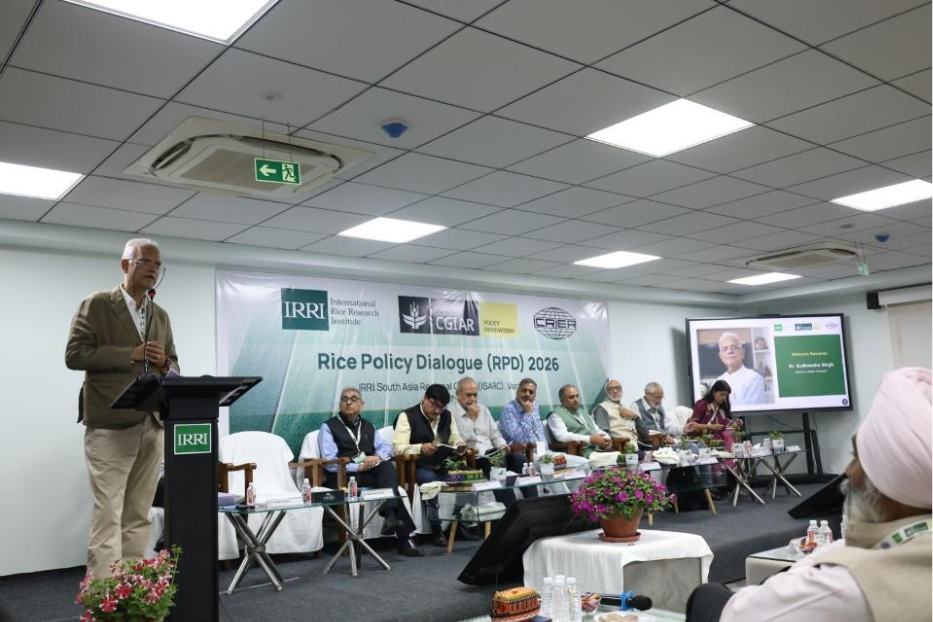
Opening the event, Dr. Sudhanshu Singh, Director of ISARC, warmly welcomed all the distinguished guests and participants and emphasized the Center’s commitment to evidence-driven innovations and policy engagement to strengthen India’s rice-based food systems.
“It is critical to repurpose policies to improve resource-use efficiency and output per unit area. Innovations such as DSR can help address labor and water crises while reducing production costs,” he said.
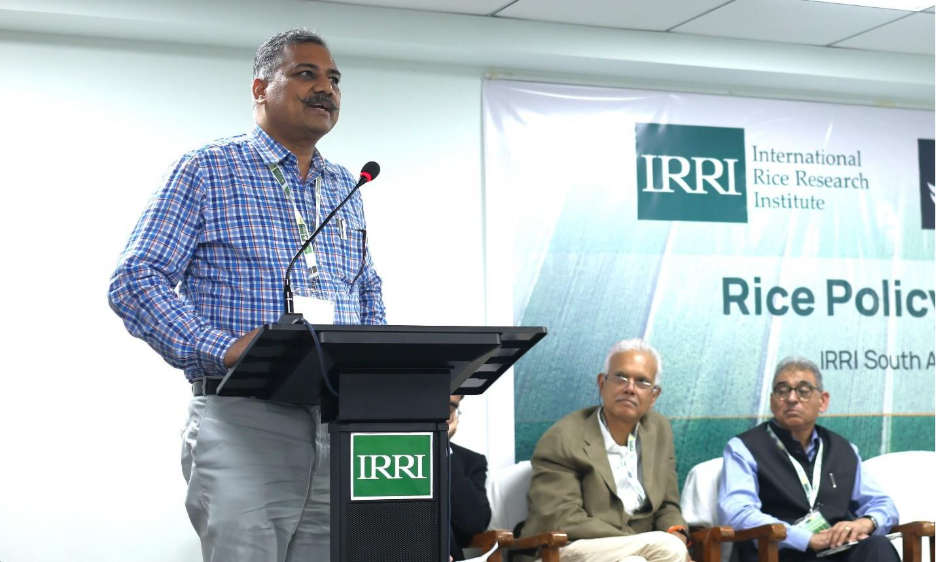
Shri Ravinder, Principal Secretary, Agriculture, Government of Uttar Pradesh, highlighted the complexity of agricultural policymaking, noting that it involves multiple stakeholders at the central, state, and local levels, and requires a careful balance of diverse interests. He underscored the potential of DSR to transform rice cultivation by enhancing water-use efficiency and promoting more sustainable agricultural practices.
He further emphasized the importance of policy dialogue platforms in enabling constructive engagement among stakeholders and supporting evidence-based decision-making to guide effective and inclusive agricultural reforms.
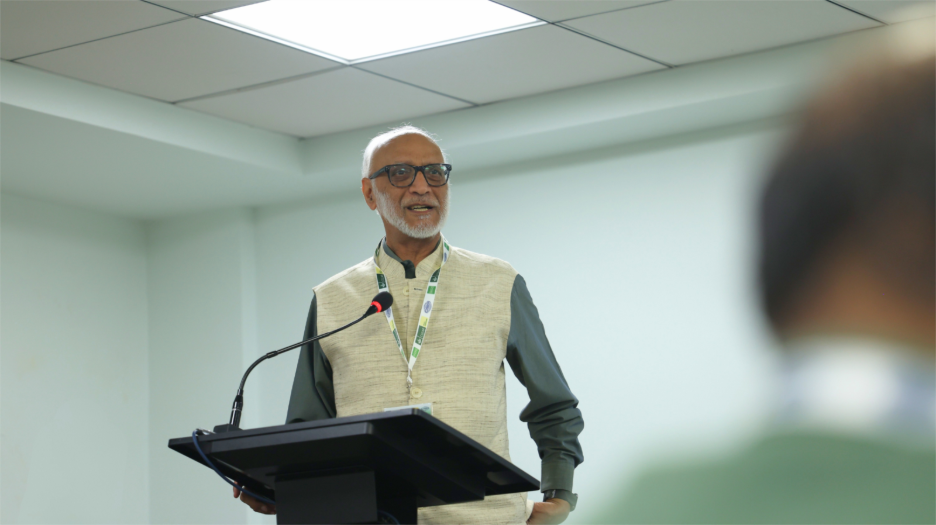
Dr. Ashok Gulati, Distinguished Professor at ICRIER, recommended shifting subsidies toward crop-neutral incentives to encourage farmers to diversify away from water-intensive rice. He outlined a four-point approach—policy, product, practice, and partnership—to guide the shift toward resilient agricultural systems.
Environmental challenges are particularly acute in Northern India, where rice fields emit roughly 5 tons of carbon dioxide-equivalent per hectare and groundwater levels fall by 1.7 feet annually. Studies show that DSR can reduce irrigation requirements by 20-25% and cut methane emissions by 18–20%, without impacting yield, but adoption remains low due to gaps between research and field implementation.
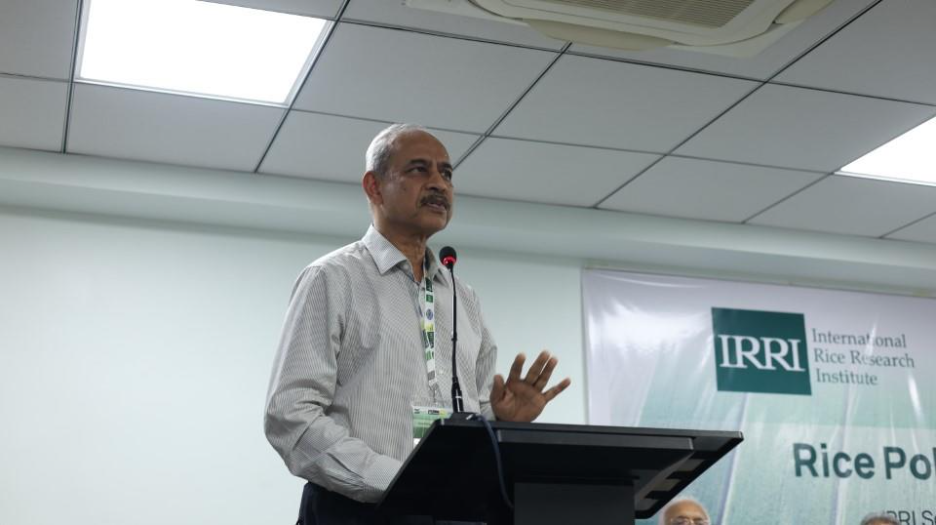
Dr. K. V. Raju, Economic Advisor to the Chief Minister of Uttar Pradesh, highlighted key challenges in India’s rice sector, including declining groundwater levels, rising labor costs, and shifting rainfall patterns. He emphasized the need for data-driven strategies, pilot interventions in states like Uttar Pradesh, value-chain support for adopting sustainable technologies such as DSR, and safety-net measures to facilitate crop switching.
“Carefully selected demonstration sites and empirically identified bottlenecks can help governments repurpose regional rice policies more effectively, with institutional collaboration and consortium models serving as key catalysts,” Dr. Raju said.
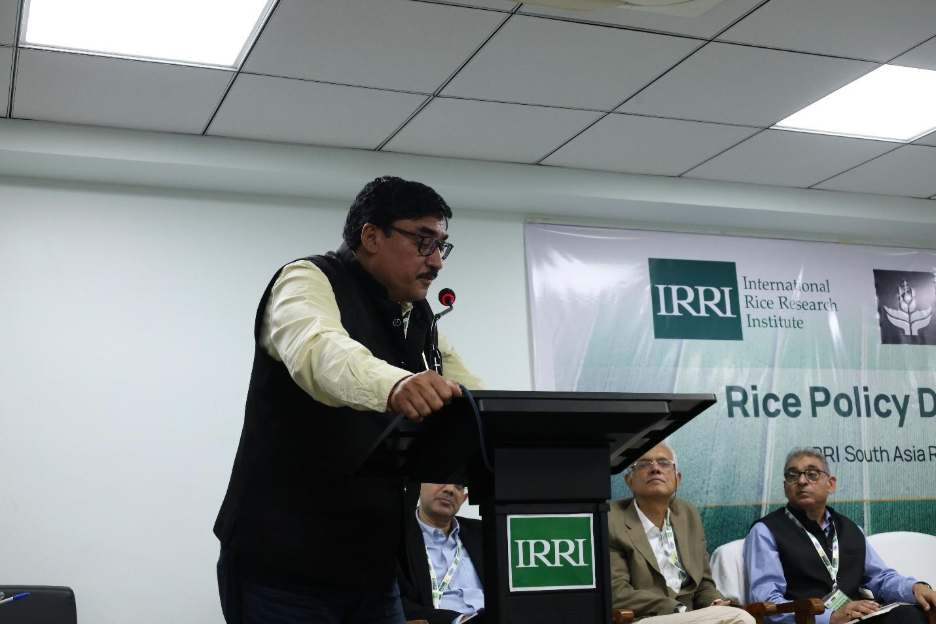
Dr. Rajbir Singh, Deputy Director General- Agricultural Extension, ICAR, highlighted that rice remains a key and resilient kharif (monsoon) crop, with its area expanding in recent years despite efforts to promote diversification. He pointed out that even with incentives in states like Punjab and Haryana, farmers prefer rice due to its importance for food security and stable returns.
He also highlighted the need to improve productivity while gradually reducing area and stressed that technologies like DSR require proper training, soil monitoring, and advisory support to scale effectively.
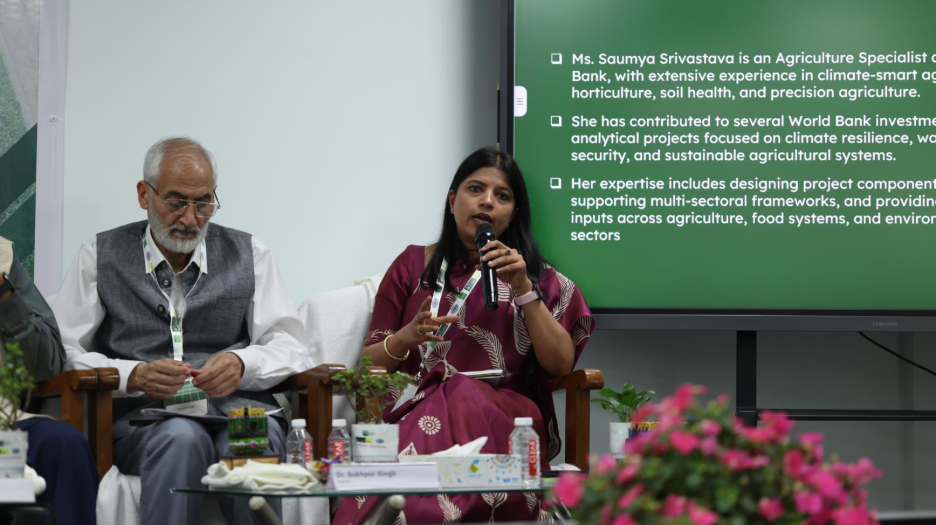
Ms. Soumya Srivastava, Agriculture Specialist, World Bank, highlighted the importance of coordinated, science-based policymaking supported by strong partnerships among government, academia, and institutions.
She stressed the need for field validation and scaling of technologies to ensure effective and sustainable adoption by farmers.
Closing Ceremony Highlights (Day 2)
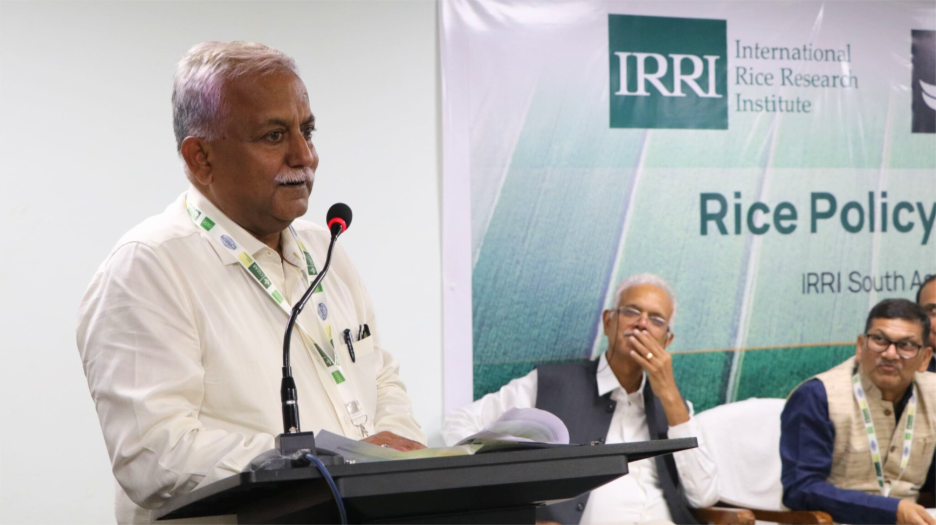
Delivering the keynote address as Chief Guest, Shri Awanish Kumar Awasthi, Advisor to the Chief Minister of Uttar Pradesh, emphasized the state’s commitment to expanding DSR adoption by enhancing mechanization and providing targeted support to farmers. “Promotion of DSR is a key strategy to improve production efficiency and reduce water use. The government plans to procure around 15,000 machines to support large-scale DSR adoption,” he said.
He added that digital farmer databases, such as Pradhan Mantri Kisan Samman Nidhi, can help target farmers for technology adoption programs.
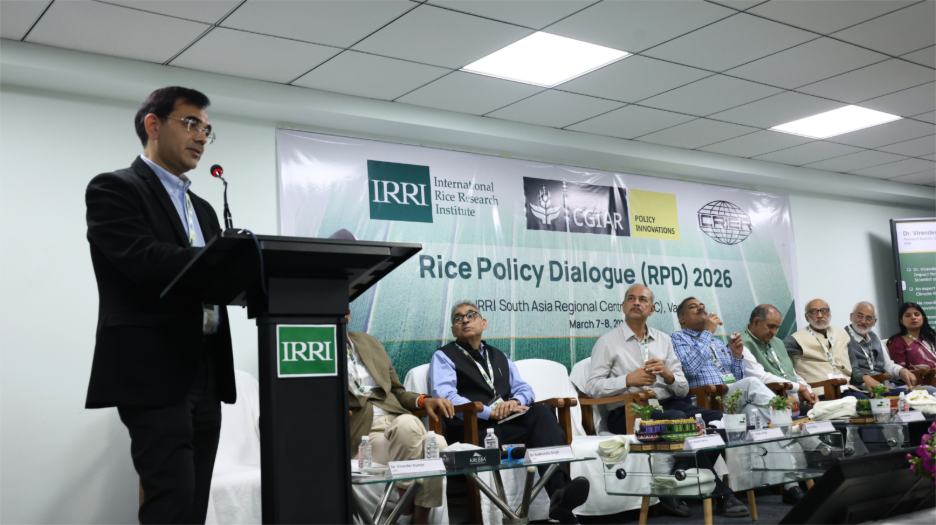
Closing the dialogue, Dr. Virender Kumar, Research Director, IRRI, said “Rice cultivation is often seen as part of the climate problem, but improved practices can transform it into a climate-resilient solution.”
He emphasized the role of research, participatory approaches, and precise planning: “Environmental sustainability must be at the forefront of agricultural planning, requiring precise mapping to identify where and how to implement these technologies for maximum impact.”
Furthermore, Dr. Kumar highlighted the importance of convergence platforms and multi-stakeholder networks in creating a supportive ecosystem for DSR adoption. The Grow Indigo carbon credit initiative benefiting farmers was also discussed, along with focused white-paper sessions where experts and state teams developed practical policy recommendations.
During the closing ceremony, Shri Awasthi and all distinguished dignitaries launched the “Proceedings of the Global Direct Seeded Rice (DSR) Conclave,” held from 5–7 October 2025 at ISARC. The publication highlights key global insights and policy directions to advance climate‑resilient, resource‑efficient DSR systems in India.
Insights from the dialogue will feed into state-level white papers, where experts and government representatives will develop practical policy recommendations to support India’s transition toward sustainable and resilient rice systems.