Kerala emerges as a hub for low-emission rice innovations
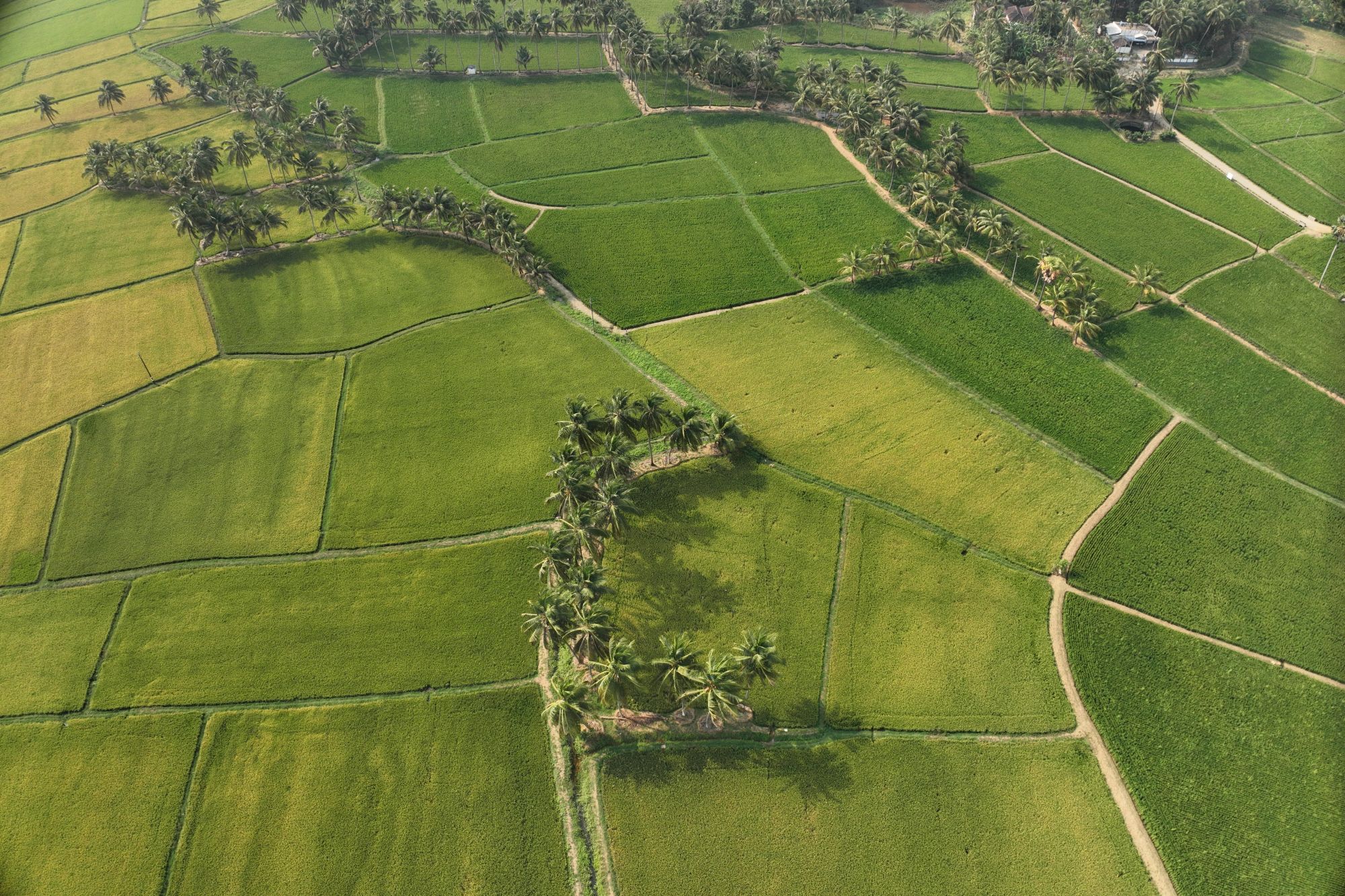
KERALA, India (April 30, 2026) — The State of Kerala is emerging as a strategic hub for developing and scaling farmer-centered and data-driven low-emission rice systems through project, “Technical Assistance to KERA in AWD - Catalyzing transitions to Low-Emission Rice-based Systems in Kerala” (KERA-AWD).
Kerala’s diverse landscapes, spanning coastal zones, midlands, and mountainous regions, provide an opportunity to evaluate how low-emission technologies and management practices can perform under varying agroecological conditions. Palakkad and Thrissur, two of the state’s major rice growing districts, are serving as the project’s field laboratories for generating evidence and supporting wider adoption of climate-smart rice technologies.
This initiative is being implemented by the Kerala Agricultural University (KAU), International Rice Research Institute (IRRI), and Centre for Water Resources Development and Management (CWRDM). It is also supported by the Department of Agriculture, Department of Irrigation, and Padasekhara Samithis—a local collective of paddy farmers in Kerala, India.
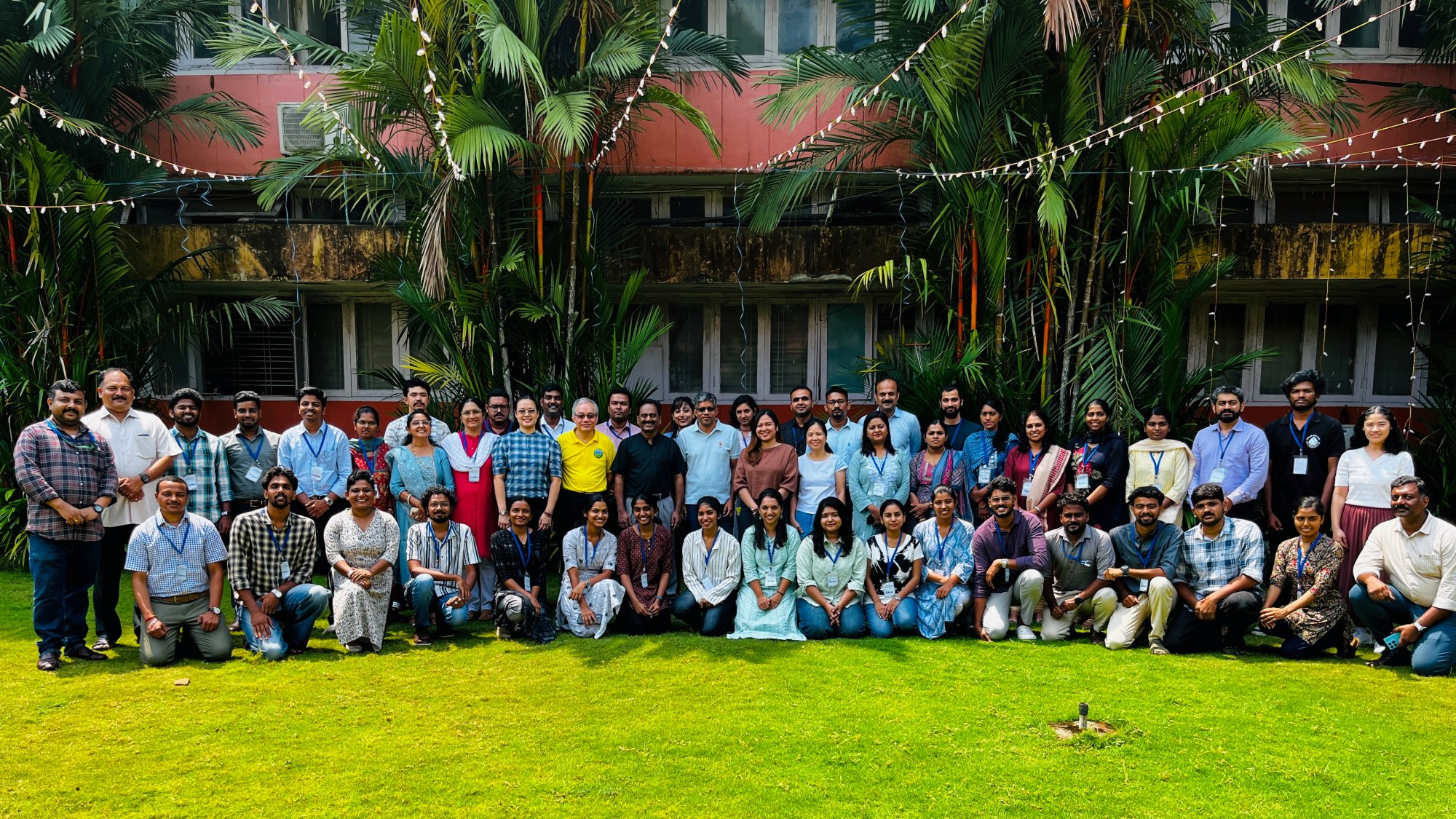
As preparations begin for the upcoming rice cropping season, IRRI and its partners convened researchers, technical experts, project teams, government officials, and farmer representatives to review progress and align strategies across the project’s key areas of work, including landscape assessment, low-emission rice production, irrigation digitization, greenhouse gas (GHG) modelling, payment systems, and institutional capacity building.
“Kerala has the opportunity to become a global example of how evidence-based water management and farmer-led innovation can transform rice cultivation into a more resilient and low-emission production system,” said Dr. Prakashan Chellattan Veettil, IRRI Project Lead.
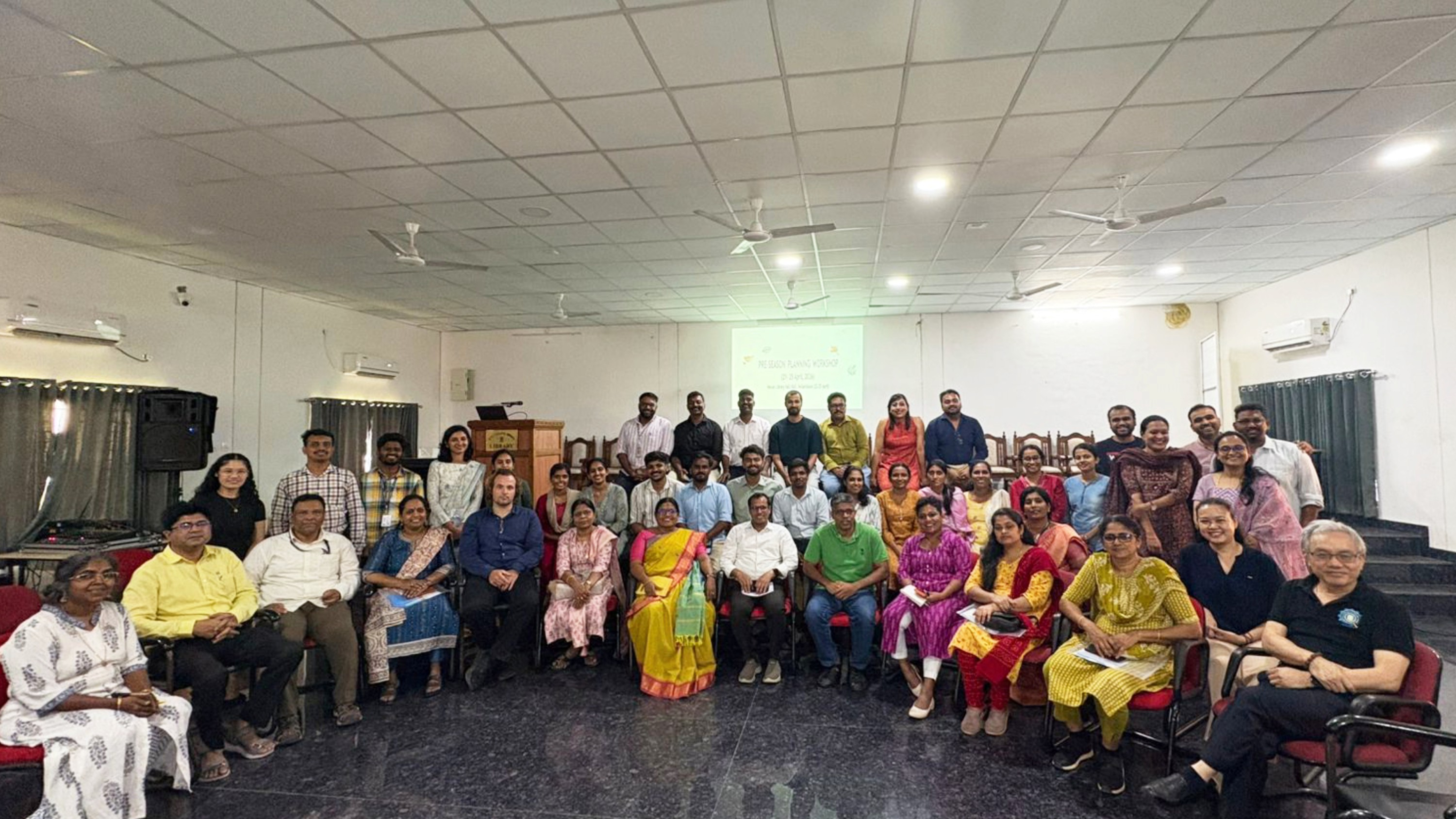
Discussions focused on making tangible progress on Alternate Wetting and Drying (AWD), and MRV dashboard initiatives, while also identifying operational challenges related to data quality, irrigation scheduling, farmer participation, and field-level implementation.
Participants reviewed ongoing station- and farm-level trials examining irrigation management, soil and nutrient interventions, microbiome interactions, and GHG mitigation strategies across diverse agroecological conditions.
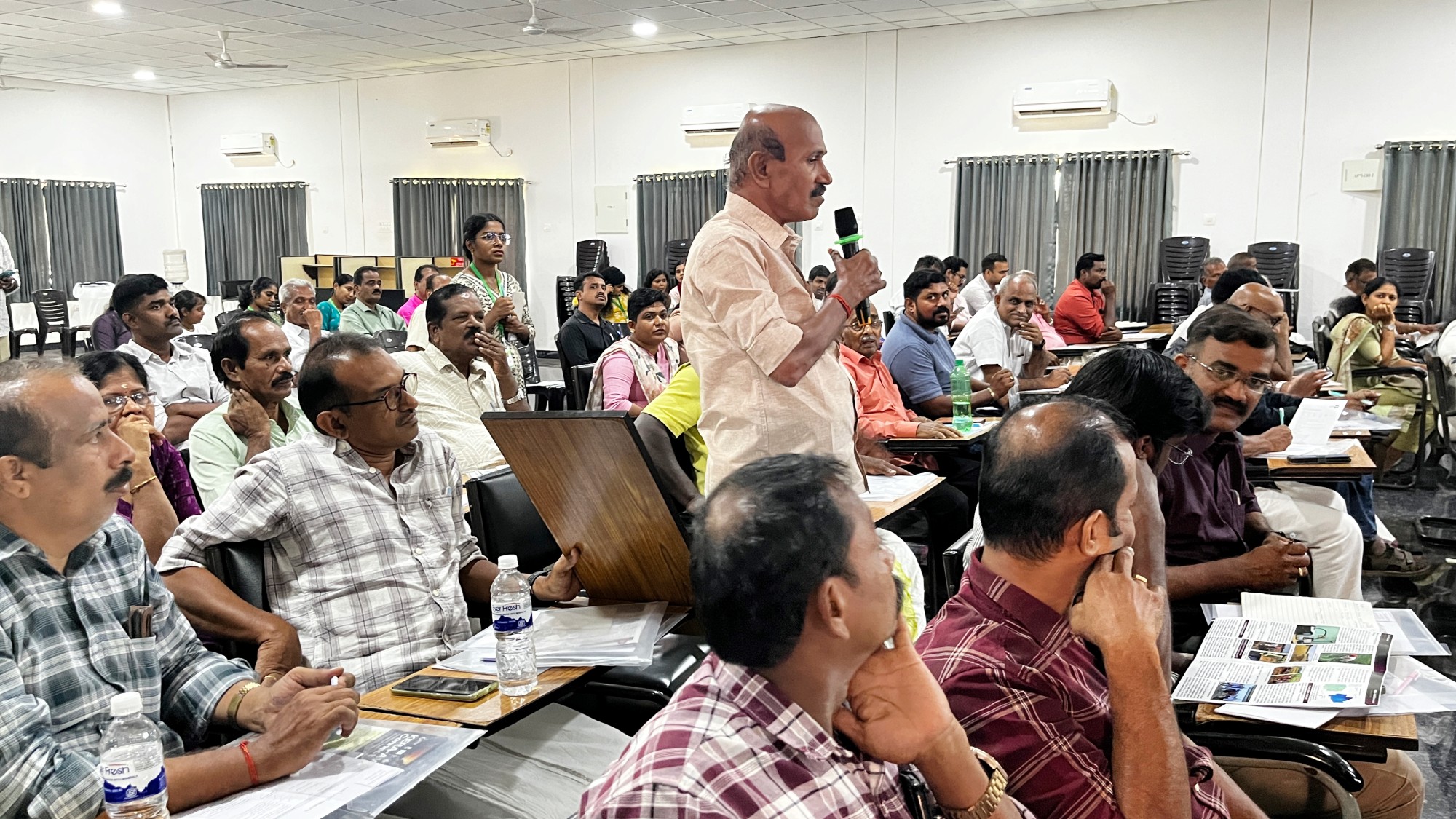
Importantly, they also explored behavioral and socio-economic dimensions of agricultural transformation, including farmer adoption, social capital, and climate-induced migration. These discussions were complemented by farmer consultations, where rising cultivation costs, uneven field topography, labor shortages, salinity intrusion and infrastructural bottlenecks emerged as key challenges affecting agricultural livelihoods.
“Through science, policy, and farmer experience, this project helps build a scalable model for low-emission rice production that can inform climate-smart agricultural transitions well beyond Kerala,” Dr Latha A, KAU Project Lead of KERA-AWD.
To further strengthen technical capacity, IRRI also conducted a specialized four-day training workshop at KAU on the ORYZA Rice Crop Model, a modelling tool used to simulate rice growth and development under varying environmental and management conditions.
Led by IRRI Senior Scientist and Oryza Expert Dr. Tao Li, the workshop introduced participants to the newly developed ORYZA User Interface and its application in supporting Monitoring, Reporting, and Verification (MRV) systems for rice-based production landscapes.
Participants received hands-on training in data preparation and standardization, model calibration and validation, simulation of crop growth and yield, soil carbon dynamics and greenhouse gas emissions, assessment of climate and abiotic stress impacts, and evaluation of trade-offs between productivity, carbon sequestration, and emissions.
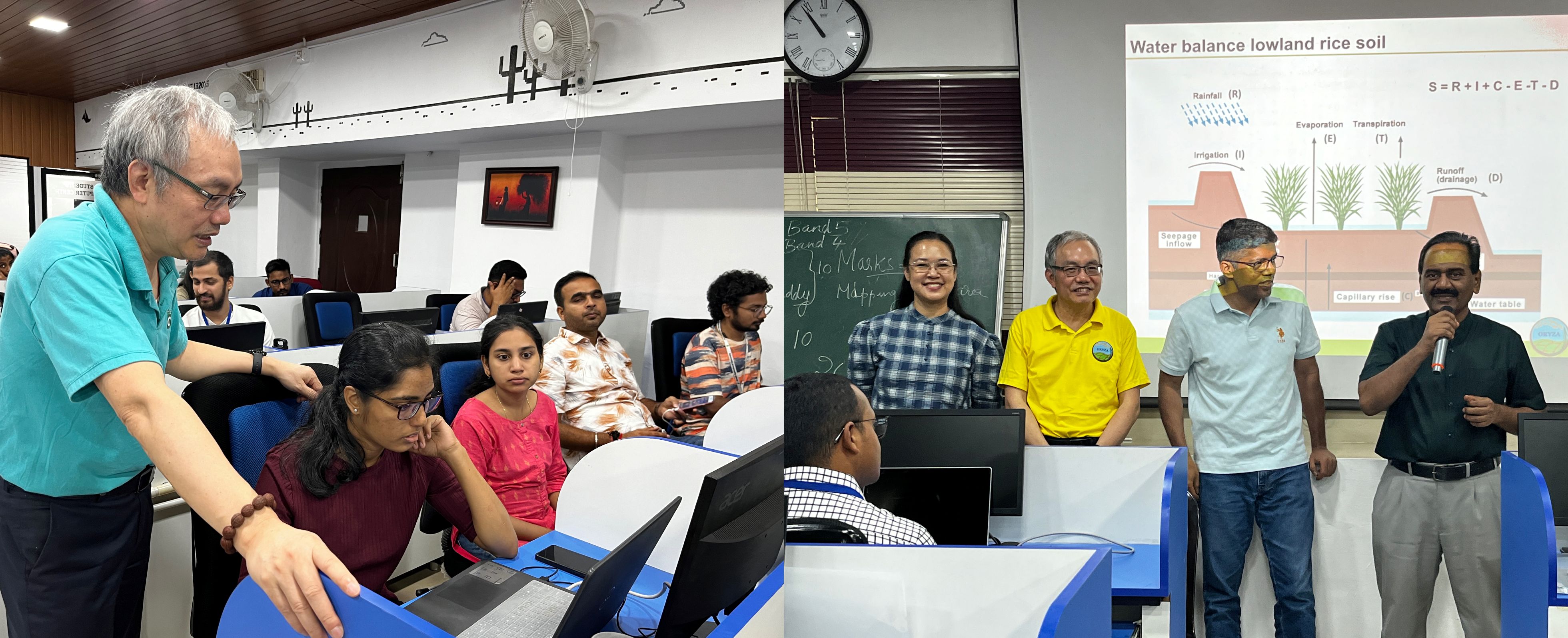
The workshop strengthens local capacity to generate science-based evidence that can guide climate-smart agricultural investments, support low-emission development pathways, and inform future research and policy decisions.
Learn more about the KERA-AWD initiative and the Oryza Rice Crop Model.