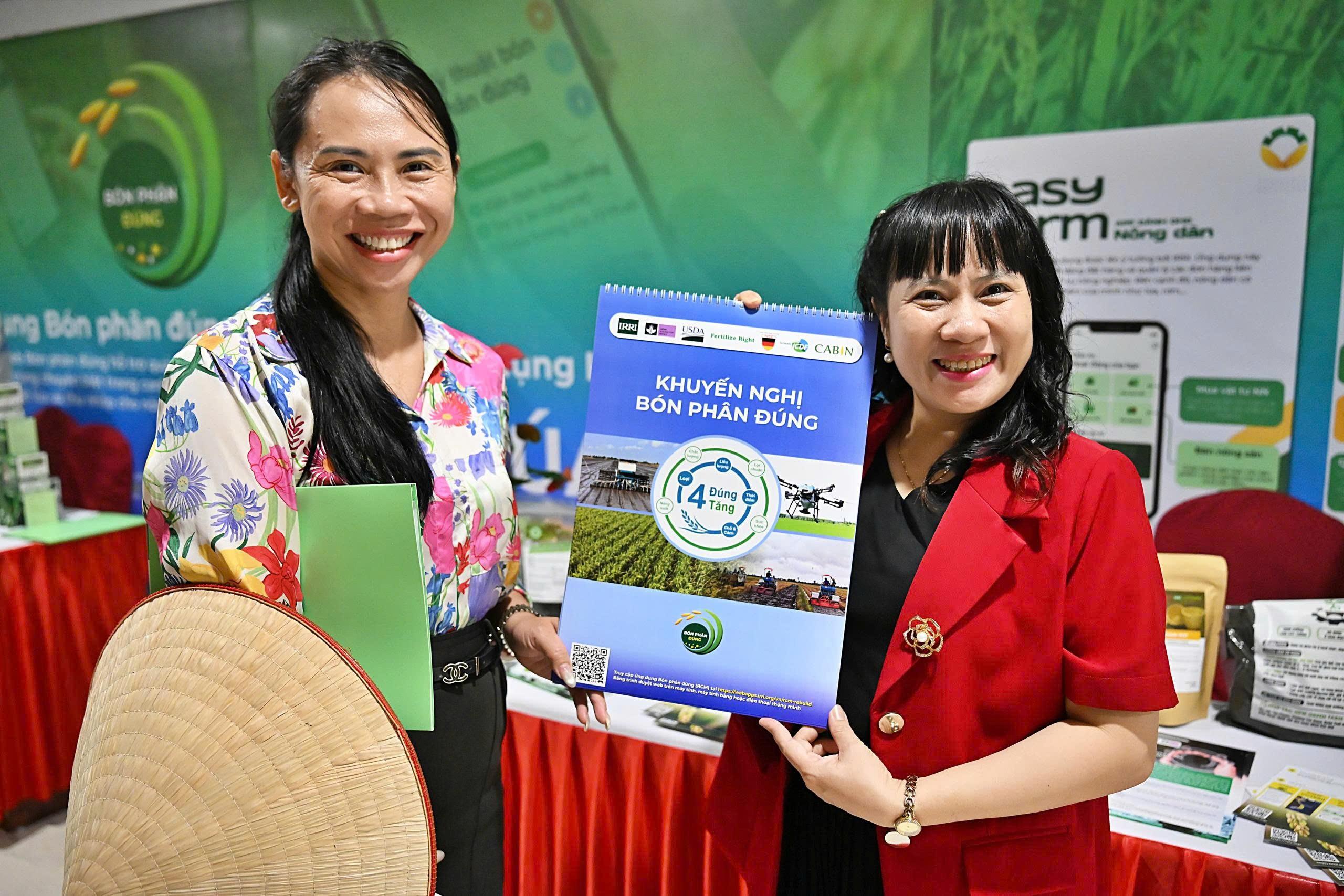
‘Fertilize Right' forum showcases progress in efforts to boost yields and lower emissions in Vietnam’s Red River Delta
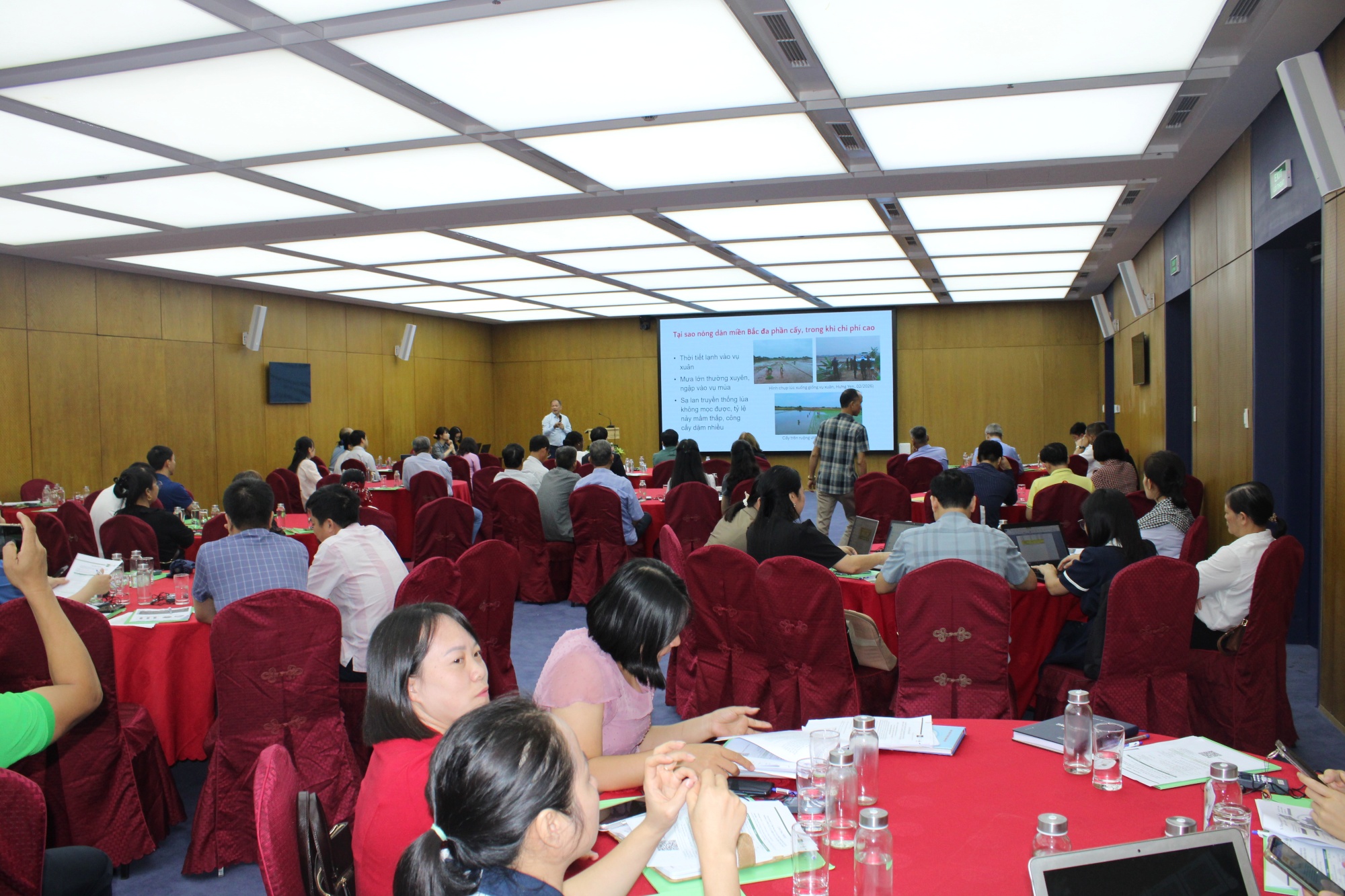
Hai Phong, Vietnam (June 30, 2026) — The International Rice Research Institute (IRRI), in collaboration with the Plant Production and Protection Department (PPPD) of the Ministry of Agriculture and Environment, convened to review the promising results of the Fertilize Right (FerRight) project.
Funded by the U.S. Department of Agriculture, the project was implemented across three pilot sites in the Red River Delta region. By using mechanized direct-seeded rice (mDSR) along with deep fertilizer placement, improved rice varieties, and site-specific nutrient management, the initiative enabled farmers to achieve yields that were 25-30% higher, significantly increasing their profits.
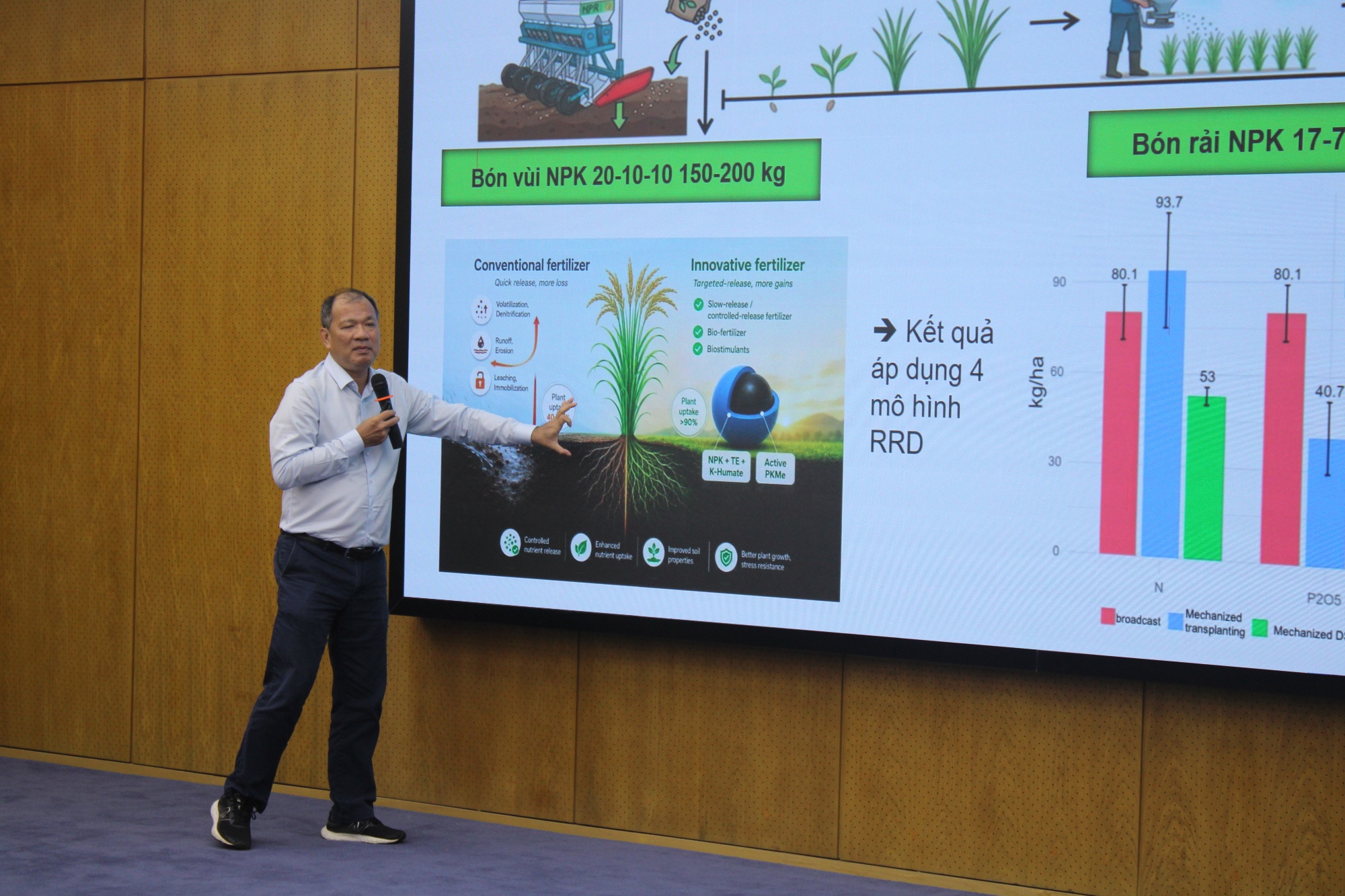
These regional benefits became particularly evident during the 2026 spring crop demonstrations in Hung Yen, Hai Phong, and Ninh Binh, where the technology successfully replaced manual transplanting and drastically lowered production costs. According to Dr. Nguyen Van Hung, an IRRI scientist and lead of FerRight in Vietnam, traditional rice transplanting costs around VND 10 million/ha, whereas mechanized sowing combined with deep fertilizer placement costs only about VND 1.5 million/ha. Dr. Hung noted that these field results demonstrate that the true effectiveness of FerRight lies not just in reducing fertilizer use, but in substantially improving economic efficiency for rice farmers.
This economic impact is already reshaping daily farming operations on the ground. Mr. Nguyen Van Khien, Chairman of the Tan An Commune Farmers' Association in Hai Phong, recalls when local farmers routinely applied 15–16 kg of fertilizer per sao (70-80 kg N/ha) (approx. 360 $m^2$). Under the new mechanized sowing and deep fertilizer placement model, that figure dropped to just 10 kg/sao (55 kgN/ha). Crucially, yields did not suffer; instead, they rose to 0.27–0.28 tons of dried paddy per sao, outperforming conventional practices and boosting farmer profits by approximately VND 500,000/sao.
While these economic gains initially spark farmer interest, long-term regional adoption ultimately hinges on a deeper shift in mindset. In Ninh Binh, Mr. Nguyen Van Du, Director of the Nam Cuong Cooperative, noted that the biggest surprise for local farmers was not the machinery itself, but seeing rice thrive with a single fertilizer application—using 40% less fertilizer than traditional practices. After witnessing just one successful crop season, farmers are already proactively requesting that the model be scaled up.
Local experts emphasize that these impressive field outcomes are not accidental, but rather the result of a highly deliberate, integrated approach. Ms. Dong Thi Phuong of the Hung Yen Sub-Department of Plant Production and Protection explained, "The results are not the product of a single technique, but of synchronous integration." By combining mechanized sowing and deep fertilizer placement with Alternate Wetting and Drying (AWD), Integrated Pest Management (IPM), and recycling post-harvest rice straw into organic fertilizer, the model provides a comprehensive, scalable roadmap for sustainable, climate-smart rice production.
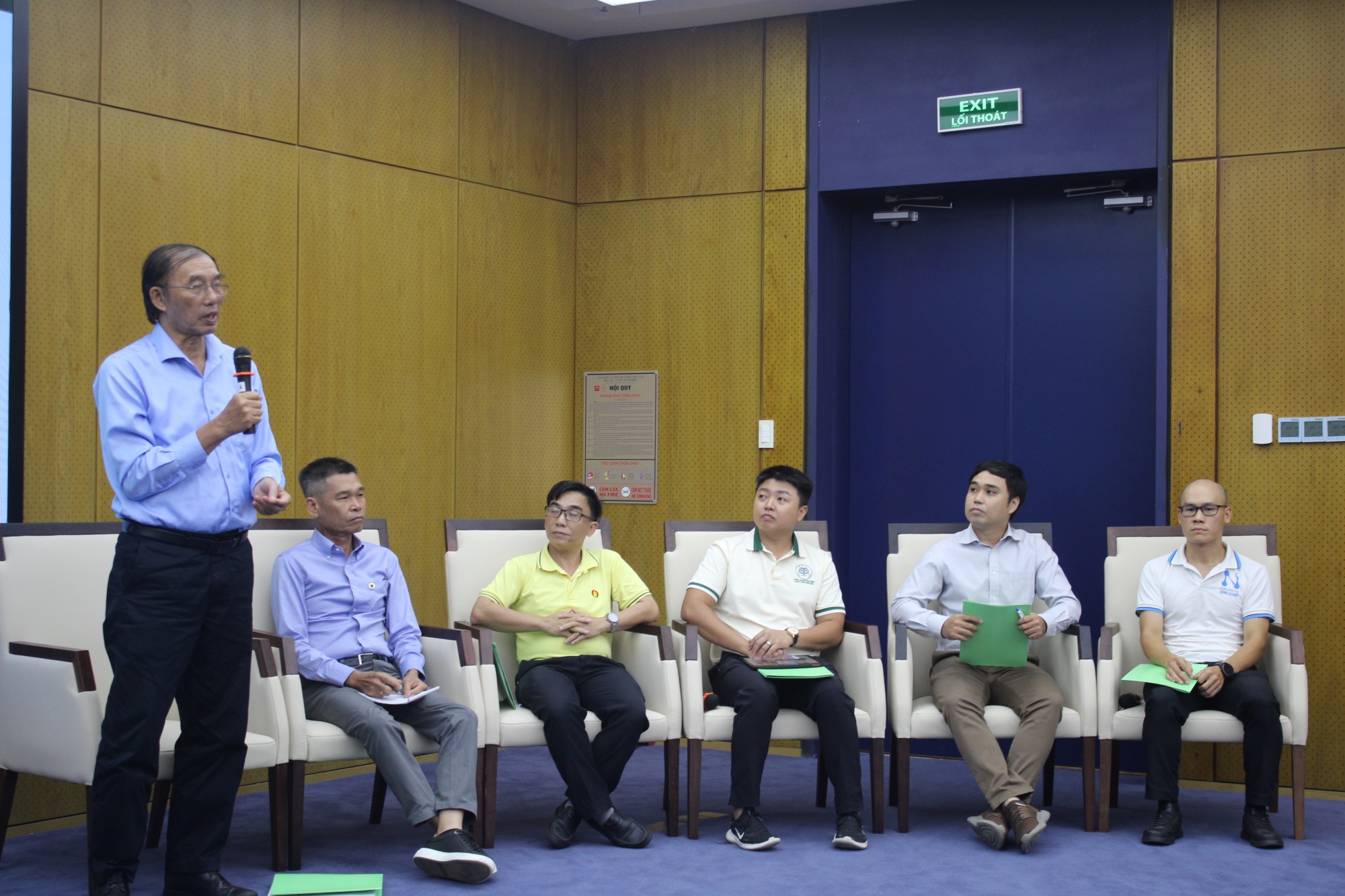
To move these solutions from regional success stories to country-wide practice, the event also established a vital multi-stakeholder networking platform. This platform connects diverse actors across the Vietnamese rice value chain, from smallholder farmers to international technology providers. Through these efforts, Vietnamese enterprises gained direct access to advanced American technologies and materials, fostering commercial cooperation and tailored technology transfers for major rice-producing regions like the Red River Delta.
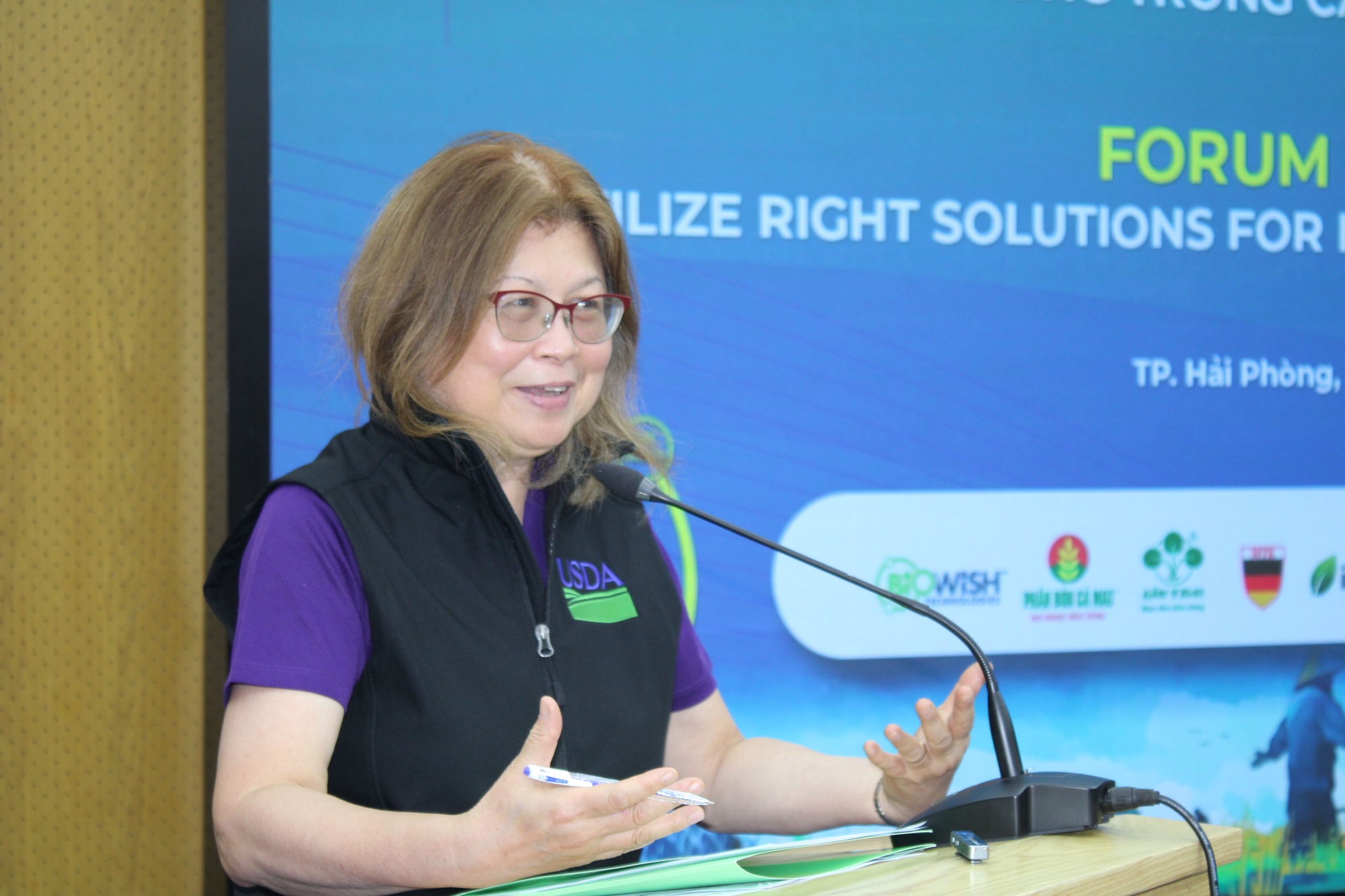
Emphasizing the value of these connections, Ms. Clemen Gehlar, Senior Agriculture Manager at the US Department of Agriculture, highlighted that the FerRight project goes far beyond technological development to build a robust network of 28 diverse partners—including government, academia, the private sector, and farming cooperatives. She underscored that this collaborative ecosystem is essential for moving innovative fertilizer solutions out of isolated pilot phases and rapidly scaling them up for widespread agricultural adoption.
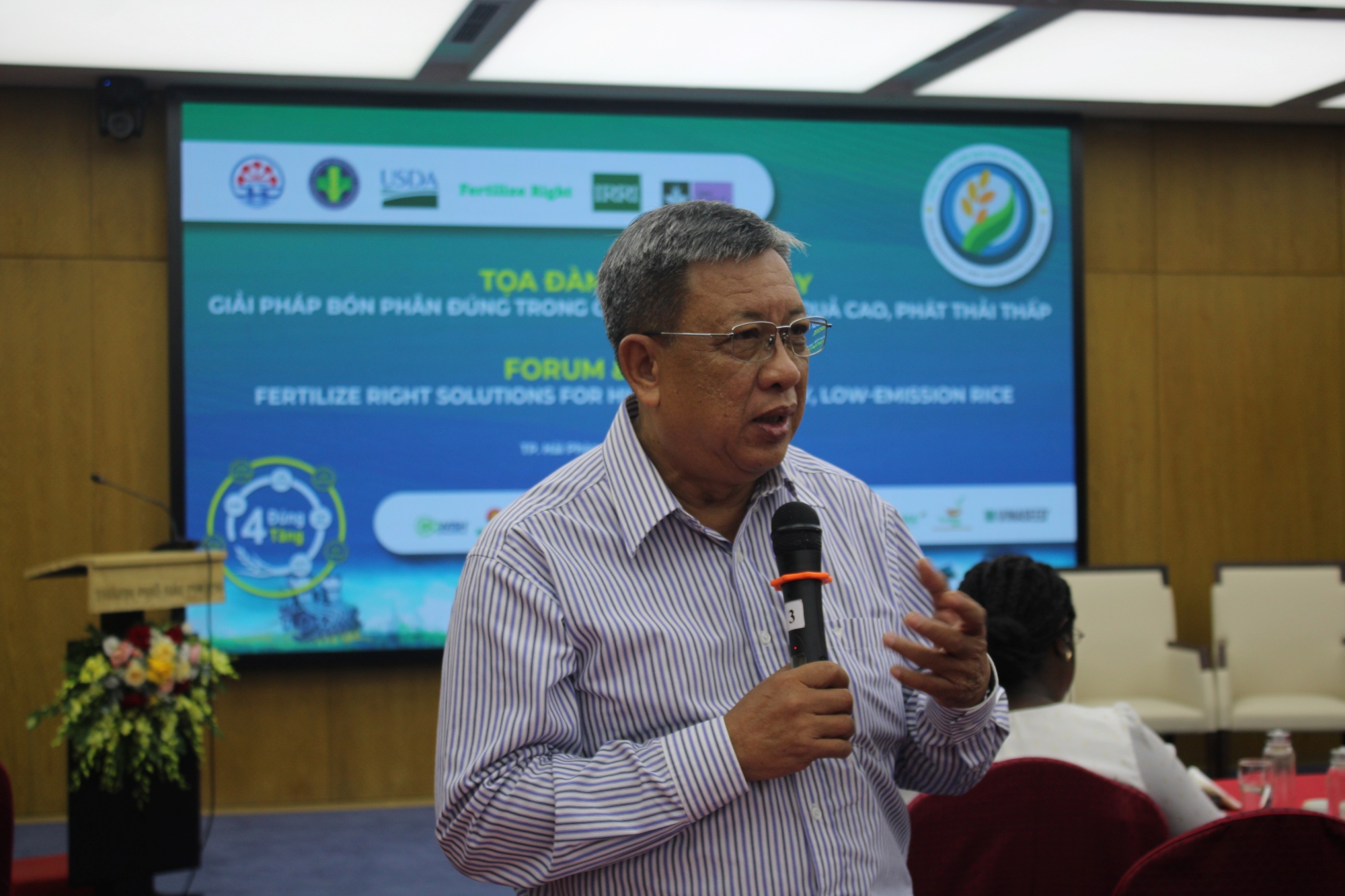
Achieving this large-scale adoption will also require a fundamental evolution in the broader agricultural market. Mr. Le Thanh Tung, Standing Vice Chairman of the Viet Nam Rice Industry Association (VIETRISA), emphasized that the emergence of next-generation inputs is shifting the role of fertilizer companies from volume-based sellers to technical partners who support farmers throughout the entire crop cycle. While promoting reduced, highly efficient fertilizer use initially challenges traditional sales business models, it is essential for improving nutrient-use efficiency and sustainability. To sustain long-term success, Mr. Tung noted that companies must integrate deeply into the agricultural value chain by providing training, digital tools, and collaborative support within this multi-stakeholder ecosystem.
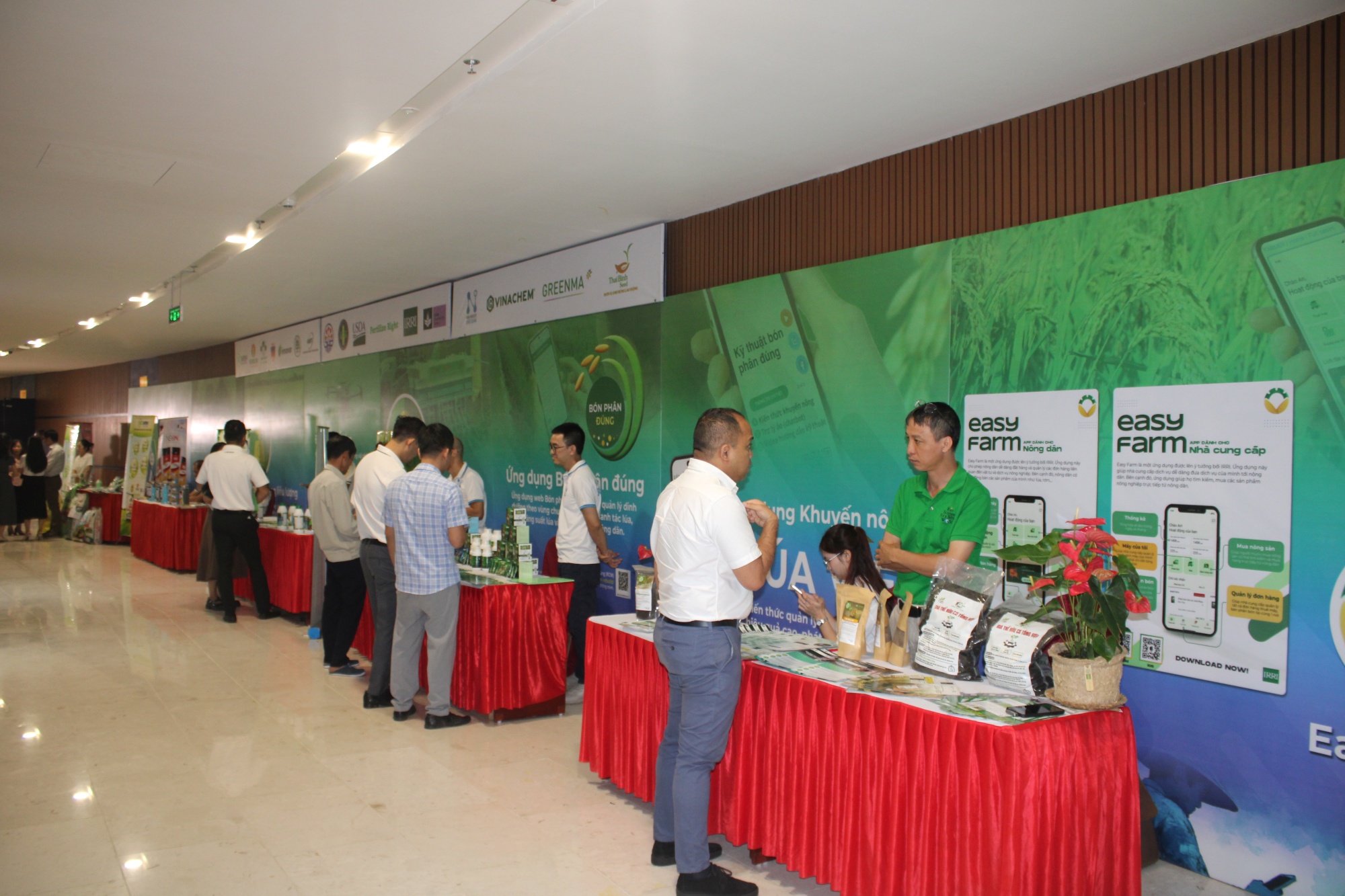
Bringing this entire ecosystem together, the forum's exhibition featured interactive booths from prominent agricultural technology and fertilizer companies, including BioWish, Ca Mau Fertilizer, Lam Thao Superphosphate and Chemicals, MTK Huu Thanh, Innovar Ag, BOF, AMT, Nano Industry Dang Quang, Vinachem, Greenma, and ThaiBinh Seed. These displays created a dynamic space for showcasing innovative solutions and fostering the very strategic business connections needed to drive the industry forward.