Philippine partners strengthen capacity to detect Rice Yellowing Syndrome with support from IRRI
LOS BAÑOS, Philippines (March 2026) — Philippine rice research and crop protection institutions are strengthening their capacity to detect and respond to Rice Yellowing Syndrome (RYS), an emerging disease affecting rice, through specialized training conducted with support from the International Rice Research Institute (IRRI).
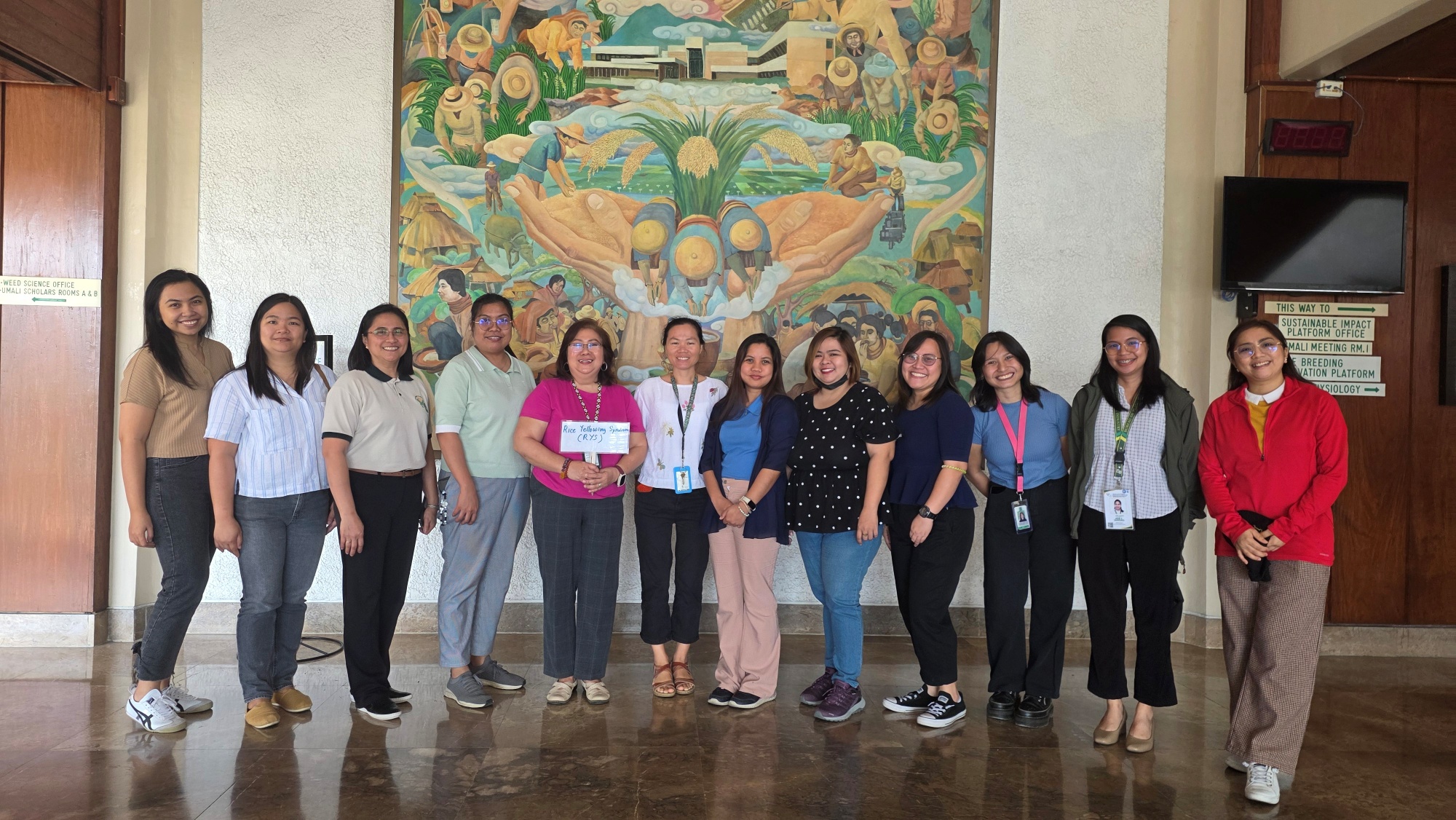
From 10-12 March 2026, nine scientists and technical staff from the Bureau of Plant Industry (BPI), Regional Crop Protection Centers (RCPC) Regions 2, 4A, and the Philippine Rice Research Institute (PhilRice) gathered at IRRI’s Plant Pathology and Host Plant Resistance Laboratory for a training on the molecular detection of RYS using reverse transcriptase polymerase chain reaction (RT-PCR).
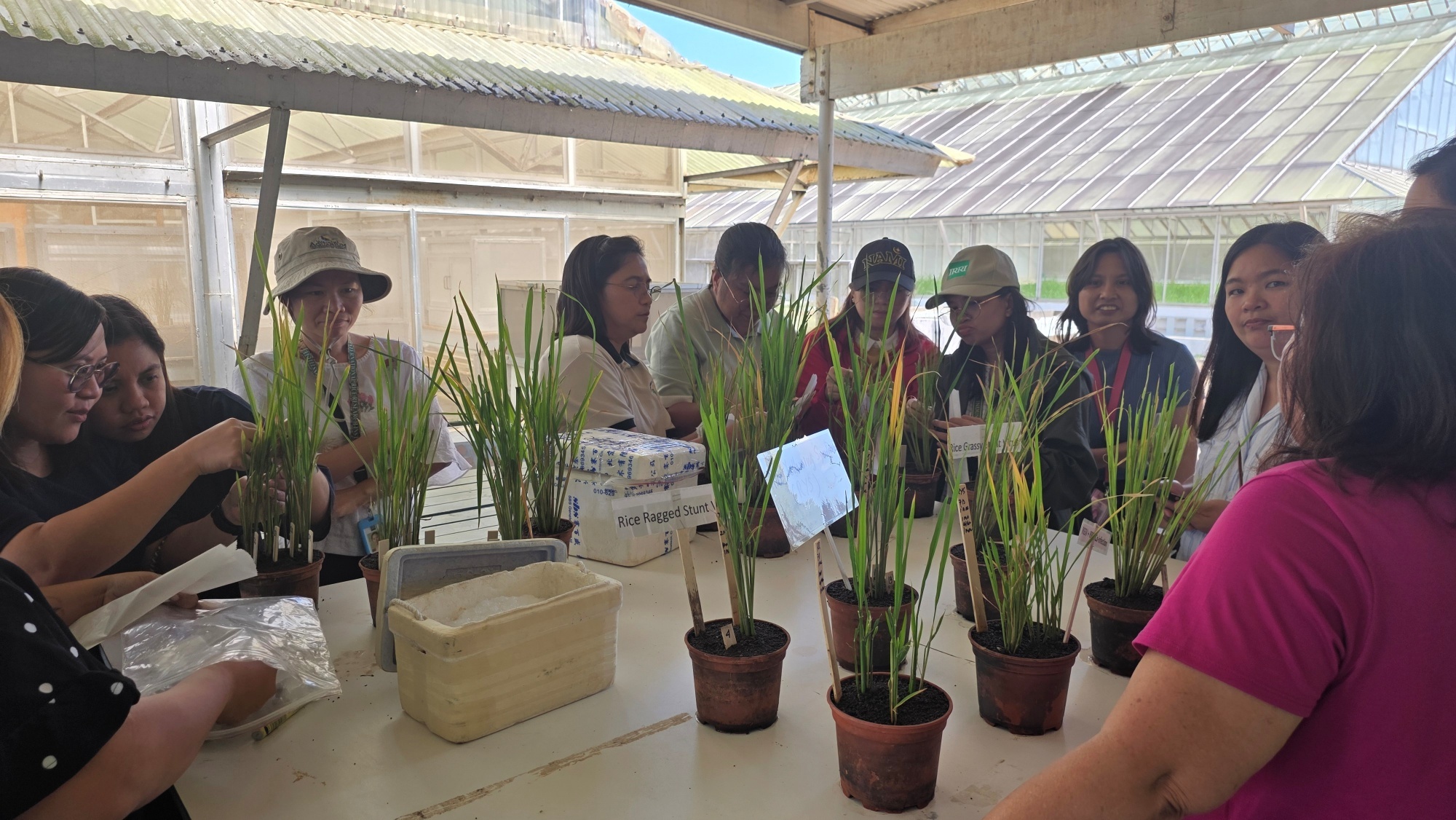
RYS is caused by the co-infection of Rice Ragged Stunt Virus (RRSV) and Rice Grassy Stunt Virus (RGSV), both transmitted by the brown planthopper (Nilaparvata lugens), one of the most destructive insect pests in rice. Because the disease combines symptoms of two viruses, identifying infections in the field can be challenging.
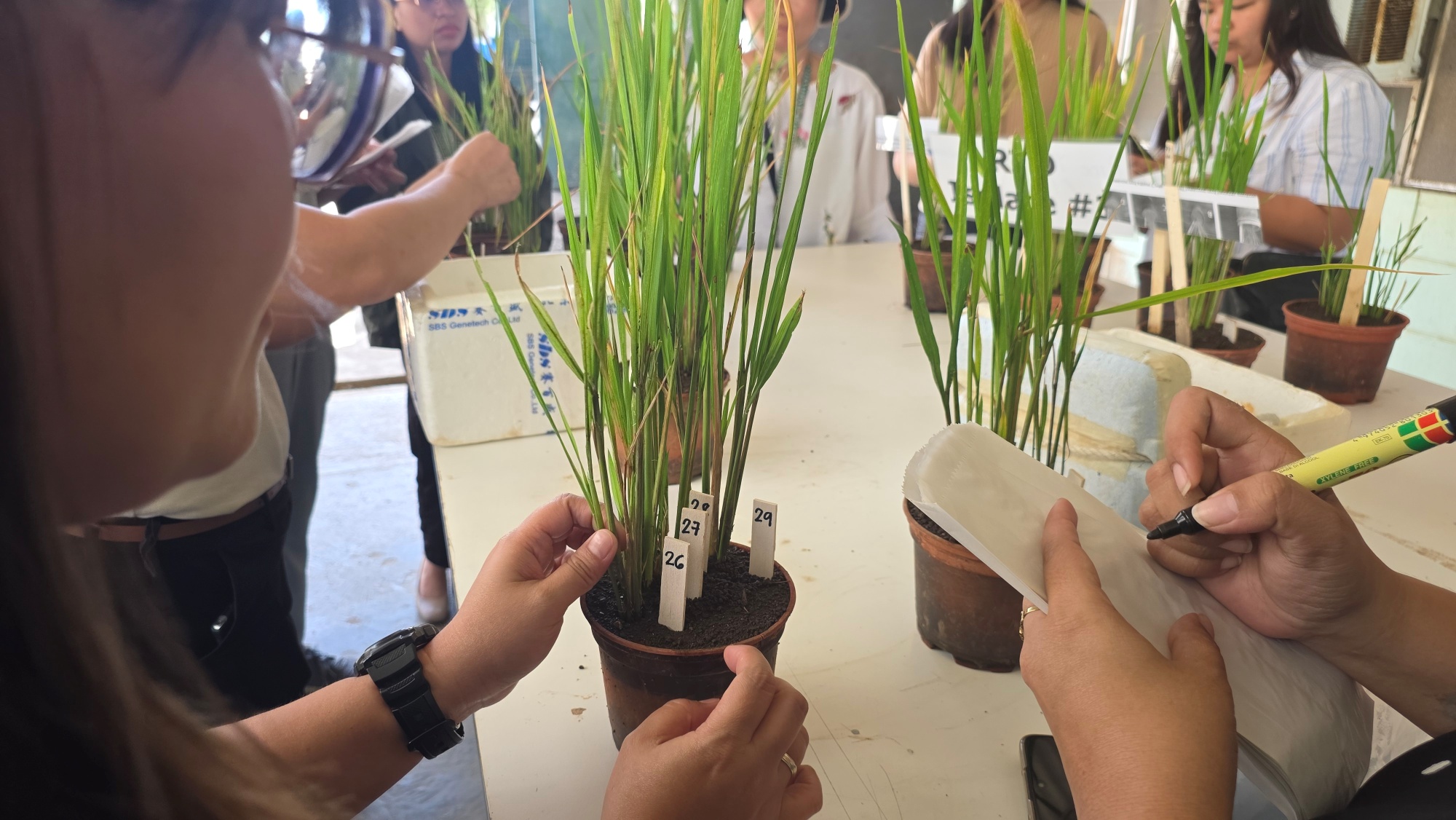
Participants examined the distinct characteristics of each virus. RGSV has narrow yellow leaves and produces excessive tillers that resemble a grassy appearance and have stunted growth. RRSV causes ragged, twisted leaves and severe plant stunting. When both viruses infect the same susceptible plant, the resulting RYS is stunted and produces ragged, twisted leaves. RYS coinfection causes tungro‑like yellow‑orange leaf discoloration, while the characteristic narrow‑leaf morphology is largely obscured, making visual diagnosis difficult.
To support national monitoring efforts, scientists from IRRI guided participants through standardized molecular diagnostic procedures. The training included essential steps such as leaf sample collection, RNA extraction, and RNA quantification. Participants also performed a two-step RT-PCR process, which involved cDNA synthesis and PCR using virus-specific primers, followed by gel electrophoresis to confirm the results.
The training helps equip Philippine institutions with a standardized protocol for early detection and monitoring of rice viruses, strengthening the country’s ability to respond quickly to emerging disease threats.
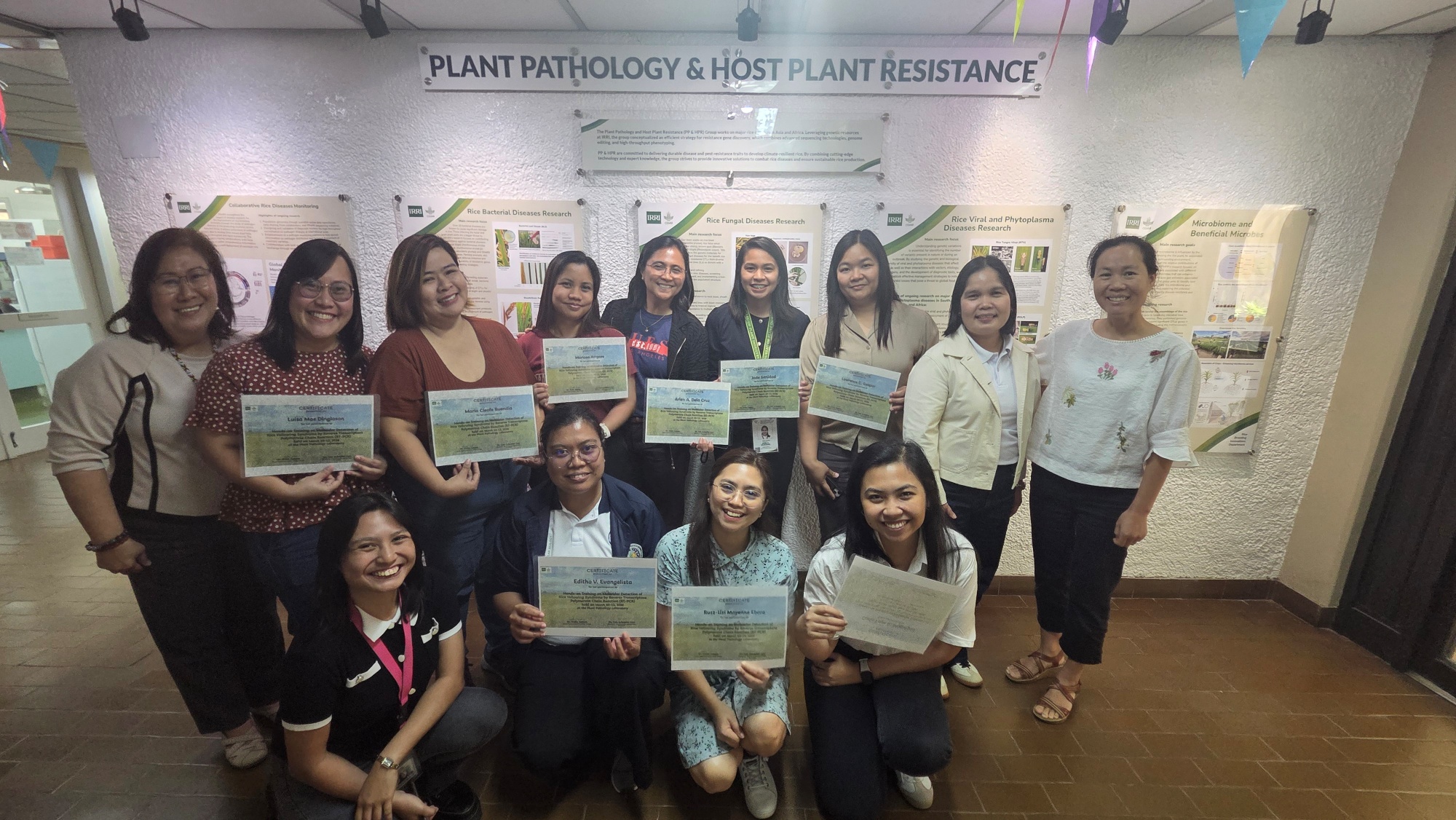
The activity was led by IRRI scientists Dr. Van Schepler-Luu, Dr. Gilda B. Jonson, Genelou A. Grande, and Samantha Alforja and supported by the CGIAR Sustainable Farming Program as part of ongoing collaboration with Philippine partners to safeguard rice production and farmer livelihoods.