Success of Fertilize Right pilot in Vietnam’s 1M-Hectare Rice Program show better yields and incomes
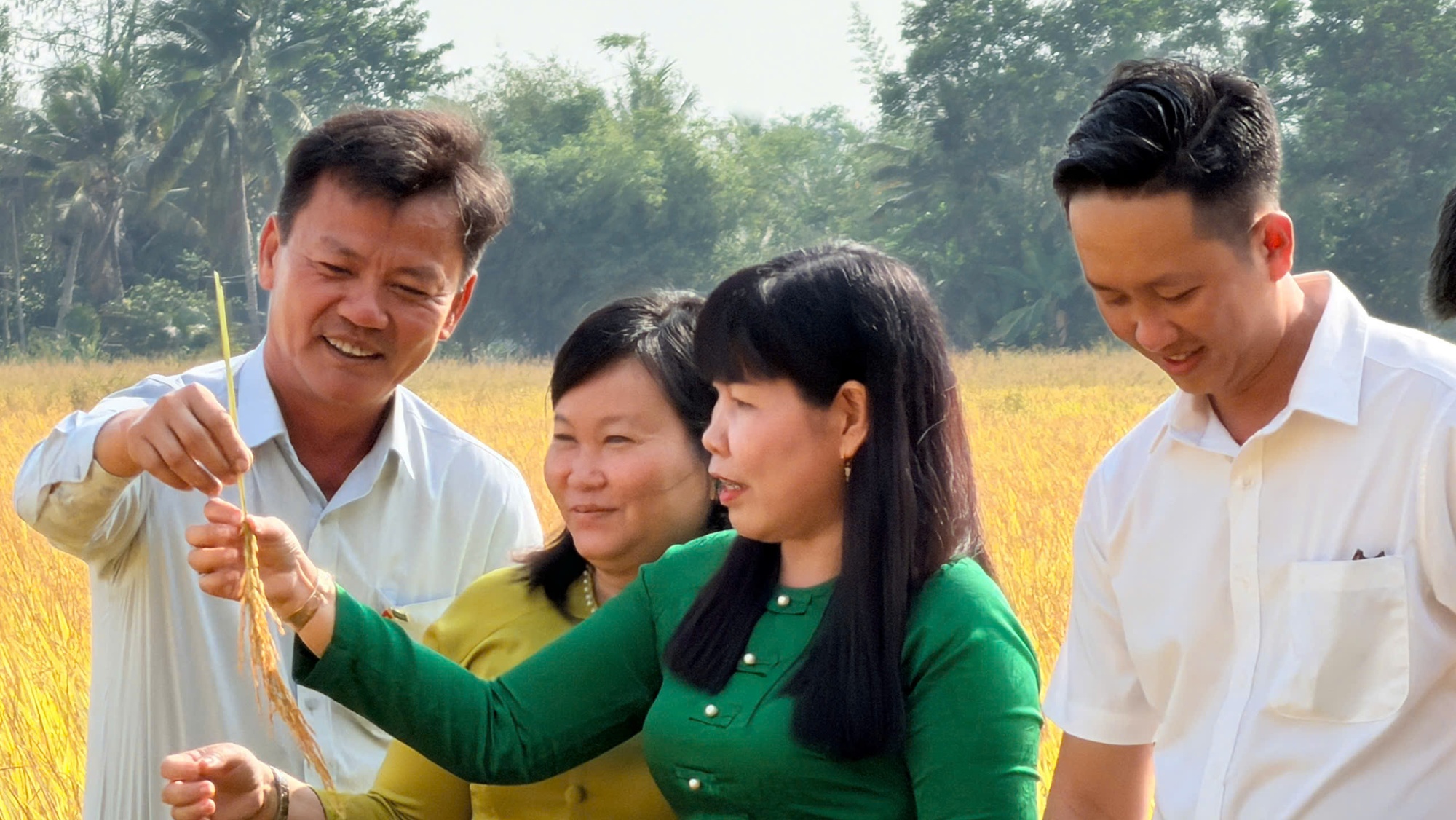
CAN THO, Vietnam (1 April 2026) — An additional yield of nearly 0.9 t/ha and a 24% increase in farmer incomes emerged from the “Fertilize Right” pilot model under the One Million Hectare of High Quality, Low Emission Rice (1mHa) Program. This major milestone was reported during a workshop led by the International Rice Research Institute (IRRI) together with the Sub-Department of Plant Production and Protection under the Can Tho Department of Agriculture and Environment.
The Thuan Loi Agricultural Cooperative pioneered this effort, piloting the Fertilize Right approach on an initial area of 5.5 hectares. The model serves as a real-world application of advanced technical solutions developed by Vietnam’s Ministry of Agriculture and Environment and IRRI to modernize rice production. It departs from conventional farming by combining the technical guidelines of the 1mHa Program and the principles of 4R nutrient stewardship into a comprehensive package.
A primary innovation of this approach is the use of high-quality certified seeds at a significantly reduced seeding rate of 60 kg/ha, which is approximately half of conventional practice. This reduction is made possible through mechanized direct row seeding (mDSR) and fertilizer deep placement, ensuring maximum efficiency in every grain and nutrient application. This synergy between mDSR and fertilizer deep placement also allows rice roots to access vital nutrients immediately from the germination stage. The mDSR encourages the root system to grow deeper and more extensively into the soil, which significantly improves plant stability.
The pilot also integrates the use of Alternate Wetting and Drying (AWD) irrigation, a water-saving technology. As a result, the rice plants in the demonstration plots showed remarkable resilience to lodging during heavy rainfall, a distinct advantage that was not observed in the surrounding control fields where traditional methods were used.
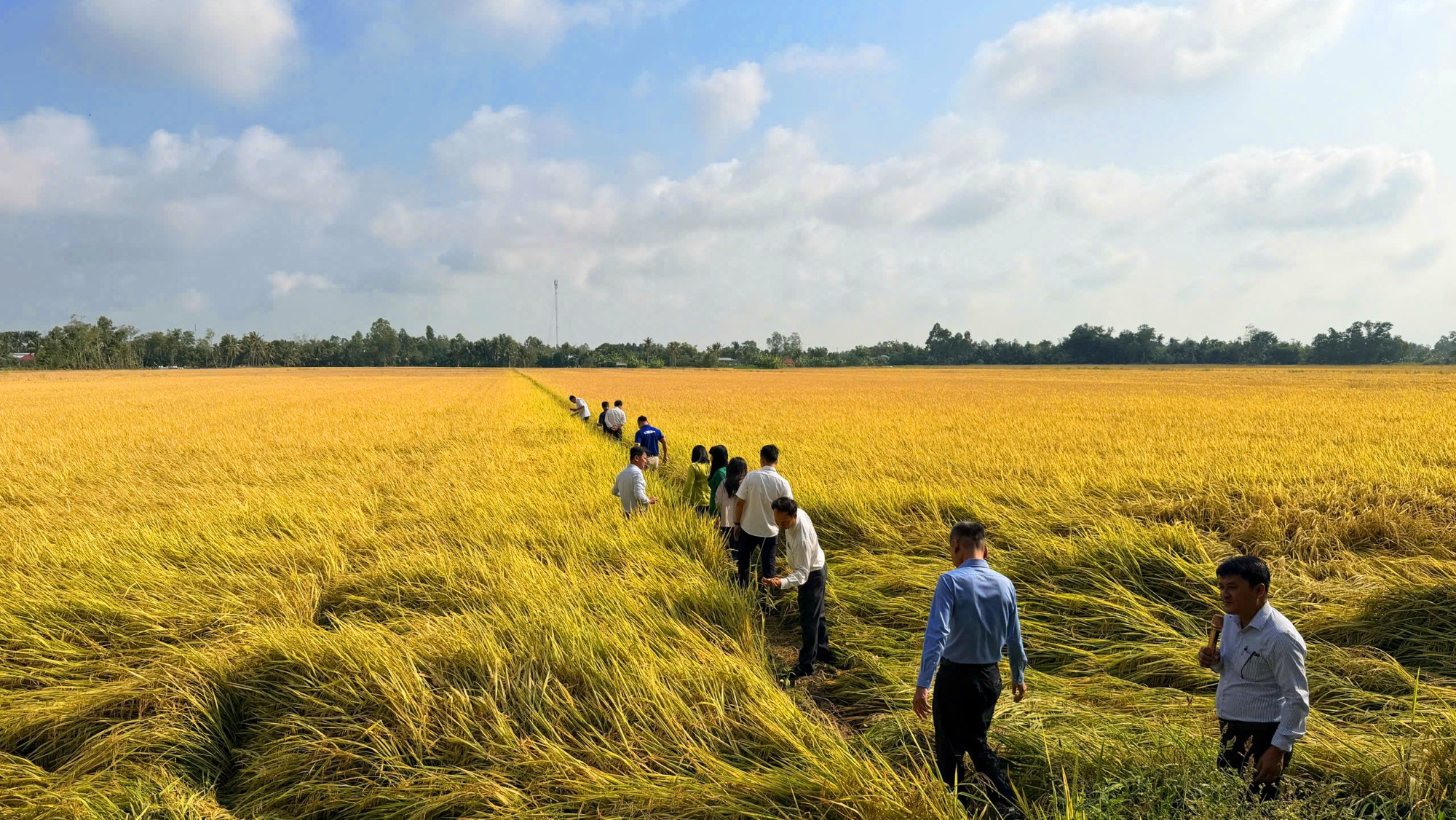
Field data showed that yields under the “Fertilize Right” model increased by 0.89 t/ha compared to conventional practices. After accounting for all input costs including fertilizers, labor, and irrigation, the participating farmers achieved an additional profit of VND 5.5 million/ha, a 24.2% increase in net returns.
Mr. Nguyen Van Hieu, a consultant from IRRI, emphasized that the success of the model is not about the volume of fertilizer used, but rather the precision of the application to ensure optimal growth and minimal waste. These economic and productivity results from the field demonstration have been highly encouraging for the local farming community.
Ms. Pham Thi Minh Hieu, Director of the Sub-Department of Plant Production and Protection of Can Tho City, noted that the benefits of this integrated approach were evident from the very first cropping season. Beyond the clear economic gains and increased yields, the model plays a critical role in the environmental sustainability of the region by mitigating greenhouse gas emissions associated with rice production.
To maintain these standards, farmers have begun using the Rice Crop Manager (RCM) digital application. This tool helps them monitor and adhere to the 4R stewardship principles: using the right source of specialized fertilizers, applying the right rate of nitrogen, phosphorus, and potassium, ensuring the right time for application through mechanized placement, and targeting the right place in the soil.
With Can Tho City cultivating over 700,000 hectares of rice annually and producing over 4.6 million tons, the potential for scaling the Fertilize Right model is immense. The city is currently following a roadmap to pilot a Measurement, Reporting, and Verification (MRV) system across 8,000 hectares involving 30 different cooperatives.
Supporting this transition, the Department of Agriculture and Environment has urged local authorities to implement policies that help cooperatives upgrade their technological infrastructure. Authorities are also focusing on strengthening the capacity of “lead farmers” who can serve as ambassadors for these technical practices, facilitating a wider and more rapid dissemination of the model across the farming community.
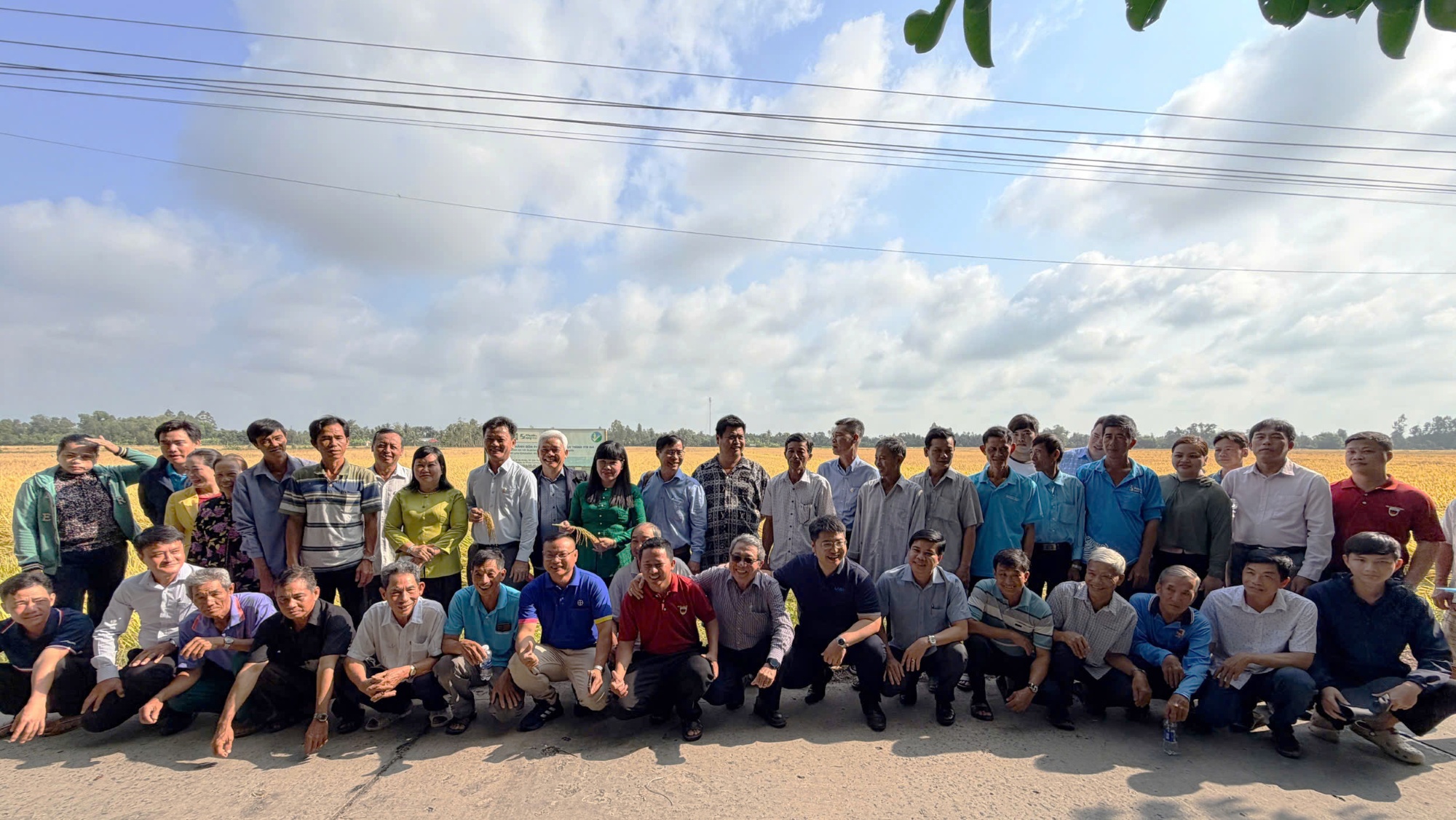
This innovative work under the 1mHa Program is made possible through the support of the USDA-Fertilize Right project and the CGIAR Scaling for Impact program.