Next-Generation Hybrid Rice Combines Higher Yields with Climate Benefits
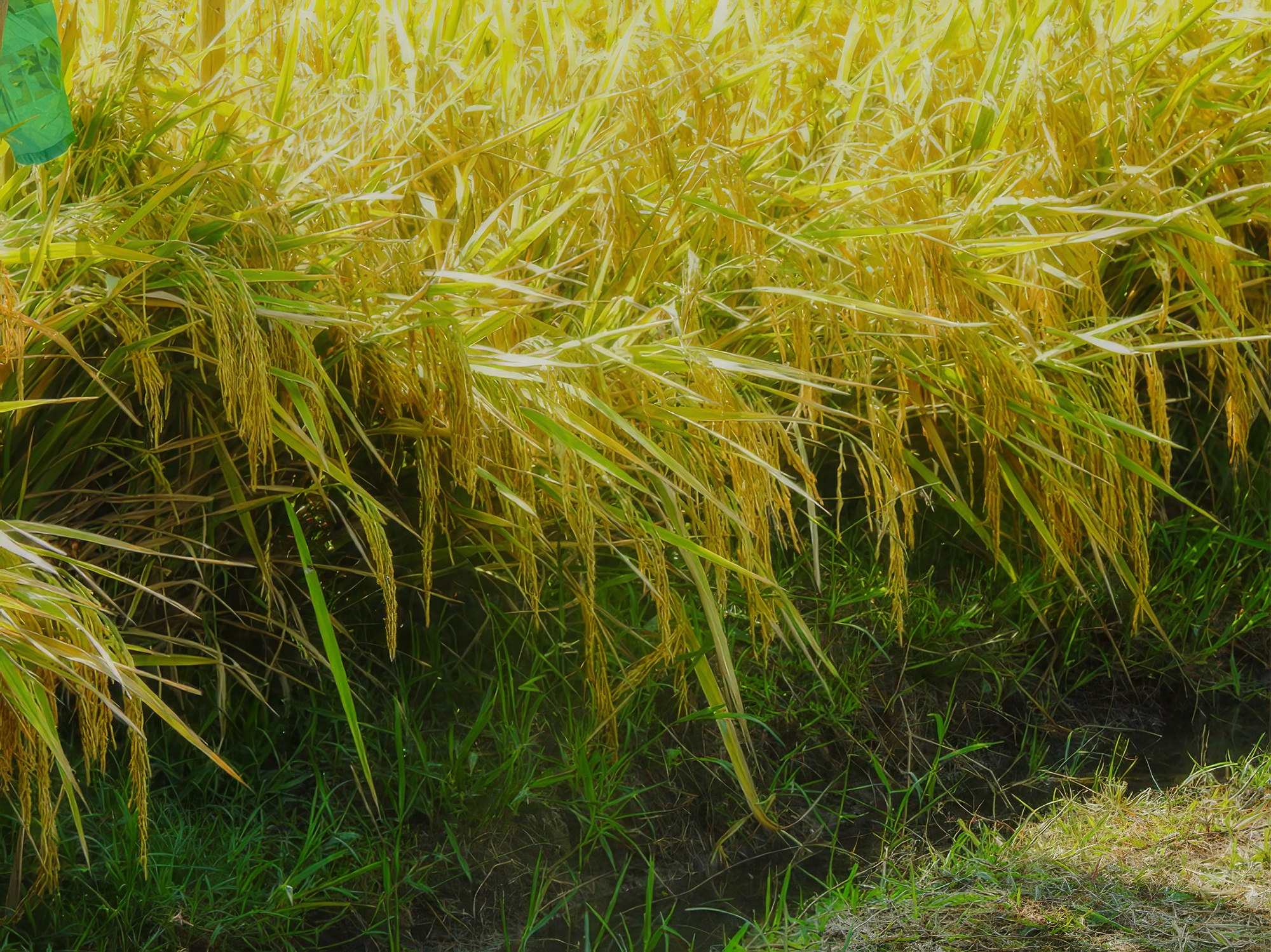
Three hybrid rice varieties developed by IRRI combine higher yields, earlier maturity, and climate benefits, expanding the options available to Filipino farmers in support of the Philippines' food security and sustainability goals.
LOS BAÑOS, Philippines (9 June 2026) — Three hybrid rice varieties developed by the International Rice Research Institute (IRRI) could help farmers produce more rice while reducing costs and environmental impacts.
The varieties, Mestiso 120, Mestiso 149, and Mestiso 164, combine higher yields, earlier maturity, and more efficient seed production systems that could make hybrid rice more affordable and accessible to farmers.
Higher yields, earlier harvests
Each of the three hybrids offers distinct advantages for farmers.
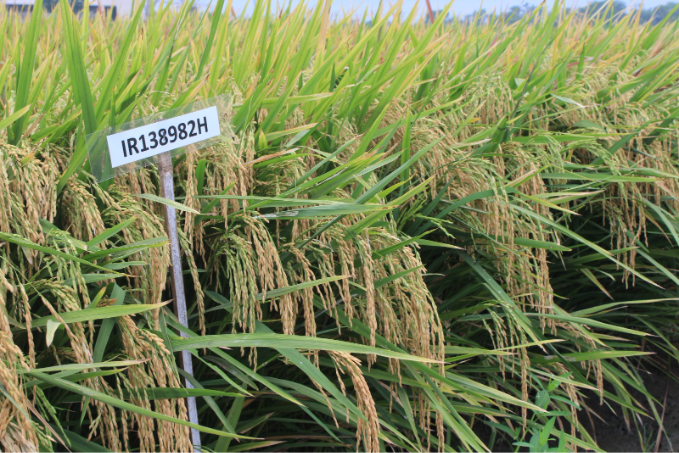
Mestiso 164 was developed using the conventional three-line hybrid system, the breeding approach used for decades to produce hybrid rice. During national evaluations, it achieved average yields of 8.8 t/ha, outperforming the hybrid check variety Mestiso 6 by 14%.
The variety also matures in about 109 days, allowing farmers to harvest earlier and potentially reduce production costs.
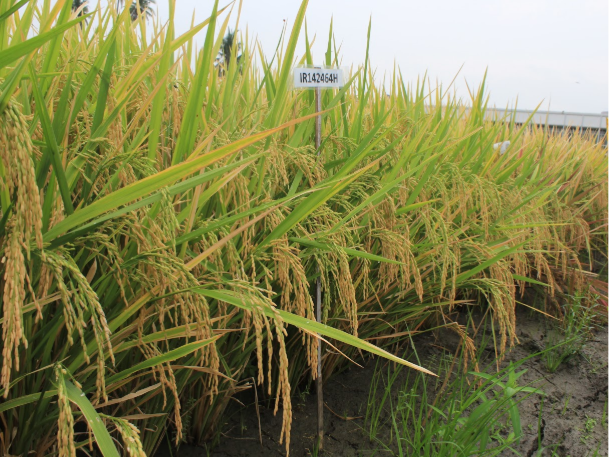
Meanwhile, Mestiso 149 and Mestiso 120 belong to a newer generation of hybrid rice known as two-line hybrids. Unlike conventional hybrid rice, which requires three parental lines and multiple crossing steps to produce seed, two-line hybrids use a simpler breeding system that can make seed production more efficient and less costly.
Among them, Mestiso 120 has attracted particular attention after producing yields of up to 12 t/ha in farmer field demonstrations.
"For many years, one of the challenges in hybrid rice has been breaking through yield barriers," said Dr. Jauhar Ali, IRRI Principal Scientist and Research Unit Leader for Hybrid Rice Technology for Industry. "We have not seen many materials consistently reaching those levels."
The shorter duration of the new hybrids could also help farmers use water more efficiently and better manage increasingly unpredictable growing conditions.
The world's first low-methane hybrid rice
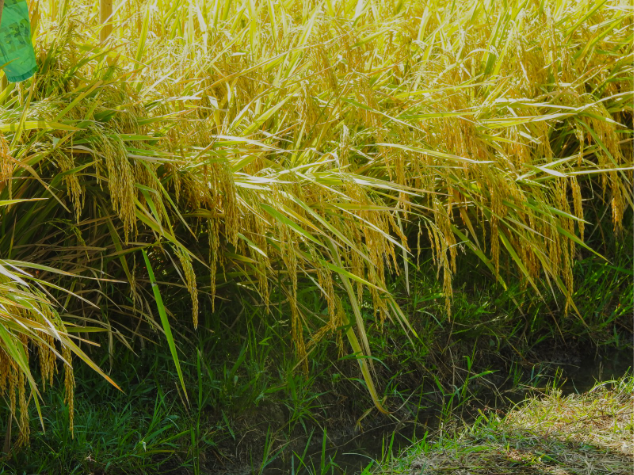
Researchers have identified Mestiso 120 as the world's first low-methane-emitting hybrid rice variety.
Rice cultivation is one of agriculture's largest sources of methane emissions. While most mitigation efforts rely on changes in field management, Mestiso 120 achieves lower emissions through its genetic characteristics.
According to evaluation results, the variety emits about 30% less methane than conventional rice varieties, even under flooded conditions.
Combined with its shorter growing period of 113 to 114 days, the variety could help farmers increase production while reducing agriculture's environmental footprint.
More seeds, but with lower costs?
While hybrid rice can produce higher yields than conventional varieties, widespread adoption has often been constrained by the cost and availability of hybrid seeds.
Unlike inbred rice, hybrid seeds must be produced by crossing carefully selected parent plants. The process requires specialized breeding systems, additional labor, and precise management, making hybrid seeds more expensive to produce.
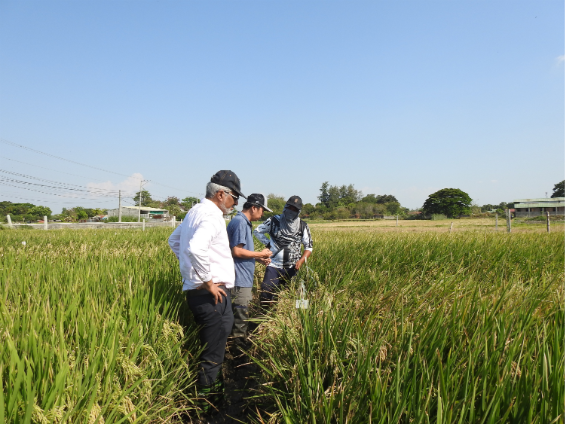
"People often think hybrid rice is expensive, but they do not always understand the science behind seed production," said Dr. Ali.
"The real question is not only how much grain the farmer harvests. The question is how much seed can be produced from a hybrid combination and how efficiently it can be multiplied."
Mestiso 120 and Mestiso 149 were developed using thermo-sensitive genetic male sterility (TGMS), a technology that eliminates the need for one of the parental lines required in conventional three-line hybrid rice production.
Because fewer parental lines are needed, seed production becomes simpler and more efficient. The technology can reduce hybrid seed production costs by 40 to 50%.
It can also produce substantially more seeds. Traditional hybrid seed production typically yields 2 to 2.5 t/ha of seed, while the new two-line hybrids have demonstrated seed production levels of 3 to 3.5 t/ha.
More seed from the same area means lower production costs, greater availability, and ultimately more affordable seed for farmers.
"This is the real game changer," Dr. Ali said. "The economics of seed production determine whether a hybrid technology succeeds."
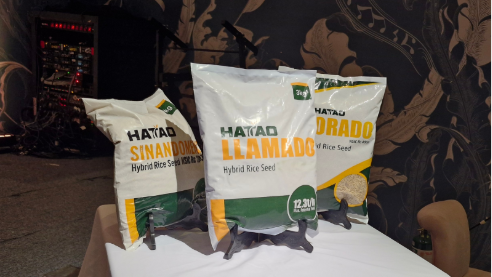
To support wider deployment of these technologies, Mestiso 120 has been licensed to Tao Foods Company for seed production and distribution in the Philippines under its Rice-to-Rise Program.
Laura Love Guevara, President and CEO of Tao Foods Company, said, “Through our partnership with IRRI, Tao Foods Company is helping bring next-generation hybrid rice technologies to Filipino farmers. Varieties such as Mestiso 120 have the potential to increase productivity from seed multiplication through commercial production, contributing to a more sustainable, resilient, and food-secure future for the Philippines."
Mestiso 149 and Mestiso 164 are available for future commercialization and deployment opportunities.