Bangkok Climate Action Week 2026: Bridging agri-innovations and sustainable practices for Asia’s food systems
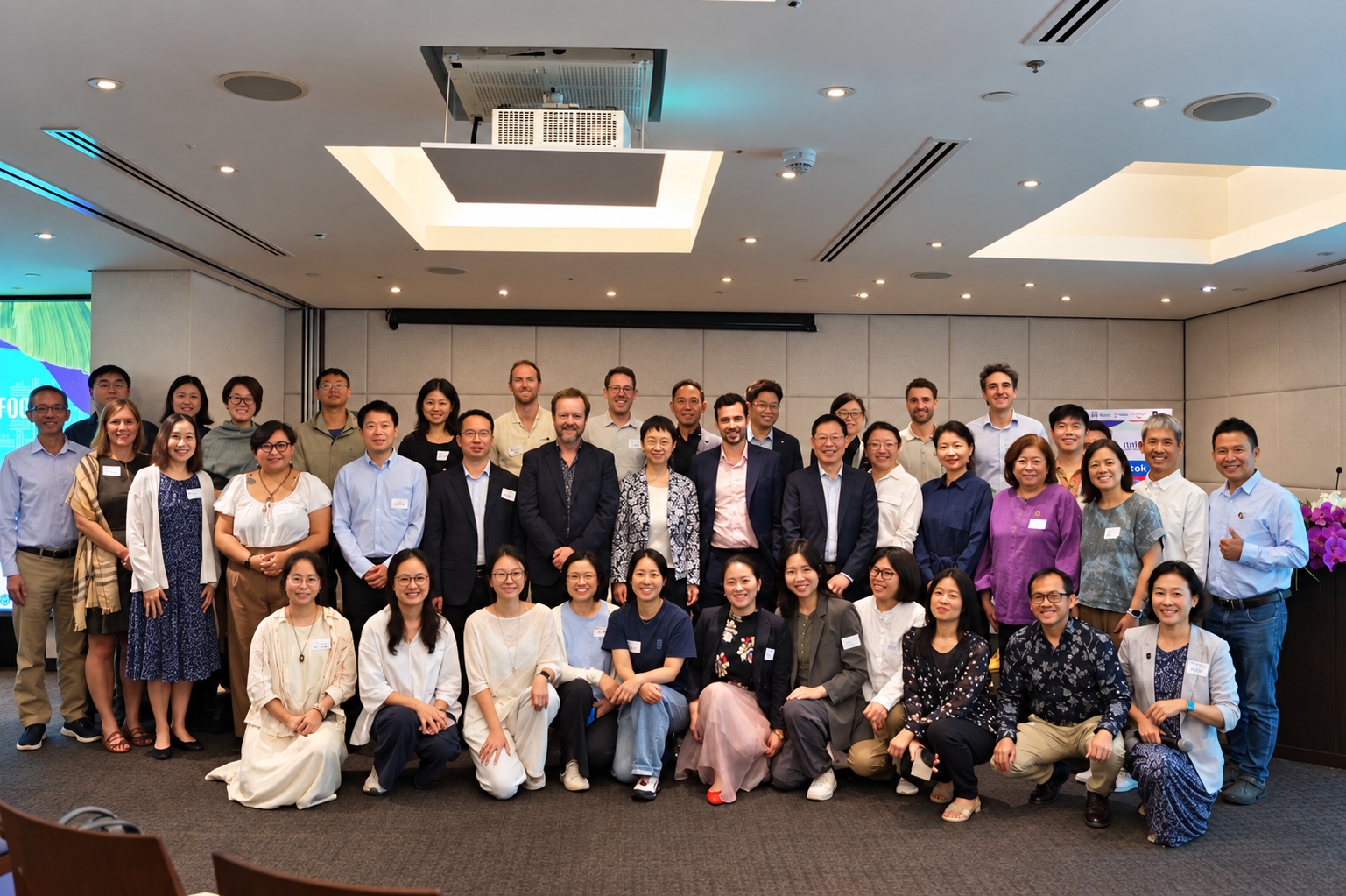
- Reducing emissions requires combinations of agricultural practices adapted to local conditions, including water, fertilizer, and crop residue management as well as rice variety selections.
- Alternatives to conventional farming practices must be economically and practically viable. Farmers need access to suitable technologies, machinery, training, financing and markets before they can be expected to change established practices.
- Scaling sustainable agriculture requires cooperation across the value chain, ensuring that the costs, risks and benefits of agricultural transformation are shared among farmers, businesses, financial institutions and public authorities.
BANGKOK, Thailand (8–9 October 2026) —At the Bangkok Climate Action Week 2026, the International Rice Research Institute (IRRI) contributed its expertise in low-emission rice production, greenhouse gas monitoring (GHG), and sustainable crop management to two regional discussions on advancing climate-resilient and low-emission food systems across Asia.
The events approached agricultural sustainability from different perspectives but reinforced a conclusion repeatedly heard across regional and international fora. Agricultural solutions are largely known, yet their adoption depends on making sustainable farming practical and economically worthwhile for farmers.
Combining agricultural technologies for better results
IRRI joined the discussions at the Scaling Climate Resilient Agri-Food Systems in Asia: Regional Solutions from Southeast Asia and China organised by the Natural Resources Defense Council (NRDC), in collaboration with the United Nations Environment Programme–International Ecosystem Management Partnership (UNEP-IEMP) and SynTao Consulting. The event examined agricultural technologies, methane mitigation and cooperation across value chains.
IRRI delivered a keynote presentation on monitoring systems, farmer incentives and the requirements for scaling methane reduction.Dr. Bjoern Ole Sander, Senior Scientist for Climate Change and Country Representative for Thailand at IRRI, presented digital monitoring approaches, including RiceMoRe, the ORYZA rice crop model, satellite observations and field measurements, demonstrating how information on cultivation practices and water conditions can support agricultural decisions, climate reporting and investment.
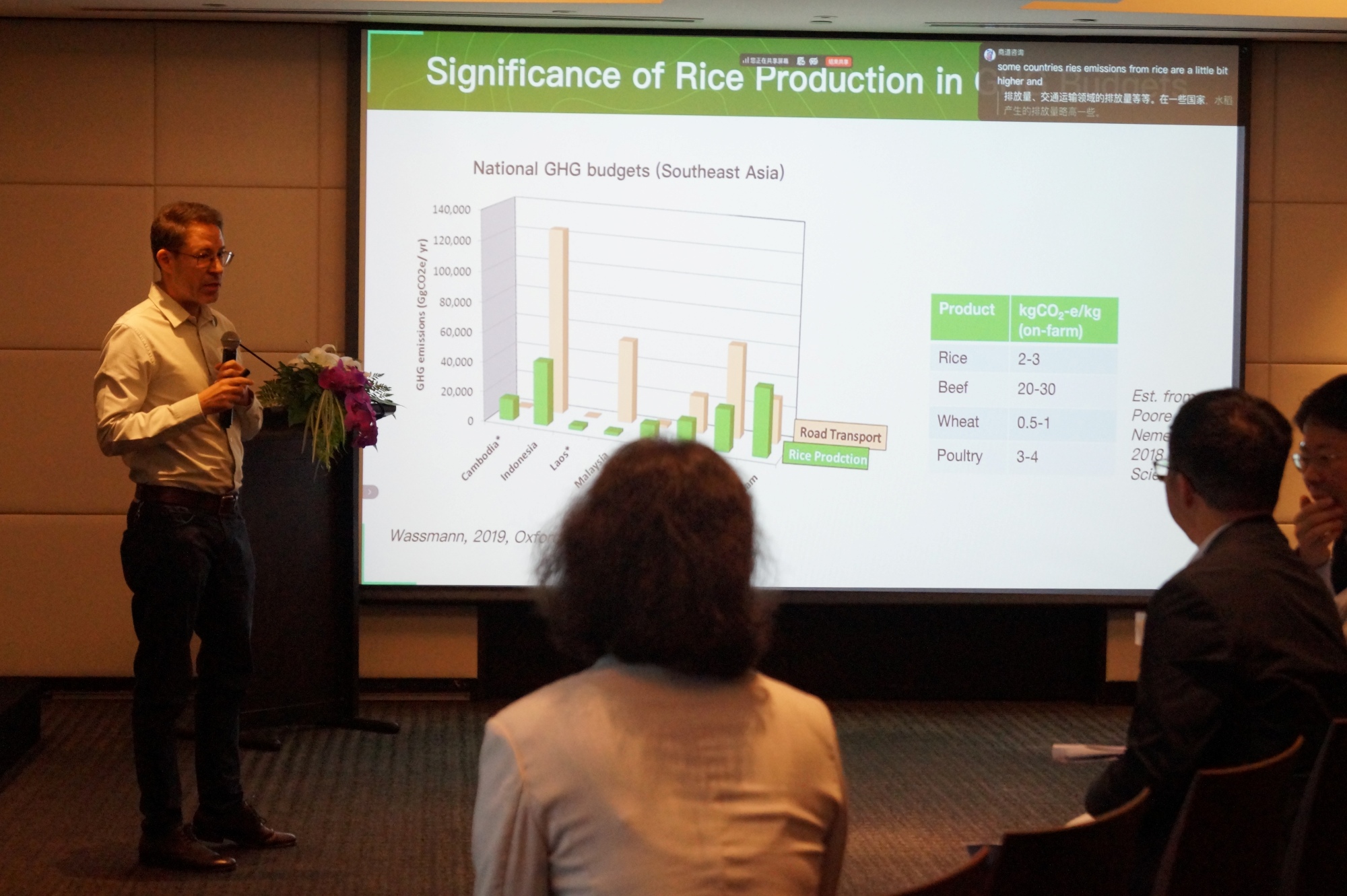
He also connected technical monitoring with the wider conditions for adoption, including farmer training, financial incentives and investment in supporting infrastructure, needed to translate available technologies into practices that can be implemented more widely.
Meanwhile, Dr. Wang Bin, Research Professor at the Institute of Environment and Sustainable Development in Agriculture, Chinese Academy of Agricultural Sciences, discussed how improved water and fertiliser management, biological fertilisers, and mechanised cultivation can reduce emissions while maintaining yields. Additional costs and insufficient incentives, however, remain barriers for smallholders.
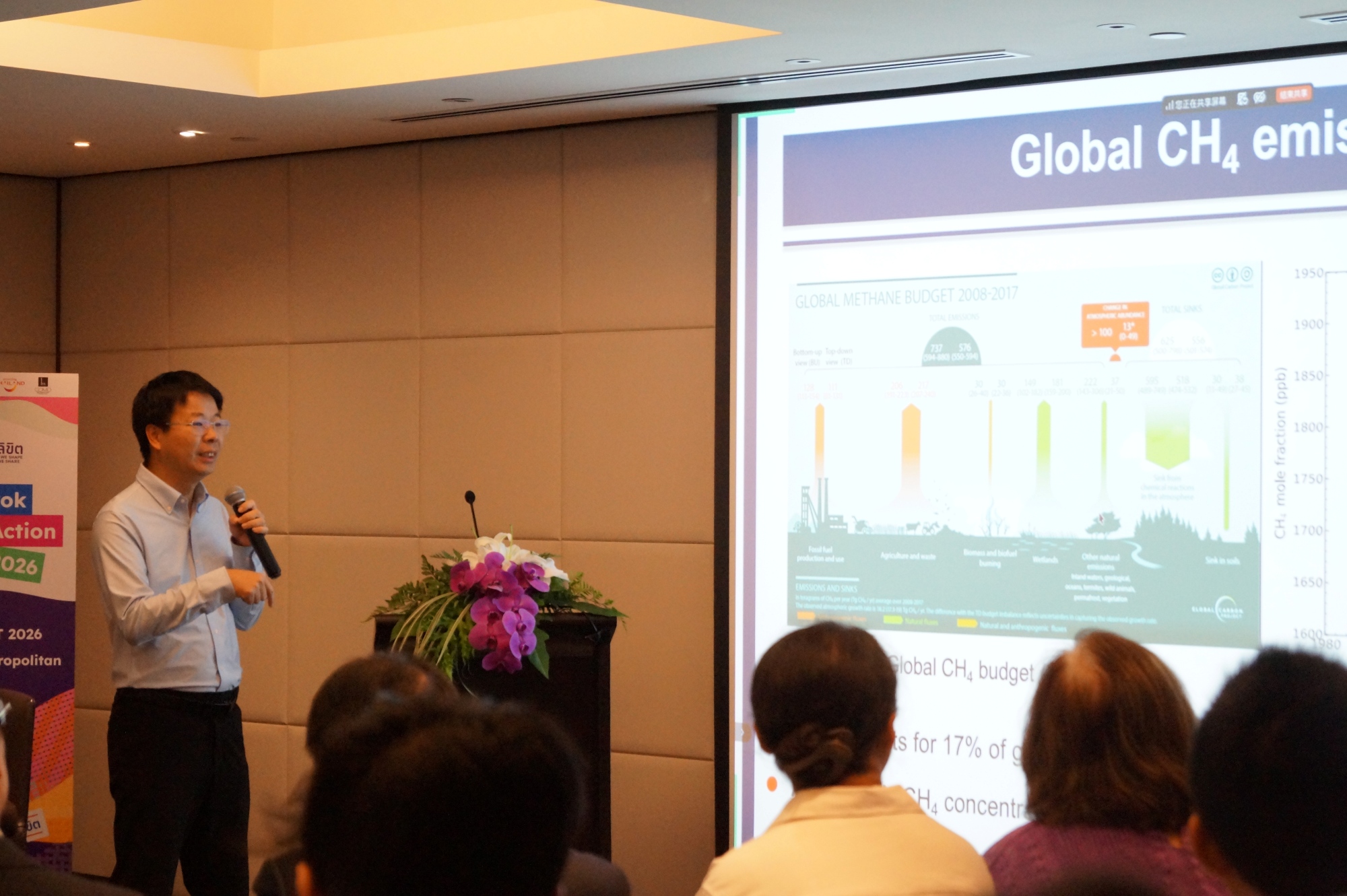
Prof. Shen Jianlin, Professor at the Institute of Subtropical Agriculture, Chinese Academy of Sciences focused on the long-term research showing that straw-derived biochar can reduce methane emissions and contribute to soil carbon storage, while also affecting other GHG such as nitrous oxide.
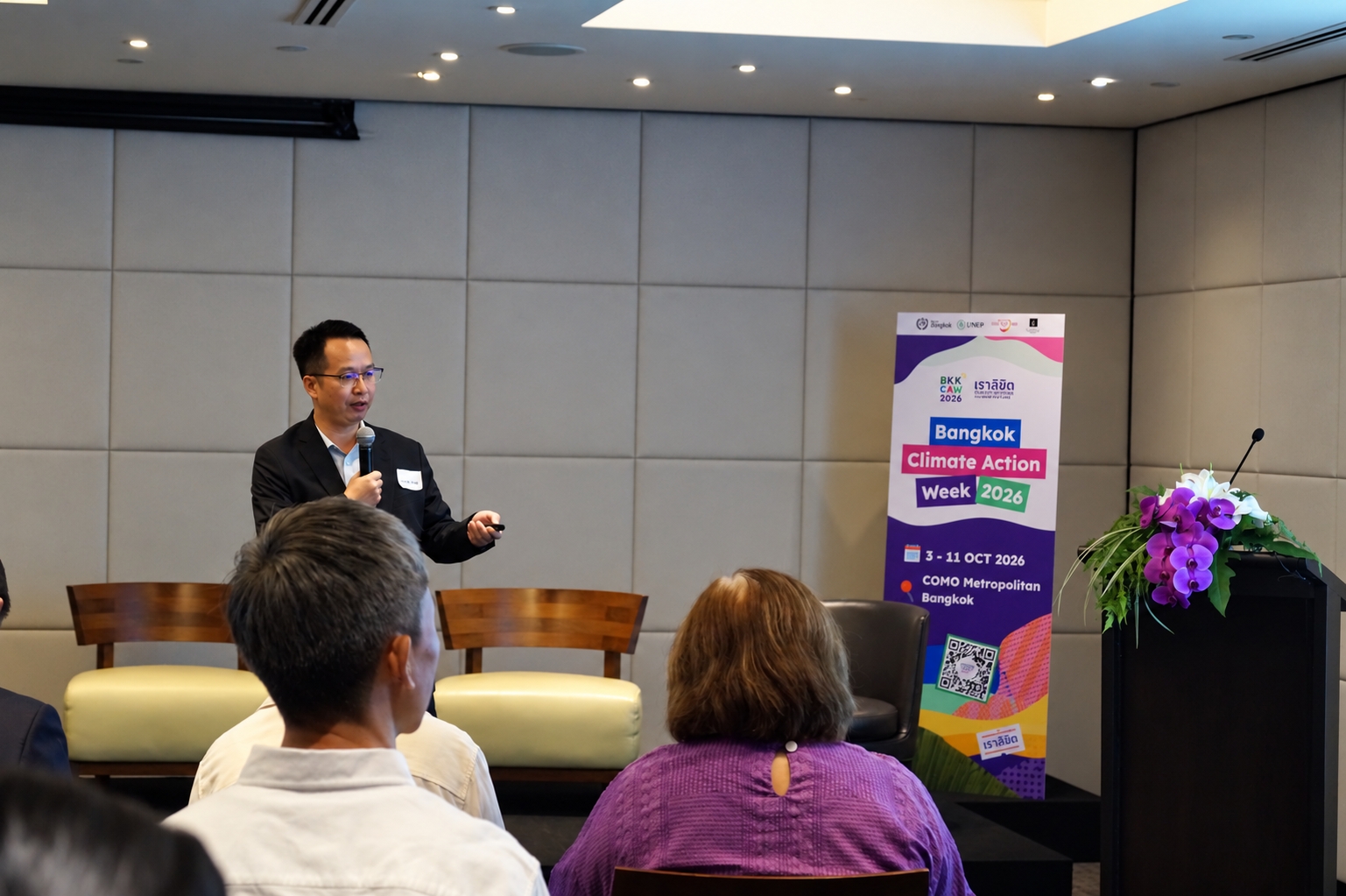
The presentations highlighted the need to combine agricultural practices according to local production conditions rather than rely on individual technologies.
Connecting agricultural innovation with markets
The discussions also examined how market conditions and financial incentives can support low-emission production. Dr. Yan Wenjing, Senior Programme Manager at SynTao Consulting, examined methane mitigation across China's rice value chain, highlighting the roles of producers, businesses and financial actors and whether financial incentives effectively reach farmers.
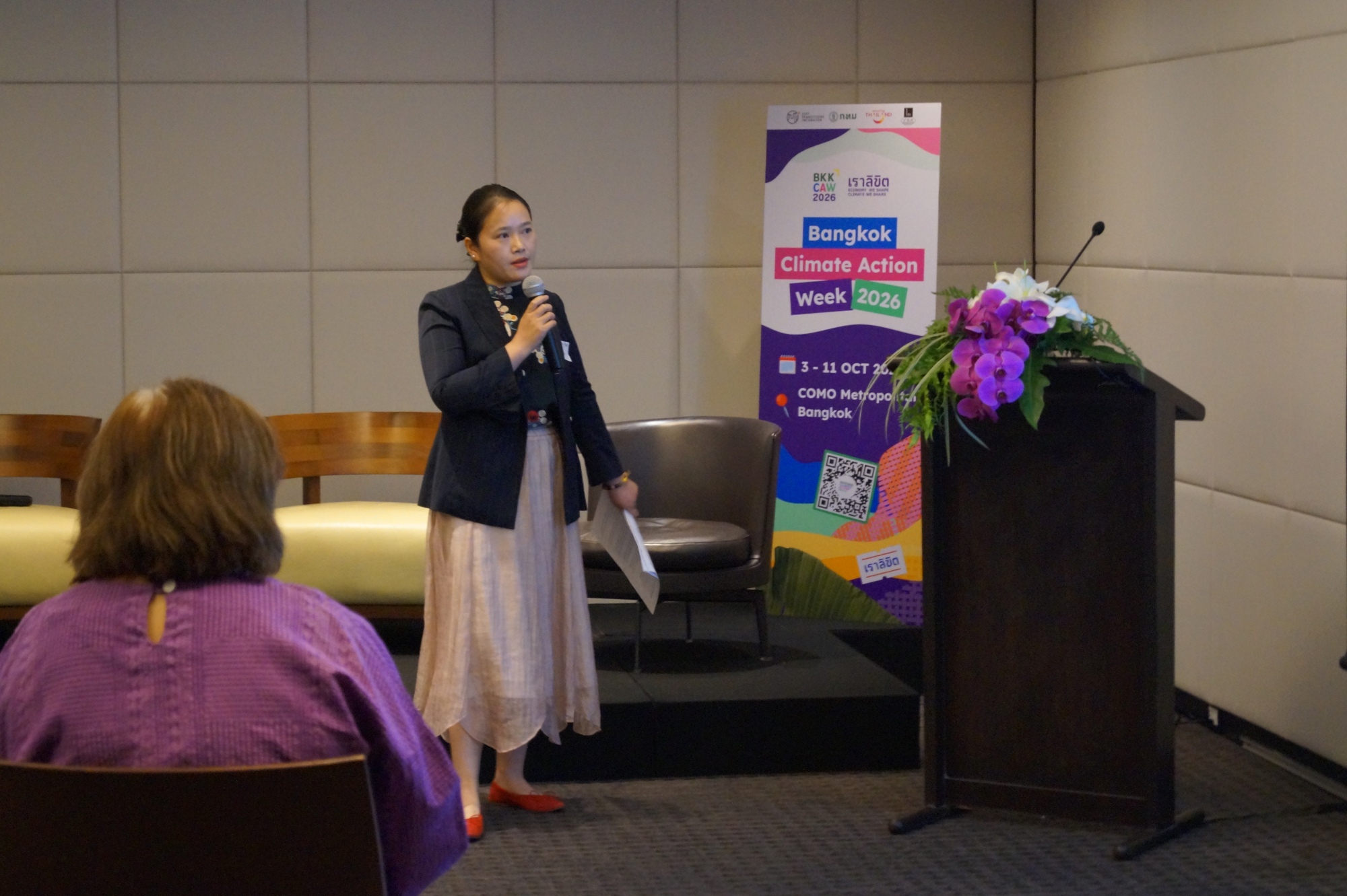
Panel discussions explored contract farming as a way to connect low-emission production with market access, alongside questions about distributing costs and risks. Other contributions addressed rice breeding for nutritional value, water efficiency, and potentially lower emissions, as well as recognizing women's roles in agricultural production.
A recurring concern was ensuring that farmers receive a fair share of the economic value generated by sustainable practices.
Why agricultural burning remains a practical choice
Putting focus on agricultural residue burning and practical alternatives for smallholder farmers, IRRI joined plenary discussions and stakeholder exchanges at the Burning Question in Asia: A Working Session on Agricultural Residue Burning.
The event was organized by Clim-Eat, the Thailand Environment Institute Foundation (TEI) and Clean Air Fund, with the Climate and Clean Air Coalition (CCAC) FIRST Network, Deutsche Gesellschaft für Internationale Zusammenarbeit GmbH (GIZ) and the Asian Farmers' Association as collaborators.
Despite restrictions, burning agricultural residues, such as rice straw, persists because it remains cheap, fast and requires little labour or machinery.
Dr. Benjamas Chotthong, Director of the Project Development and Planning Program at the Thailand Environment Institute, discussed alternatives including improved residue management, commercial uses for straw, shared machinery and farmer training. However, their adoption depends on affordable equipment, functioning markets and viable returns. Participants also questioned the commercial scalability of biochar production.
The discussions were particularly relevant to IRRI's work on sustainable straw management and low-emission rice cultivation. They also highlighted the need for locally appropriate solutions, including agroforestry and alternative crops in highland areas where steep terrain limits machinery use.
From available solutions to widespread practice
Across both days, the discussions showed that technical solutions are available, but production costs, financing and market conditions continue to limit adoption.
IRRI's engagement connected its research and technical expertise with regional discussions involving farmers, businesses, financial institutions and environmental organisations. The recurring conclusion was that sustainable agriculture requires cooperation beyond the farm, with practical support and economic benefits reaching the farmers expected to change their practices.
Bangkok Climate Action Week, held from 3 to 11 October 2026, provided a platform for discussions on how climate ambitions can translate into practical changes across economies and communities. Agriculture featured prominently in these conversations, particularly rice production, which supports millions of livelihoods across Asia while contributing