Building the evidence for low-emission rice production: Exploring the findings over the three years of the REMET-Rice Project
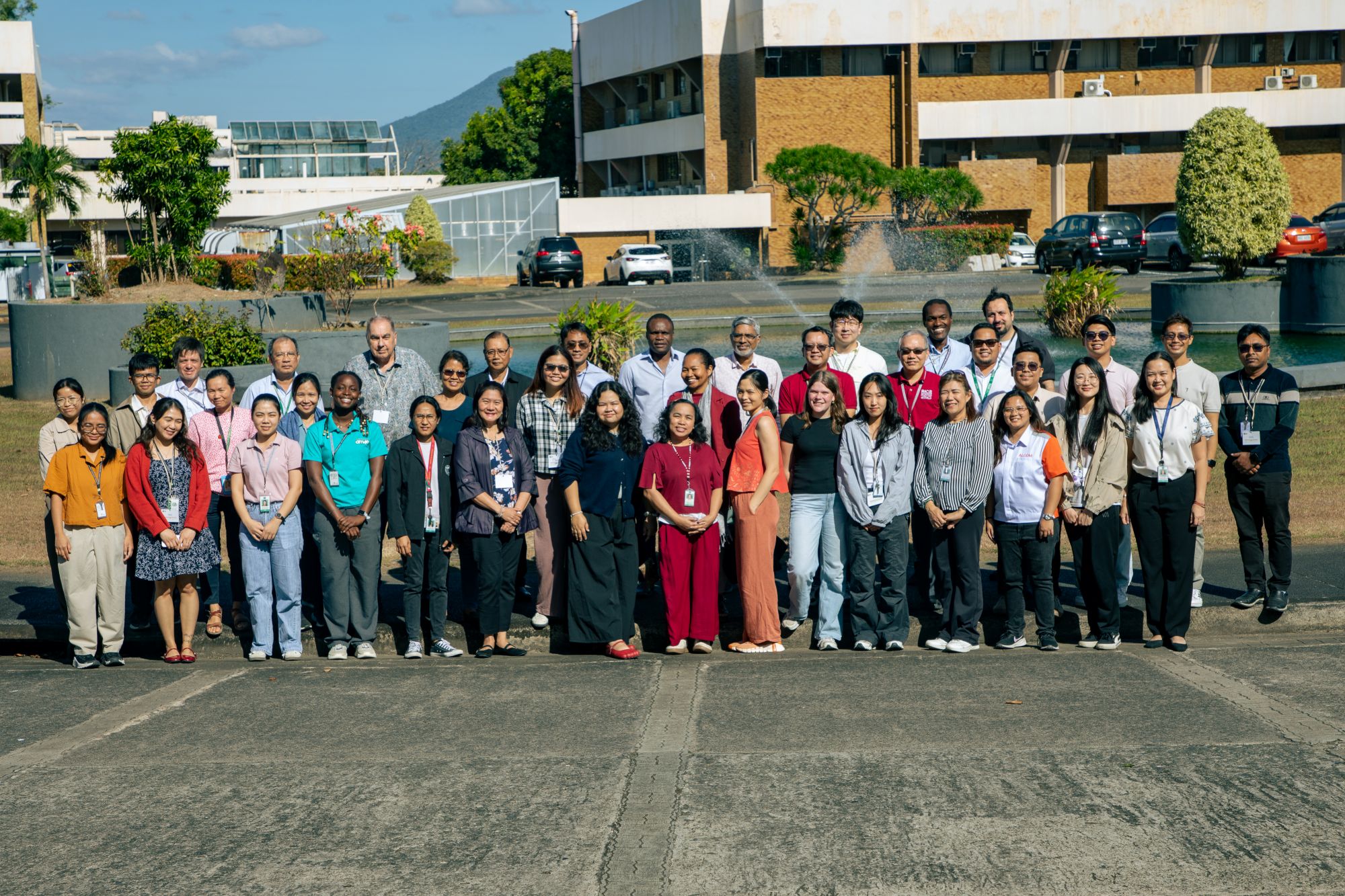
LOS BAÑOS, Philippines (27 March 2026) - The International Rice Research Institute (IRRI), in collaboration with partners around the world, recently held its two-day wrap-up workshop on the Reducing Methane Emissions From Rice (REMET-Rice) Project, a groundbreaking research initiative to expand our understanding of how methane (CH4) and other greenhouse gases (GHG) are produced in rice systems, and experimenting with various methodologies and protocols that can contribute to transitioning rice cultivation into a low-emission system.
Rice is a cornerstone of global food security, feeding over half of the world's population. However, the production of rice is also a significant source of GHG emissions in agriculture, contributing roughly 40 million tons of methane emissions annually. While methane has a shorter lifespan than carbon dioxide (CO2) in the atmosphere, it is 28 to 80 times more powerful in trapping heat, making it a major driver in near-to-long term climate change.
Throughout its three-year run, the REMET-Rice Project mobilized a multidisciplinary task force of physiologists, soil scientists, microbiologists, breeders, agronomists, climate scientists, and data experts from various international organizations and national partners, including the Philippine Rice Research Institute, University of the Philippines Los Baños, among others. The project generated a massive volume of datasets covering a multitude of data points, including emission rates, soil properties, plant traits, microbial analysis, and more. The unmatched width and breadth of the data aim to provide a robust foundation for identifying biomarkers for low-emission rice systems, and to measure and validate mitigations benefits and agronomic co-benefits of technologies that can be adopted by farmers.
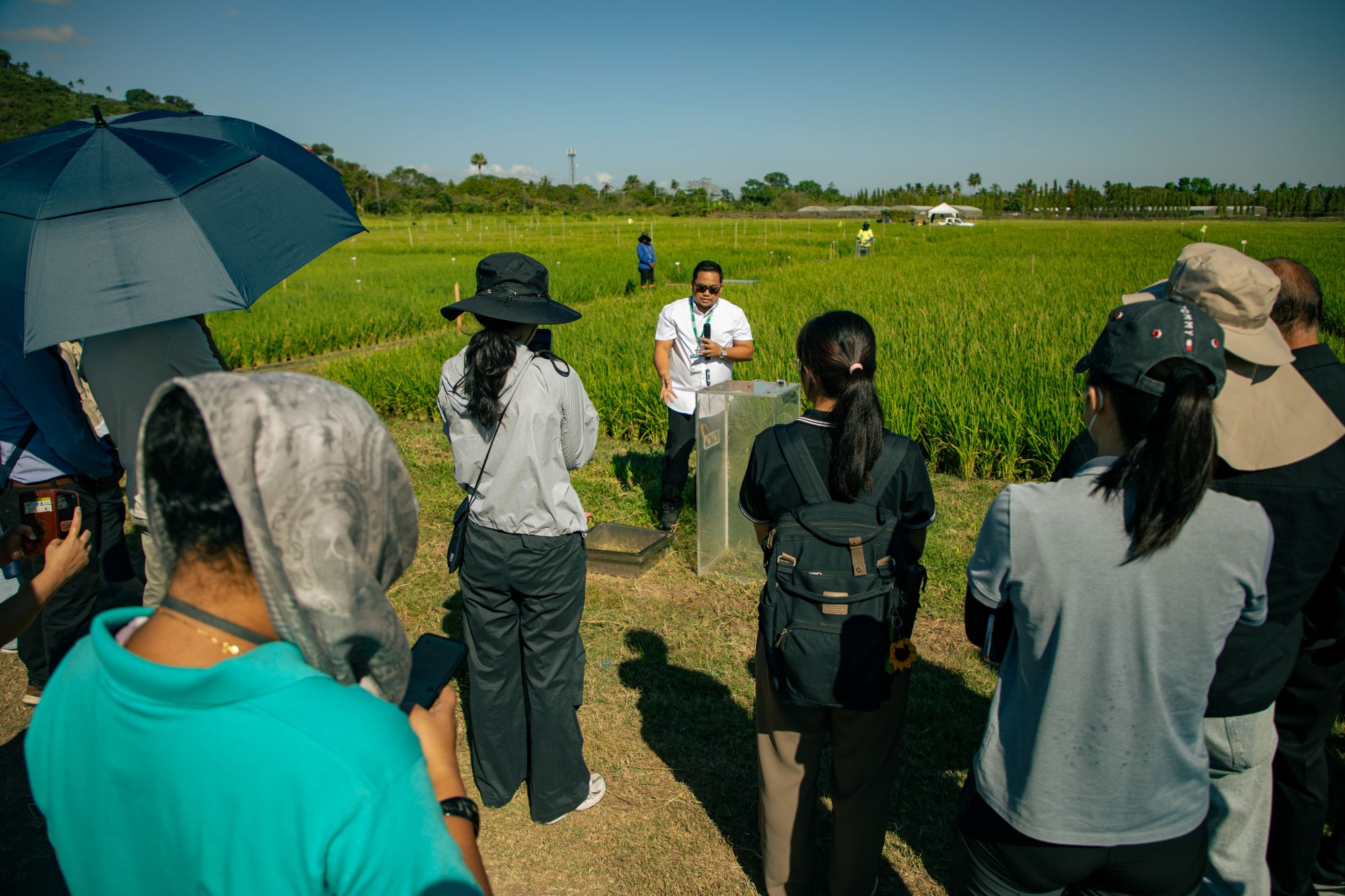
Findings from REMET activities
Alternate Wetting and Drying (AWD) is recognized as the most effective strategy for mitigating rice methane emissions, showing reductions of up to 70% in controlled project trials. Despite this potential, the study highlighted a significant implementation gap, with AWD adoption rates at only 5% globally and 12% in the Philippines. Researchers noted that the technology is challenging to scale because it requires precise water level monitoring and a highly reliable irrigation supply, often leading practitioners to implement different forms of AWD such with threshold at -10 cm drying instead of the recommended -15 cm.
Sulfate-based amendments, such as phosphogypsum, offer a mitigation pathway by directly suppressing the microbial processes that produce methane. By acting as an alternative electron acceptor, sulfate stimulates the growth of specialized bacteria that outcompete methanogens for energy sources. Project data indicated that while these amendments were effective under continuous flooding, timing of application (dividing the dose between the basal and panicle initiation stages) and considering specific conditions of soils and water are key for achieving mitigations benefits.
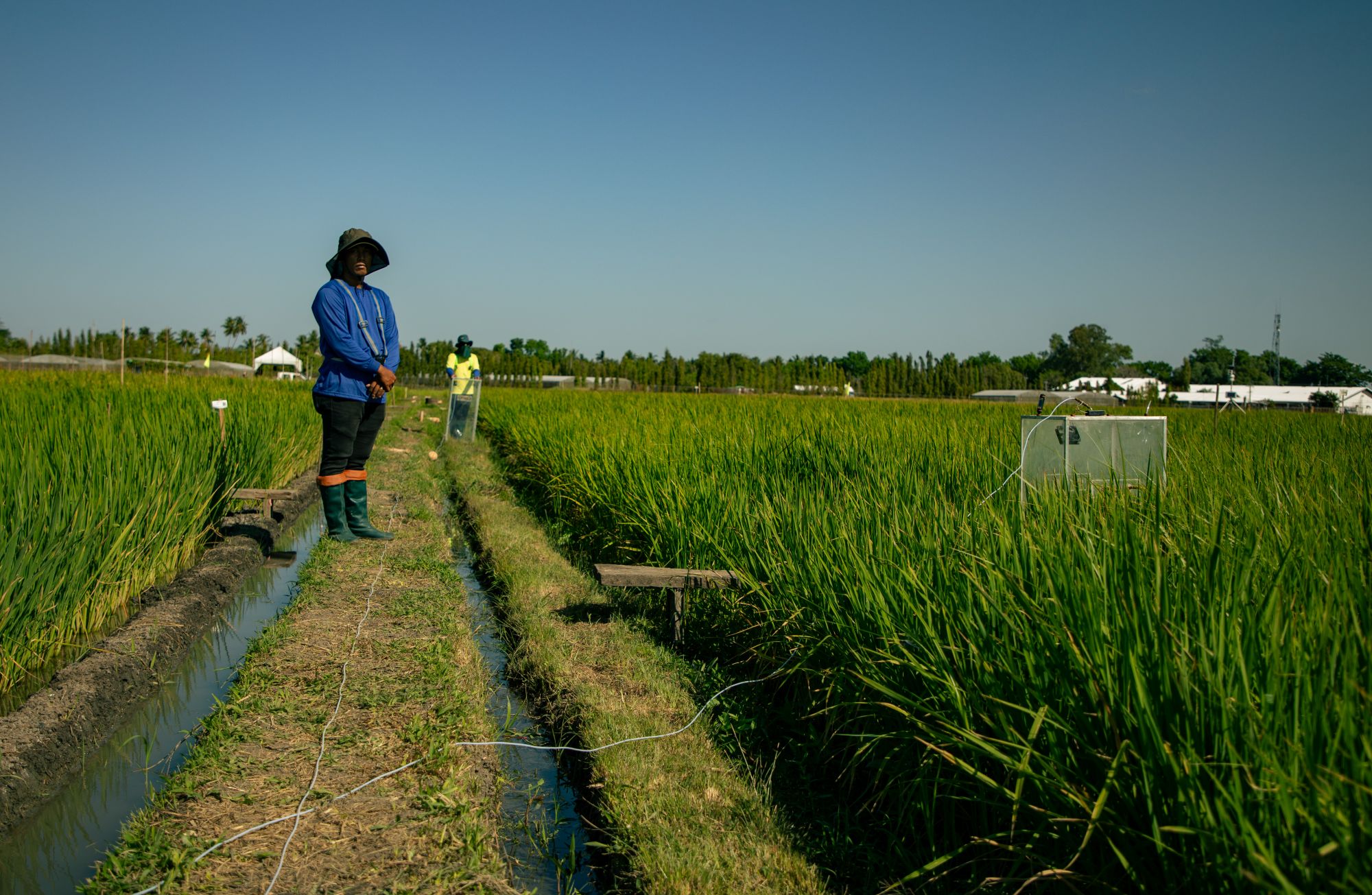
Biochar amendment research focused on a practical, low-rate application that can be locally and sustainably produced using the rice husk and straw from small holding farming systems. In contrast to other studies that typically utilize rates of 10 to 20 tons per hectare, the project demonstrated that biochar being a carbon removal technology may play a significant role in carbon avoidance when combined with organic fertilizer use.
Enhanced Rock Weathering (ERW) is a technology that involves applying crushed silicate rocks to rice fields to capture atmospheric CO2. Trials conducted in California and the Philippines across different soil types confirmed ERW’s role for carbon sequestration and found that ERW application had a significant effect in reducing N2O emissions, particularly in loam soils.
Iron-coated seed combined with Direct Seeded Rice (DSR) is an integrated solution for the DSR as labor-saving alternative to transplanting that reduces risk in crop establishment by protecting seeds from pests while enables at the same time water saving technologies implementation. The project study demonstrated that the coating on seeds suppresses methane by increasing availability of iron as an alternative electron acceptor, reducing emissions without significant yield penalties. While ideal for wet DSR, the technology is less effective in dry DSR setups.
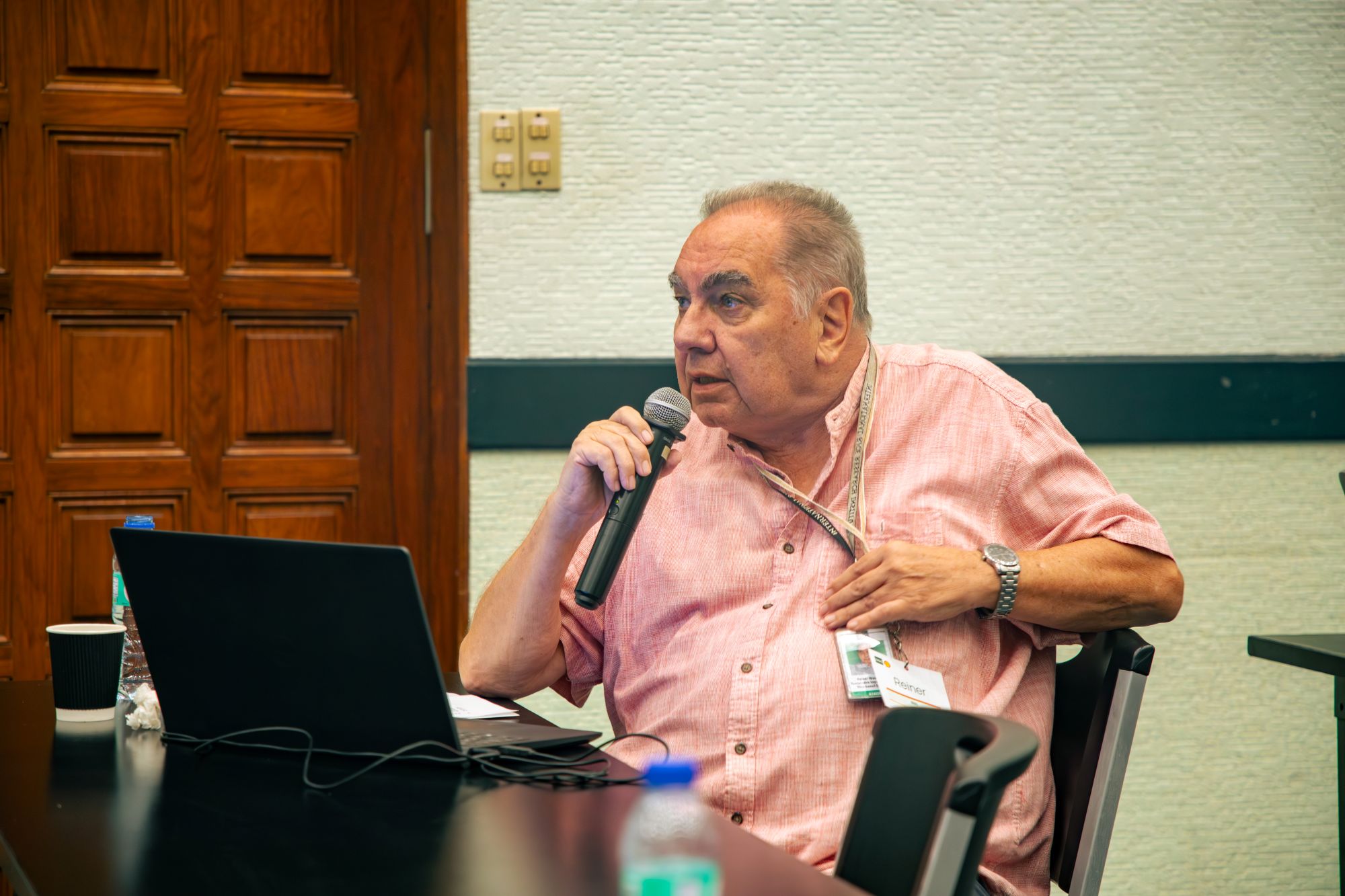
Researchers also looked at crop diversification and its impact on emissions variability, specifically investigating rice-rice, rice-corn, and rice-mung bean cropping sequences to understand system-wide greenhouse gas dynamics. The study tested various nitrogen management strategies, including optimized applications and biofertilizers, with the expectation that fertilized rice-based systems will exhibit higher cumulative methane and nitrous oxide emissions than unfertilized counterparts. These efforts were complemented by a historical review of field data, which confirms that emissions are not constant but are strongly influenced by seasons, water management, and crop establishment methods.
Another workstream of the project focused on identifying low-emitting rice varieties. After testing 26 genotypes across 10 different environments, researchers identified varieties with consistently low and high emissions. The researchers however cautioned that Genotype-by-Environment (G×E) interactions are incredibly strong, with soil organic carbon (SOC) a more dominant driver of methane, and sites of high SOC consistently producing high emissions regardless of variety. The team discussed the most effective way to reduce emissions through reduction of emissions intensity (methane per unit of grain) is to select high-yielding, short-duration varieties that spend less time in the field.
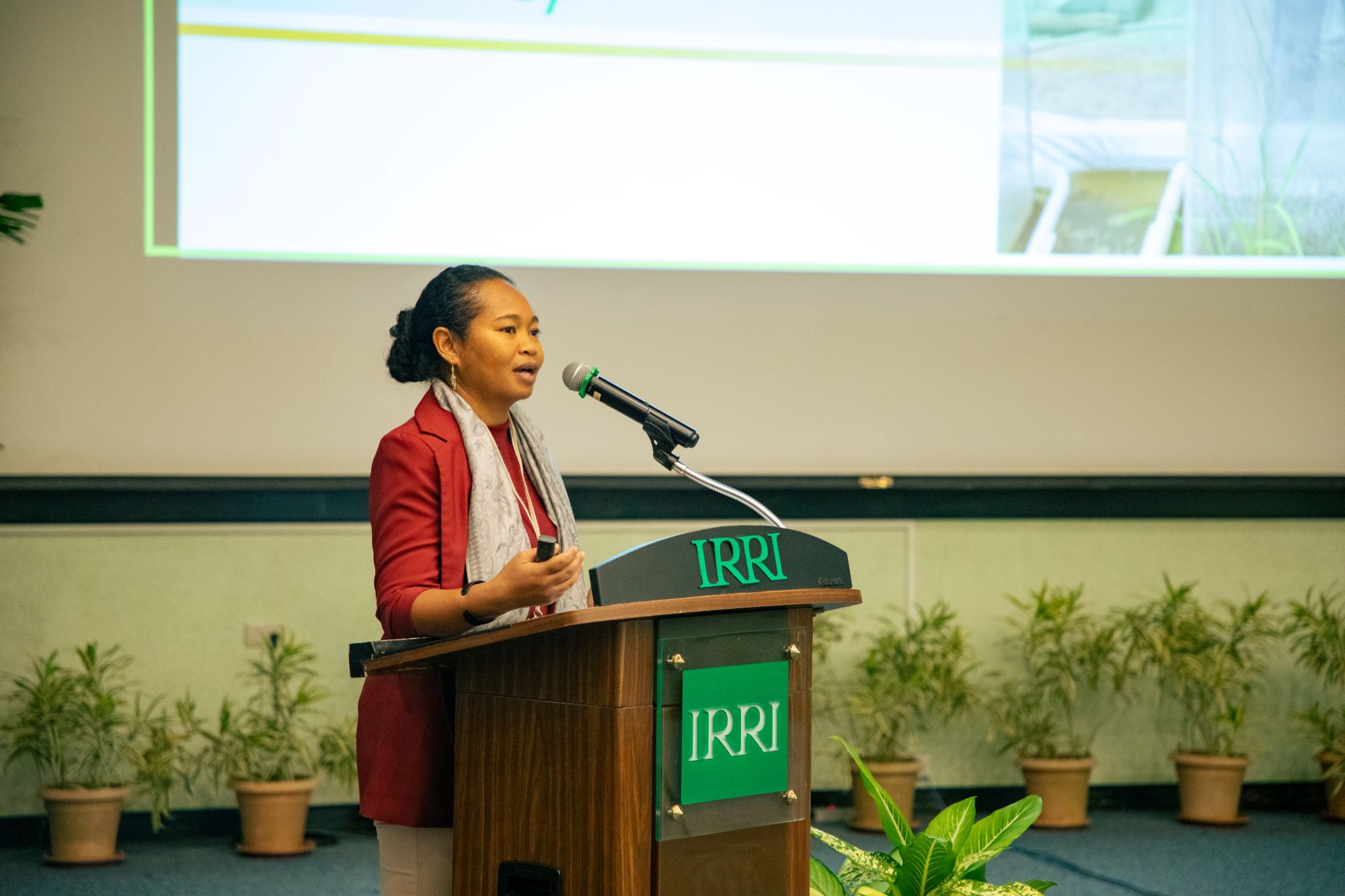
Researchers examined early vigor to understand how plant growth dynamics influence greenhouse gas dynamics. While high tillering and root development can provide the carbon necessary for methane production, increased foliage can transport oxygen to the rhizosphere, stimulating methane-consuming bacteria. Some varieties demonstrated strong early vigor but were also noted as higher emitters during the vegetative stage.
A study into hybrid rice aimed to develop climate-smart varieties that add environmental value to their inherent yield advantage. Although hybrids often require more nitrogen, their roots are frequently more robust and porous, potentially enhancing oxygen transport and methane oxidation. While initial results regarding parent-hybrid emission relationships remain to be explored, some lines emerged as promising low-emitting entries. Future breeding strategies will prioritize short-duration rice hybrids to minimize time in the field and reduce overall emission intensity.
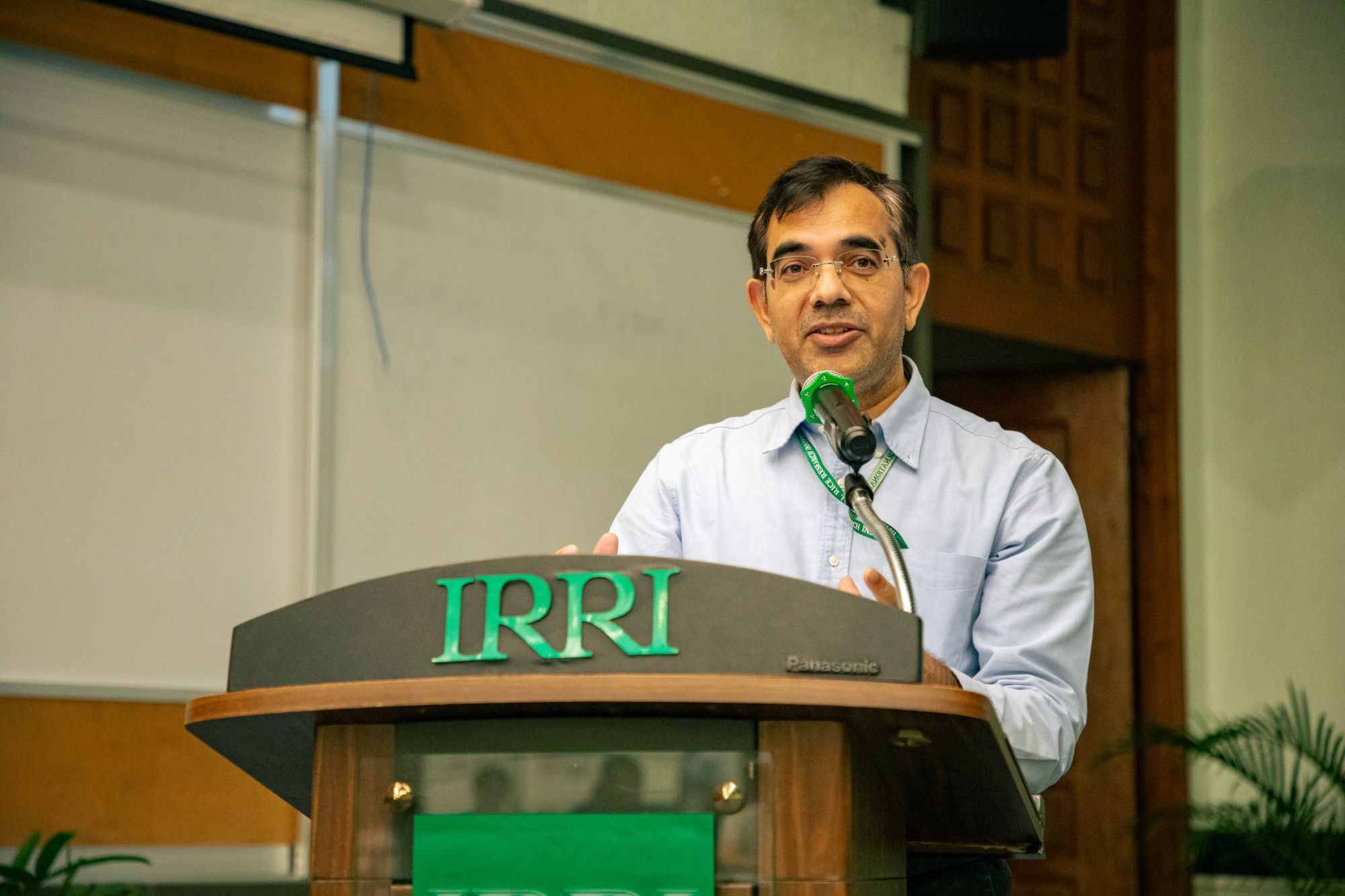
Research into plant anatomy provided a mechanistic understanding of methane production. Researchers explored how root traits influence gas transport and found that rice plants act as "straws," with spongy tissue facilitating the transport of methane from the soil to the atmosphere. Crucially, varieties that develop tight physical barriers in their roots can impede methane from entering the plant, while also allowing oxygen to reach the root tips to oxidize methane before it is emitted.
On soil microbiomes, the project used shotgun metagenomics to identify over 10,000 species in the rice rhizosphere. The research revealed that while methanogens drive emissions in high-methane environments, methanotrophs (methane-consuming bacteria) play a more visible role in reducing emissions during the dry season. The team isolated novel methanotrophic strains and explored the use of cable bacteria, which can reduce methane by oxidizing sulfide, a competitor in the soil chemical cycle.
Utilizing the data and next steps
To help encapsulate and operationalize these complex findings, the project developed and validated the ORYZA Rice Model Version 4. This tool allows researchers to forecast the effects of different management practices and environmental drivers on methane emissions. It was noted that such tools will be critical for future carbon markets, corporate reporting, and National Determined Contributions (NDCs).
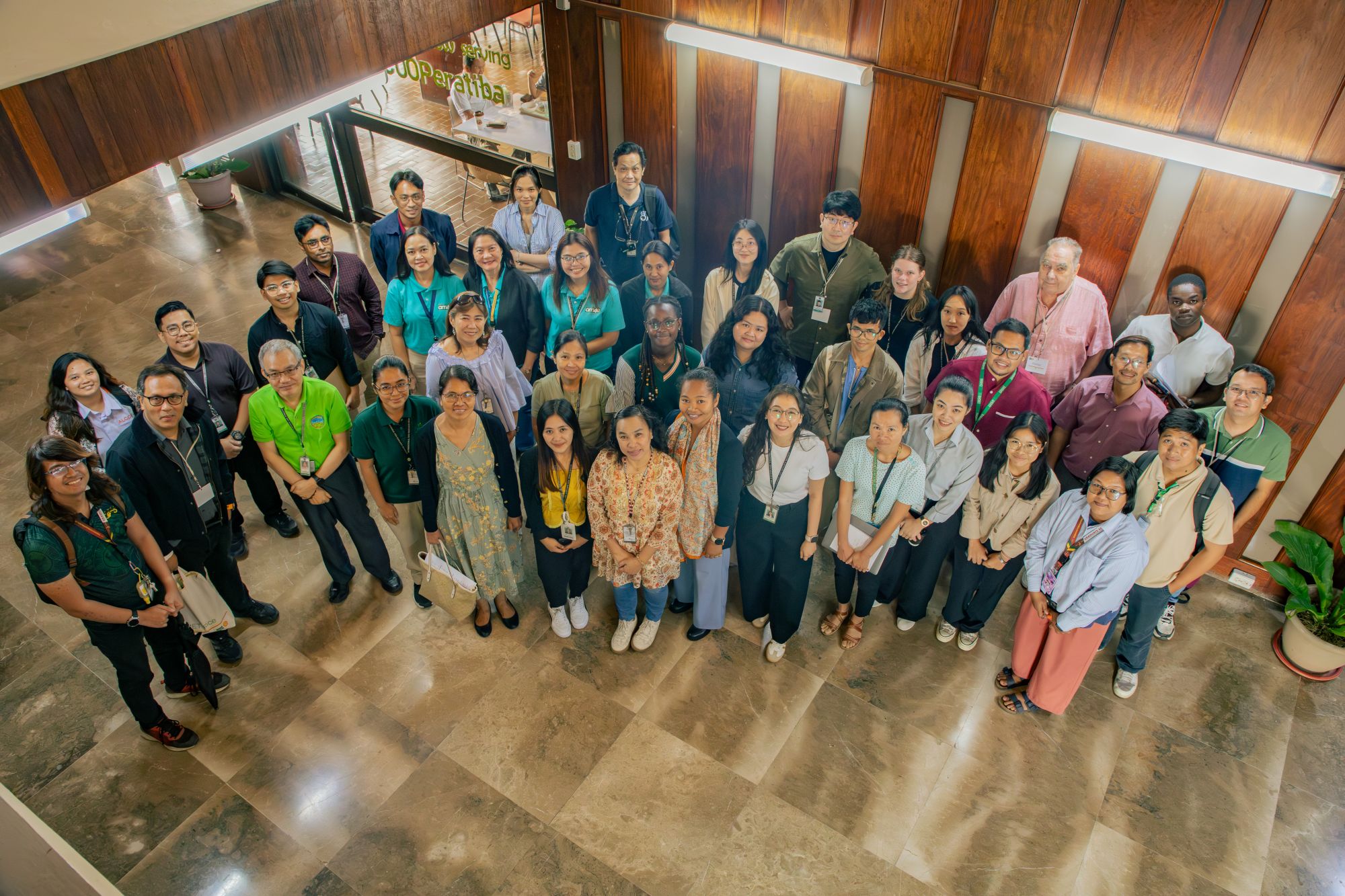
As the REMET-Rice project transitions beyond its first phase, the team's focus will shift forward to further validation with on farm studies but as well to broader collaboration for adding value to the project outputs such the use of the ORYZA model for rice carbon accounting and the advancement of microbiomes research in rice. Project leader Dr. Ando Radanielson concluded that while the 3-year journey has provided essential building blocks—data, protocols, and innovative tools—the work is far from over. Next steps may involve multi-location trials and economic feasibility assessments to ensure that low-emission technologies are not only scientifically sound but also affordable and practical for the smallholder rice farmers who feed the world.