Mekong Delta’s Low-Emission Rice Program Surpasses Targets, Sets New Standards for Sustainable Production
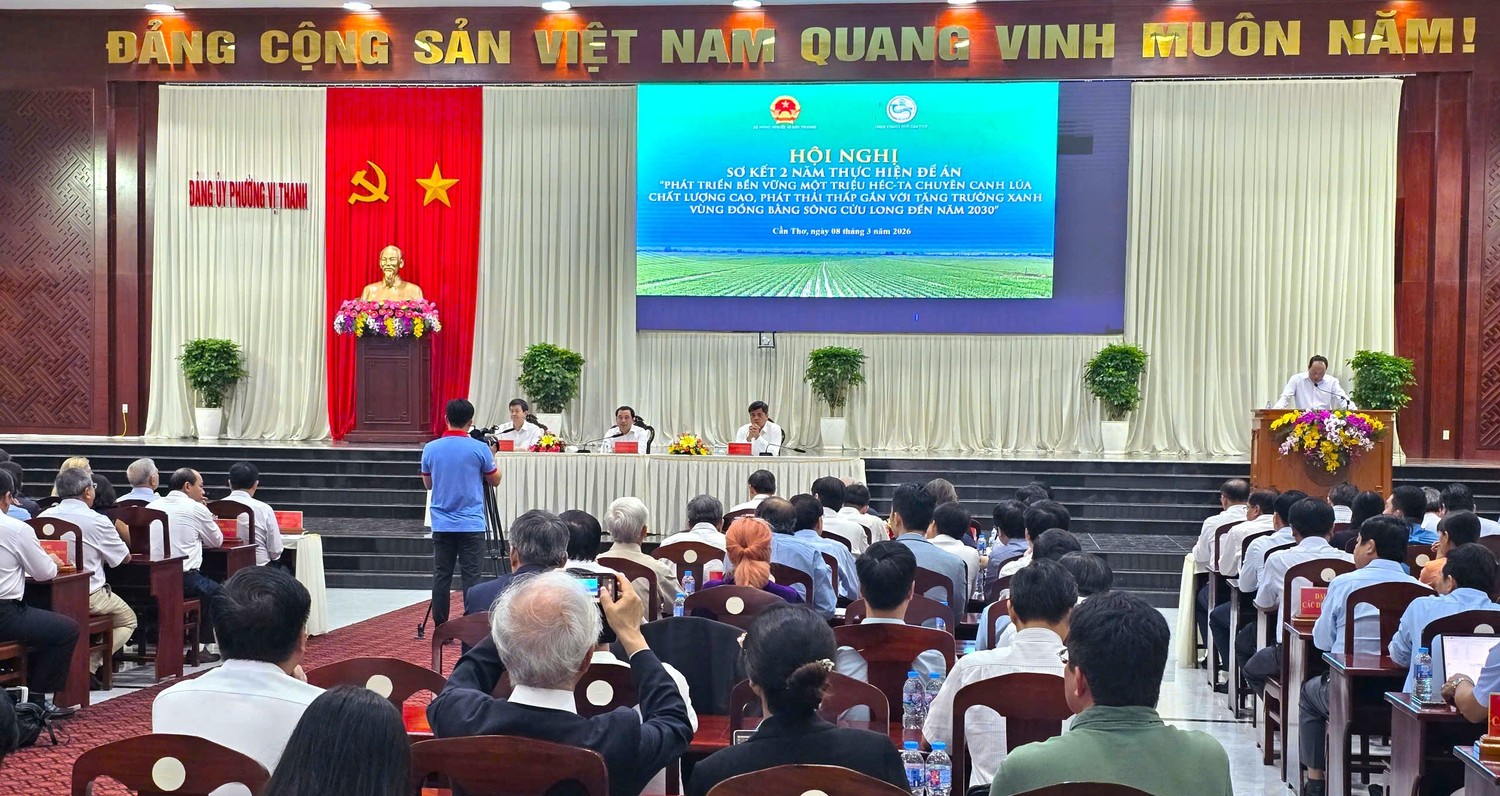
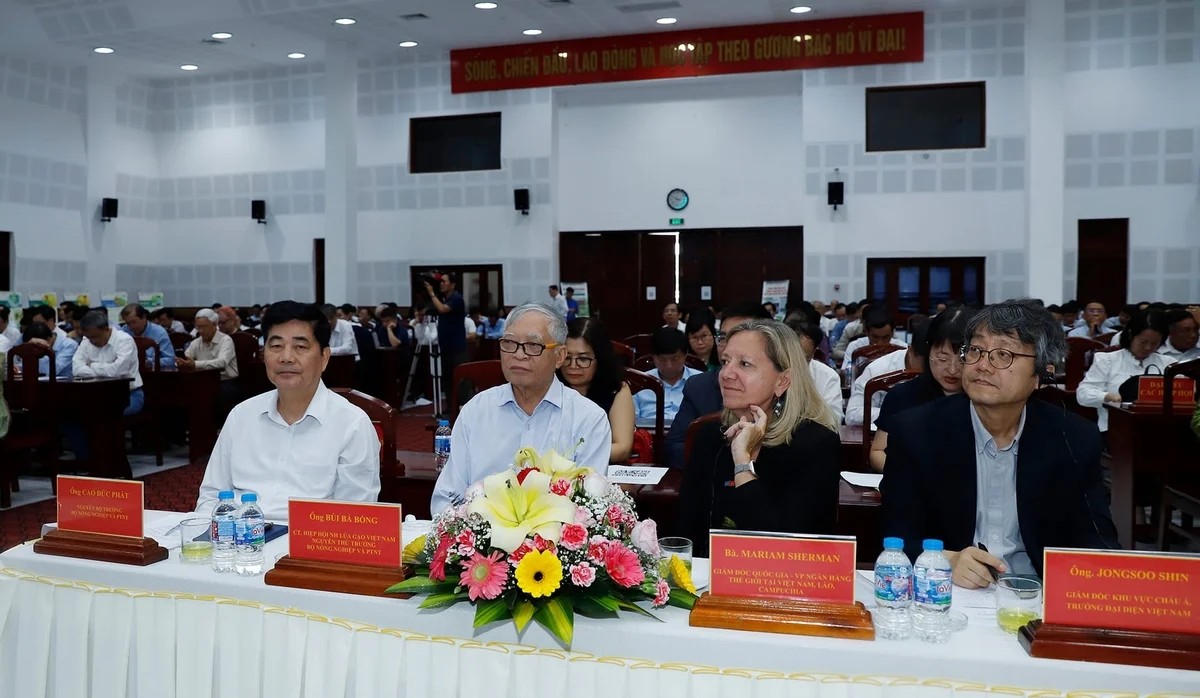
VI THANH CITY, VIETNAM (March 8, 2026) — The Ministry of Agriculture and Environment (MAE) convened a high-level conference to review the two-year progress of the One Million Hectares of High-Quality, Low-Emission Rice Associated with Green Growth in the Mekong Delta by 2030 (1mHa) program.
In just over two years, the program has expanded to 354,839 hectares, reaching 197% of its initial target of 180,000 hectares. Beyond the rapid expansion of cultivated areas, the program is successfully driving a fundamental shift in farming practices toward lower emissions, improved profitability, and more resilient rice production systems.
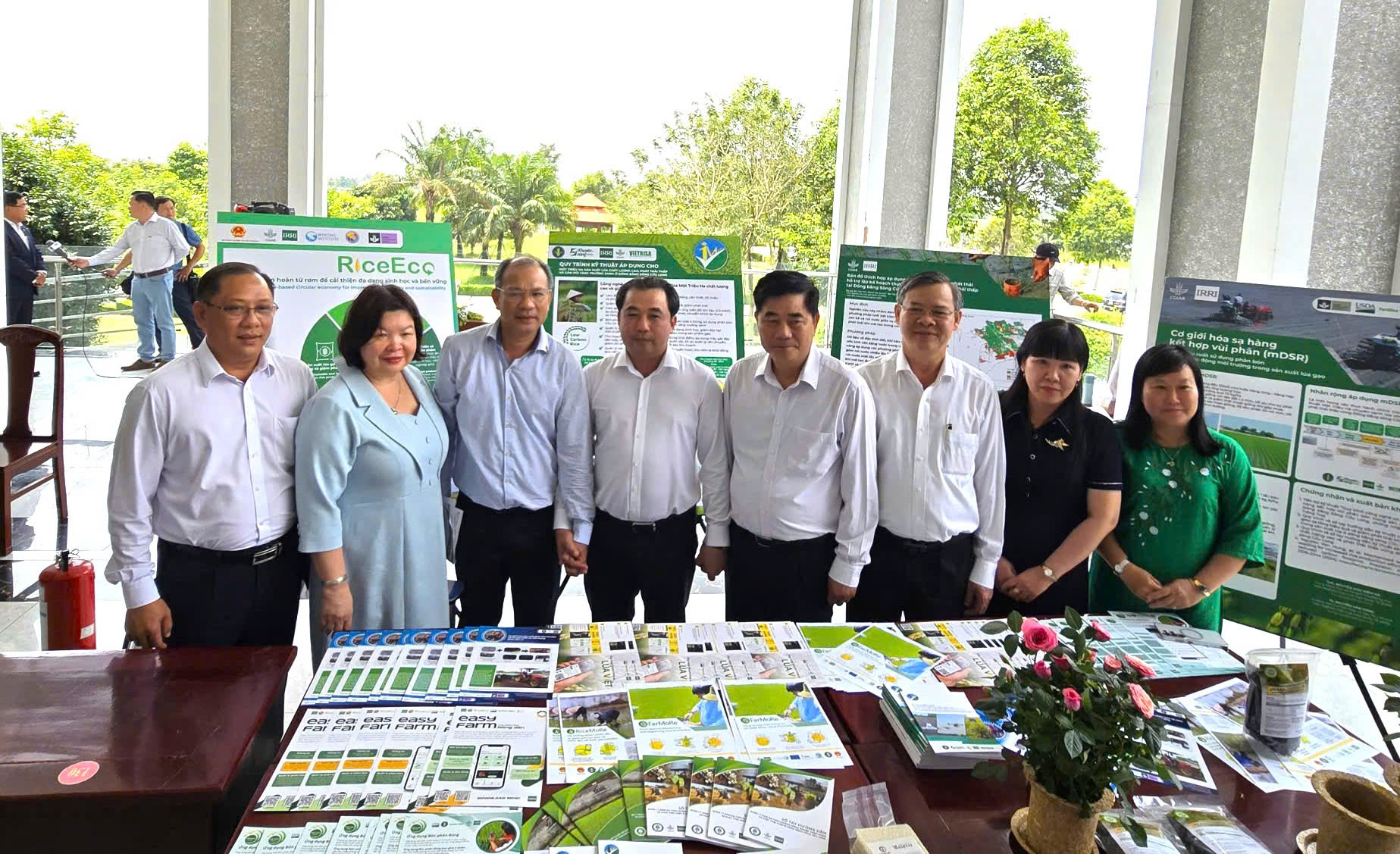
The International Rice Research Institute (IRRI) has worked closely with local authorities to implement pilot models under the Ministry’s program. These interventions focus on technical training in sustainable cultivation, mechanized row seeding combined with fertilizer deep placement, and the implementation of Measurement, Reporting, and Verification (MRV) systems.
The results from these models show a clear improvement in how resources are used. Specifically, seed use dropped by 45%, fertilizer use decreased by 30%, and irrigation water usage went down by 20%. Additionally, crop protection improved, as farmers reduced pesticide applications by 2 to 3 sprays each season. These technical shifts led to substantial economic gains, with production costs falling by approximately 40% and rice yields increasing by 12%. On average, participating farmers saw their profits rise by VND 6 million per hectare, per crop. Furthermore, greenhouse gas emissions were reduced by 3–4 tons of CO2 equivalent per hectare per season.
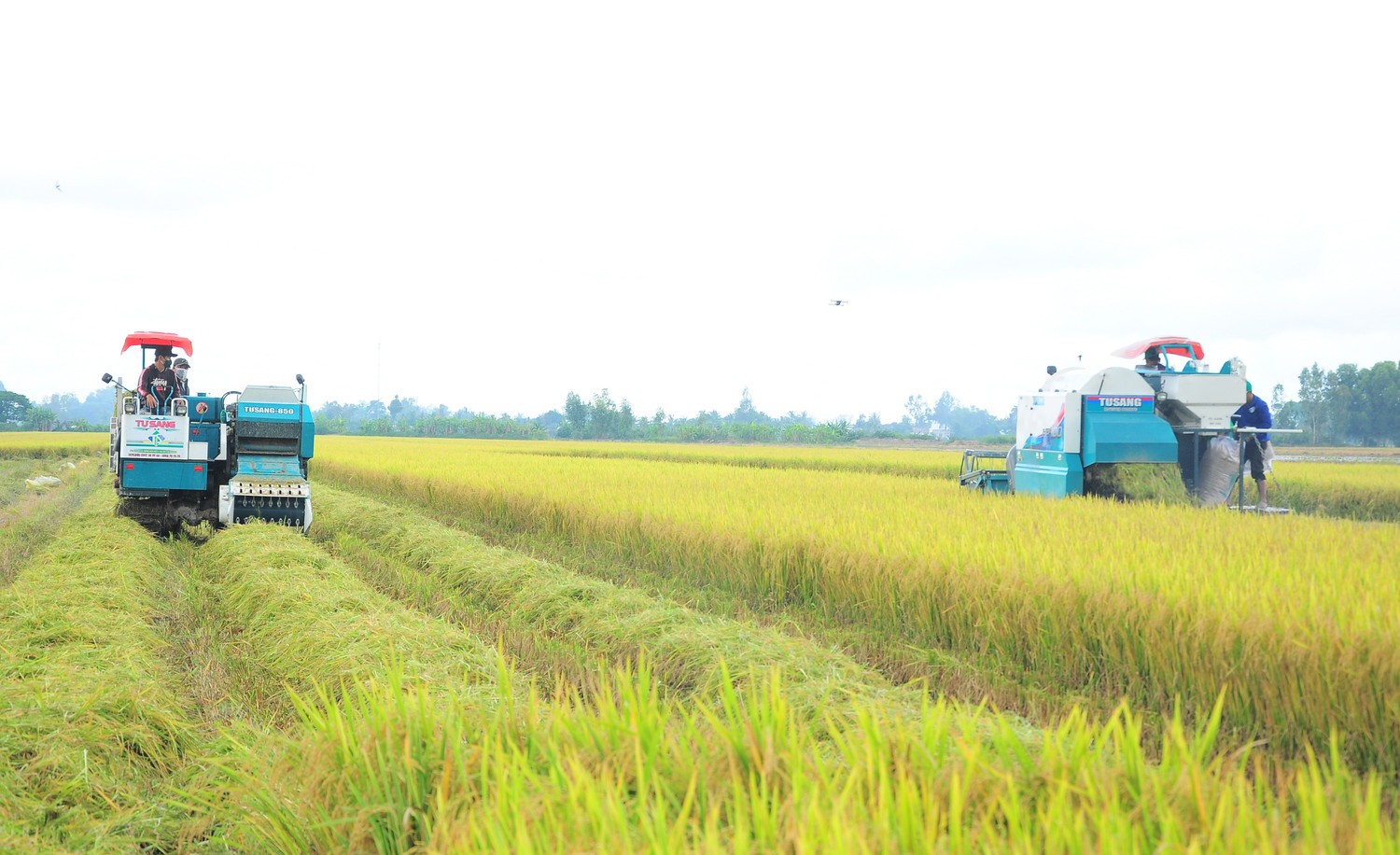
The impact of these innovations is clearly visible at the Go Gon Agricultural Cooperative in Tay Ninh Province. During the Winter-Spring 2025-2026 season, a pilot model applying mechanized row seeding and fertilizer deep placement was implemented across 53 hectares with 11 participating households.
The approach reduced production costs by VND 4.62 million per hectare and boosted yields from 7.5 to 8.5 tons. Ultimately, this resulted in a profit of VND 32.77 million per hectare, approximately VND 10.52 million higher than conventional farming methods.
In tandem with these technical shifts, the Vietnam Rice Industry Association has officially launched the “Vietnam Green Low-Emission Rice” label.
Currently, 18,086.39 hectares of land have been certified for rice production, which means they can produce 75,060 tons of rice with the certification label. Recently, a significant achievement occurred with the export of the first 500 tons of certified low-emission rice to Japan. This marks a strong beginning for Vietnam’s sustainable rice brand in the international market.
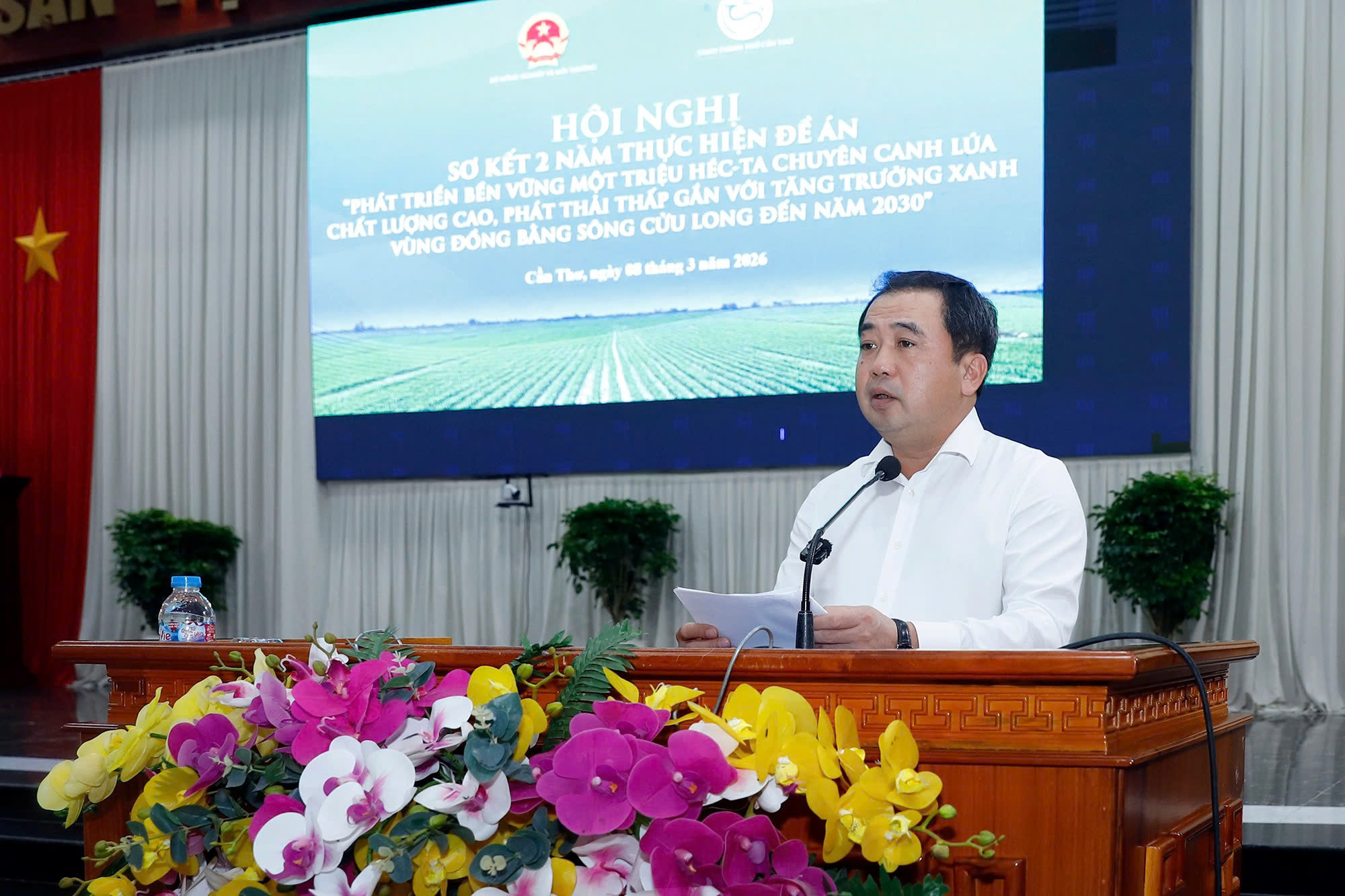
According to Agriculture and Environment Minister Tran Duc Thang, these early achievements are vital to enhancing the value of Vietnam’s rice sector and fulfilling the country's COP26 commitment to reach net-zero emissions by 2050.
"Moving forward, our priorities include optimizing straw management after harvest, strengthening the organizational capacity of cooperatives, and mobilizing green finance and policy support to scale these low-emission models across the entire Mekong Delta," the Minister stated.
The innovations within 1mHa program are supported by USDA-Fertilize Right, the CGIAR Scaling for Impact program, and the World Bank through the MOM-P project.