Beyond the Pilot: Scaling Up Rice Straw Circular Economies Across the Mekong
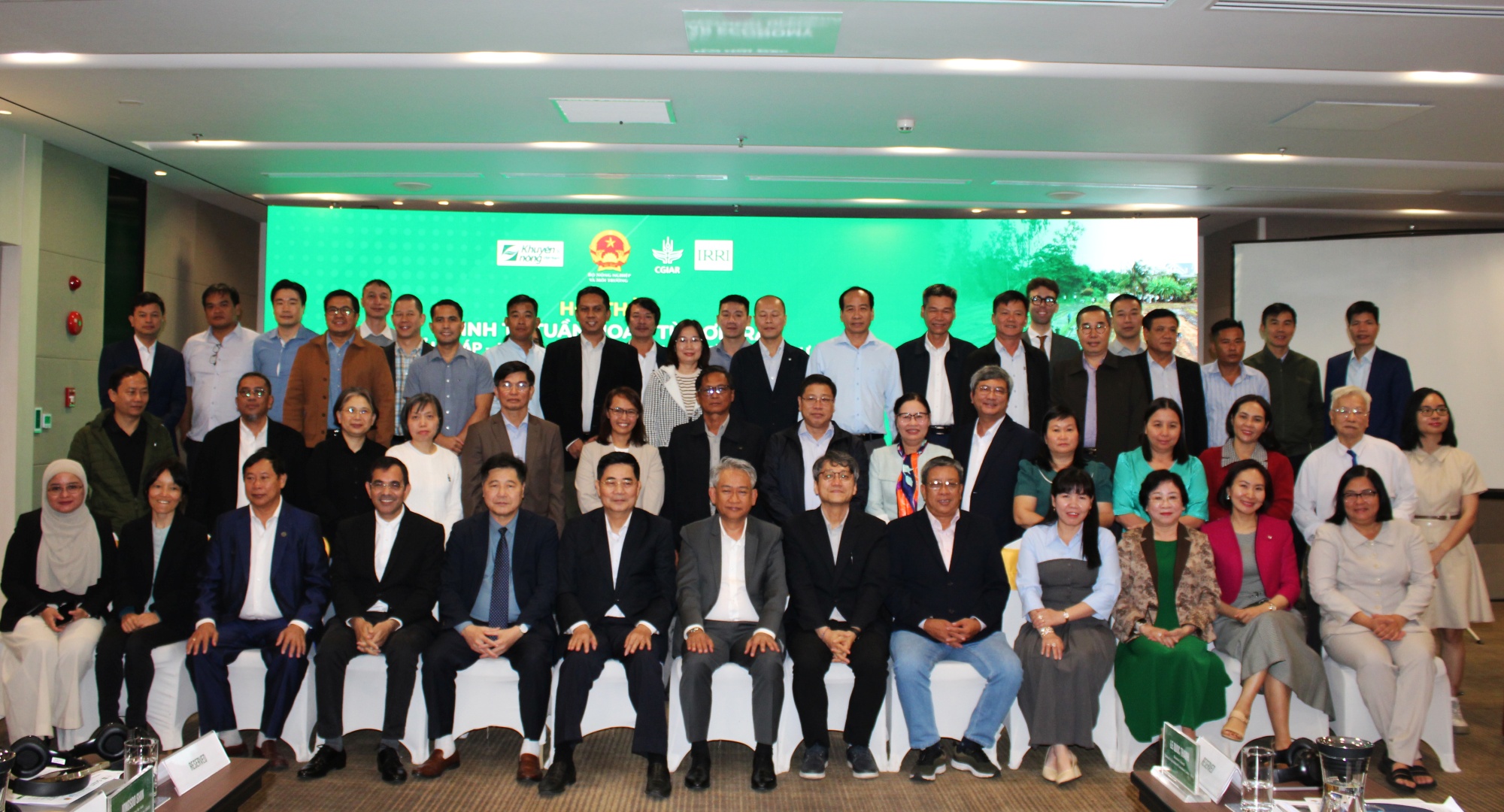
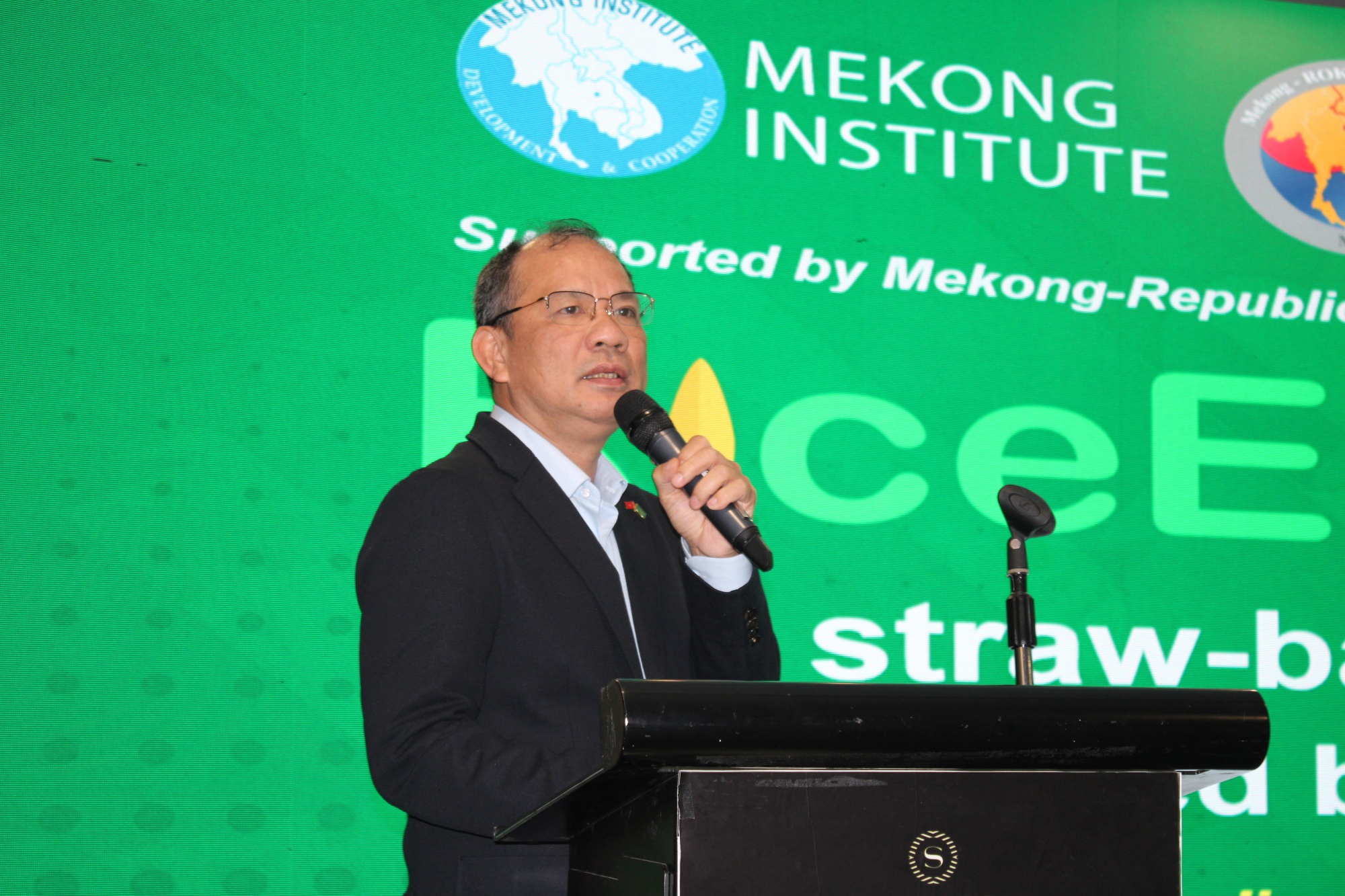
HANOI, Vietnam, January 20, 2026 — The "Rice Straw-Based Circular Economy for Improved Biodiversity and Sustainability" (RiceEco) project, funded by the Mekong-Korea Cooperation Fund (MKCF), recently held its final workshop, titled "RiceEco 4Is: Innovations, Interventions, Impacts, and Investment Opportunities." This event celebrated the successful conclusion of the project's three-year implementation phase in Cambodia and Vietnam. Dr. Suriyan Vichitlekarn, the Executive Director of the Mekong Institute, said that RiceEco has benefited over 5,000 people directly, including farmers, extension workers, and green entrepreneurs. The program focuses on low-carbon rice exports from Cambodia and Vietnam. He shared with pride that RiceEco was featured at the 2025 Mekong-Korea Cooperation Forum, where it was recognized as a model for MKCF initiatives. This recognition highlights its framework for cooperation, ability to scale investments, and strategic, evidence-based input.
Dr. Nguyen Van Hung, RiceEco Project Leader and Senior Scientist at the International Rice Research Institute (IRRI), presented research results from 2023–2025 proving that removing rice straw from fields can reduce greenhouse gas emissions by up to 36% while optimizing seasonal yields through tailored incorporation practices. Furthermore, Dr. Hung noted that field experiments show that applying straw-based compost significantly enhances soil health by increasing detritivore diversity and boosting productivity for both grain and vegetable crops.
Dr. Hung also emphasized that RiceEco’s pilot farms provide concrete evidence that the rice straw-based circular model significantly boosted farmer livelihoods, increasing incomes by 12% (approximately USD 200 per hectare). It also reduces straw burning by up to 23% in some seasons. These socio-economic gains are complemented by vital policy contributions, including three national guidelines, and have earned the initiative prestigious honors such as the Asian Innovation Excellence Award 2025.
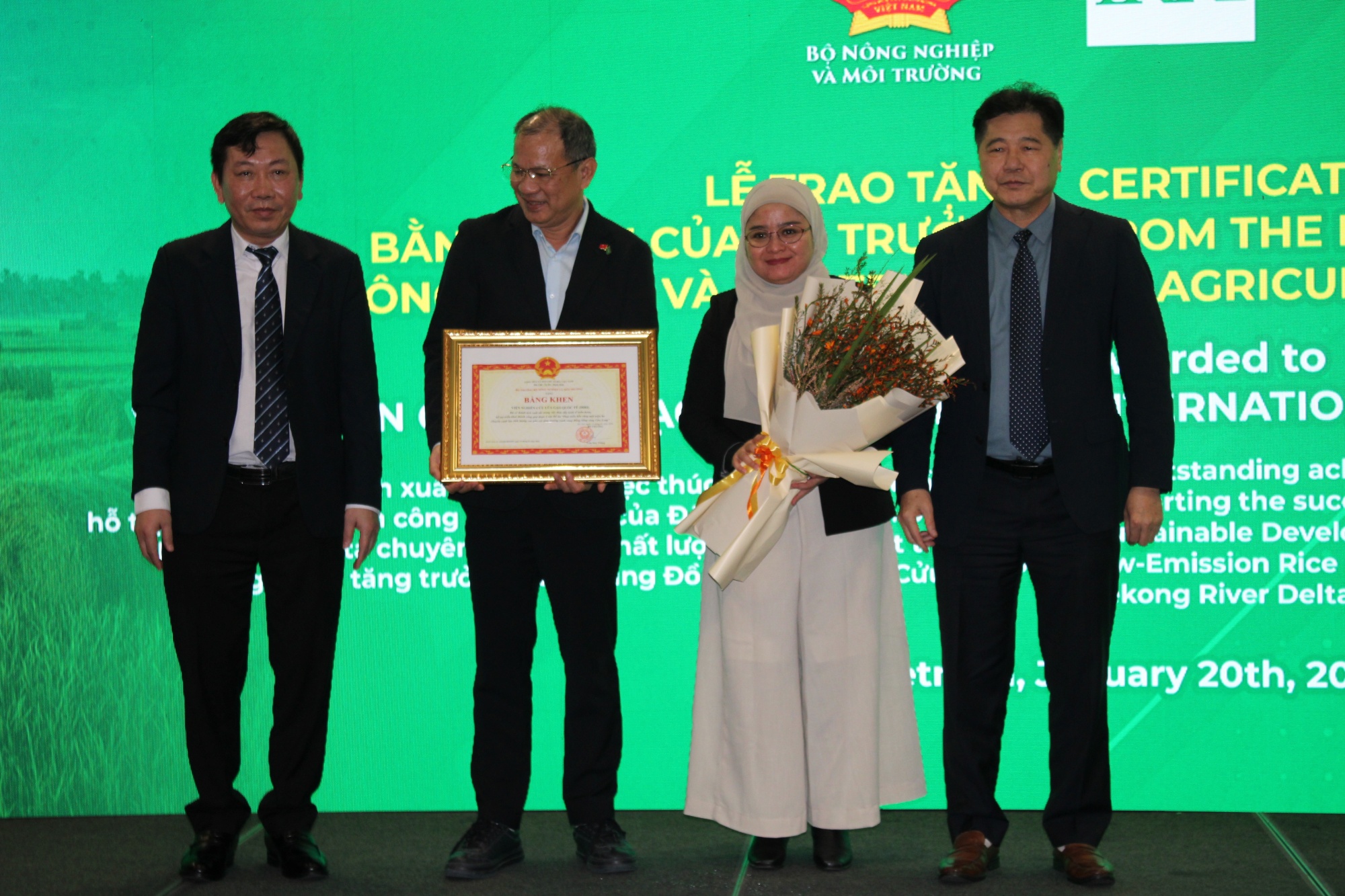
In recognition of these achievements, the Ministry of Agriculture and Environment (MAE) awarded a Certificate of Merit to IRRI, presented by Dr. Nguyen Do Anh Tuan, Director General of the International Cooperation Department of MAE. As the main implementer of RiceEco, the award honors IRRI’s outstanding achievements in promoting the circular economy and supporting Phase 1 of the government’s flagship project: "Sustainable Development of One Million Hectares of High-Quality and Low-Emission Rice Cultivation associated with Green Growth in the Mekong River Delta."
Dr. Le Quoc Thanh, Director General of the National Agricultural Extension Center (NAEC) under MAE, recognized RiceEco’s promising results. However, he stressed that scaling up entails significant challenges, such as formalizing rice straw as a recognized biomass resource, establishing transparent market value chains with financial incentives, and integrating management practices into carbon mechanisms with robust monitoring and verification systems.
Dr. Thanh acknowledged that the event aimed to address these issues directly, as the workshop was structured around the 4Is framework: Innovation, Intervention, Impact, and Investment. This framework is designed to create a platform for dialogue among stakeholders—including policymakers, researchers, investors, and producers—to jointly explore solutions and pathways for scaling up.
The event also provided a platform to share lessons learned and scaling approaches from Cambodia and Vietnam. According to Dr. Nurmi Pangesti, senior scientist and IRRI Representative in Cambodia, the Udom Soriya Cooperative model proved highly profitable, yielding an average of $136 per tonne of compost. She noted that moving forward, stakeholders must formalize the legal status of rice straw as a biomass resource, standardize model contracts, and utilize carbon incentives and digital tools to optimize the market.
Two panel sessions focused on practical experiences in technological innovations and circular agricultural economy models, as well as policy frameworks and investment opportunities.
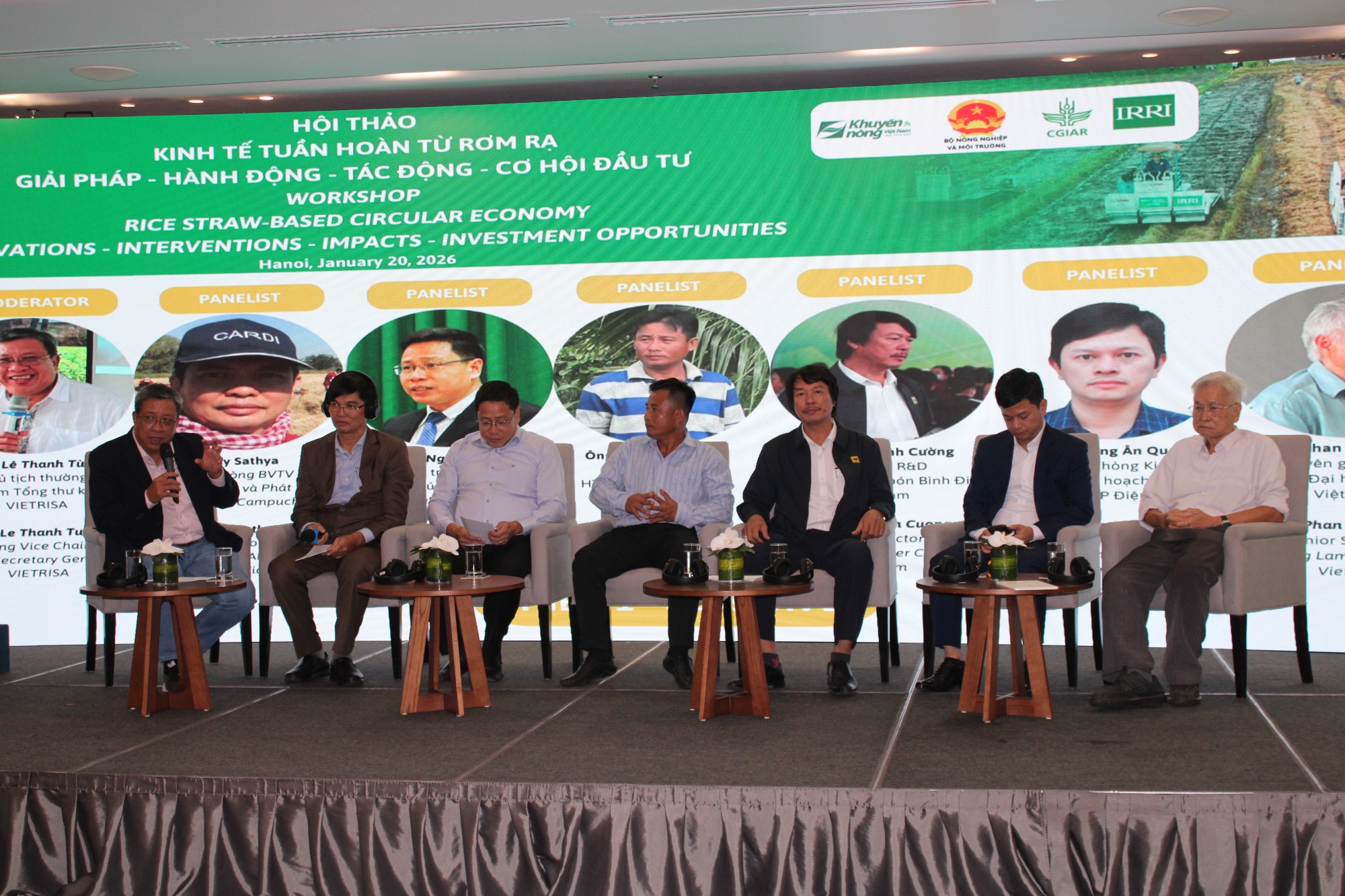
During the event, Dr. Cao Duc Phat, former Minister of MARD and former Chair of the IRRI Board of Trustees, proposed that researchers prioritize improving in-situ straw decomposition and expanding high-value mushroom cultivation to reduce imports. Dr. Phat recommended that the workshop put forward proposals encouraging the government to strengthen investment in research and technology transfer. He also called on donors and enterprises to provide financial support to enable scientists to pursue these practical research directions.
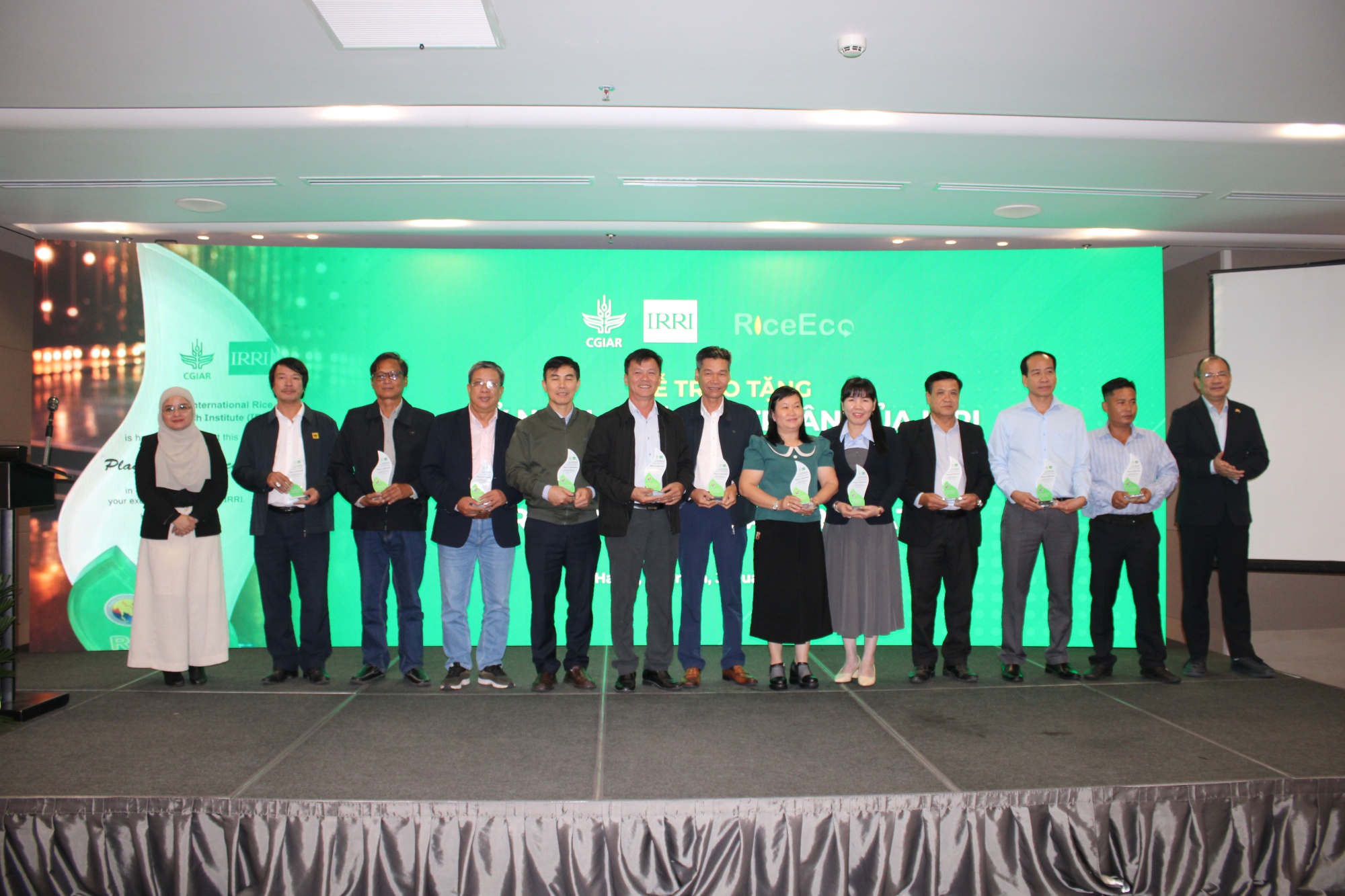
The program culminated in a session featuring a pitch contest and stakeholder discussions. The Vietnam group secured the win with their community-based carbon credit model, alongside the Cambodia group's focus on localized composting and mushroom production and the Regional group’s proposal for a multi-layered innovation ecosystem.
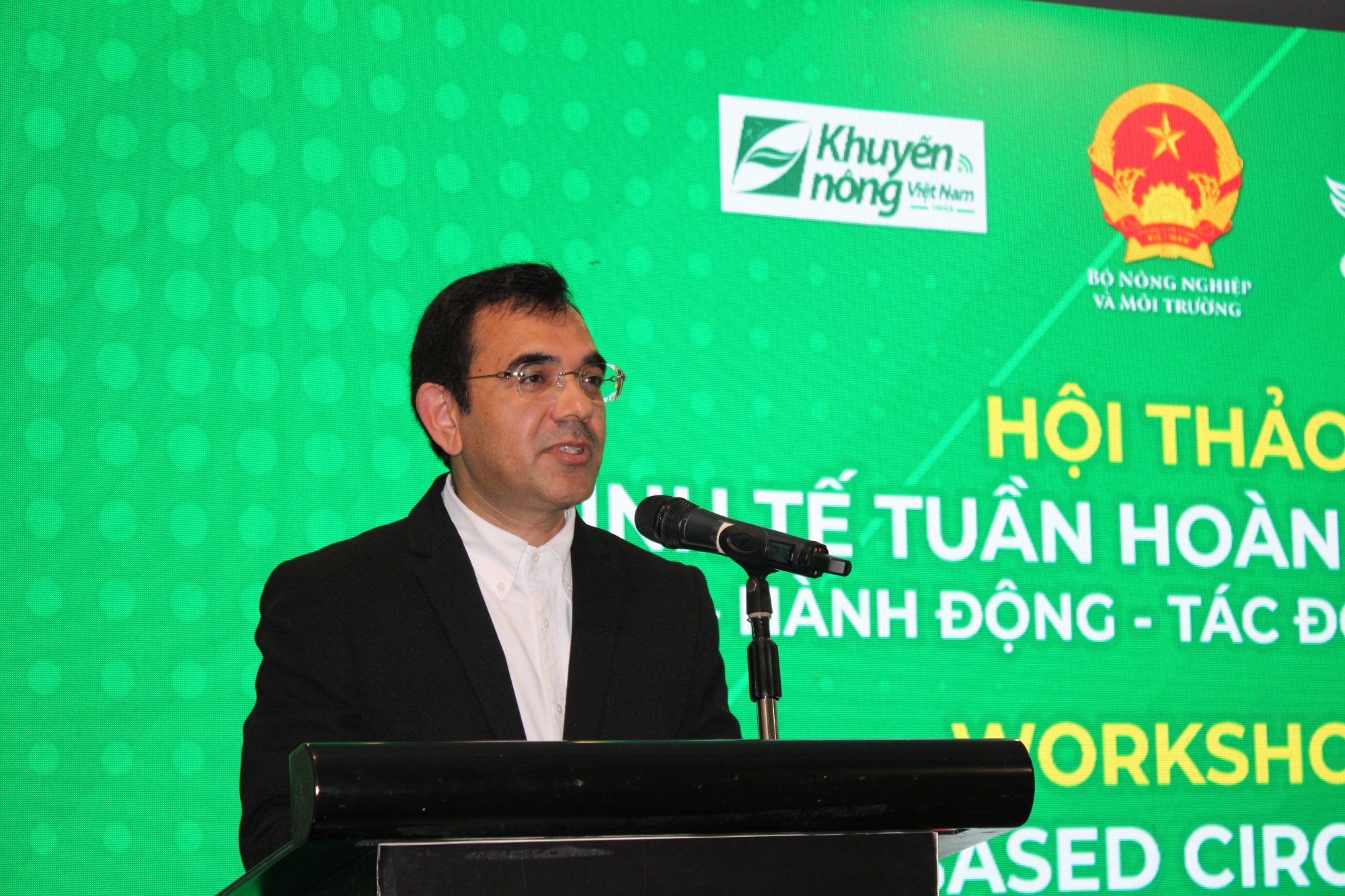
In his closing remarks, Dr. Virender Kumar, IRRI Research Director for Sustainable Impact through Rice-based Systems, stressed that the real challenge is transitioning from small-scale innovation to the rapid scaling of economically viable, context-specific solutions that address the systemic failures forcing farmers to burn straw. He added that success depends on treating mechanization service models as the primary scaling engine, supported by data-driven policies and multi-stakeholder partnerships that reward farmers for environmental outcomes. By shifting from fragmented incentives to long-term policy alignment, the private sector, government, and research institutions can collectively transform straw management into a sustainable regional reality.