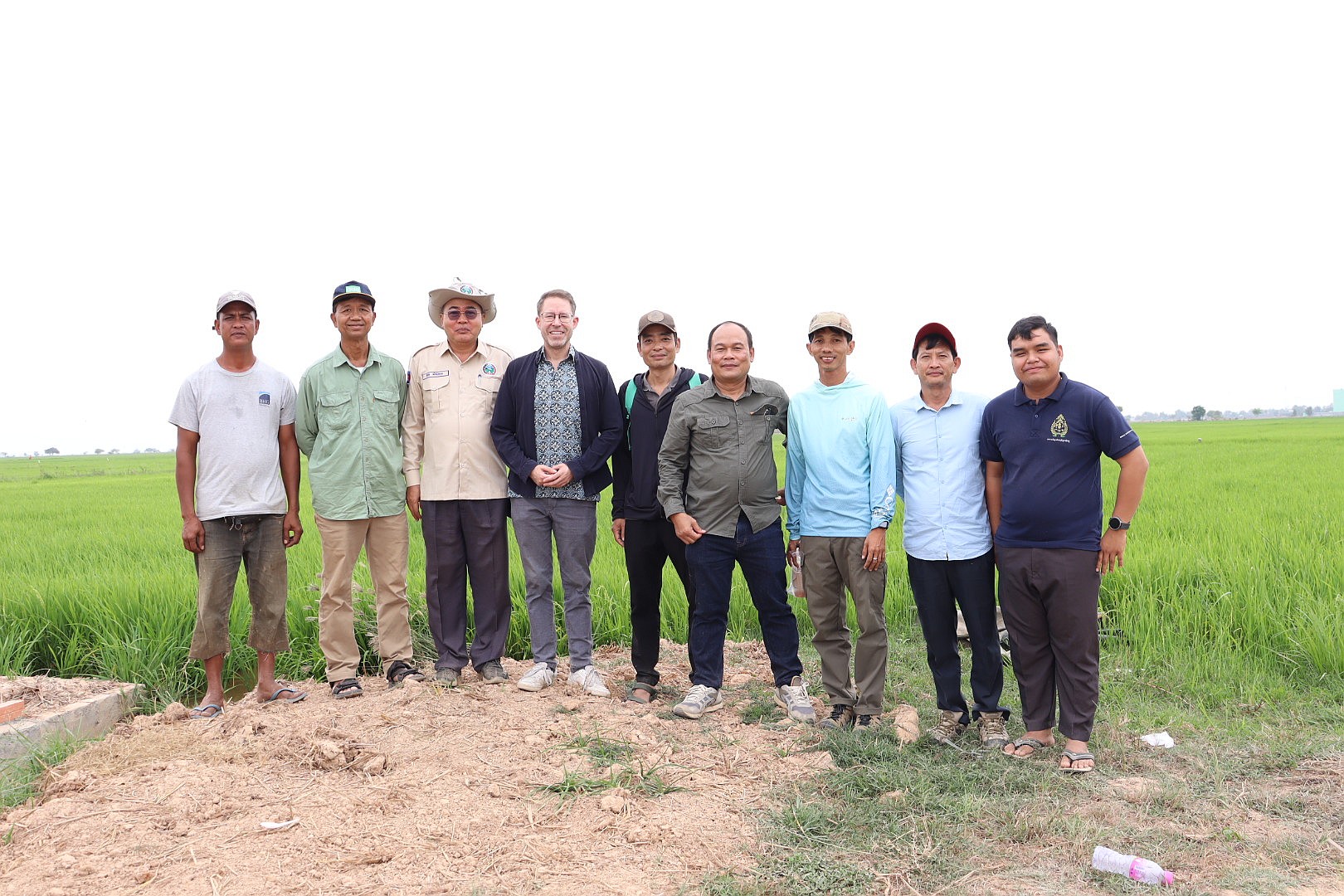
Cambodia launches collaboration with IRRI, GGGI and GDA to support methane mitigation in the rice sector
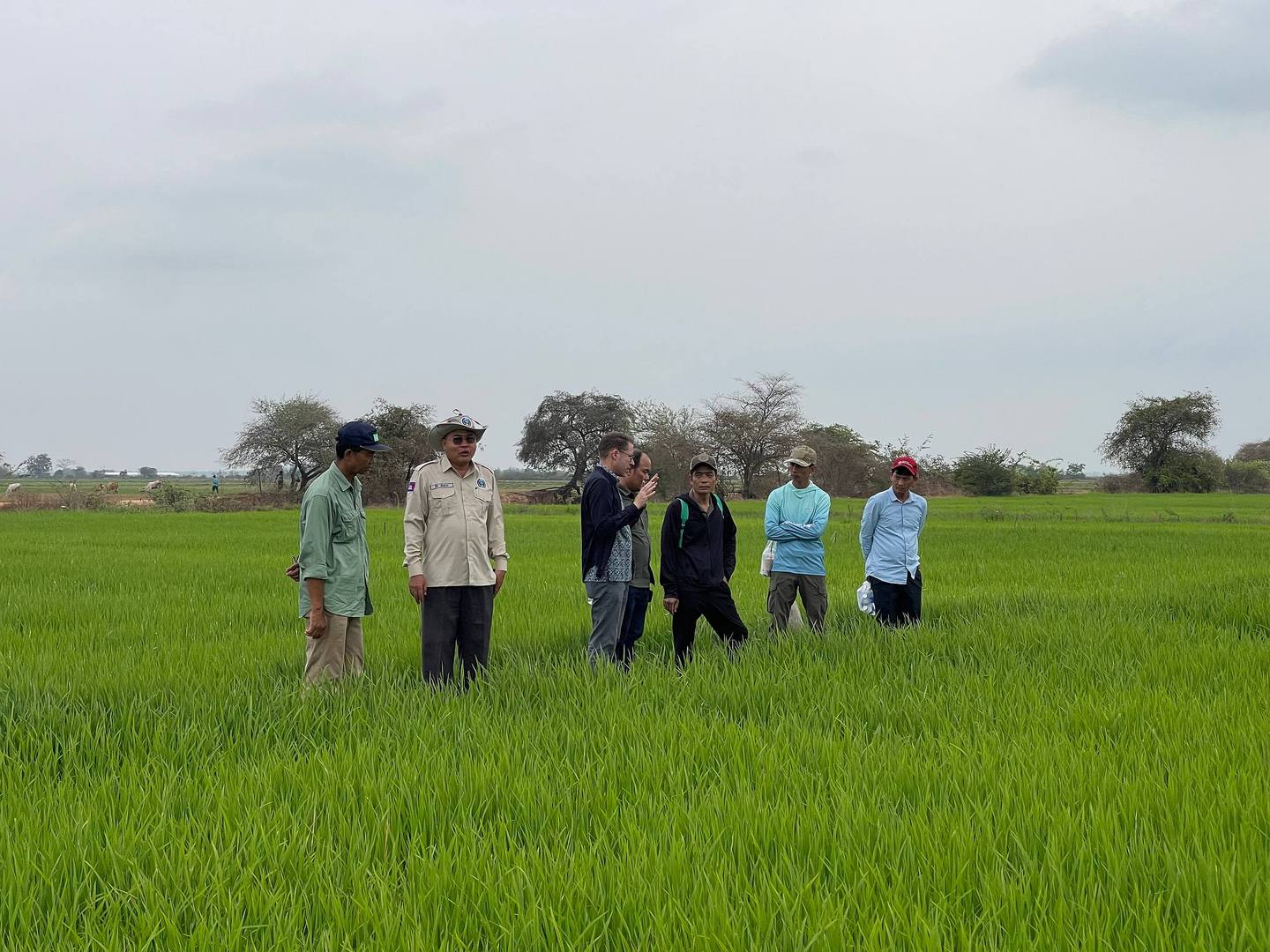
Phnom Penh, 25 February 2026 — The International Rice Research Institute (IRRI), the Global Green Growth Institute (GGGI), and Cambodia’s General Directorate of Agriculture (GDA) officially launched their collaboration to reduce methane emission in Cambodia’s rice sector. The collaboration feeds into IRRI’s flagship project Accelerating Scaling of Low Emission Rice (AcceLER) in Southeast Asia and beyond, implemented with support from the Global Methane Hub, and the ASEAN-Korea Cooperation for Methane Mitigation (AKCMM) - a regional initiative funded by the ASEAN-Korea Cooperation Fund under the Partnership for ASEAN-ROK Methane Action. The collaboration supports Cambodia in developing methane reduction roadmaps for rice that align with national climate targets and international commitments.
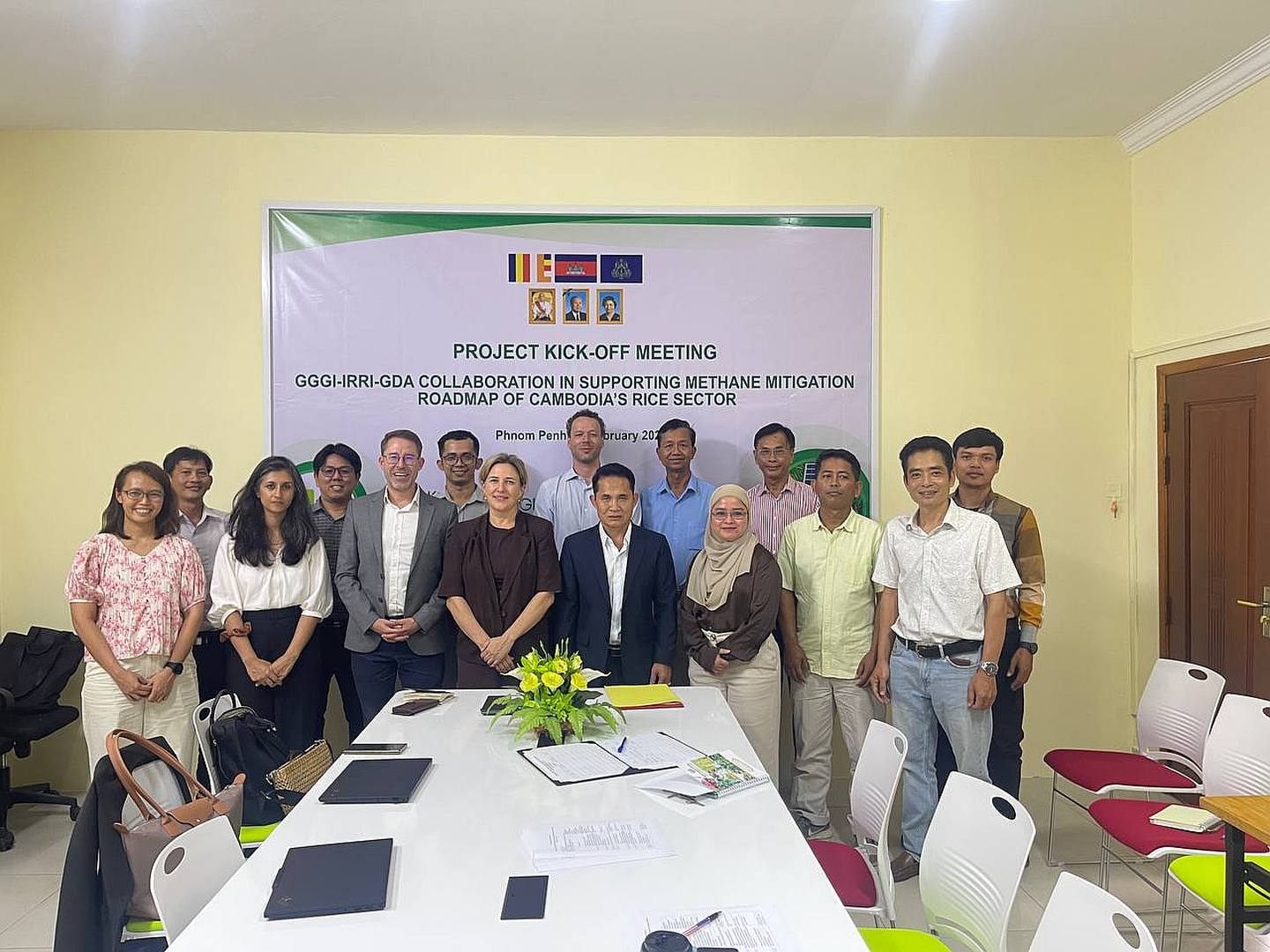
A kick-off meeting was held at the IRRI Cambodia Office with participants from the three institutions. The meeting marked the start of a joint effort of governmental and international organizations. Its purpose was to align partners on the project’s objectives, expected outputs, roles and responsibilities, target areas, and coordination arrangements.
The collaboration project focuses on supporting Cambodia’s roadmap for mitigating methane emissions in the rice sector. While the partnership aims to help Cambodia reduce emissions, it also supports sustainable rice production and strengthens the evidence base for policy and investment decisions. Within the collaboration, GDA will provide sector leadership, GGGI will support policy and implementation processes, and IRRI will lead scientific and technical work.
IRRI’s responsibilities are mainly focused on two areas. The first is to provide technical guidance on methane mitigation measures for rice cultivation and rice straw management, support for national guidelines, and capacity building for relevant institutions. The second is to enhance methane measurement by strengthening Cambodia’s Measurement, Reporting, and Verification system, developing country-specific emission factors, quantifying greenhouse gases, and providing support for national reporting.
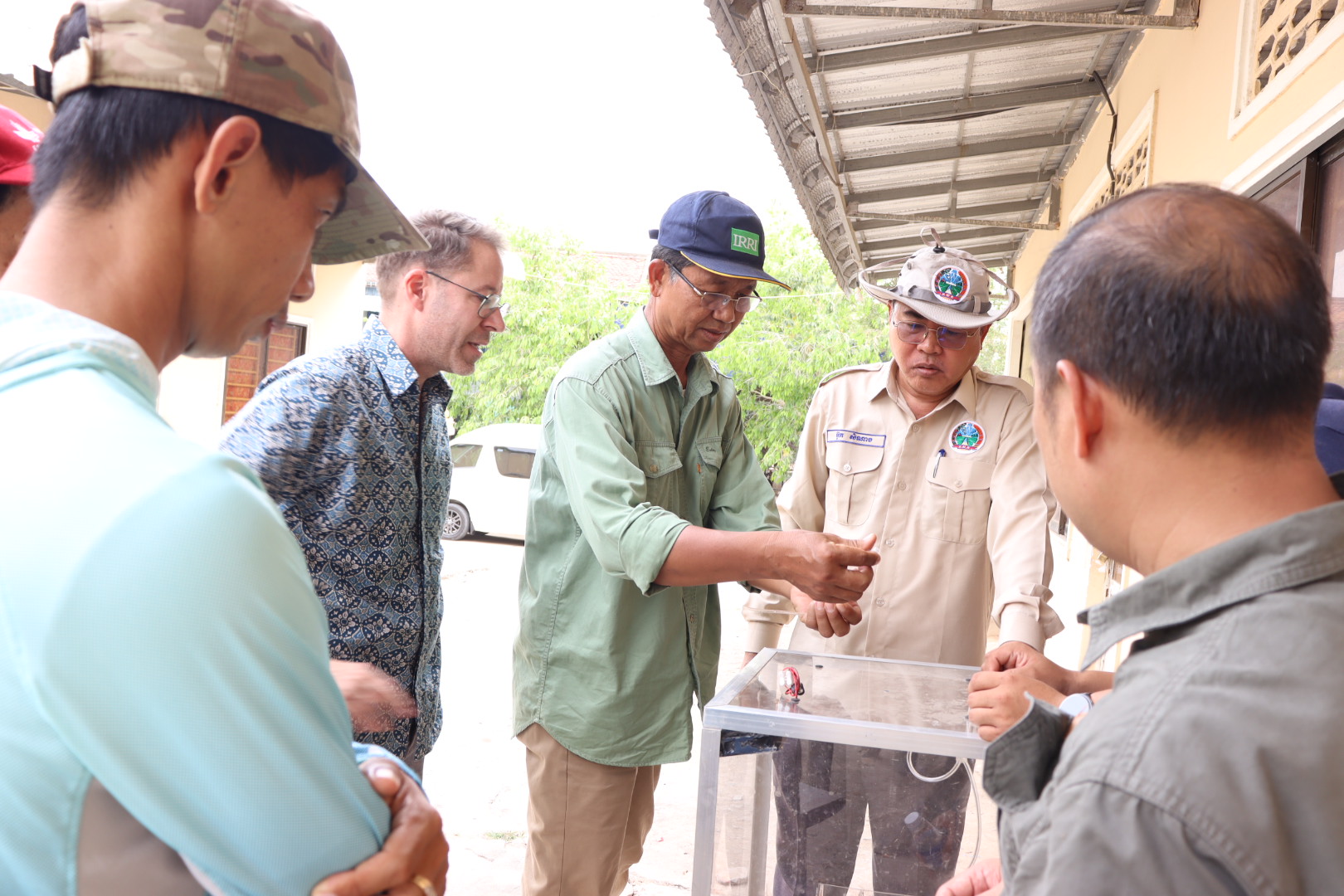
Key expected outputs include identifying costed methane mitigation options, developing a sector-specific Marginal Abatement Cost Curve, and improving Cambodia’s MRV system. This includes better data collection, development of Tier 2 methane emission factors, and stronger institutional capacity for greenhouse gas inventory preparation and MRV management.
The collaboration reflects Cambodia’s wider climate goals, including emission reduction targets under its updated Nationally Determined Contribution, with a strong focus on methane from rice cultivation. Low-emission rice production techniques can help maintain yields while supporting cost savings, climate resilience, and environmental protection.
Investing in essential and systematic data collection will improve the quality of evidence for environmental and economic decision-making and progress tracking.