Climate-smart rice systems could help curb malaria and other vector-borne diseases
GENEVA, SWITZERLAND (April 2026) — New evidence and expert discussions highlight how climate change and rice production systems are converging to influence the spread of vector-borne diseases such as malaria and schistosomiasis in sub-Saharan Africa, underscoring the need for integrated solutions across agriculture and public health sectors.
Despite decades of investment, malaria remains a leading cause of death in the region, claiming an estimated 600,000 lives annually, 76% of which are children under five. Current interventions largely focus on insecticide-treated nets, vaccines, and treatment. However, experts warn that insufficient attention has been given to managing mosquito breeding habitats, a gap that could worsen as climate change alters rainfall patterns, flooding, and temperatures in ways that favor disease transmission.
Flooded rice paddies are well-established breeding grounds for Anopheles mosquitoes, particularly Anopheles gambiae, the primary vector of malaria. These aquatic ecosystems can also harbor freshwater snails that transmit schistosomiasis, a parasitic disease, illustrating how rice-based farming systems can simultaneously shape multiple public health risks. As irrigated rice production expands in tandem with rising temperatures and shifting rainfall, the potential for increased transmission of these diseases grows in many rice-growing regions.
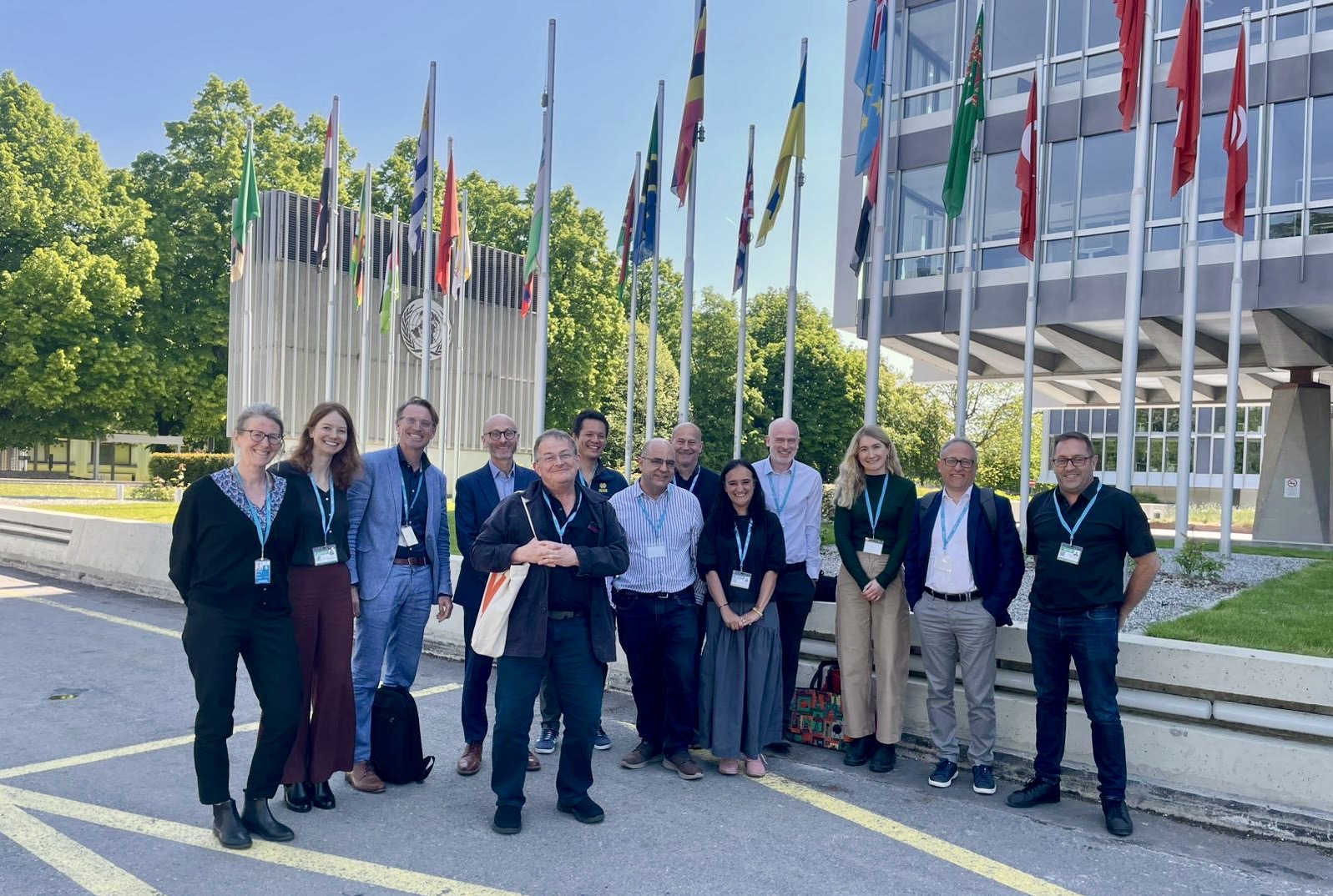
To address these interconnected challenges, a recent workshop convened by the London School of Hygiene and Tropical Medicine and hosted by the World Health Organization brought together experts from agriculture, climate science, and public health. The International Rice Research Institute (IRRI), represented by Dr. Melanie Connor, participated in the discussions, sharing insights on how rice breeding, agronomic innovations, diversification strategies, and improved water management can help reduce vector habitats.
Participants emphasized that just as the rice sector has advanced technologies to boost yields while reducing greenhouse gas emissions, similar innovation pathways can be applied to minimize disease risks. Integrating vector control into sustainable rice production systems could become a standard practice in sub-Saharan Africa.
The workshop underscored the importance of adopting a One Health approach—recognizing that human health outcomes are shaped by factors across human, animal, and environmental domains. By targeting the ecological conditions that support disease vectors, such strategies can complement existing health interventions and provide broader co-benefits.
Embedding vector-borne disease mitigation into rice research and development agendas offers a practical pathway to enhance public health, strengthen climate resilience, and sustain food security in vulnerable regions.