How IRRI-KALRO-NEHCIP partnerships are transforming rice farming in Western Kenya
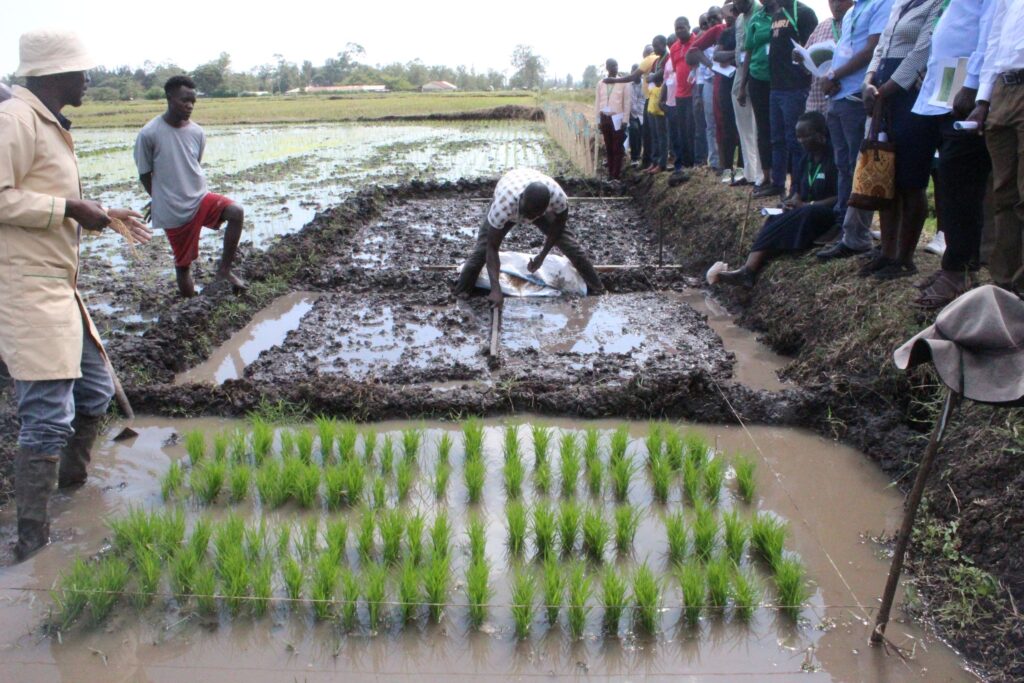
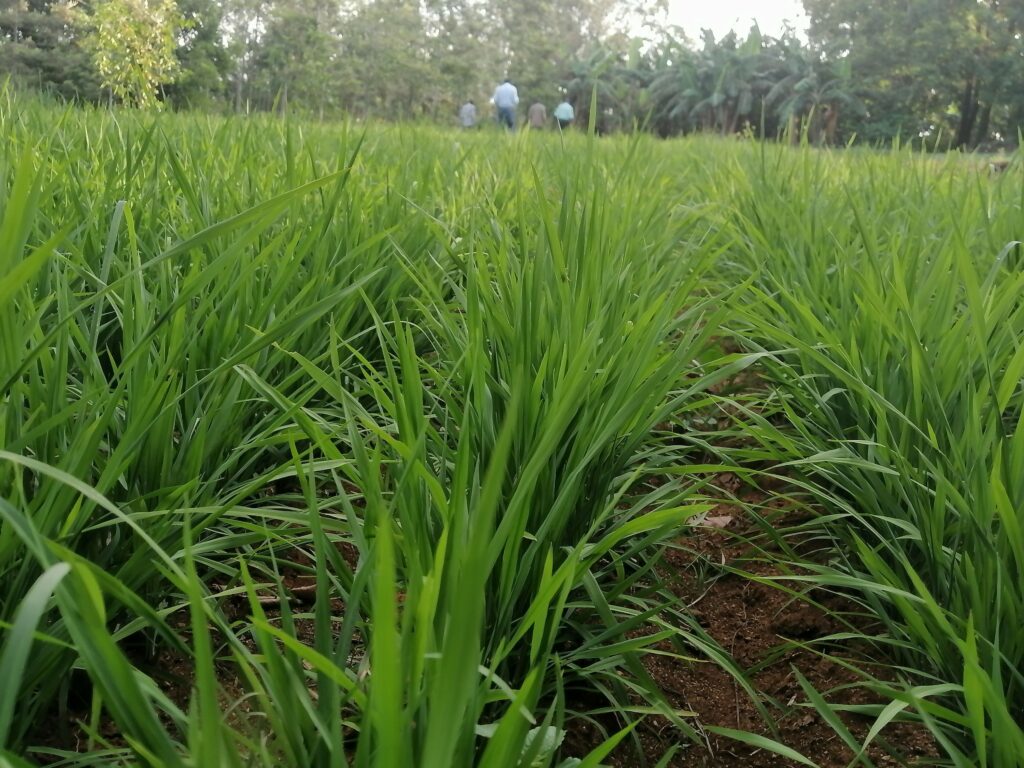
(Field practical session during the Quality Rice Seed Production and Crop Management Training)
1.1 Background
Among the staple food crops in Kenya, rice comes third after maize and wheat, and its demand increases by about 12% per year. Nonetheless, Kenya still struggles with a rice deficit, as around 85% of the rice consumed within the country is imported. The current rice production in the country mainly occurs through irrigation schemes, including Mwea, Ahero, West Kano, Gem Rae, Bunyala, and South Nyanza, with Mwea contributing the most. Although these irrigation schemes provide a considerable share of total national production, their capacity is not enough to meet the growing demands resulting from population increase, urbanisation and changes in dietary preferences. There is an estimated potential area of one million hectares for rainfed rice production in Kenya. Only 25% of this area is used for rice production; hence, there is potential to produce more rice nationally and decrease the import burden. There are 23 counties suitable for rice production in the country, whereby western counties like Kakamega, Busia, Bungoma, Siaya, Kisumu, Migori, and Homa Bay are part of the major clusters. These areas have high precipitation levels, wetlands, valley bottoms, and expansive upland ecologies.
The farming system practiced in western Kenya mainly involves smallholdings where families farm less than an acre. Agriculture is the primary occupation with maize being the most important staple crop for household food security, with sugarcane being grown widely as the most important cash crop. The farming system is limited to low productivity and low diversification of the type of crops grown; hence households face problems with food security and income.
Growing rainfed rice provides a promising and scalable solution in areas with good agro-ecology and enough rainfall. Kakamega County in western Kenya has great potential for rice growing because it meets most of the requirements of growing rice such as proper climatic conditions and fertile soils. The potential, however, lies untapped. Socio-economic constraints and inadequate institutions have slowed the adoption of rice farming practices. Low awareness and understanding of rice farming methods and lack of availability of quality seeds of the improved rice varieties for cultivation are the major limiting factors. Post-production problems such as lack of milling facilities also discourage households from cultivating rice because they find the post-production processes difficult and expensive.
The role of gender relations is significant in agriculture in the area as well. As the leading source of income for the households, sugarcane cultivation is mostly done by men; as such, there is limited participation from women and young people in agriculture for income generation. Promoting rice farming becomes an opportunity to make the value chain for rice production more gender- and youth- inclusive, involving women and young people in a profitable chain. This way, efforts made in this regard can contribute not only to boosting rice production in the county, but also to achieving higher incomes, better food security, and gender inclusiveness in agriculture.
Thus, the goal of this initiative was to tap into the underutilized potential of rice production in Kakamega County through the introduction of rainfed rice farming, building capacity of local farmers and seed producers, improving access to technologies and inputs, and enhancing the post-harvest chain.
1.2 The Partnership
To respond to the problems that farmers were facing, International Rice Research Institute (IRRI), facilitated and formed partnerships with Kenya Agricultural and Livestock Research Organization (KALRO), Nabwabwini Environmental and Health Care Intervention Project (NEHCIP), and the Department of Agriculture under the County Government of Kakamega. Such a partnership was vital since addressing the issues that the farmers were encountering required a comprehensive solution, which was impossible for a single institution. The partners played different roles in addressing these constraints in a holistic manner as follows:
- IRRI handled the research aspect, providing technical assistance, training of farmers, and facilitation.
- NEHCIP played an important role in recruiting, mobilizing farmers, and distribution of farm inputs including seed mini-kits.
- KALRO conducted research activities suitable for the local agro-ecological conditions to enhance adaptation of promoted rice technologies.
- The Department of Agriculture of the County Government of Kakamega ensured that proper extension services were provided to the farmers.
1.3 The Intervention
1.31 Identification and recruitment of target farmer groups
The intervention targeted smallholder farmers with special focus on empowering women and the youth. At the start, NEHCIP targeted farmers from Mayoni, Kholera, Koyonzo and Mungavira all from Mumias. A total of three farmers group were registered, consisting of total 145 members out of which 85 were women.
1.32 Inception workshop
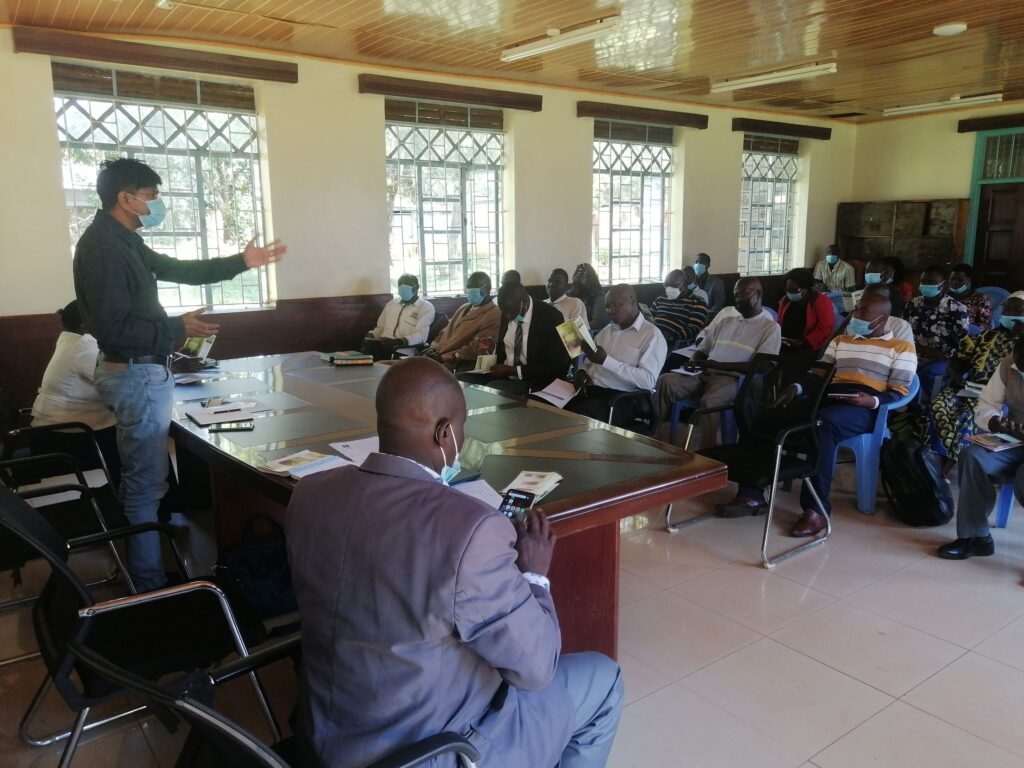
An initial inception meeting was held on 10th November 2021 in Kakamega where a total of 45 participants attended as shown in the table below.
| No. | Sector | Total |
| 1. | Ministry of Agriculture | 11 |
| 2. | County officials | 7 |
| 3. | Provincial Administration | 9 |
| 4. | Culture & Social Services Dept. | 2 |
| 5. | Farmer representatives | 8 |
| 6. | NEHCIP staff | 4 |
| 7. | IRRI staff | 4 |
| Total Number of Participants | 45 |
The main agenda of the meeting was to define roles of the partners and the scope of the activities. The activities included identification and selection of farmers, training on rice crop production, seed distribution, establishment and monitoring of the field demonstrations. To facilitate learning and quicken adoption and adaptation, three field demonstration plots were to be established in Matungu, Mumias East, and Navakholo Sub-counties as target areas of intervention.
1.33 Advancement and On-farm evaluation of rice varieties under rainfed condition
From the rigorous rice breeding activities and variety development undertaken through Early duration pipeline targeting rainfed ecologies; IR 15L1361, IR 15L1222, IR 16L1419, IR 15L1505, Nerica 4, komboka, and LF11 varieties were selected for evaluation in the Western region during the long rain season (March to July 2022). Among them, Nerica 4, LF11 and Komboka emerged to be the best performing varieties yielding averagely 6.2 t/ha,5.8 t/ha and 5.5 t/ha, respectively. Three selected farmers were chosen to host the main demo sites which coupled as farmer field schools. From the Participatory Variety Selections (PVS) conducted with farmers at the end of trial, Komboka was voted as the most preferred variety. Majority of the farmers, especially women, chose Komboka because of its good cooking ability (nonsticky), tasty, semi-aromatic, low chalkiness, high milling recovery, easy to thresh, and resistant to diseases (rice blast). Given these desirable traits, several requests were placed by farmers for Komboka seeds for testing in their individual farms. KALRO provided Komboka seeds to NEHCIP, who packed the seeds into mini-kits and distributed to the registered farmers. A total of 189 demos were established by the farmers during the subsequent short rain season (September to December 2022).
1.34 Capacity building on agronomic management of rice
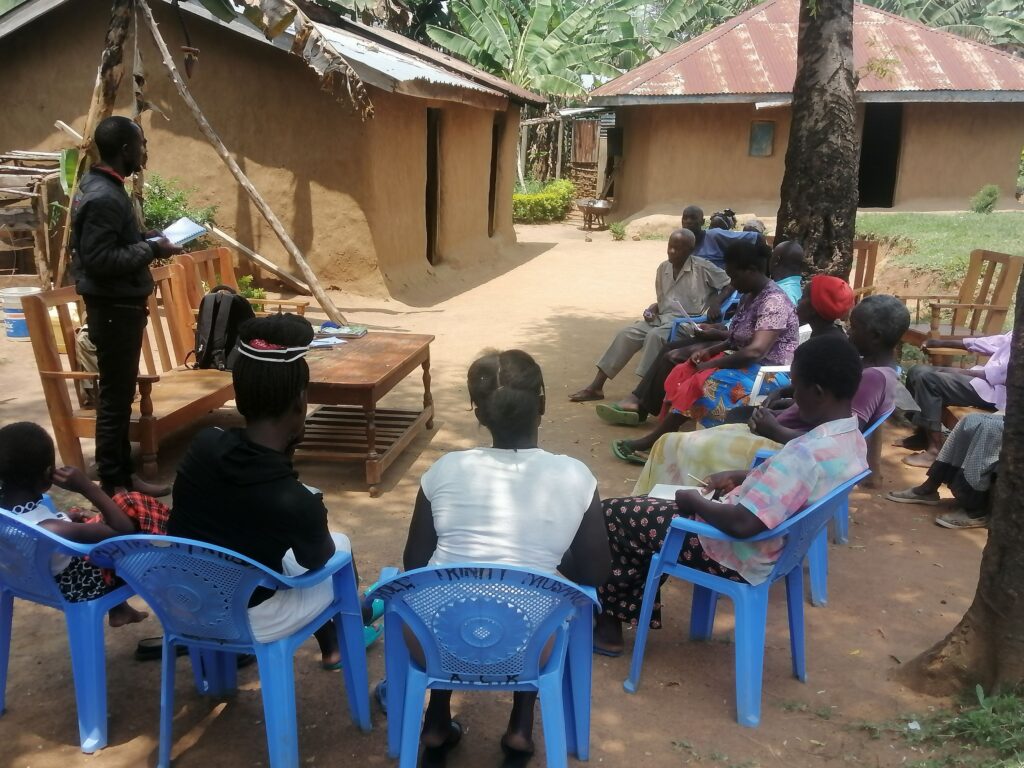
Since majority of the farmers were new to rice farming, training on agronomic management of rice was necessary. Consequently, series of trainings were organized in 2023 and 2024 long rains to capacitate the farmers on good agronomic management practices for optimized yields. Through KALRO Kakamega, 3 farmer field schools were set up in Kholera, Mayoni, and Mungavira to demonstrate the best spacing option, fertilizer regime, weed management, and post-harvest handling. A total of 232 participants took part in the trainings. The focus of this activity was to strengthen the capacity of the farmers on rice production and encourage them to form cooperative societies.
1.35 Donation of milling machines to farmer groups
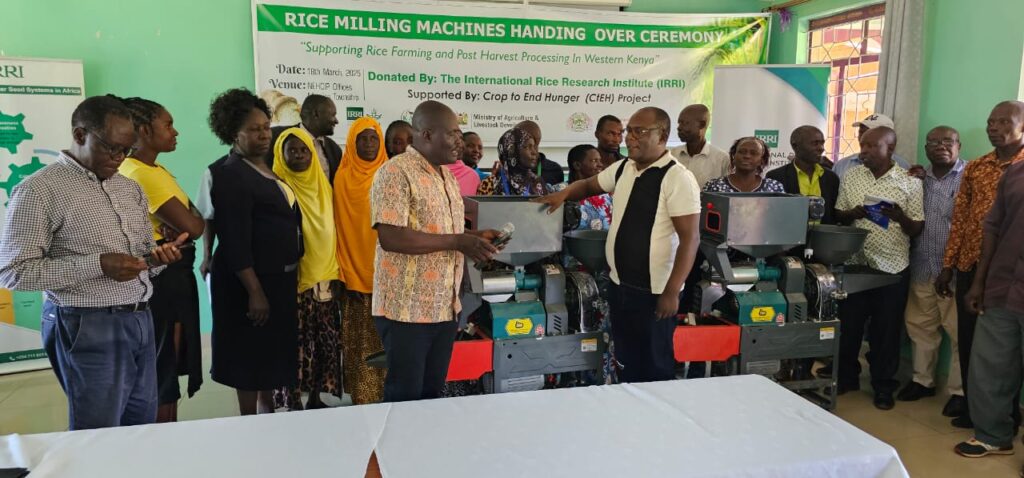
Post-harvest handling and processing was cited as one of the major impediments to rice production in the area. There were no rice milling machines in Kakamega therefore, farmers had to travel about 50 kilometers to access mills in the neighboring county, Siaya or opt for the traditional method of motor and pestle which gave poor quality milled rice. This was time-consuming, costly, and a serious bottleneck to adoption of rice farming. Therefore, to address this challenge, IRRI donated two portable milling machines for use by the farmers. The machines served a great purpose in motivating the farmers to scale up and scale out their production of rice. To ensure sustainability, reasonable fees are charged for milling services with slightly higher amounts paid by non-members of the groups. The milling charges are used to pay hired youths operating the mills, servicing the machines, and the remaining proceeds saved and shared out to members as dividends after an agreed period of time.
1.36. Quality seed production trainings in Kisumu
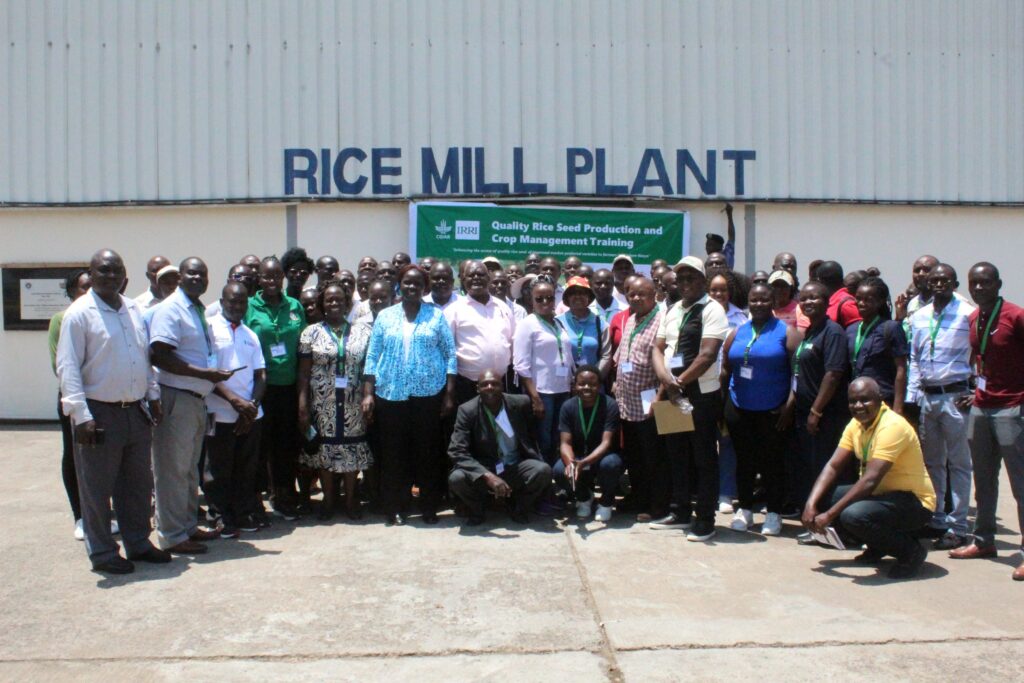
Lack of easily accessible quality rice seed was a great challenge to the farmers in western Kenya. This led to farmers either using recycled seeds or sourcing for certified seeds from Mwea in central Kenya which was costly and nearly inaccessible. To address this challenge, IRRI facilitated trainings which were conducted in the year 2022 and 2025, respectively. The purpose of these trainings were to build the capacity the institutions dealing in seed matters (both public and private), expose farmers to rice seed production opportunities, and to streamline seed system in the region. These trainings were attended by over 100 participants drawn from different organizations including seed companies, research institutions, seed merchants, regulatory authorities, county departments of agriculture, agro-dealers, millers, and farmers groups. The trainings comprised of both workshop set-up and field demonstration sessions.
1.37. Donation of a seed dresser to KALRO Kibos
To support KALRO in delivering their mandate of providing quality seed in the region, IRRI donated a two-ton-per hour seed dresser to KALRO Kibos in 2024. Initially, the organization was dressing seeds manually, which was slow, laborious, and hazardous to those handling the process. The seed dresser tripled the tonnage of seed dressed and ensured safety.
1.4 The change
The collaborative efforts over the years have yielded desirable outputs and impacts, including;
- Over 1500 farmers sensitized and capacity built to produce rice under both upland and lowland rainfed ecologies.
- 4 farmer field schools formed and strengthened to work together to solve issues faced in rice production. These are Mayoni, Koyonzo, Kholera, and Mungavira.
- 20 farmer group leaders trained to serve as trainers of trainers (ToTs) on quality rice seed production. The training workshops provided platforms for farmers to interact and explore opportunities for collaboration with seed merchants and other stakeholders.
- Increased acreage under rainfed rice has been achieved. Currently, over 500 acres which were either lying idle or under sugarcane production in Kakamega and Busia Counties have since been turned into rice farms.
- Increased productivity of rainfed rice has also been realized. This has come about because of the availability of higher yielding varieties compared to the traditional ones.
- Household income has increased, as farmers now sell milled rice at KES 120 per kilogram, compared to KES 52 per kilogram for unmilled rice. On average, a farmer harvests two rice seasons per year, with yields of approximately 2.5–3.5 tonnes per acre per season. This translates to an annual income of about KES 260,000 when sold as paddy and up to KES 360,000 when sold as milled rice. In contrast, sugarcane is harvested once every two years, yielding 22–26 tones per acre. At a price of KES 5,750 per ton, this amounts to an income of approximately KES 126,500 over the same period
- Value addition of rice has created job opportunities for youths that are employed by the farmer groups to operate the mills and those in the transport sector, hence contributing to transformed rural economies
- Women farmers were more empowered through rice ventures.
1.5 Farmer testimonials
Some of the farmer reactions captured during the project implementation were as follows:
- Nixon Rapando, Rice Farmer from Mungavira, Mumias East says, “I started growing rice recently after attending the training organized by IRRI, NEHCIP, and KALRO. In a small portion of my farm where I used to get about 6 kilos of maize, I managed to get 50 kilos of rice. Milling then became a challenge, my wife had to travel 40 kilometers away to access a mill. This was time-consuming and costly. Now that IRRI has donated to us milling machines, I am more motivated to grow rice in a larger area.”
- Peter Otando says, “Growing up as young man in my village, I always believed that rice farming was a reserve for farmers in irrigation schemes. By attending trainings organized by IRRI, KALRO, and NEHCIP, I learnt that rice can be grown in upland conditions and was eager to try on my farm. I have since mastered the whole process of growing rice. Each season, I produce at least 90 kilos of rice from my small field, and this sustains my family until the next harvest. I am intending to acquire a larger field where I can produce enough for sale as well.”
- Zeituna Otsula, rice farmer from Mayoni Farmer Group, shares “I am super excited and thankful to IRRI for fulfilling the promise made to us of a milling machine. I have been growing rice for the past 4 years and I have benefitted a lot from IRRI initiatives, including attending a number of trainings, given a tablet that my group uses to access online information on how to improve rice production, and have received seeds of improved rice varieties which have doubled my harvest. Lack of a milling machine was discouraging a number of rice growers in our area. Since the machines are now here with us, I believe majority of us are going to increase acreage under rice production to uplift our livelihoods.”
- Augustine Wanyonyi, farmer from Kimwanga Group, Bungoma County, says “Through the efforts of IRRI, NEHCIP, and KALRO, our group, Kimwaga Farmer Group in Bungoma, were mobilized, trained, and introduced to rice farming. I have personally reaped big when it comes to rice production. Other than providing food for my household, I get feed for my poultry and sell paddy to generate income. Now that we have machines with us, I believe that my profits from the sale of milled rice will be way higher hence more profit. Many thanks to IRRI.”
1.6 Lessons learned
- Komboka and LF11 yielded appreciably well under lowland rainfed ecologies. For upland, Nerica 4 was more suitable. LF11 yet released but at an advanced stage, proposed for national performance trials (NPT).
- Partnerships are important to address the challenges faced by smallholder farmers.
- Capacity building is critical alongside technological advancements.