New Japan-IRRI "CoolRice" project strengthens groundwork for heat-resilient, low-emission rice farming
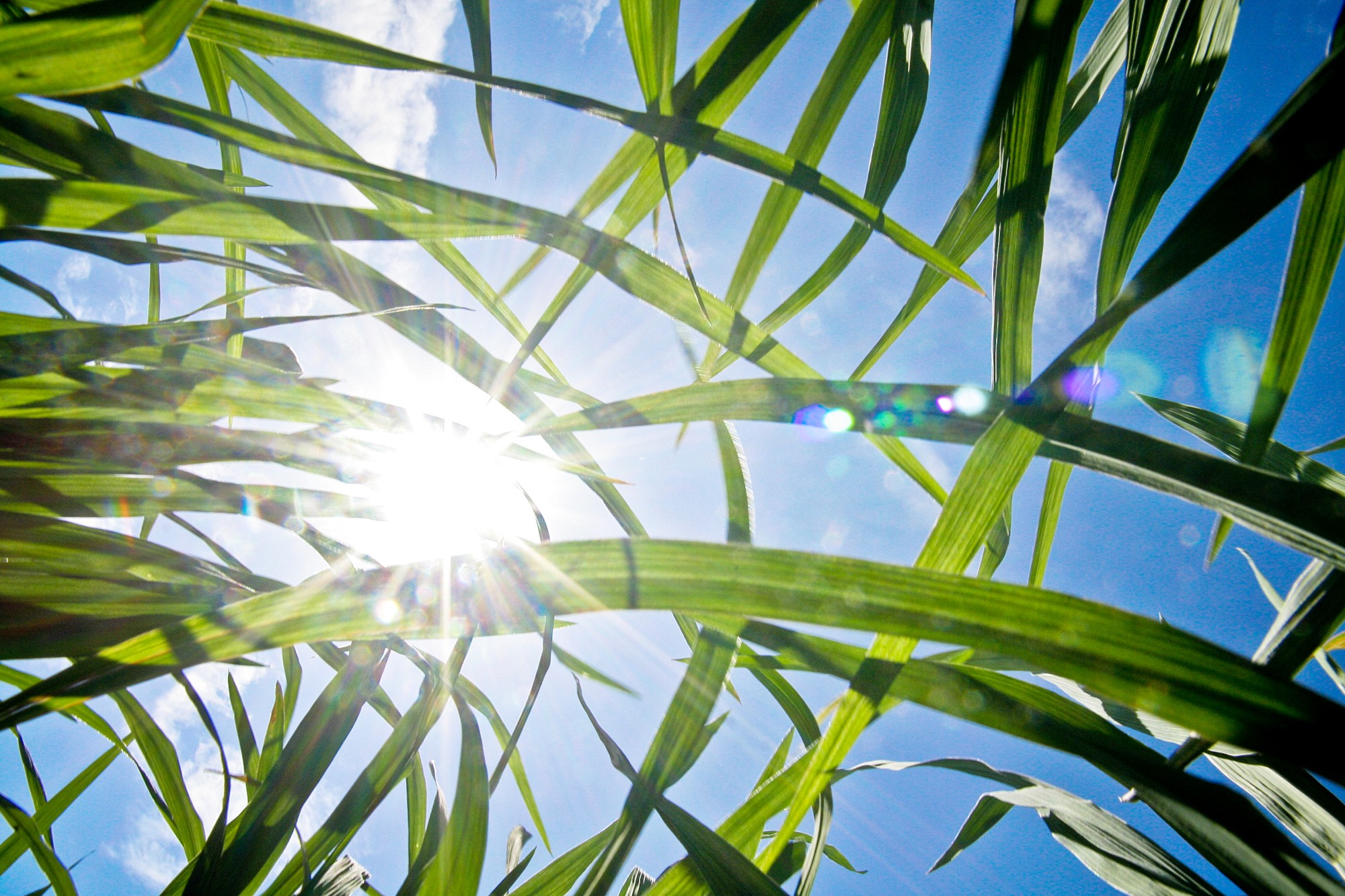
LOS BAÑOS, Philippines (29–30 June 2026) — A new MAFF-IRRI initiative brings together heat-tolerant rice breeding and low-emission farming to gear farmers across Asia against the dual challenge of climate change: ensuring food security while reducing methane emissions.
As global temperatures rise, rice yields and grain quality are under increasing threat. At the same time, rice production itself remains a major source of greenhouse gas (GHG) emissions that contribute to global warming.
Recognizing that neither challenge can be addressed in isolation, the International Rice Research Institute (IRRI), Japan's Ministry of Agriculture, Forestry and Fisheries (MAFF), and Japanese research partners officially launched the “CoolRice” project, a one-year initiative, designed to build scientific, infrastructural, and collaborative foundation needed to develop the next generation of heat-resilient and low-cost, low-emission rice technologies.
Officially titled, “Advancing heat-tolerant rice breeding and low-cost, low-emission cultivation practices to strengthen food security across Asia,” CoolRice simultaneously focuses on both climate adaptation and mitigation by connecting breeding, crop management, climate analytics, and improved research capacity to deliver technologies that respond to farmers’ evolving needs.
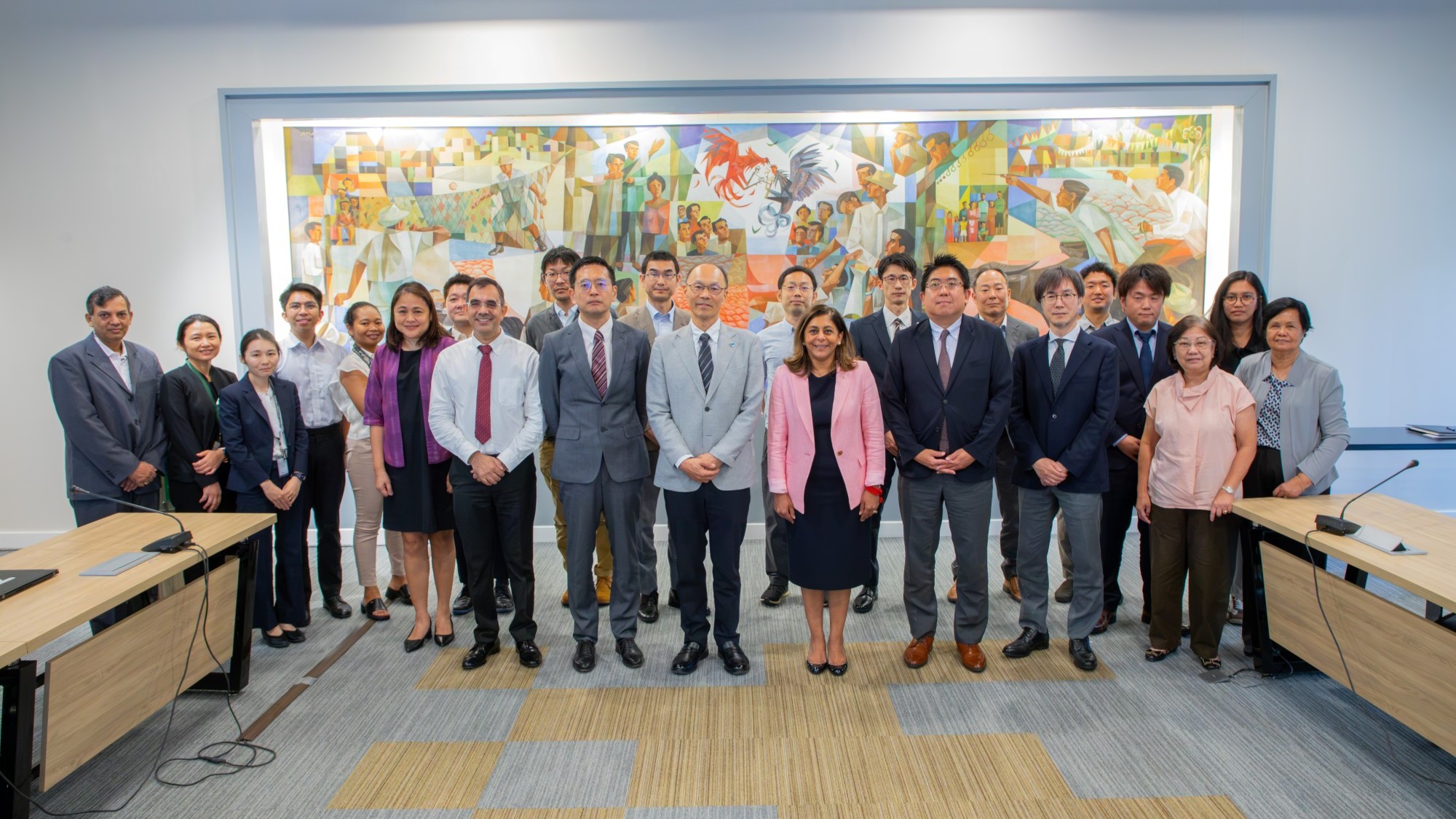
The project’s kickoff event was held at the IRRI Headquarters, gathering researchers and representatives from IRRI, MAFF Japan, the Japan International Research Center for Agricultural Sciences (JIRCAS), the National Agriculture and Food Research Organization (NARO), and Gifu University.
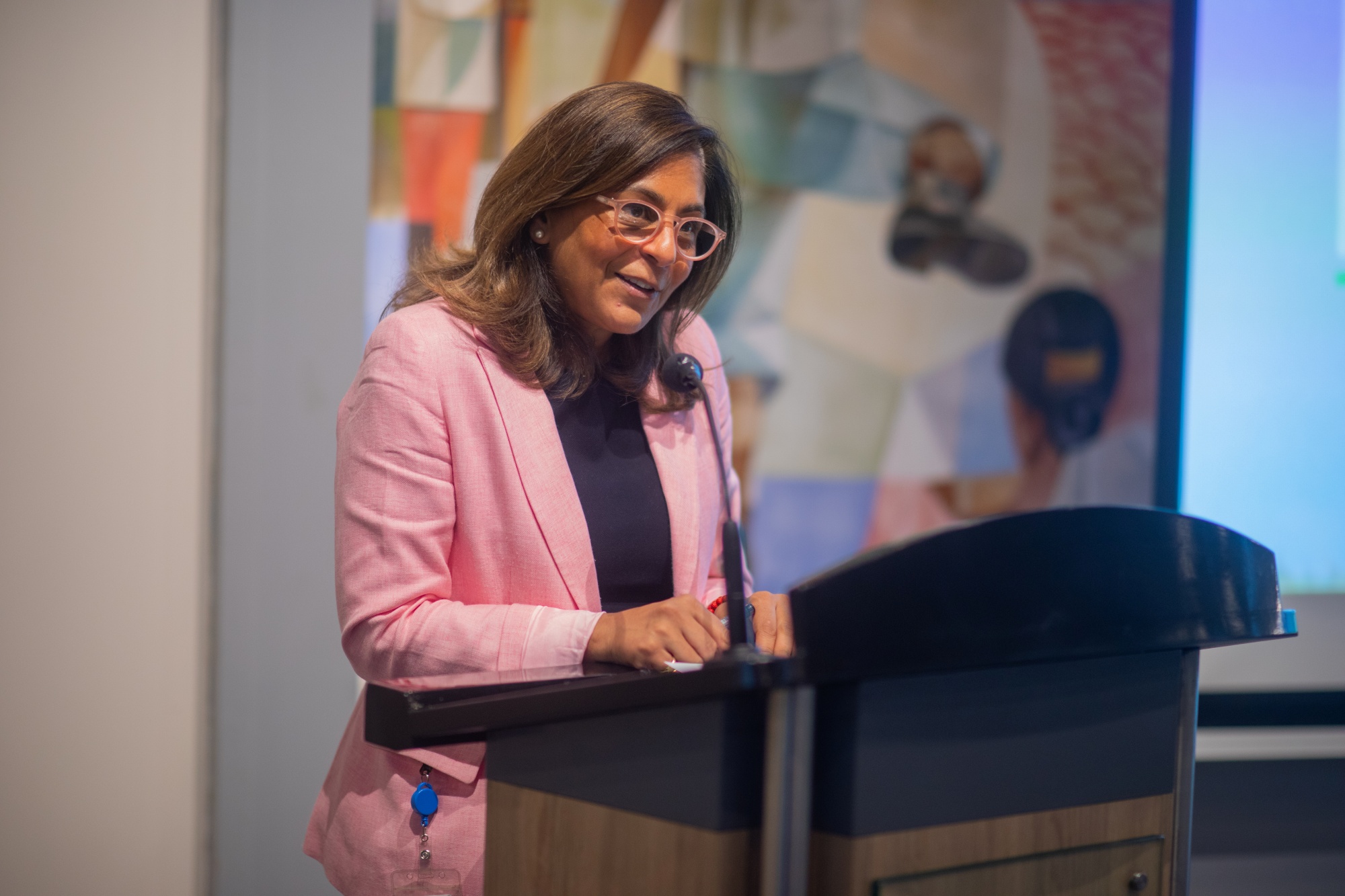
During the event, IRRI Director General Dr. Yvonne Pinto recognized Japan as one of IRRI's closest scientific partners, with more than six decades of partnership.
"CoolRice reflects a shared commitment by IRRI and Japan to develop integrated solutions that help farmers remain productive while contributing to climate goals. It is exactly the kind of forward-looking collaboration needed to build resilient and sustainable rice systems in the future,” she said.
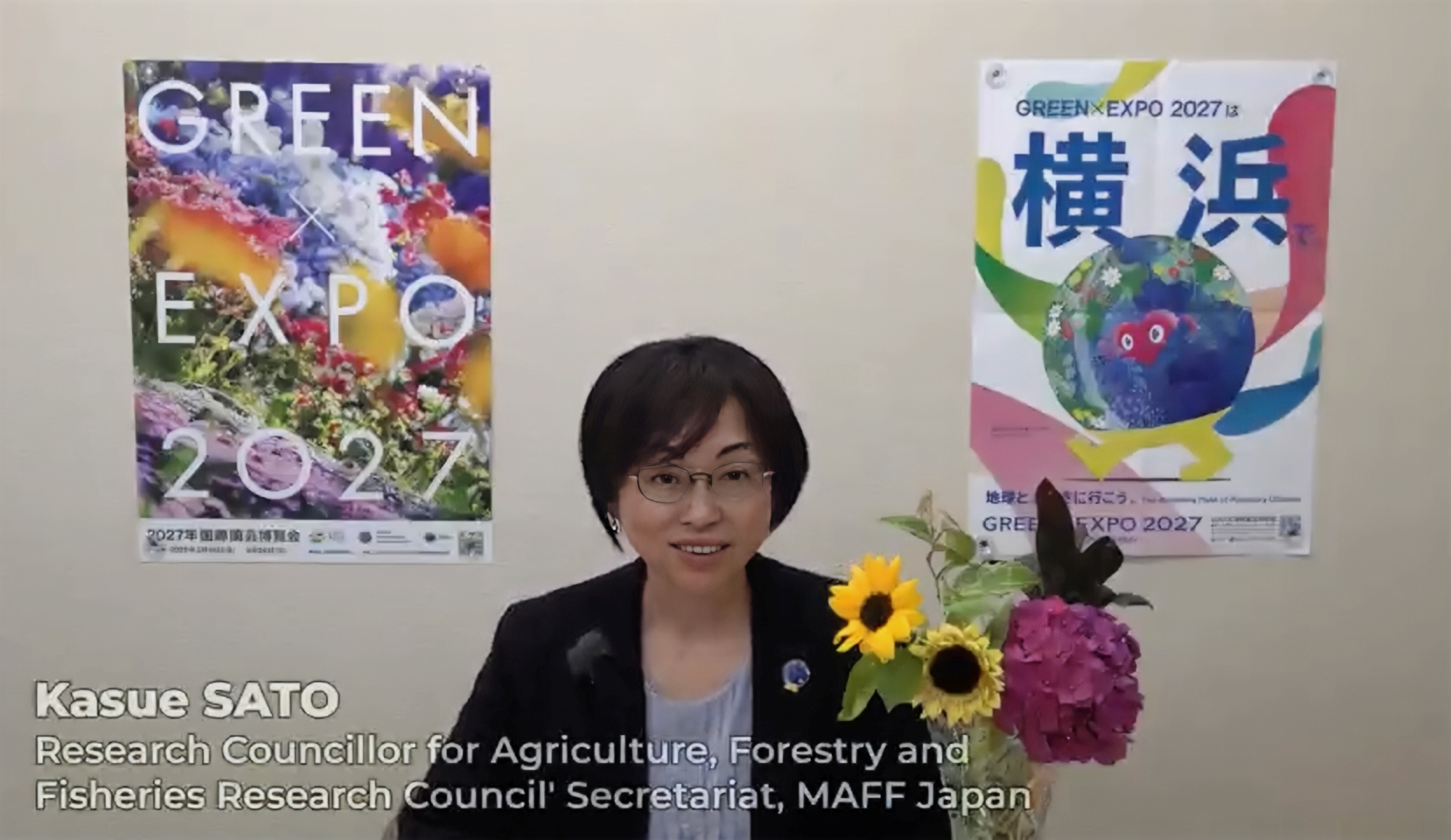
In a video message, Ms. Kazue Sato, MAFF Japan Research Counselor and Deputy Director General of the Agriculture, Forestry and Fisheries Research Council Secretariat, emphasized the urgency of strengthening international collaboration to address the growing impacts of climate change on rice production.
Built on IRRI and Japan’s previous scientific achievements, such as the discovery of the early morning flowering gene, she expressed confidence on CoolRice‘s success in helping advance the development of heat-resilient rice technologies.
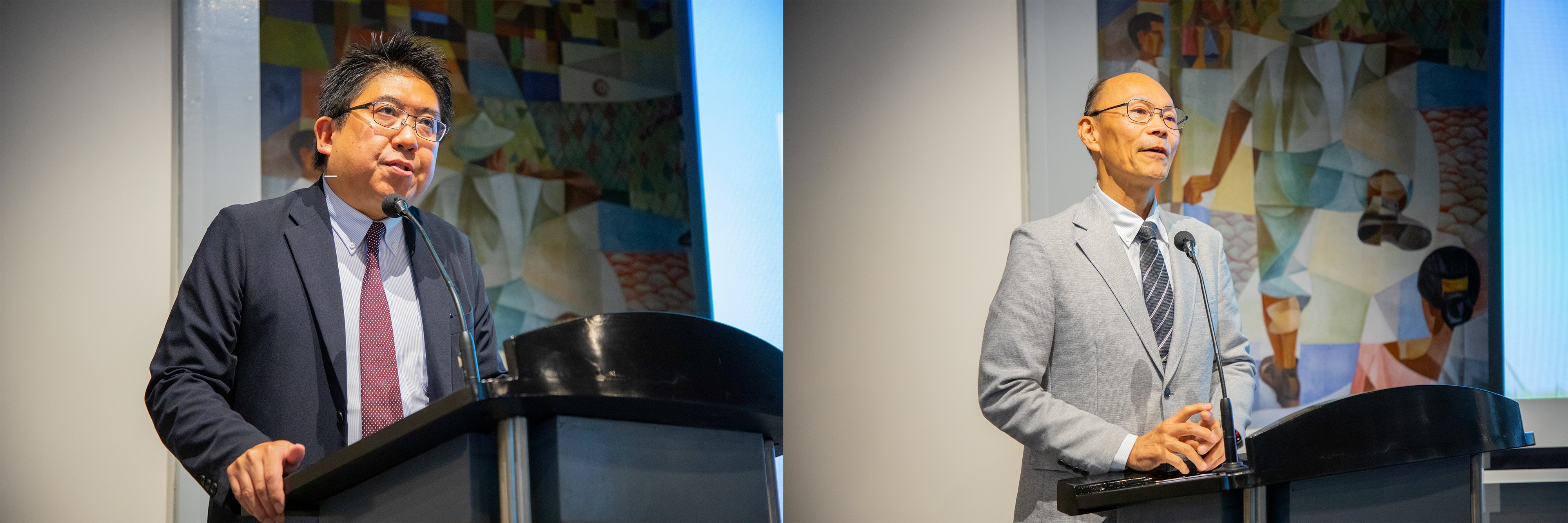
Mr. Satoshi Nozawa, MAFF Japan Director of the Agriculture, Forestry and Fisheries Research Council Secretariat echoed this call for stronger partnership and highlighted the growing MAFF-IRRI climate portfolio from the ASEAN-CGIAR Innovate for Food and Nutrition Security program and the AGRI Project to the recently launched CoolRice Project.
Meanwhile, JIRCAS President Dr. Toshihiro Hasegawa reflected on his long association with IRRI and how current global challenges require a more integrated approach to rice research.
“Heat has also become a major threat to rice production not only in the tropics and subtropics, but even in temperate countries, including Japan and other parts of East Asia. This creates a strong reason for Japan, JIRCAS, IRRI, and partners across Asia to work together more closely,” he said.
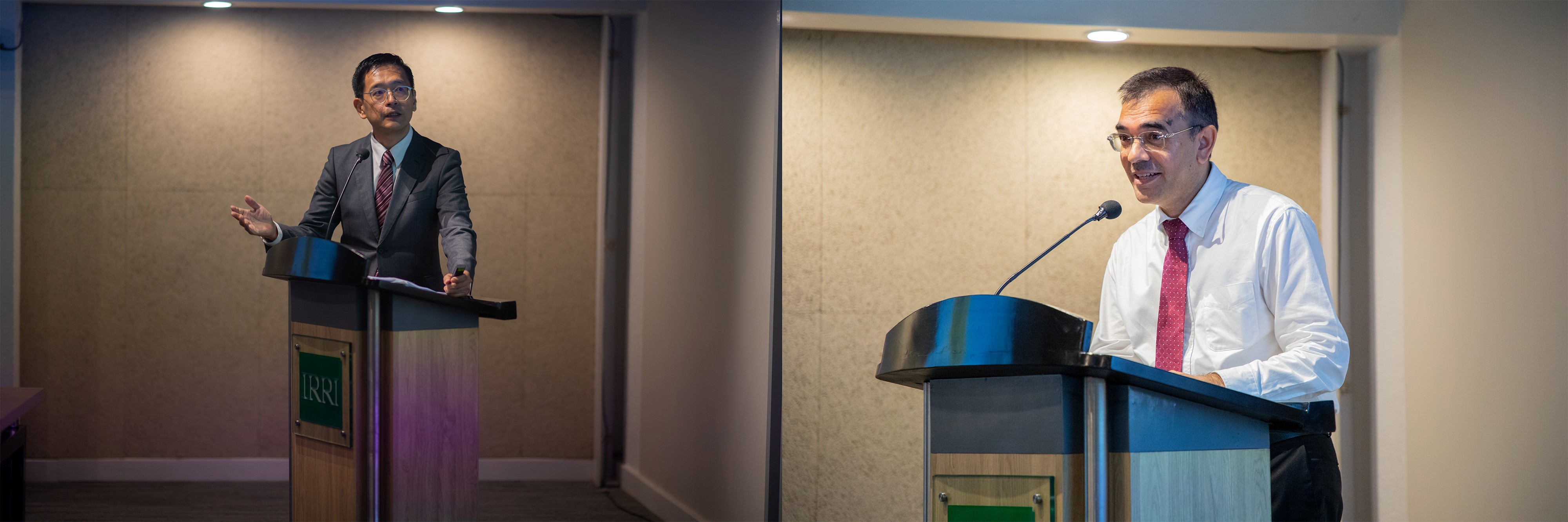
"Through this collaboration, we aim to accelerate the development of practical innovations from heat-tolerant rice and heat-risk mapping to low emission cultivation practices," said Dr. Kazuki Saito, IRRI Senior Scientist and CoolRice Project Lead. He added that CoolRice aims to help accelerate the development and deployment of practical climate-resilient solutions for rice farmers.
In his closing message, Dr. Virender Kumar, Research Director of IRRI’s Sustainable Impact through Rice-based Systems Department, highlighted the value of bringing different disciplines together through CoolRice. "The real opportunity is to connect expertise across breeding, climate science, agronomy, and digital technologies so that discoveries move more quickly from research into farmers' fields," he said.
Following kickoff, Mr. Nozawa and Dr. Hasegawa delivered talks in a special IRRI seminar on advancing climate-resilient rice-based systems through science and regional partnerships.
Mr. Nozawa presented Japan's ASEAN-Japan MIDORI Cooperation Plan and Beyond, highlighting efforts to build resilient and sustainable agriculture and food systems through region-specific technologies and strategic partnerships. Meanwhile, Dr. Hasegawa discussed science-based approaches to strengthening climate resilience in rice systems and introduced Green Asia Plus, a new initiative to accelerate the dissemination of Japanese agricultural innovations across the Global South.
A collaborative workshop was also held on the second day, where researchers from IRRI, JIRCAS, NARO, and Gifu University exchanged advancements in heat-tolerant rice breeding, crop physiology, climate modelling, geospatial analytics, remote sensing, and approaches that combine climate adaptation with greenhouse gas mitigation. These technical discussions helped identify priority research areas and establish a joint roadmap for the next phase of Japan-IRRI collaboration.