Ready for lift-off: IRRI, Thailand’s Rice Department, and Kasetsart University gather around drones for low-emission rice and climate-smart agriculture
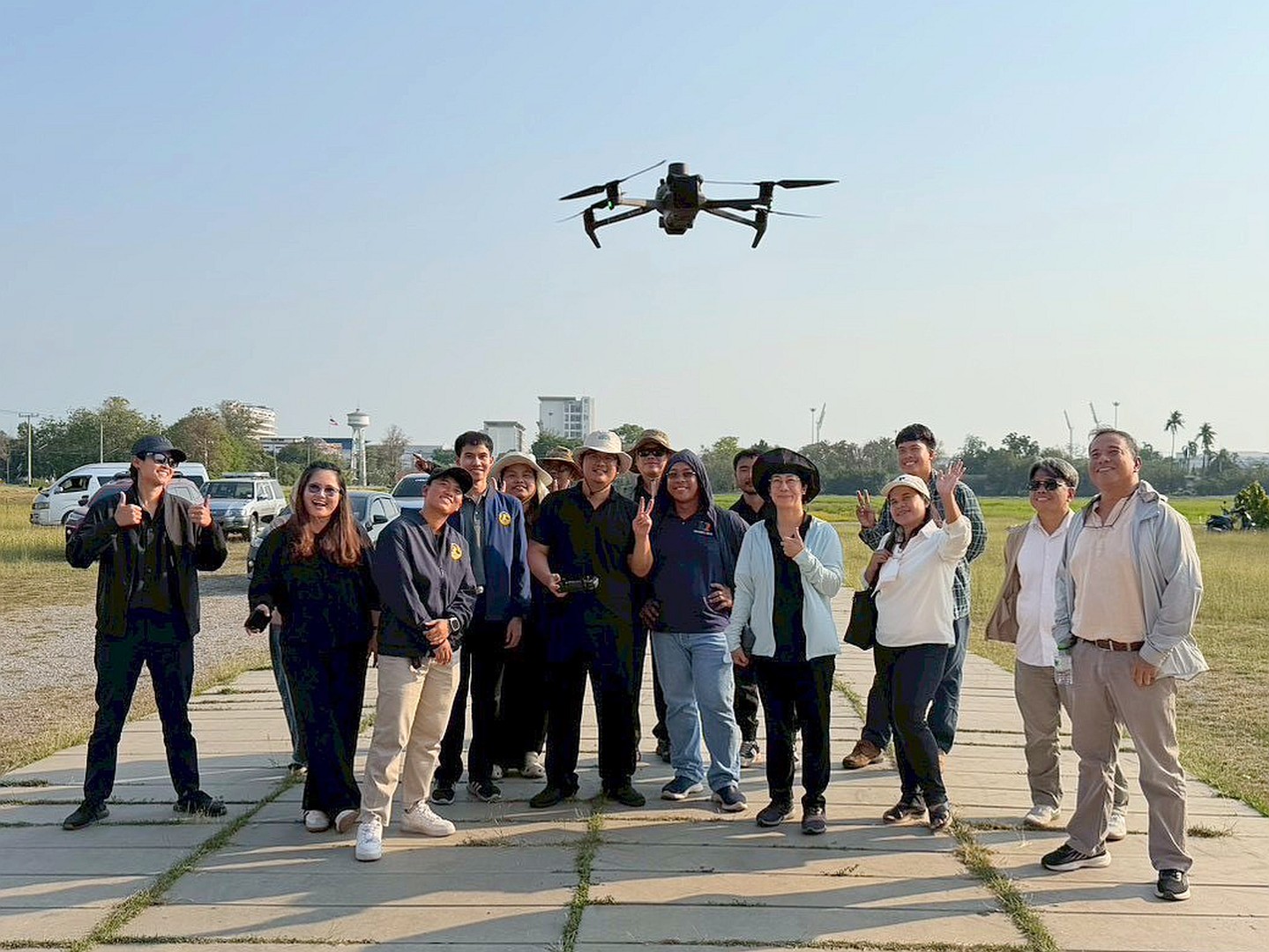
24 February 2026, Bangkok—Drones took off in Thailand’s rice sector, and not only in the sky.
As attention grows to cut emissions, use water more sustainably, and make farming more precise, drone-based monitoring is starting to look less like a futuristic gadget and more like a substantial tool for the job.
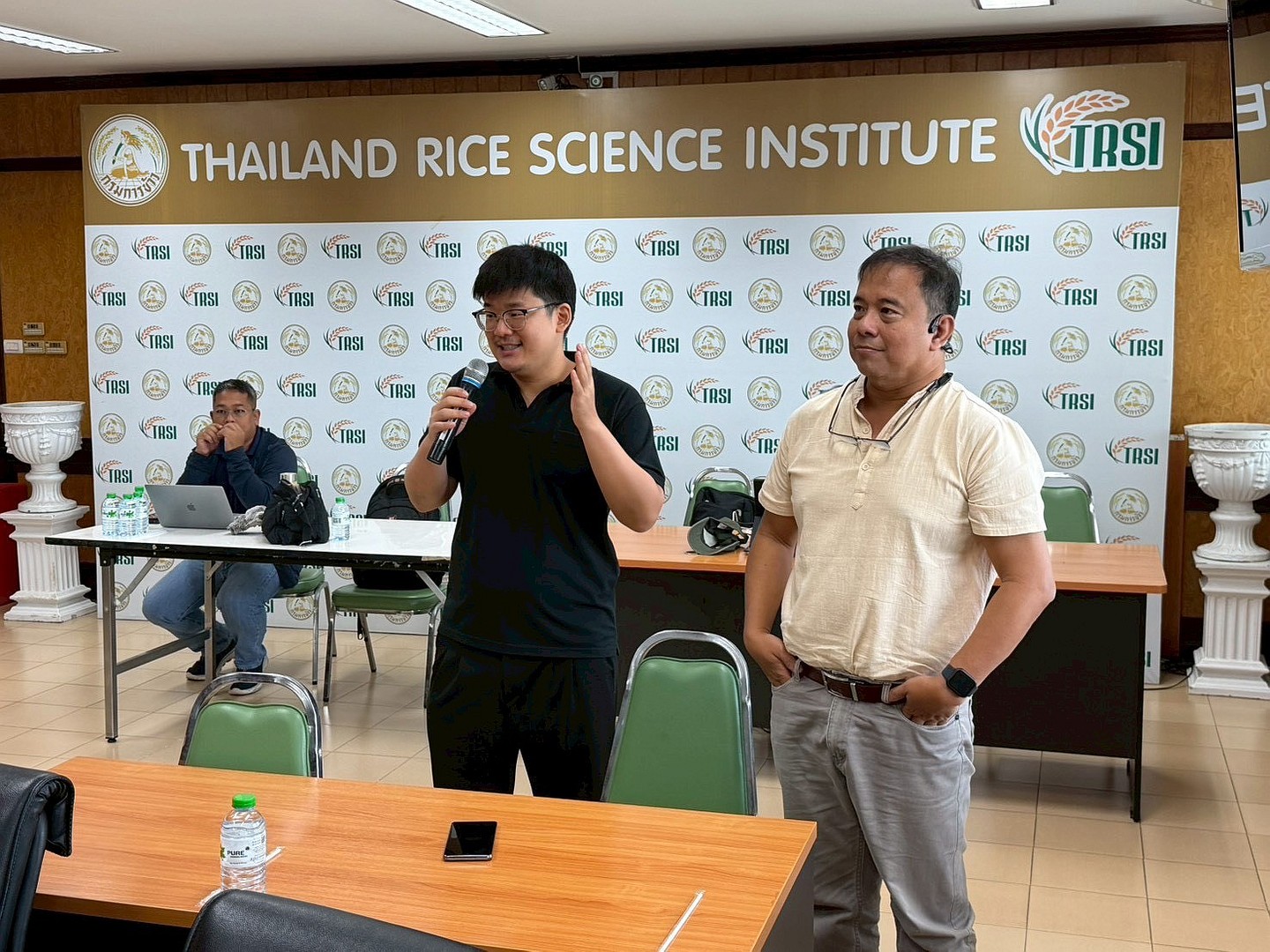
That shift in perception came through between 24 February and 4 March 2026 when the International Rice Research Institute (IRRI) organized a consecutive workshop series for Thailand’s Rice Department and Kasetsart University respectively on drone-based remote-sensing for low-emission rice and climate-smart agriculture. The multi-day workshop series was an effort under the Thai Rice: Strengthening Climate-Smart Rice Farming (Thai Rice GCF) by the three institutions, linking sessions across Thailand Rice Science Institute in Suphan Buri and Rice Science Center, Kasetsart University in Nakhon Pathom. Thai Rice GCF supports Thailand’s transition towards climate-smart agriculture and low-emission rice farming through the adoption and scaling up of climate-smart technologies and practices.
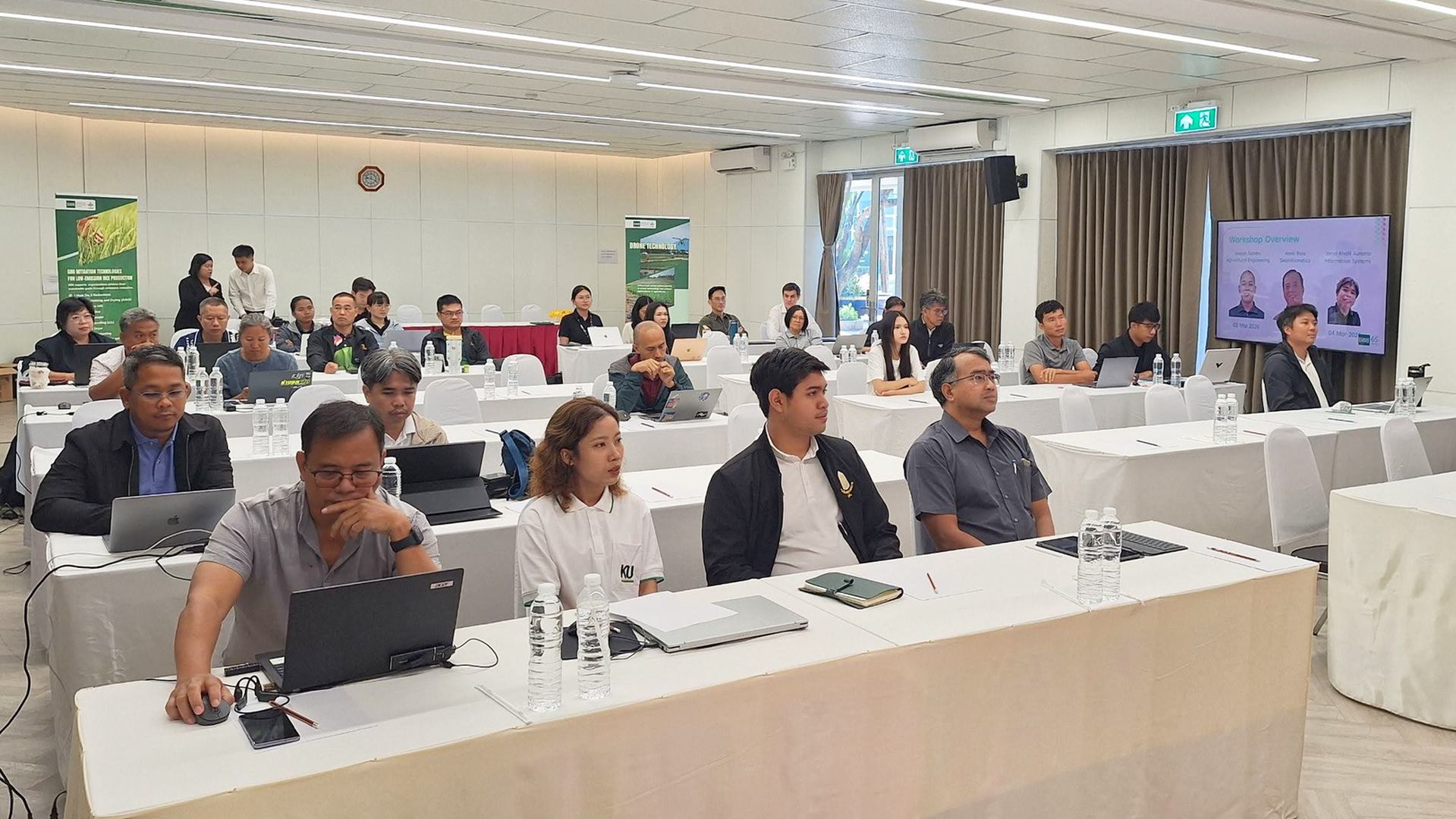
The workshops were carried by IRRI’s multidisciplinary team of specialists, with Vorayuth Pakachaipong helping anchor the series from the IRRI side and fellow trainers Joseph Sandro, Arnel Rala, and Jorrel Khalil Aunario leading sessions on flight mission planning, image processing, and advanced image analysis.
Alternate Wetting and Drying (AWD) is one of the most promising ways to reduce water use and greenhouse gas emissions in rice compared with continuous flooding. But monitoring it properly has never been simple. Manual field verifications take time. Sensor-based systems can provide real-time data, but they remain costly and difficult to install and maintain, especially in smallholder settings. This is where drones may come in as a way around those barriers.
As IRRI explores the use of drones for monitoring in rice cultivation, with a particular interest in AWD, the conversations during the event reflected on whether drones will help solve real problems in rice systems — from tracking water levels, to crop conditions and sustainable intensification. The event aimed to build technical capacity among partners on irrigation monitoring, greenhouse gas mitigation, and climate-smart agriculture over the long term. With more than 20 participants from the Rice Department’s Rice Research and Development Division, and approximately 40 participants from academia and the private sector, both workshops showed that interest in drone-supported rice agriculture is growing and that partners are beginning to explore its practical modern-day relevance more seriously.
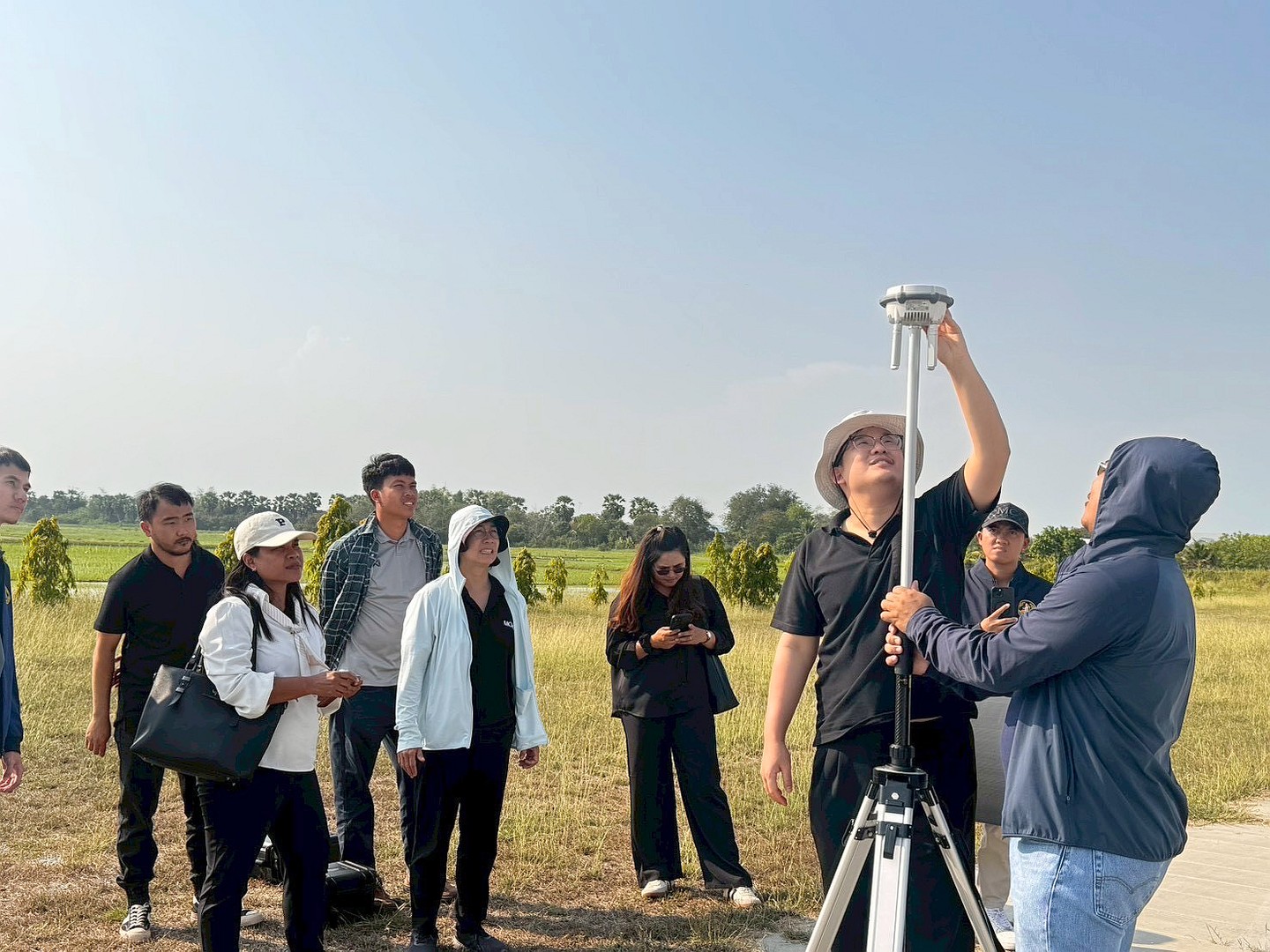
Some participants were already working in locations with monitoring drones, some were about to receive them, and others had at least some experience with agricultural drones. This allowed the conversation to move beyond the basics and discuss drone applications in, AWD, nutrient, and weed monitoring, before moving to flight regulations and eventual hands-on demonstration of drones in action.
The participants raised questions quickly, such as how image-derived indicators connect to on-the-ground crop traits, how height is measured from drone imagery, or how the drones support advisory for precision nutrient management. In essence, flying a drone is the easy part. The greater challenge is turning the data it captures into information reliable enough to support not only research, but also practical farm management decisions.
Participants worked through equipment overview, GPS systems, ground control points, calibration, field setup, photogrammetry, image combination, GIS processing and analysis with R. By all the capabilities drones can offer for research, it was noted that the complex potential of drones may prove difficult for regular farmers. Processing and interpreting drone-captured data will sit outside a famer’s capacity, likely requiring additional service providers to help bridge that capacity gap.
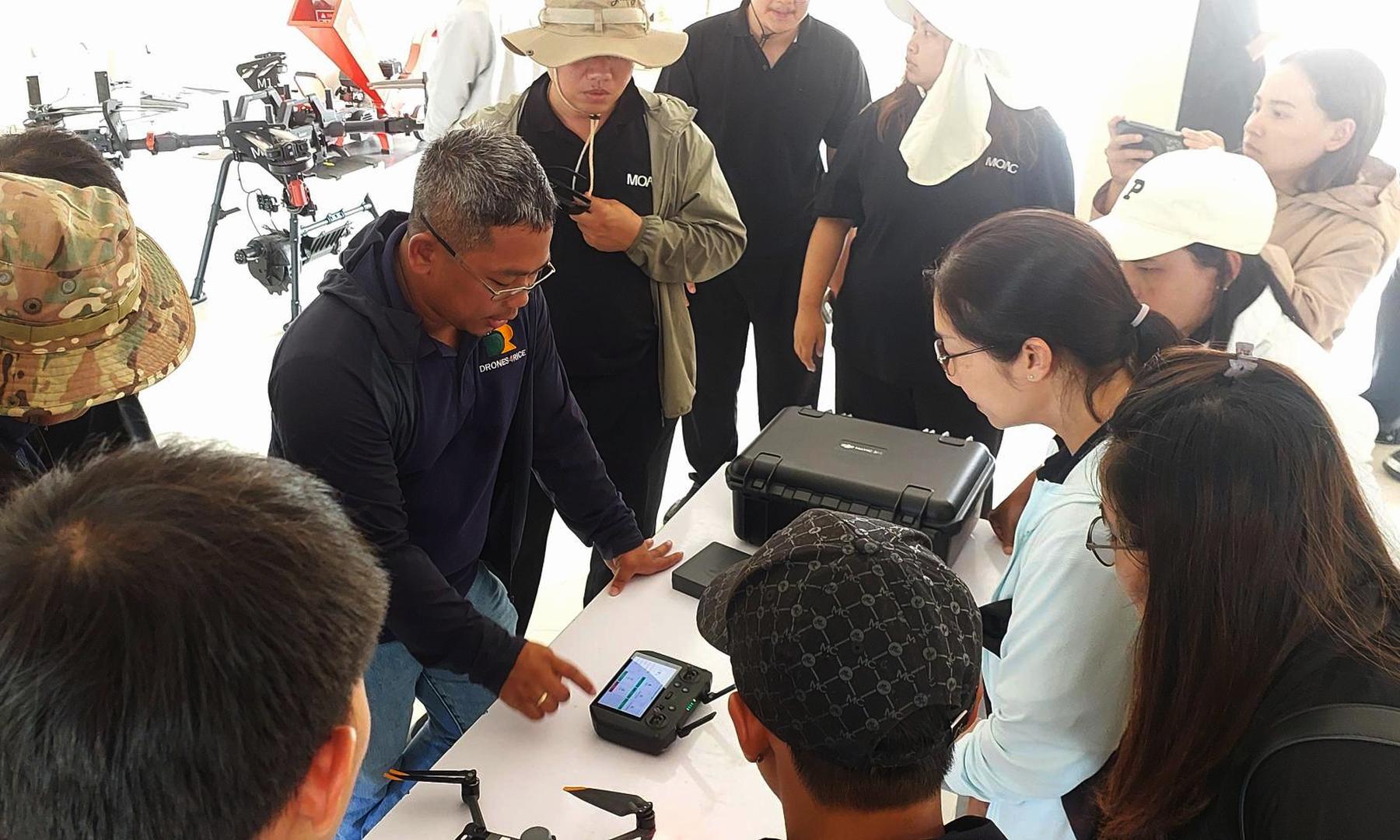
That, however, may raise issues of quality control and added costs—the latter of which originally were to be minimized with drone-based monitoring. If intermediary providers become part of the drone utilization process, their inputs need to be reliable and affordable. Additional tools to operate precise drone flights, such as GPS-relevant equipment and a camera calibration panel, would drive costs further up.
While barriers sound high, the discussion taking off in Thailand are likely going to guide this promising technology for wider use. As it tends to be the case in innovation development, an obstacle leads to a workaround eventually. The question was no longer simply whether drones can offer useful applications in rice systems, but how those applications can be made practical, affordable, and relevant at farm level.
By the end of the workshops, one fact was hard to dismiss. Namely, drones are gaining ground in rice agriculture because they speak to a real need. Countries and farmers need better ways to monitor water, crop conditions, and changes in the field if low-emission rice for climate smart agriculture is to move forward.
In Thailand, IRRI, the Rice Department, and Kasetsart University showed that getting there takes shared learning, strong partnerships, and a willingness to work through the challenges. In conclusion, this workshop series felt less of a routine training but more of a sector getting ready for lift-off.
The Thai Rice GCF Project is funded by the Green Climate Fund (GCF) and the German Federal Ministry for Economic Cooperation and Development (BMZ) through the develoPPP programme, with co-financing from private sector partners including Ebro Foods, MARS Food, Olam Agri and PepsiCo. Additional in-kind contributions from executing and implementing partners — including GIZ Thailand, the Rice Department (RD), the Department of Agricultural Extension (DoAE), the Ministry of Agriculture and Cooperatives (MoAC), the Bank for Agriculture and Agricultural Cooperatives (BAAC), the Office of Natural Resources and Environmental Policy and Planning (ONEP), and the International Rice Research Institute (IRRI) — support effective project implementation.