Rice, risk, and resilience: Navigating a more complex rice economy
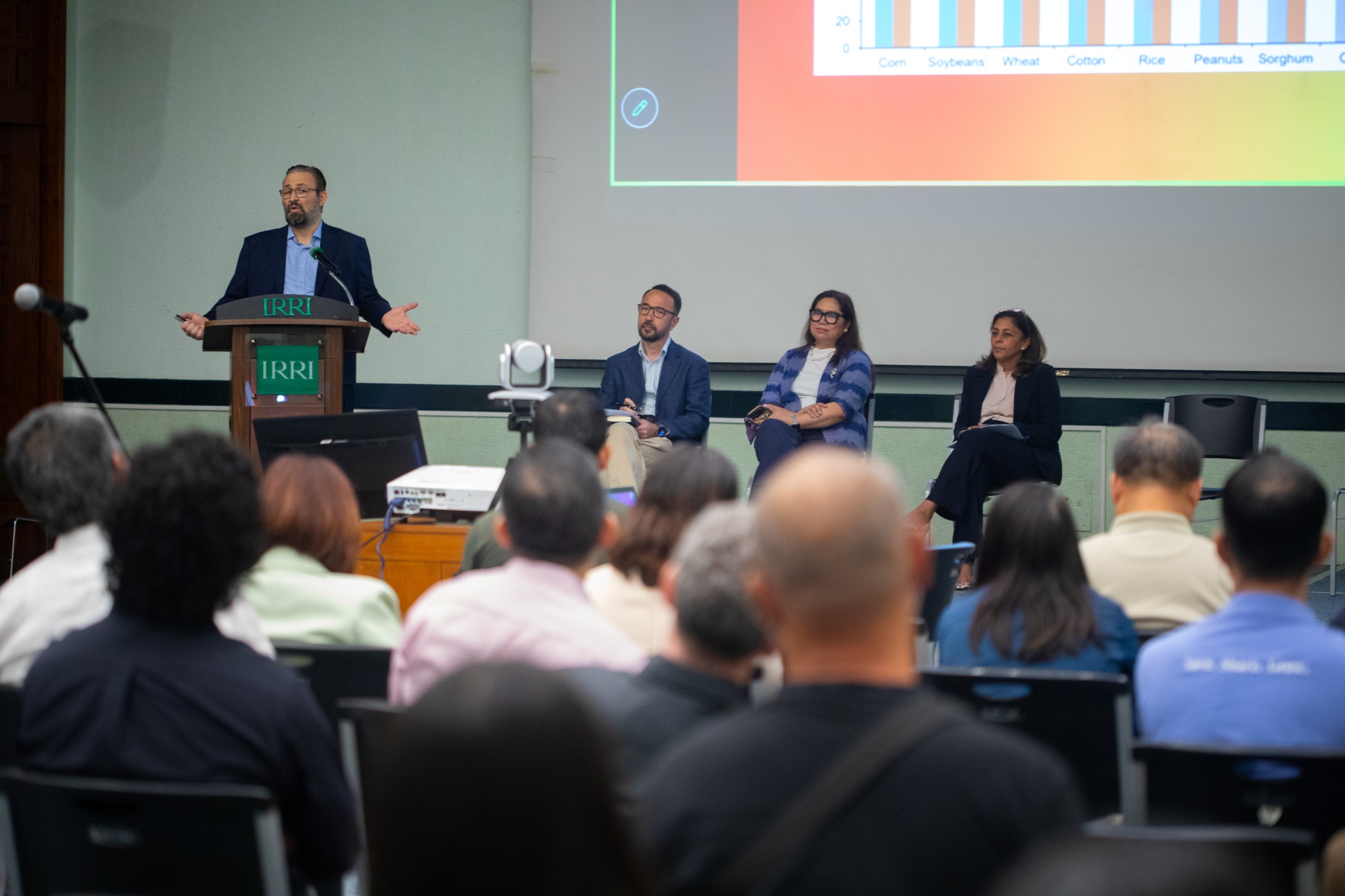
LOS BAÑOS, Philippines (26 May 2026) - Rice provides nearly 60 percent of the energy intake of Filipinos. As the country continues efforts to strengthen domestic production, improve competitiveness, and ensure food security, global tensions, rising production costs, climate risks, and shifting trade patterns are influencing decisions across rice value chains, and from farm fields to government policy rooms.
These issues were discussed at Philippine Rice Trade: A Volatile Market and Risky Times, a seminar organized by The Rice Trader (TRT) and hosted by the International Rice Research Institute (IRRI), with support from the Philippine Rice Industry Stakeholders Movement (PRISM) and the Southeast Asian Regional Center for Graduate Study and Research in Agriculture (SEARCA).

An overview of the global rice market, given by TRT CEO Jeremy Zwinger, shows that rice supplies remain relatively abundant, supported by strong harvests and historically high stock levels in major producing countries. Yet the cost of producing the next crop is rising rapidly. While rice prices remain subdued in many international markets, fertilizer, fuel, freight, insurance, and transport costs continue to climb, squeezing margins across the rice value chains. The result is a growing disconnect between abundant rice supplies today and the rising cost of producing rice for tomorrow.
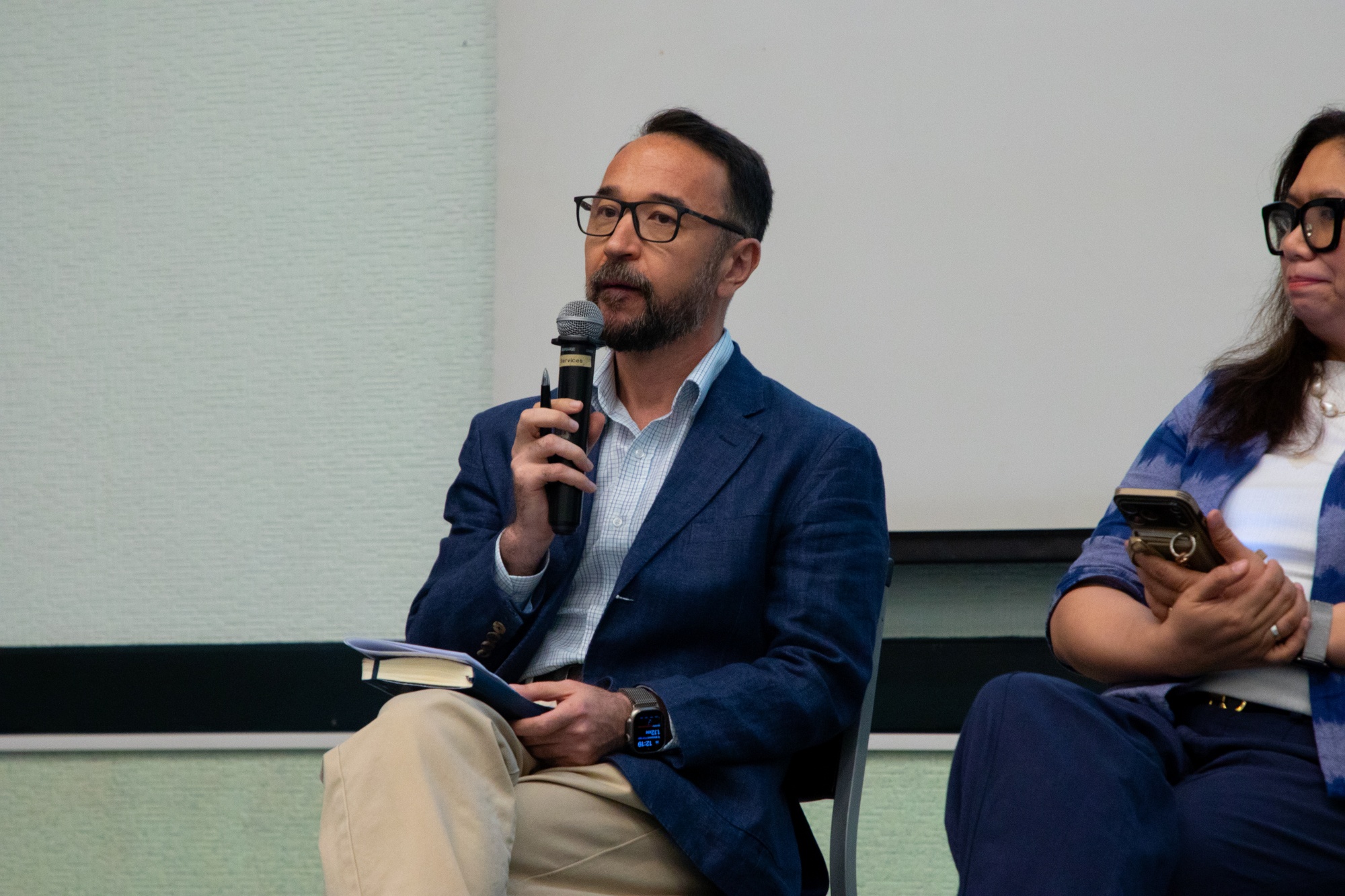
The discussions highlighted how interconnected today's rice economy has become, with events unfolding far from rice fields influencing production decisions and food prices. In his presentation, IRRI Senior Scientist Dr. Alisher Mirzabaev reported that the conflict in the Middle East has contributed to higher fuel, freight, and insurance costs, while uncertainty in fertilizer markets has raised concerns about future production costs. At the same time, forecasts of possible extreme El Niño conditions until 2027 have prompted renewed attention to climate resilience and preparedness. Together, all these factors create a more complex operating environment for farmers, governments, and businesses alike.
Recent analysis from IRRI's Global Rice Market Brief shows fertilizer prices rising sharply. Urea prices rose by over 50 percent in one month, from USD 472 per metric ton in February to USD 726 per metric ton in March. Overall, fertilizer prices increased by more than 26 percent during the period, raising costs throughout the rice value chain. This widening gap between production expenses and market returns affects the economics of rice production and trade, creating financial pressures for farmers, agribusinesses, input suppliers, processors, and other stakeholders across the sector.
The panel discussion underscored both the challenges and opportunities ahead. The speakers emphasized that building long-term resilience will require sustaining and scaling ongoing national efforts, supported by continued investment in innovation, including improved varieties, more efficient and precise nutrient management, expanded use of already available digital farm advisory tools, and scaling of climate-smart production practices.
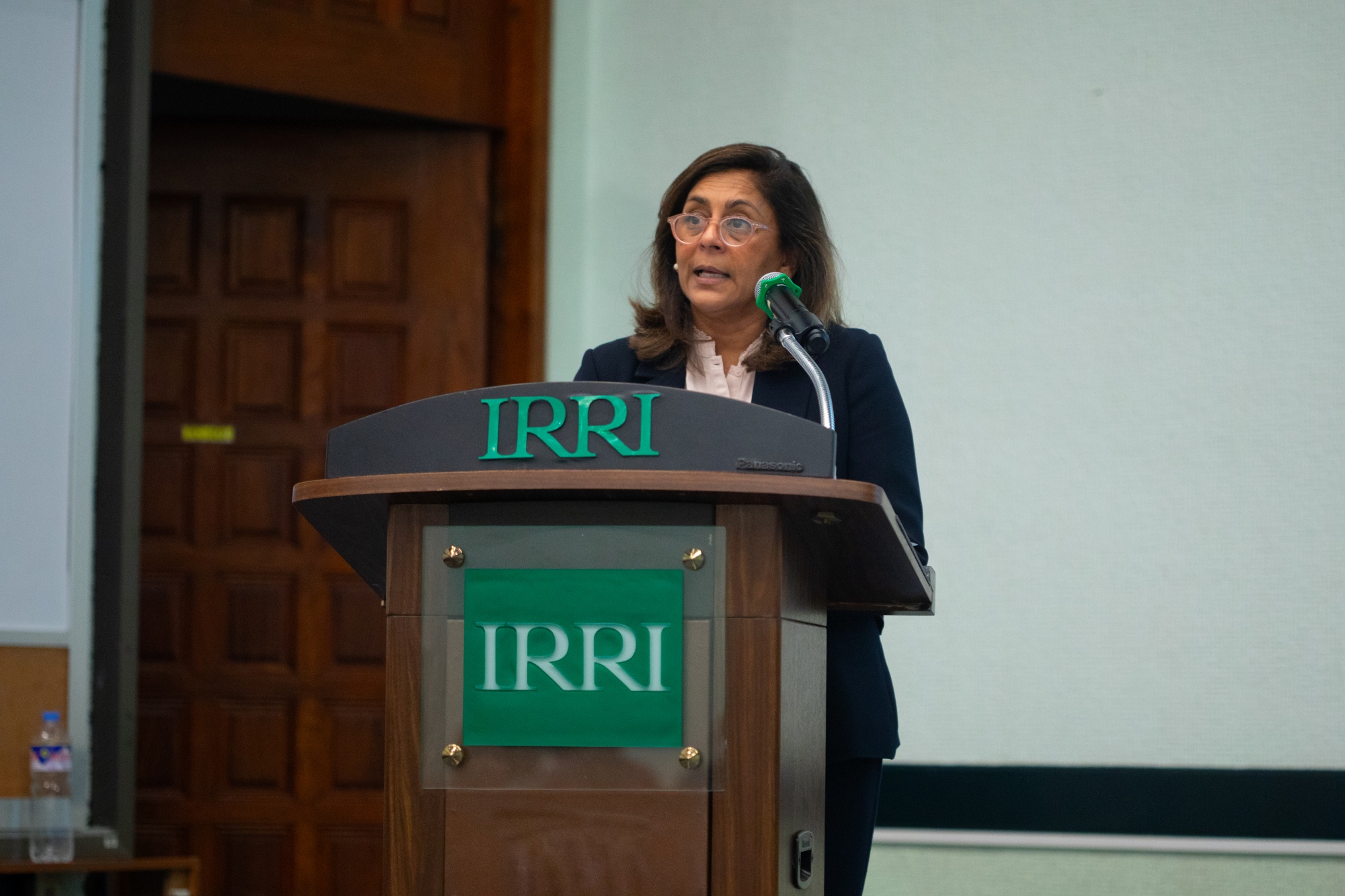
The forum pointed to the Philippines' strong foundation in rice research and innovation as a key asset in addressing these challenges. During her opening remarks, IRRI Director General Dr. Yvonne Pinto highlighted the recognition of a PhilRice-developed rice variety at the World's Best Rice Awards at the 2025 World Rice Conference.
“It was a proud moment for the Philippines and a strong reminder that, in an increasingly competitive global rice market, the Philippines has the scientific capability and innovation potential not only to participate, but to stand out. It also underscores the importance of continuing to invest in rice research as part of building a more competitive and resilient rice sector.”
Acknowledging the country's key role in rice markets, The Rice Trader announced that the upcoming 2026 International World Rice Conference will be held in Manila, Philippines, from October 7-9, 2026. This forum will provide a platform for continued dialogue on the market, policy, and innovation issues affecting the global rice sector.
Throughout the seminar, speakers emphasized the value of timely data, transparent information sharing, and effective coordination. Continued collaboration among governments, researchers, the private sector, and farming communities is needed to continue supporting quick and informed decision-making, strengthen resilience, and maintain stable rice supplies not just during a time of crises but for the long-term.
Read the IRRI Global Rice Market Briefs
For inquiries on the World Rice Conference 2026: Please contact Ms. Mercedes Jones at mercedes.jones@thericetrader.com