What’s next for Climate+?
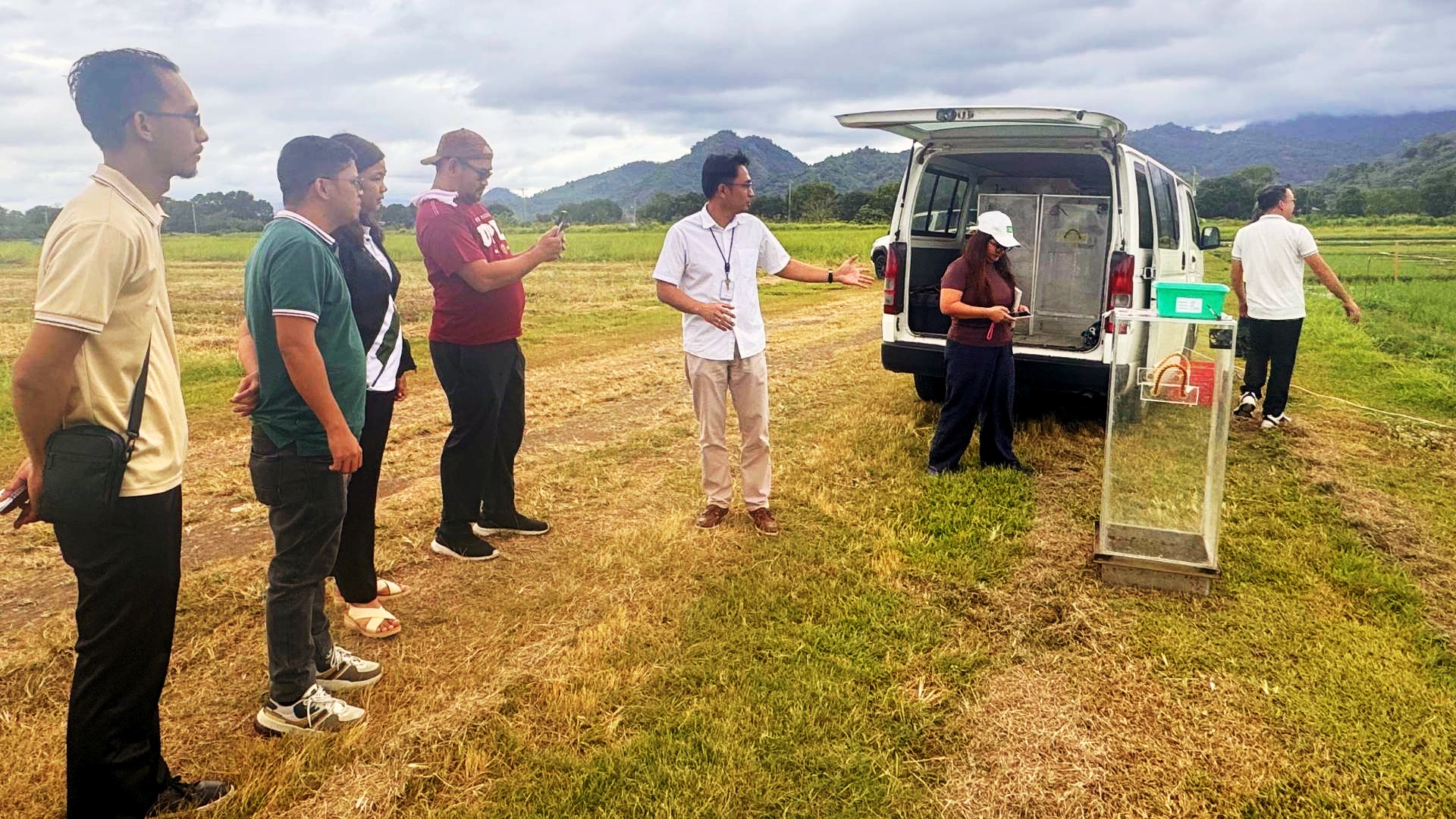
LOS BAÑOS, Philippines (23 February 2026) — Climate+ is now eyeing enhancement and scaling the technology to more locations and industries in the agri-food sector. Climate+ is a weather-informed, farm-level, agro-advisory platform funded by the CGIAR Climate Action Science Program (CASP) and co-developed by IRRI and the Alliance of Bioversity International and CIAT (Alliance) with support from the Department of Agriculture Region 5 – Adaptation and Mitigation Initiative in Agriculture (DA-AMIA), Philippine Rice Research Institute (DA-PhilRice), DA-Agricultural Training Institute (DA-ATI), and PAGASA. At its core, Climate+ translates weather forecasts into actionable, field-level advisories for rice farmers (e.g. optimal planting window, fertilizer timing, irrigation scheduling, and harvesting time adjustments). Leveraging the Rice Crop Manager Advisory Service (RCMAS), Climate+ integrates weather, crop and management data to support farmers in anticipating and responding to climatic variabilities and extreme events.
In July 2025, during IRRI’s 65th Anniversary celebration, key partner institutions formalized their collaboration through the signing of an agreement to jointly advance Climate+ and the Area-Based Yield (ARBY) index insurance for rice. This “prevention and protection” bundle combines climate-informed advisories with risk-transfer mechanisms and was piloted in Region 5.
With that, what’s next for Climate+?
Reducing climate risks for smallholder farmers in the Bicol Region
Building on early Climate+ findings in Bicol during the 2024 and 2025 wet seasons, IRRI researchers shared plans to enhance the tool to strengthen anticipatory advisories for floods and droughts, protect farmer livelihoods, and improve resilience. In a recent engagement, IRRI hosted a delegation from the Philippine Department of Agriculture Regional Field Office No. 5 (DA RFO 5) to strengthen collaboration to support farmers in the Bicol Region through Climate+ in collaboration with the Green Climate Fund (GCF)-supported project, Adapting Philippine Agriculture to Climate Change (APA).
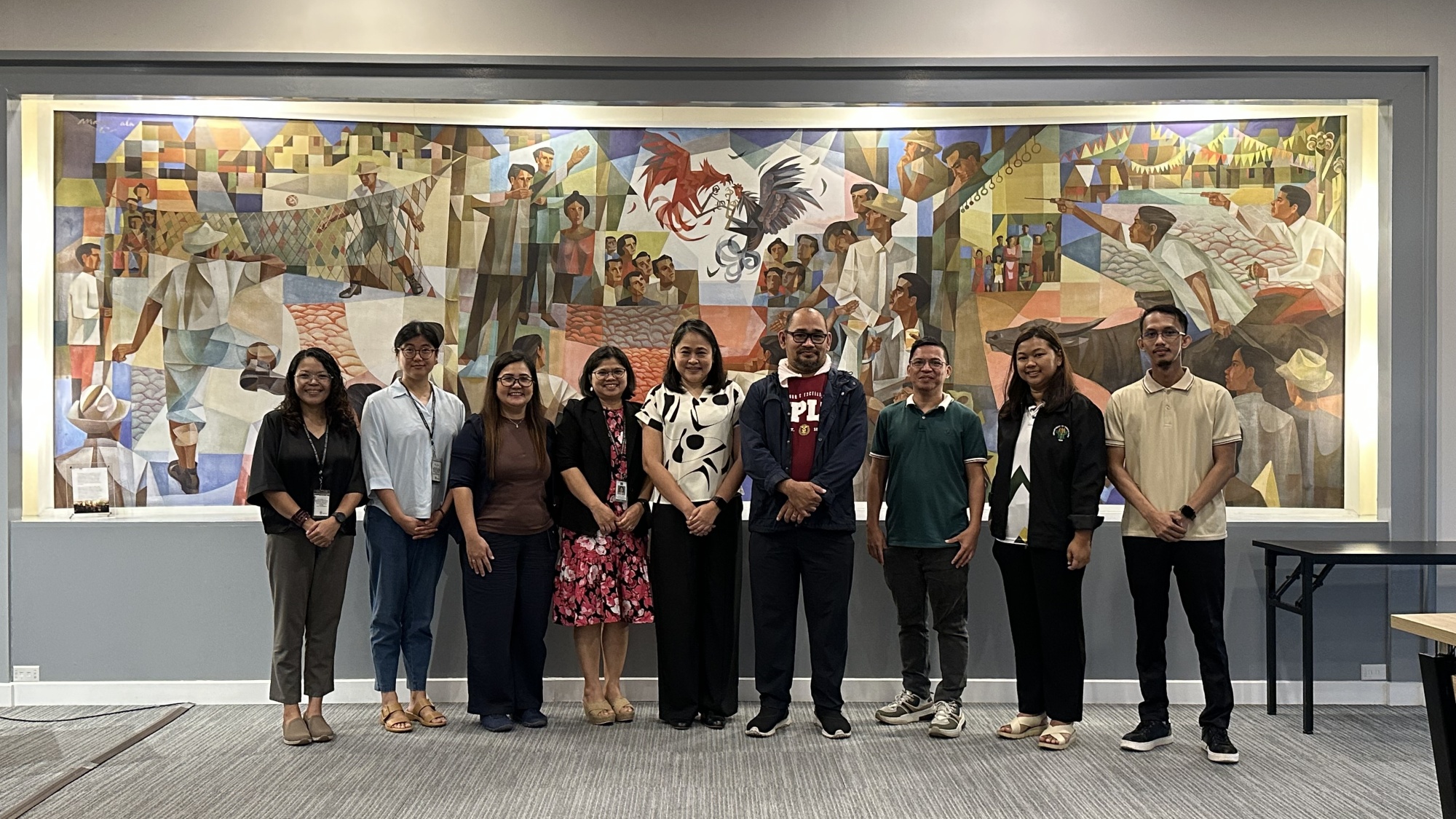
IMG_5916.jpegDiscussions also explored how IRRI research, including experiments on mitigating greenhouse gas emissions and the ORYZA crop model, can further support evidence-based planning, risk management, and long-term sustainability of climate-smart rice systems in the region. Through strengthened partnerships between IRRI and DA RFO 5, Climate+ is poised to play a growing role in enabling Bicol’s smallholder farmers to adapt to a changing climate.
Designing climate information services through Human-Centered Design
The Alliance and IRRI will continue working together in 2026 by integrating human-centered design (HCD) to Climate+ to enable climate information services (CIS) tailored agro-advisories to the real workflow, capacities, and constraints of the agricultural extension workers (AEWs) and farmers. “The Alliance believes that by engaging both the CIS managers and ag-extension workers in co-design and testing, Climate+ can better support how to translate advisories into local context and deliver guidance to the farmers through trusted delivery channels, resulting in more scalable, trusted, and actionable agro-advisories.”, shared the Alliance’s Senior Research Associate Jane Girly Balanza.
Refinement of Climate+ that translates climate information into clear, stage-specific farmer advisories
A workshop with PAGASA and PhilRice was held on February 16 at IRRI, Los Banos aimed to strengthen the decision logic of Climate+. Under the CGIAR CASP in 2026, Climate+ will include in its logic and advisories the probabilistic forecasting of seasonal rainfall analysis and the short-range forecast on rainfall warning, temperature, humidity and wind speed.
DA-BFAR's FishCoRe Project benchmarks IRRI’s digital climate tools
The Department of Agriculture – Bureau of Fisheries and Aquatic Resources’ (DA-BFAR) Philippine Fisheries and Coastal Resiliency (FishCoRe) Project team met with the Climate+ team to learn how PAGASA’s Weather (Ten-Day/Seasonal) Forecast APIs, used for Climate+, was integrated with IRRI’s protocol and framework so that they can adopt into their planned platform called Climate Information Service (CIS) for Fisheries. DA-BFAR's platform aims to deliver timely, localized advisories based on climate and weather information to fisherfolk and aquaculture stakeholders.
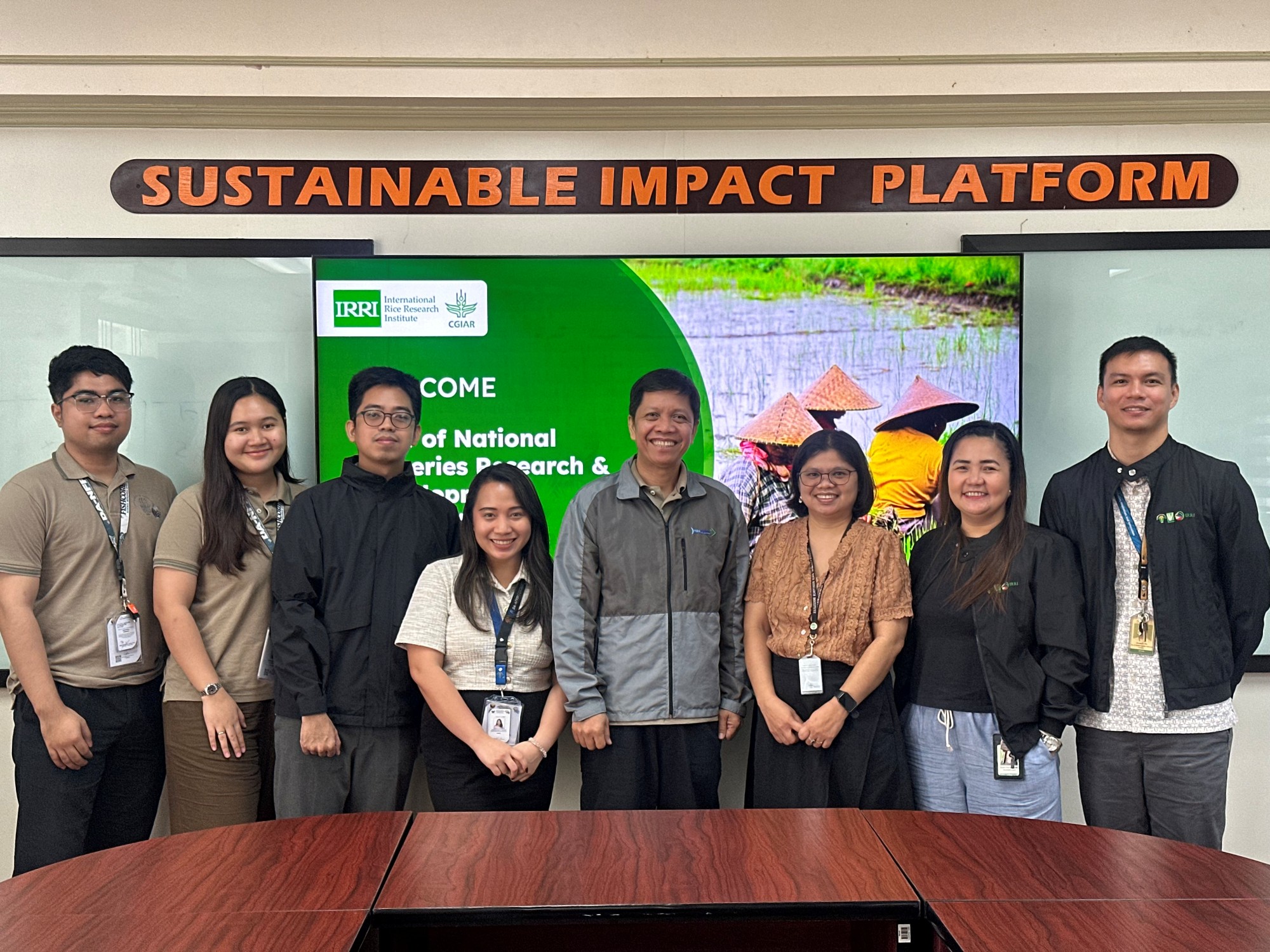
The Ten-Day Forecast API and Visualization Tool developed by PAGASA was linked to the RCMAS tool within the IRRI digital environment under the CGIAR CASP.
NFRDI Scientist Dr. Mudjekeewis Santos shared that Climate+ is a best practice, and they seek to benchmark IRRI’s experience. He also shared that they plan to strengthen partnerships and to conduct more knowledge sharing moving forward.