Tanzania

Overview

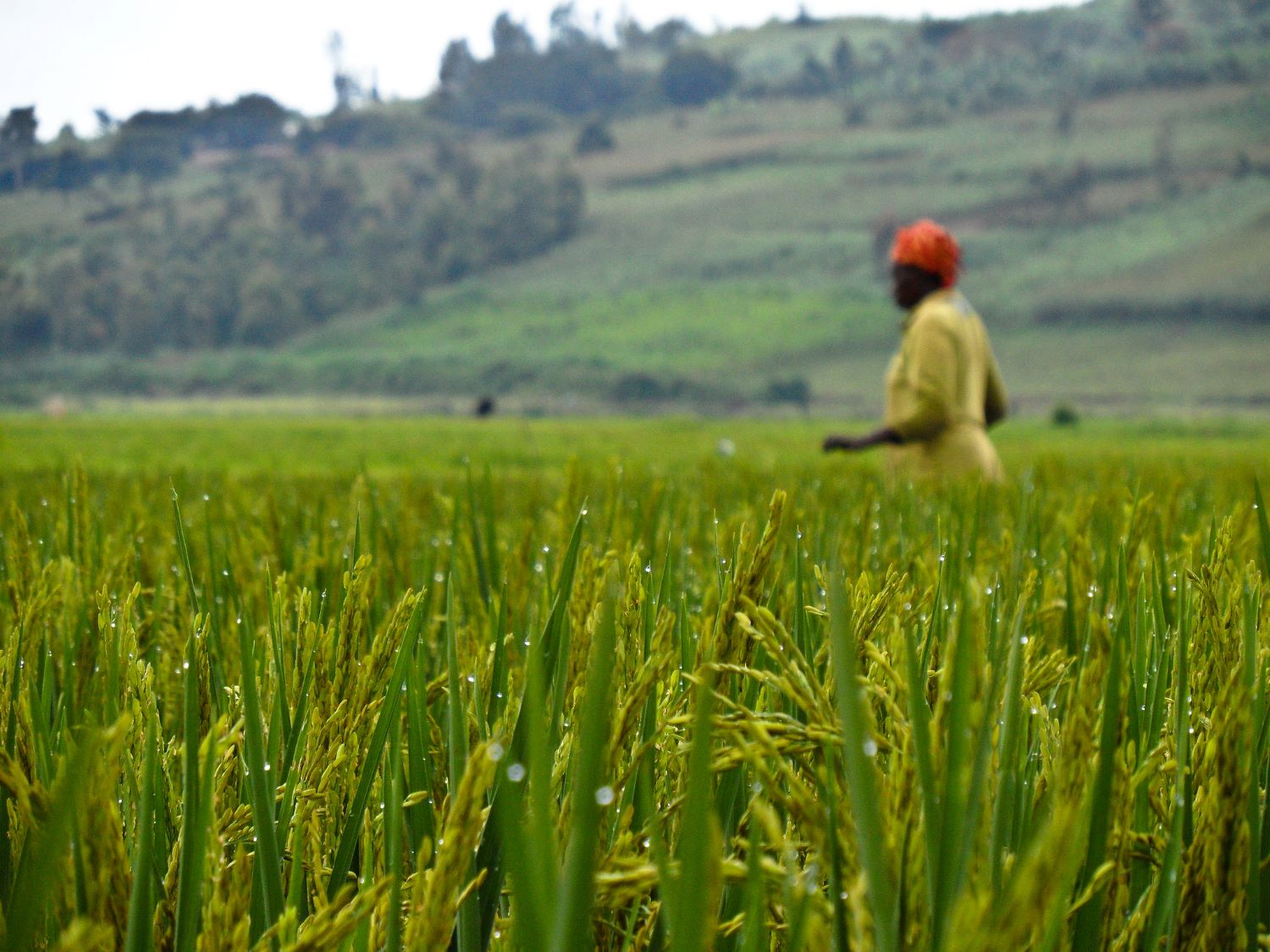
Tanzania is located within the African Great Lakes region which is known for its large freshwater lakes which are home to a large portion of country’s biodiversity. Rice is an immensely important crop for the country’s food and nutrition security, as well as socioeconomic development which is why the Government of Tanzania positioned it as a strategic crop.

Domestic consumption has increased at an average of 2.1 million metric tons annually due to raising income and urbanization which has also driven dietary shifts in the country. About 70% of the rice in the country is produced in 6 regions namely Shinyanga, Tabora, Mwanza, Mbeya, Rukwa, and Morogoro. As a leading rice producer in Africa, Tanzania produced estimated at 3 million metric tons which meets their domestic demands turning them into a rice self-sufficient nation.

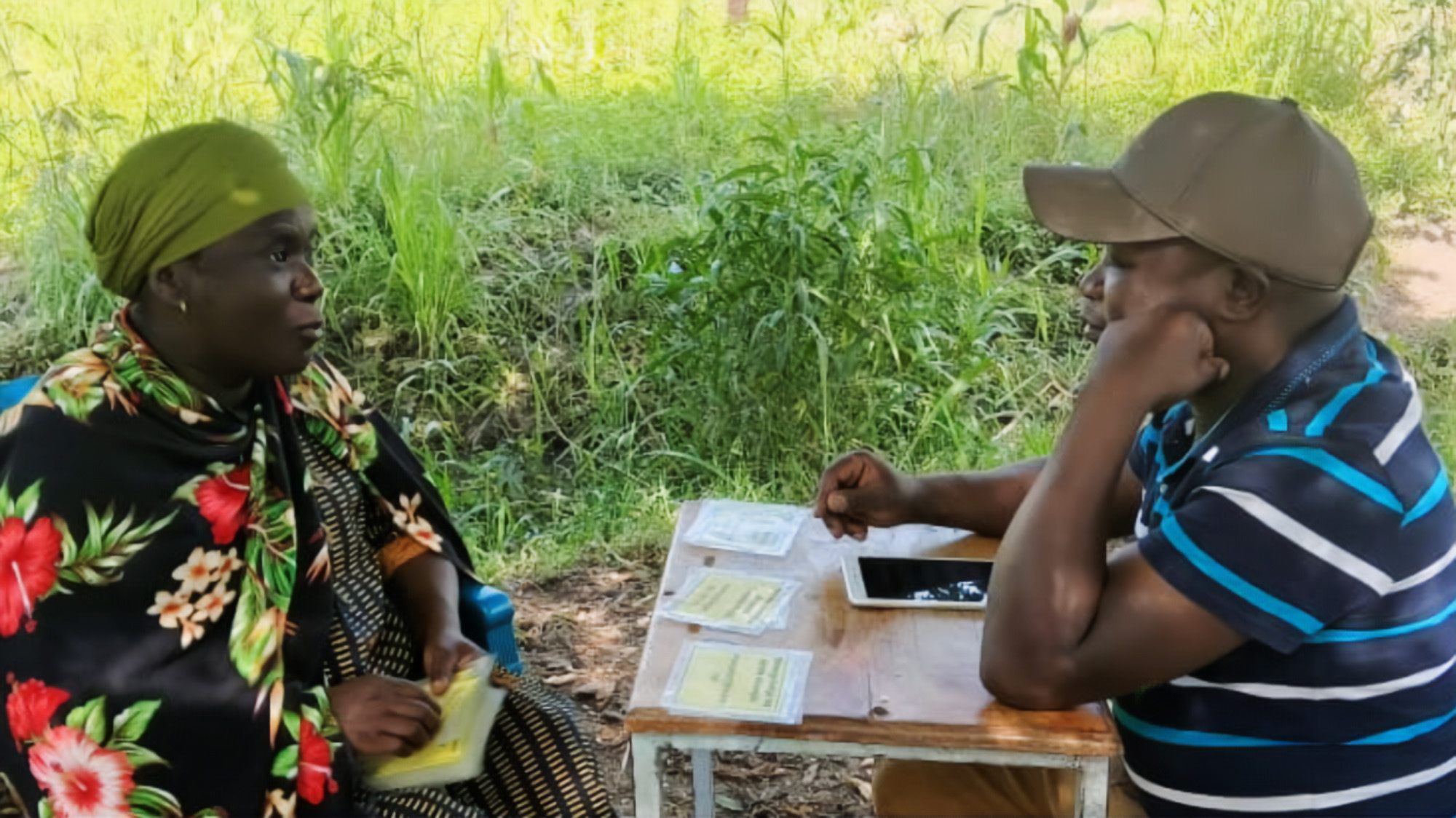
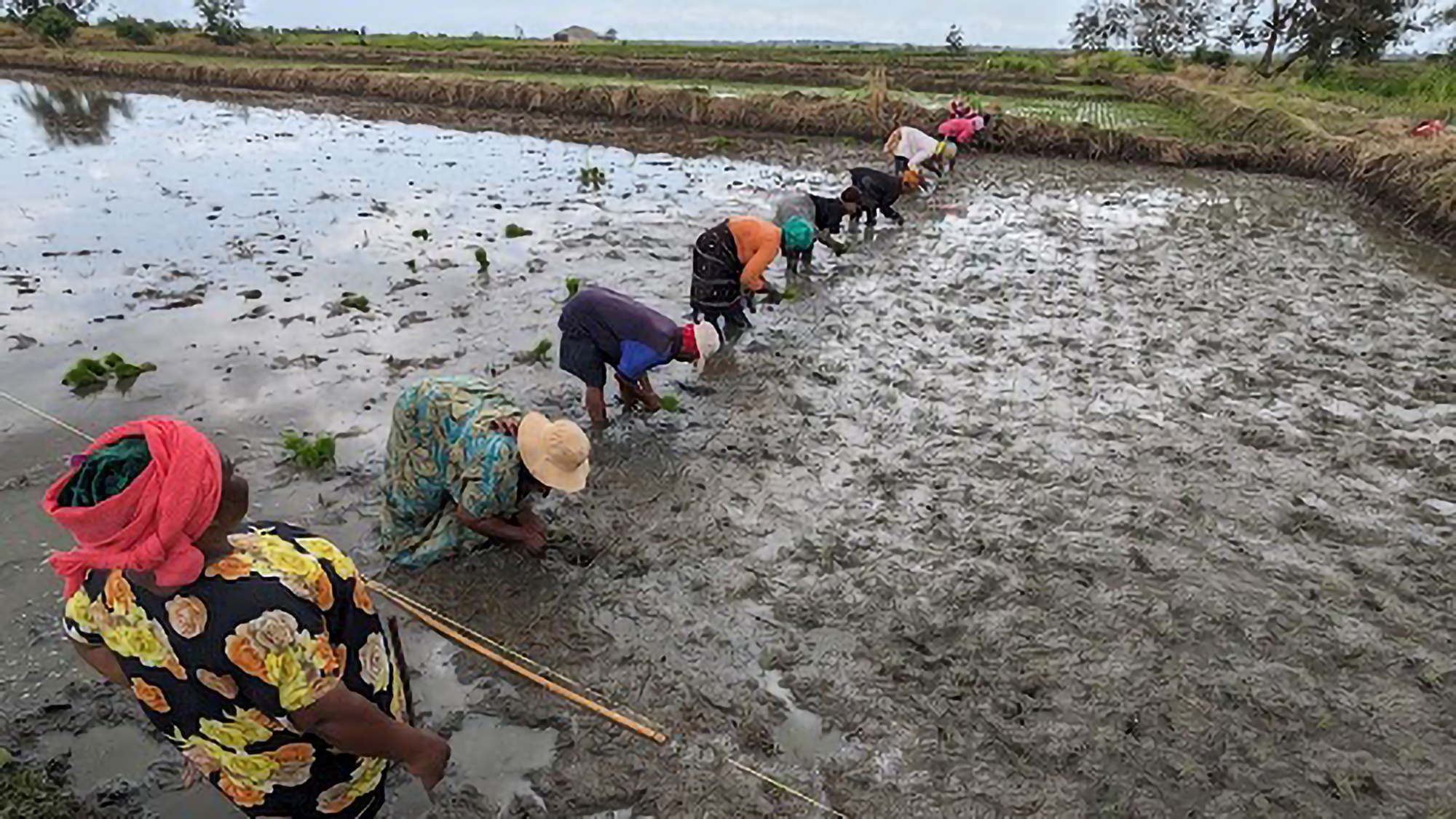
Majority of Tanzania’s rice farmers are smallholders, with more women (about 80%) being involved in agriculture compared to 70% for men. Women are highly involved in multiple stages of rice production from planting, weeding, harvesting, up to trading while men are commonly responsible during land preparation.

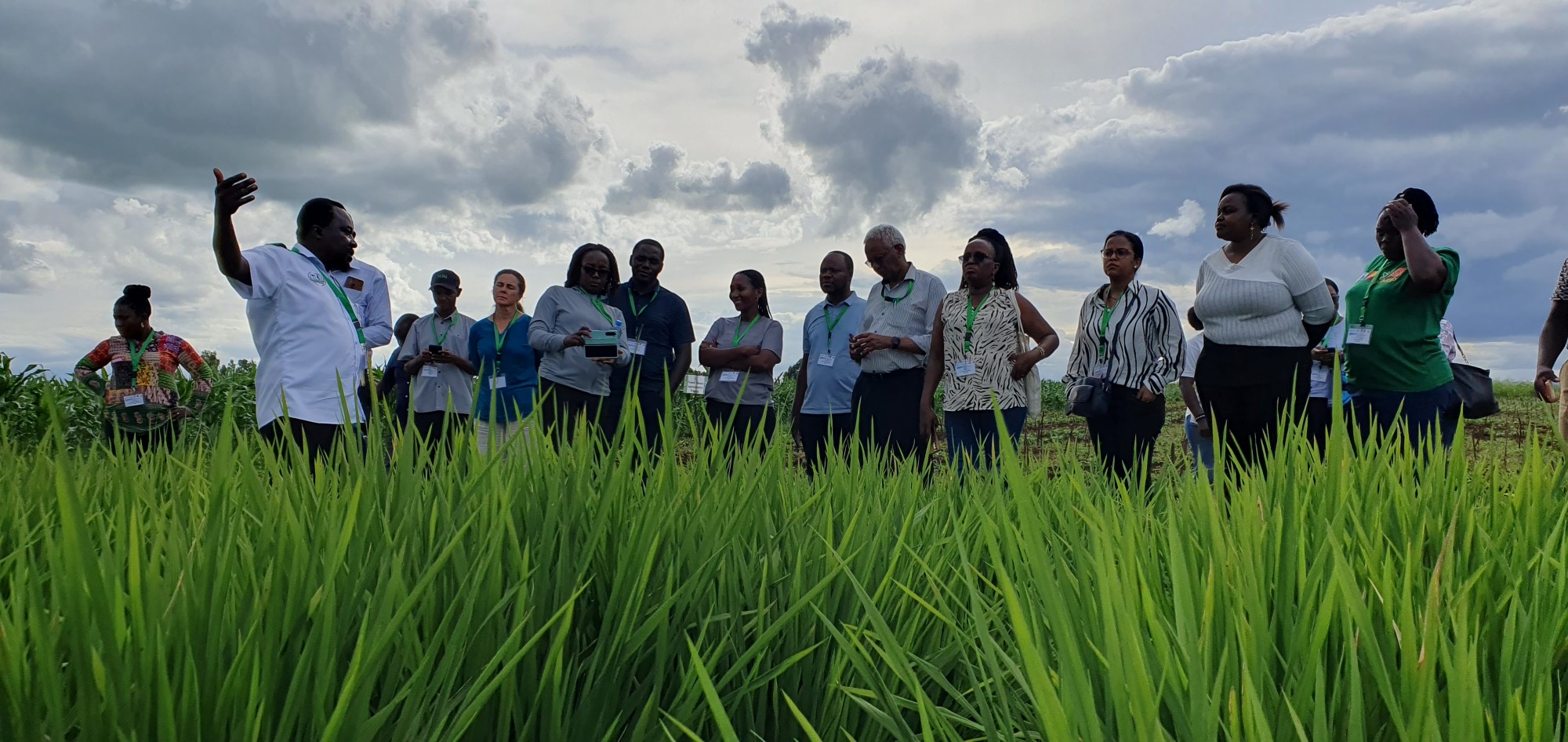
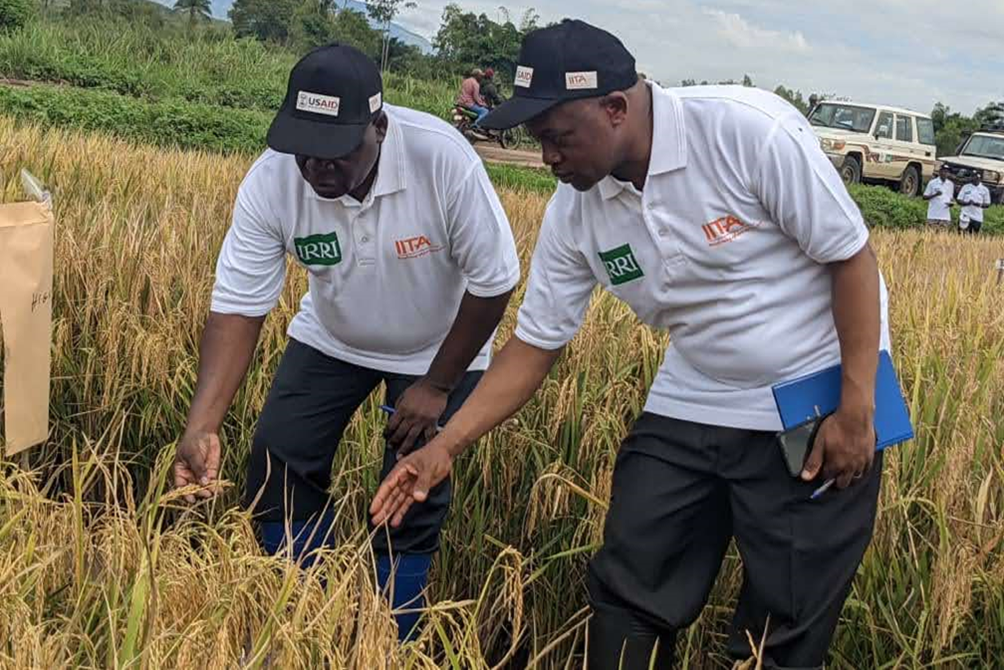
Multiple opportunities for rice value chain development exist in the country. IRRI is collaborating with the public and private sector to support the development of seed systems in Tanzania. Local companies are enabled by building their capacities on quality seed production and linking them to markets. However, there is still a need for improved rice seed varieties that are resilient to drought, major pests and diseases, and flooding.

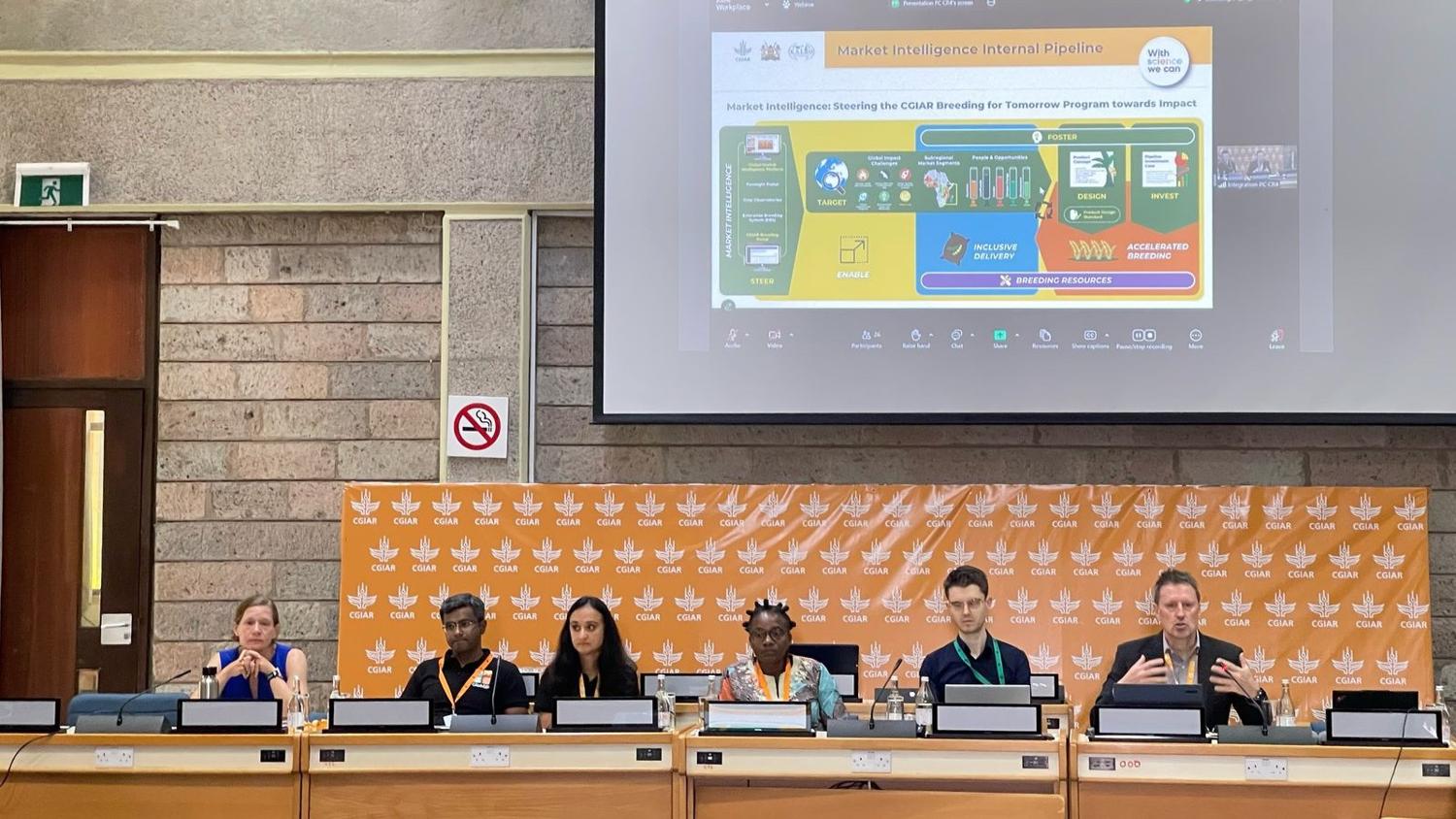
To ensure that improved rice varieties are adopted by farmers, millers, traders, and consumers, IRRI ensures the integration of market intelligence into the breeding process. There is also a need to optimize agronomic management practices to realize the potential of improved varieties. Additionally, adoption of labor saving, harvest and post-harvest technologies can reduce drudgery, especially for women farmers, and reduce quantity and quality losses, to make Tanzania rice competitive.

There are also existing formal institutions that provide support to irrigation (National Irrigation Commission) and mechanization (Center for Agricultural Mechanization and Rural Technology). Institutions like them help farmers gain access to improved input and technologies as well as modern irrigation technologies.

Pauline Chivenge

IRRI Country Representative for Tanzania

Office Address
International Rice Research Institute (IRRI) 
C/o International Institute of Tropical Agriculture (IITA) 
P.O Box 34441 
Mwenge, Coca cola Road 
Dar es Salaam 
Tanzania 
Telephone Number: +25522270009 
Mozambique

Overview

Mozambique is an Eastern African country with a rapidly growing agriculture sector. Rice is a socioeconomically essential crop, with its annual domestic consumption (8.6%) overtaking other cereals. Because of this, the Government of Mozambique identified rice as one of its priority crops under their Strategic Plan for Agricultural Development (PEDSA). They also made it a priority to develop the rice sector under the National Agriculture Investment Plan (PNISA).

Around 97.7% of rice in Mozambique is grown mostly by smallholder farmers from the provinces of Sofala, Zambézia, Nampula, and Cabo Delgado. However, irrigation is more common in Gaza, Maputo, and some parts of Sofala and Zambézia. The potential land area for cultivation across the country stands at around 900,000 ha which is significantly higher than the actual area used which is at about 310,000 ha.

The government priorities involve the research and development of high-yielding rice varieties which can adapt to both irrigated and rainfed lowland ecosystems, as well as the dissemination of improved rice production technologies. This includes the promotion and use of certified seeds and fertilizers, building capacity for seed quality control, and the establishment of rice seed information system. Mechanization and post-harvest technologies will also be promoted and the extension and maintenance of irrigation schemes across the rice-producing provinces.

These are all done to address the rice production gap and lower imports by increasing the average rice productivity from 1.6t/ha to 4.2 t/ha by 2030, creating incentives to be involved in the intensification of rice production, and reducing post-harvest losses from 40% to 15%.

IRRI is working with Mozambique Institute of Agricultural Research (IIAM) to improve agricultural competitiveness based on sustainability and resilience. Since the country is mired with the impacts of climate change such as drought, cyclones, and droughts, IRRI aims to contribute to smallholder farmers’ climate resilience through the delivery of improved salinity- and submergence-tolerant rice varieties. IRRI is also working with public and private sector partners, as well as NARES, to deliver nutritious, marketpreferred, high-yielding rice seeds, all while ensuring equitable access for women and other marginalized groups in the country.

Alexis Ndayiragjie

IRRI Country Representative for Mozambique

Office Address
Ao/c Institiuto de Investigação de Moçambique (IIAM) 
Av. das FPLM nr 2698, Recinto do IIAM 
Telephone Number: 258-21462508 ou Móvel: 258-82303537 
Maputo – Mocambique 

IRRI in Kenya

Overview

Kenya is located in Eastern Africa, with coasts along the Indian Ocean. Its geography and climate vary greatly across its 47 counties, from the arid Chalbi Desert to the treescapes and wildlife of Masai and the snowcapped mountains of Mount Kenya. 

Rice is the third most valuable staple crop in the country. In 2008, rice was recognized as a strategic crop for achieving food security which led to the development of Kenya’s National Rice Development Strategy (NRDS). The strategy aimed to contribute to the country’s agricultural transformation and economic growth by expanding rice production capacities. In the following decade, rice production indeed doubled. However, alongside this, demand and consumption significantly rose because of changing eating habits and the growing young population.

Climate change poses a huge threat to smallholder rice farmers, as reports show that extreme weather events such as droughts and floods are becoming even more frequent and intense. Sea levels are rising bringing more saline into the soil, making it difficult for farmers to cultivate rice. This is crucial since outside of the 80% irrigated rice farms, other smallholder farmers depend on rain for water supply.

With this, NRDS targets were updated for Phase 2 of its implementation to address the gaps identified during the first phase, specifically the production deficit, productivity gaps, lack of access to inputs and credit facilities, poor market infrastructures, and changing weather patterns among others. NRDS 2 will also focus on creating better markets and developing a functional seed system that can help smallholder rice farmers access improved varieties with better yield and therefore produce greater incomes.

IRRI works with national partners such as the Ministry of Agriculture and Livestock Development (MoALD) and Kenya Agricultural and Livestock Research Organization (KALRO), as well as key community partners like the Mwea Rice Growers Co-operative Society Ltd. (MRGM) by providing research and capacity-building support to smallholder rice farmers. IRRI facilitates the turnover of advanced machinery to help improve farmers’ productivity, incomes, and outcomes.

Rosemary Murori

IRRI Country Representative for Kenya

Office Address
ILRI C/O IRRI 
PO Box 30709, Nairobi 00100, Kenya 
Old Naivasha Road 
Telephone Number: +254 711 033 678 

Related Articles

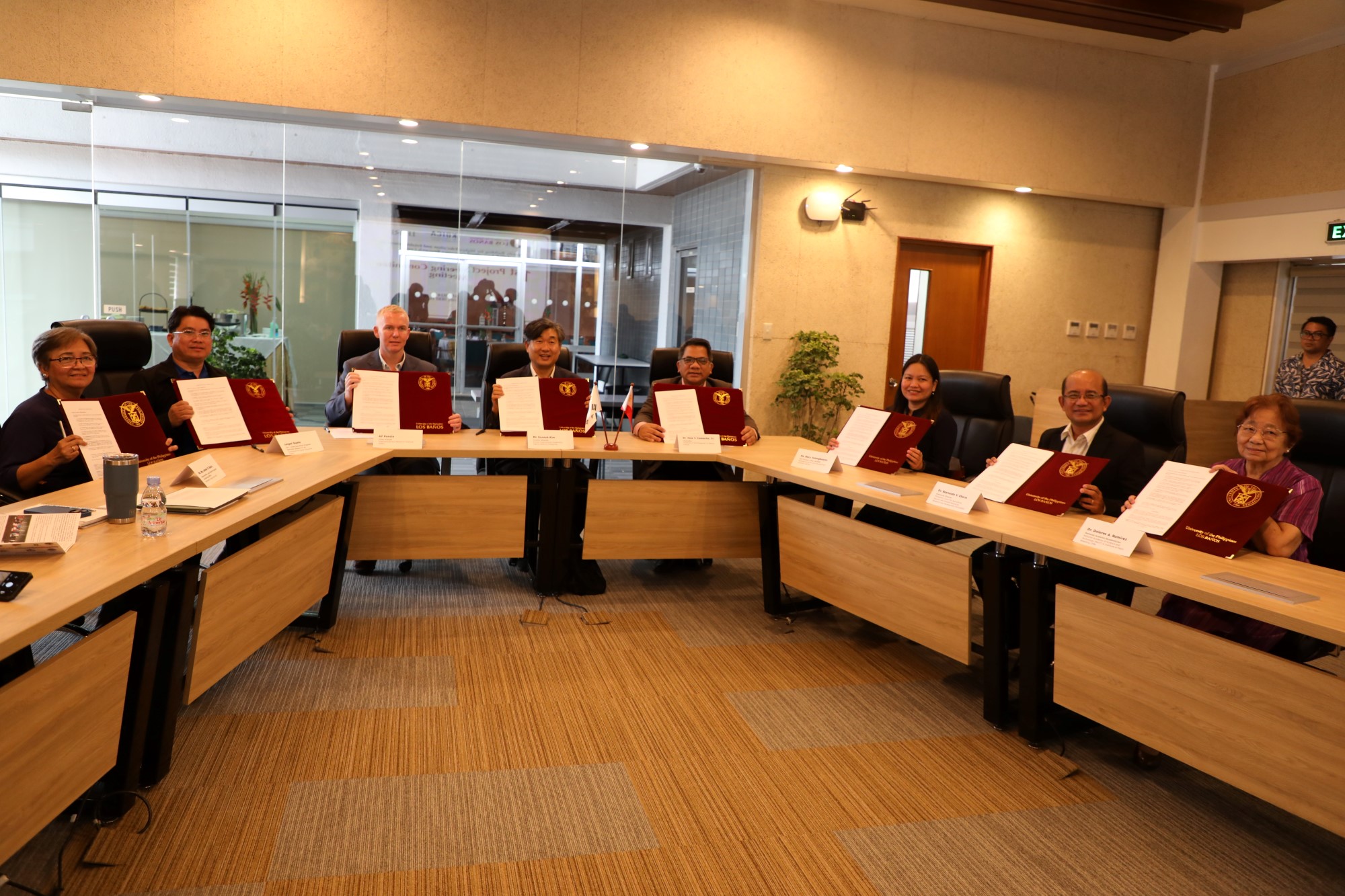
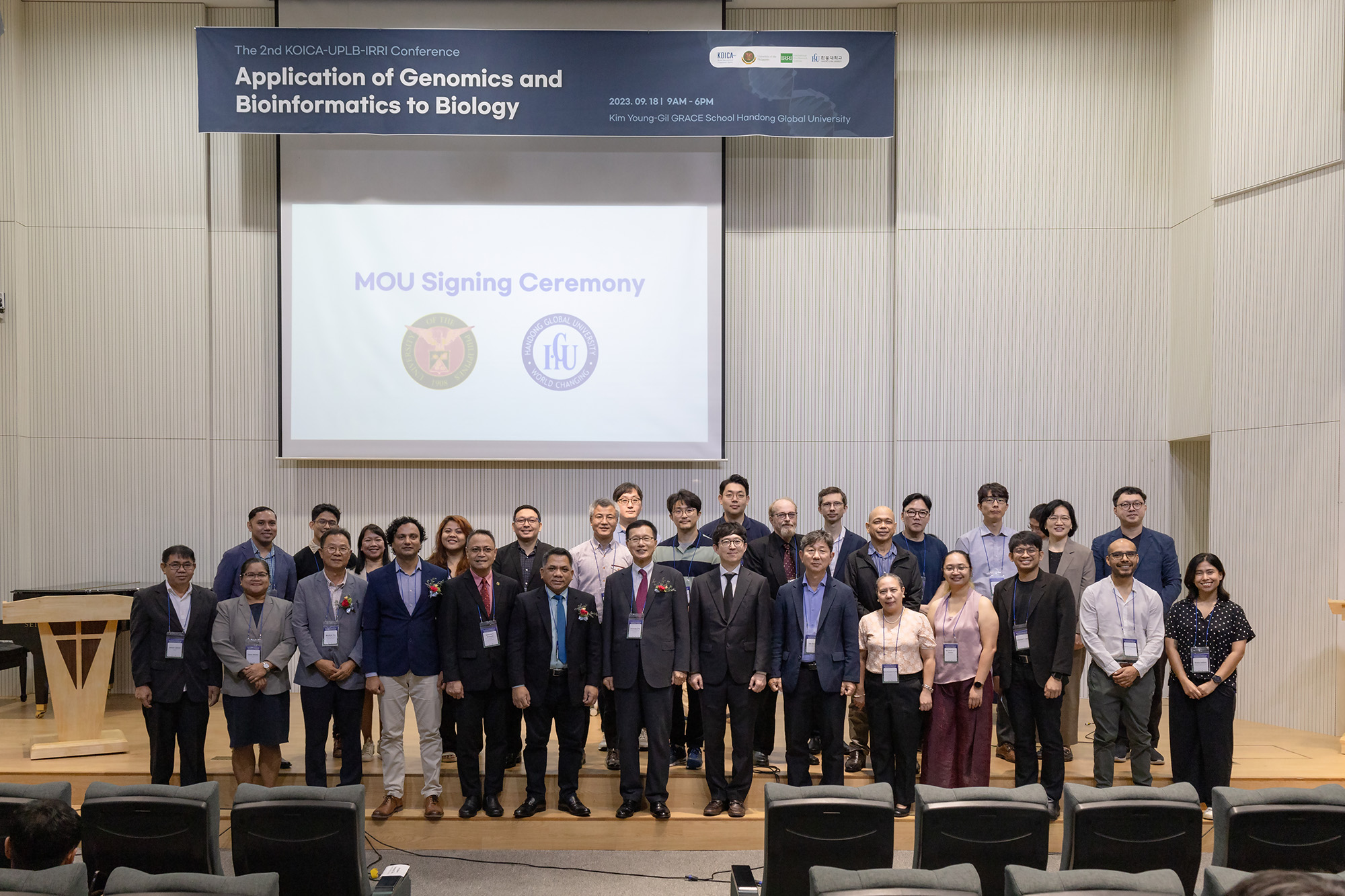
KOICA, UPLB, IRRI Partnership Establishes a Genomic Powerhouse to Future-Proof Agriculture

July 1, 2025

A Quest for Market- and Farmer-Aligned Rice Varieties in Mozambique

July 1, 2025

Burundi

Overview

Rice has been identified by the Government of Burundi as a key strategic crop due to its growing local consumption and market share. More and more rural households are cultivating and consuming rice. This is because unlike tuber crops, rice can be easily preserved and unlike other cereals, rice can adapt well in flooded conditions. Population growth and urbanization were also identified as some of the underlying causes of shifting diet preferences.

Rice cultivation started in Burundi’s low-lying areas, particularly around the Imbo plains. The crop is mostly grown under irrigated conditions in major areas such as the Imbo plain, Moso region, and other high-altitude marshes. Rice is cultivated in two seasons: the first season is from December to May, while the second season starts in June and ends in November. FAOSTAT states that from 2019 to 2023, Burundi produced an average of 369,000 tons of rice using about 192,000 ha of land.
Around 80% of the country’s population works in the field of agriculture that accounts for about half of the country’s 2019 GDP. From 2014 to 2020, the share of women employees in agriculture has grown from 32% to 49% with female land ownership recorded at 65.43% in 2016. Burundi is vulnerable to the impact of climate change such as drought and flooding which significantly threaten rice production, and by extension, the country’s economy.

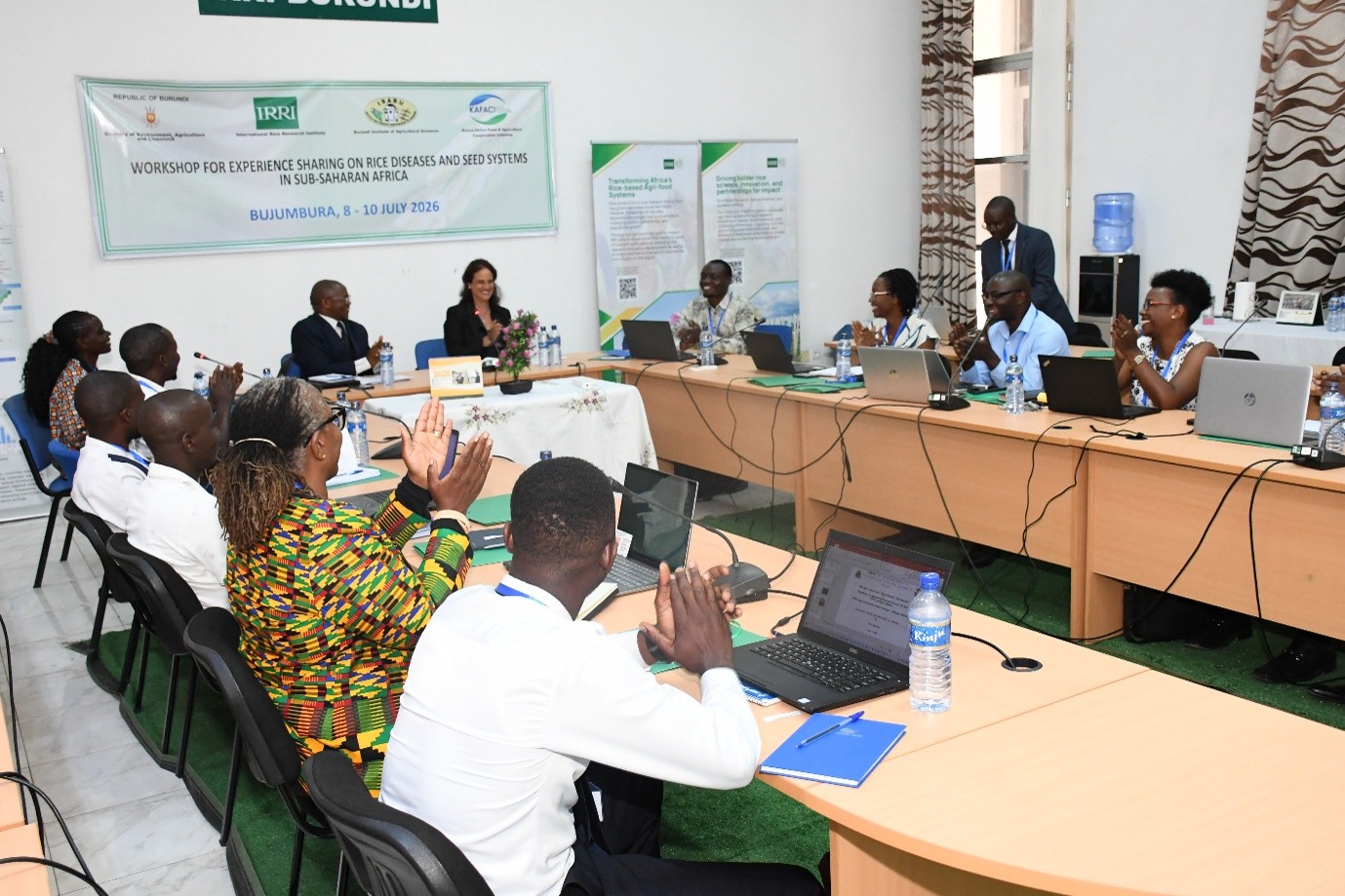
IRRI’s country strategy focuses on supporting and complementing the Government of Burundi’s national strategy to meet the growing domestic demand for rice and reduce imports. Through its technical and research expertise, IRRI is collaborating with NARES and national partners in Burundi by releasing new resilient rice varieties, organizing and structuring farmer groups, introducing and disseminating post-harvest technologies, and training researchers, technicians, and smallholder farmers on sustainable rice research and farming.

Joseph Bigirimana

IRRI Country Representative for Burundi

Office Address
Regional Crop Improvement Office 
Bujumbura - Burundi 
C/O University of Burundi 
Faculty of Agronomy and Bio- Engineering (FABI) 
2, Avenue de l'UNESCO 
B.P 5132 Bujumbura - Burundi 
Telephone Number: +257 22 27 84 94 

Related Articles

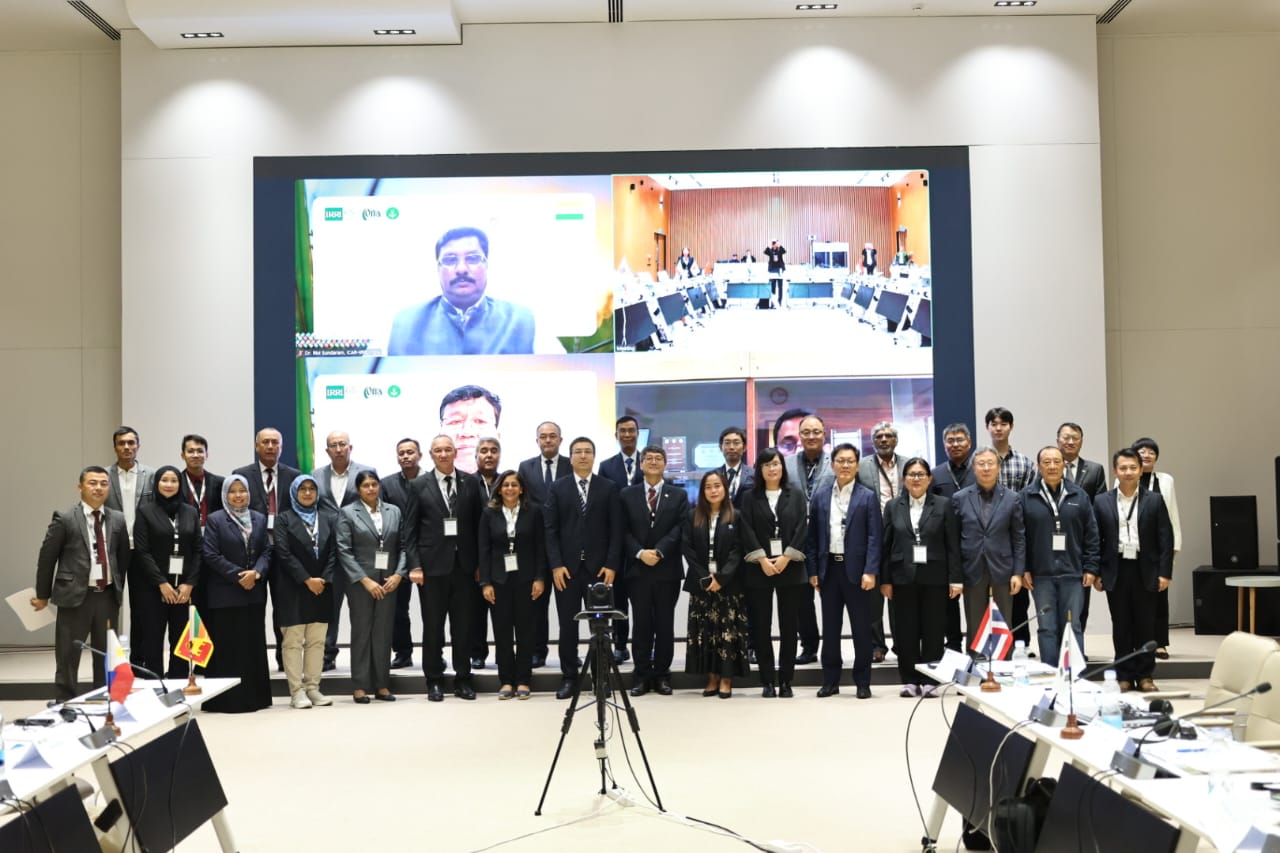
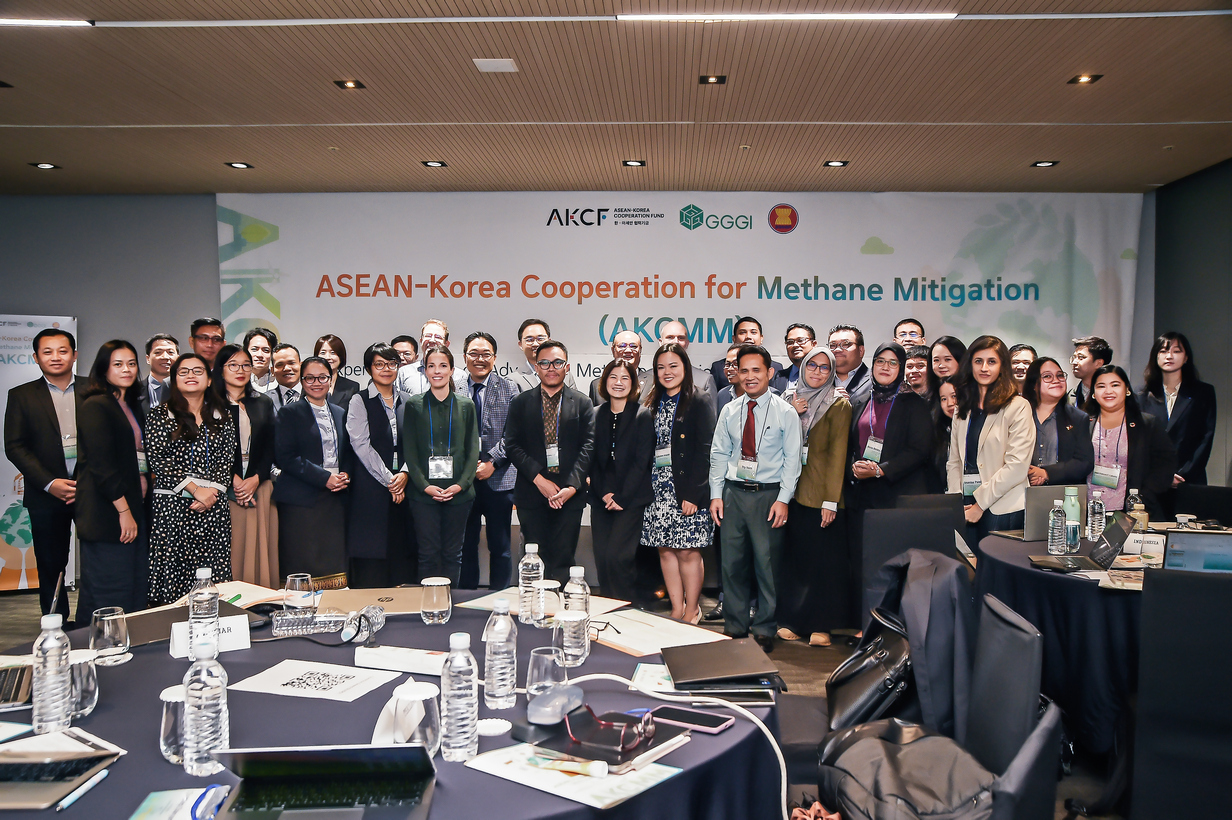
IRRI in South Korea

Overview

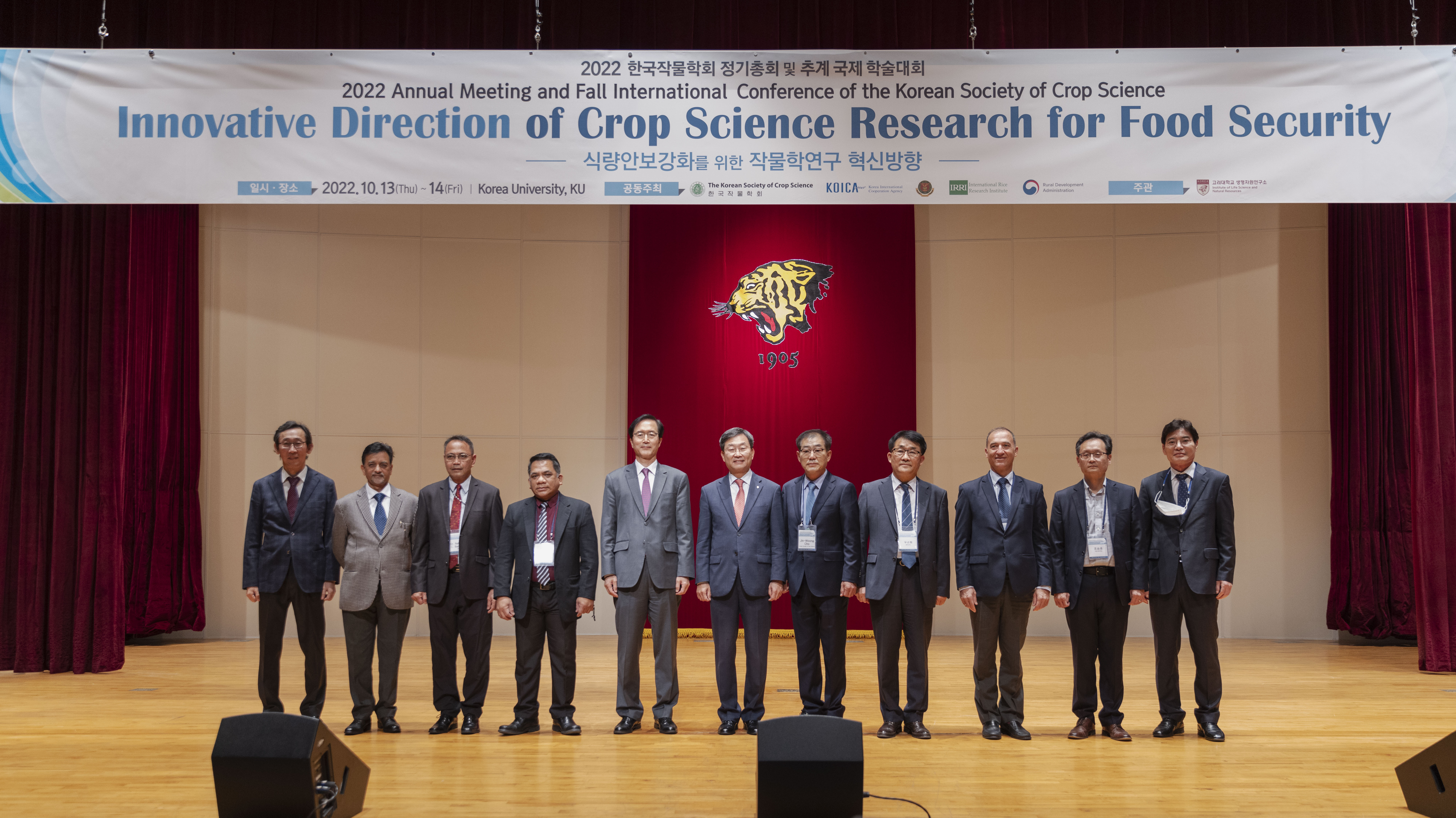
Once heavily reliant on rice imports, South Korea has transformed into a rice self-sufficient country by cultivating high-yielding varieties and adopting innovative technologies during the Green Revolution. Its collaborations with IRRI began in the 1960s, laying the groundwork for the historic development of Tongil rice, a high-yielding and blast-resistant variety, which played a crucial role in self-sufficiency.

By 2024, the production of milled rice reached 3.5 million metric tons, reflecting a 3.2 percent decline from the previous year due to climatic pressures, as well as increased pests and diseases. Additionally, the area of land dedicated to rice cultivation decreased to 698,000 hectares (USDA, 2024). While rice continues to be a staple in the Korean diet, domestic consumption fell to nearly 4 million metric tons. However, the increasing popularity of manufactured rice products has partially mitigated this decline, indicating a shift in consumer preferences regarding rice consumption.

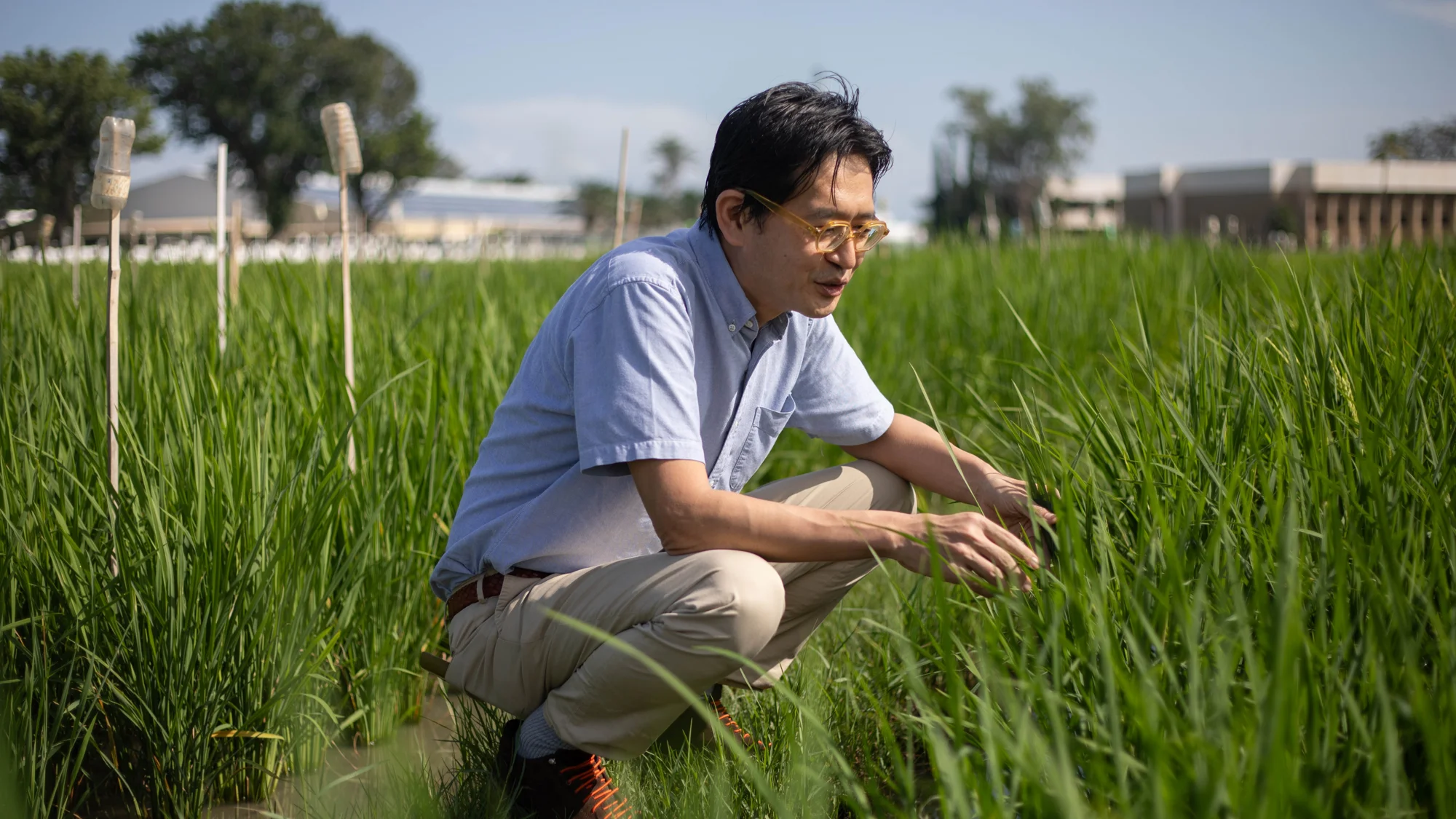
Currently, IRRI and South Korea are collaborating to breed high-quality and climate-smart Indica rice varieties that meet changing market demands. IRRI also partners with South Korea to enhance rice research networks across temperate regions, promoting knowledge exchange about production challenges and solutions, particularly for temperate or Japonica rice.

With the contributions of the Government of Korea, IRRI also extends the impact of rice research by disseminating relevant information, advancing agricultural technology transfer systems, and building local capacity to support innovation in the agro-industry in developing counties.

Il-Ryong Choi

IRRI Country Representative for South Korea 

Office Address
IRRI-KOREA Office (IKO)
Mail: c/o National Institute of Crop Science, RDA
181 Hyeoksin-ro Iseo-myeon Wanju-gun Jeollabuk-do 55365
Republic of Korea
Phone Number: +82 63 238 5498
Fax: +82 63 238 5499

Related Articles

China and IRRI

Overview

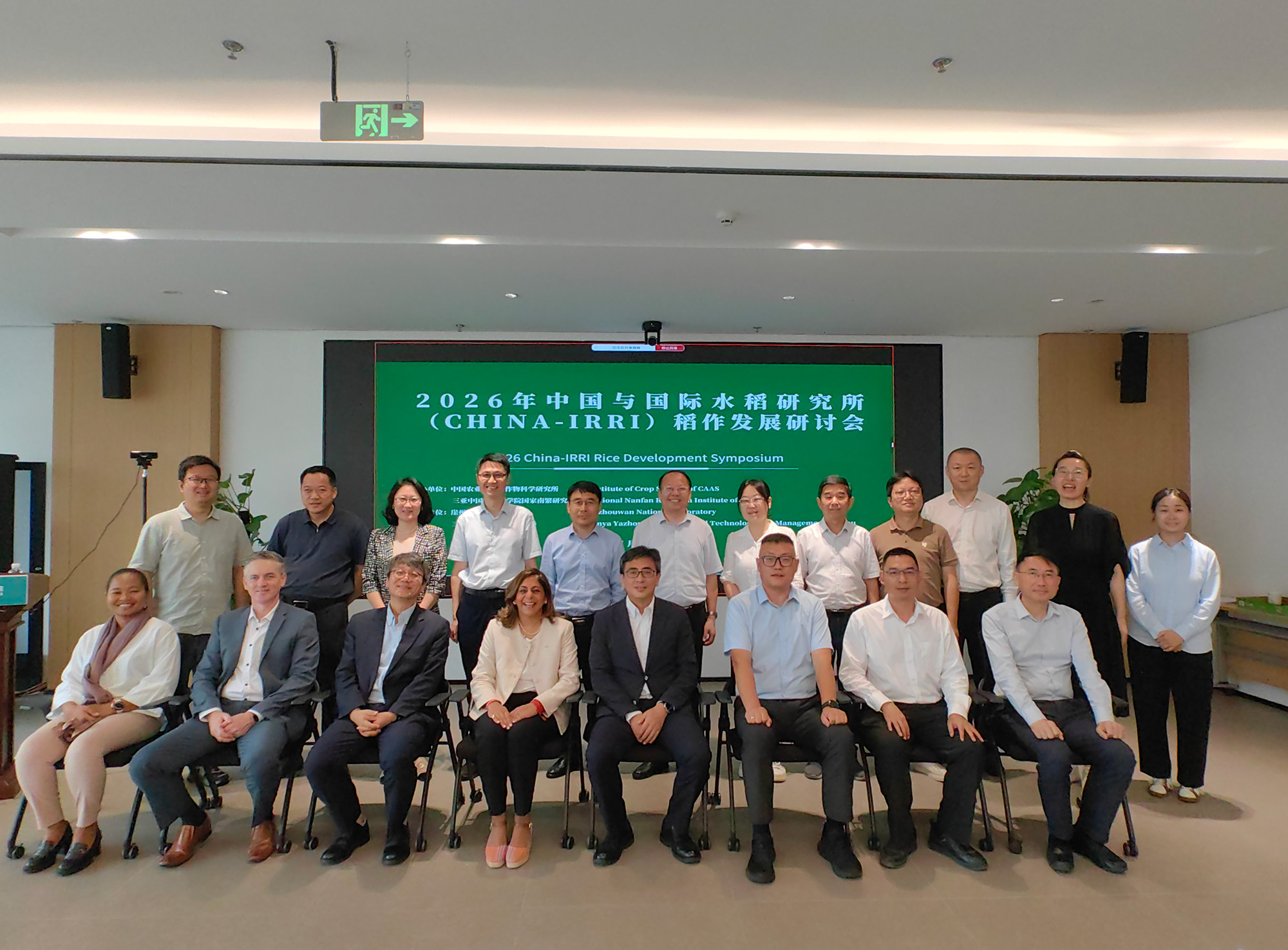
China stands as the largest rice-producing country in the world and accounts for approximately 26% of the global rice production. According to FAO, it produced 208 million metric tons of paddy rice in 2023, with an average yield of 7.1 metric tons per hectare.

As China’s most important crop, rice is central to ensuring food security for the country’s growing 1.4 billion population. Yet, the effects of climate change, such as spring droughts, autumn flooding, and rising temperatures, continue to threaten its cultivation. Additionally, the diminishing arable land for rice farming, with about 29 million hectares, and soil degradation caused by heavy pesticide use pose further risks to its long-term productivity. At the same time, China’s diverse genetic resources remain largely untapped, offering valuable opportunities for developing improved rice varieties.

With over four decades of collaboration, IRRI served as a hub for building expertise in rice science for its scientists and students. This partnership has led to the widescale adoption of improved hybrid varieties, resulting in increased yields and reduced disease incidence, particularly rice blast disease. It has also generated new technologies that reduce pesticide use while enhancing productivity, bringing economic, social, and ecological benefits across the country.

Together, IRRI and China are working to develop adaptive solutions to climate change by breeding high-yielding and stress-resistant varieties and advancing rice farming technologies. IRRI also supports initiatives to strengthen cooperation, knowledge-sharing, and technological exchange among countries and institutions to drive sustainable rice production.

Xiaoming Zheng 

IRRI Country Representative for China 

Office Address:  
IRRI China Office, Liaison Scientist 
No. 8 Building, Nong Ke Xi Da Dao
Chinese Academy of Agricultural Sciences 
No. 12 Zhongguancun Nandajie, Beijing 100081 
Peoples' Republic of China 
Phone Number: +86 132 4102 0097

Media Center

Media Center

IRRI is committed to communicating rice science, development and innovations and facilitating discussions toward agri-food systems transformation. 

To be included in the press mailing list, please send your contact information to irri-mediarelations@cgiar.org

Press Releases

Media Kits and Brand Guidelines

Resources