Sustainable Impact through Rice-based Systems (SIRS)

Overview

Rice is the staple food for half of the world’s population. It is the primary source of calories  for billions of people, primarily from low-income households, making it a critical crop for  achieving food, nutrition, social, and livelihood security. 

Rice and its production process shape cultures and social dynamics. It is a valuable crop  in Asia, positioned at the heart of nations and their economies. Consumer preference is  also growing across Africa due to changing diets and urbanization. Rice production,  particularly in sub-Saharan Africa, has overtaken demand. In a world afflicted by the  impacts of climate change, rice production and its markets worldwide need to evolve and  adapt to these emerging trends and heightening threats. 

Through Sustainable Impact through Rice-based Systems (SIRS), IRRI employs multi- and  inter-disciplinary research approaches to address global challenges. SIRS recognizes that  rice is a crop that drives global agri-food systems. From the soils to the markets, SIRS  presents evidence-based, data-driven, and gender-responsive solutions. SIRS innovates  strategies to improve climate resilience in mixed farming systems through climate change  mitigation, integrated crop management and pest ecology, mechanization, and post harvest technologies.  

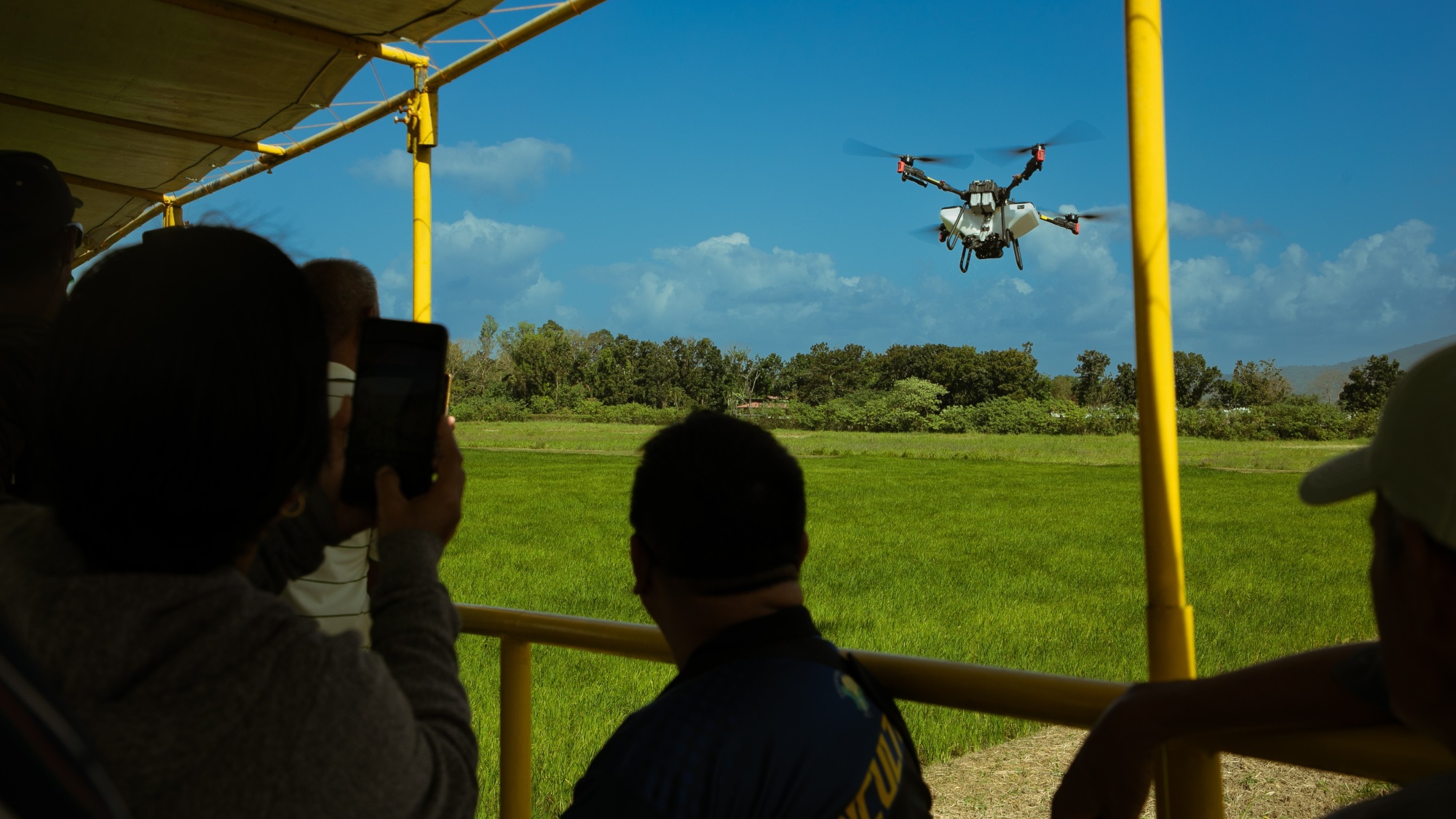
SIRS also mobilizes digital and geospatial innovations to help with crop modeling and  technology targeting to boost smallholder farmers’ productivity and resilience, therefore  modernizing rice industries through digital transformation. SIRS looks into markets and  value chains and how data-driven decision-making can make food systems more inclusive and responsive to global trends. With rice as its core to guide sustainable global agri-food  system transformation. SIRS positions rice as a crop that offers solutions for soil, climate,  lands, technology, markets, and livelihoods.

SIRS Research Units

Inclusive Markets and Value Chains (Markets) 

The Inclusive Markets and Value Chains Unit aims to strengthen market, value  chain, and food systems research and research capacity for impactful, data-driven  decision-making in agri-food systems. 


Digital and Spatial Landscapes Transformation (Landscapes)

The Digital and Spatial Landscapes Transformation Unit aims to enhance geospatial  and AI capabilities for agriculture and build capacity for digital and geospatial  innovation to establish global leadership in digital agriculture and spatial  transformation in the long term. 

Climate-resilient Farming Systems (Farming Systems) 

The Farming Systems Unit develops and innovates strategies to enhance the  resilience of mixed rice farming systems by integrating IRRI’s expertise on climate  change mitigation, pest ecology and management, climate-adaptive agronomy,  mechanization, post-harvest, and rice co-products, and sustainable soils.  

Gender and Livelihoods (Research) 

The Gender and Livelihoods Unit is dedicated to integrating gender-focused  research to empower women and youth, promote equitable access to resources,  and enhance rural livelihoods, food security, and nutrition. As a cross-cutting  cluster, it aims to deliver gender-responsive research and science-informed policy  solutions.

Transformative Policies and Investments (TPI)

The Transformative Policies and Investments Unit conducts rigorous, evidence based research and targeted policy advocacy to strengthen rice-based agri-food  systems through enhancing productivity, environmental sustainability, livelihoods,  and resilience for farming communities and consumers.

SIRS Director

Dr. Virender Kumar

Research Director

Dr. Virender Kumar is a Principal Scientist at IRRI specializing in Weed Science and Systems Agronomy. He leads the Climate-resilient Farming Systems Unit and coordinates the Direct-Seeded Rice Consortium. His research focuses on sustainable weed management, resource-efficient alternatives to puddled transplanted rice, and sustainable intensification of rice-based systems. Previously, he worked at CIMMYT and holds a PhD in Weed Science from Cornell University, along with a Master's in Agronomy from CCS Haryana Agricultural University. He has published over 50 peer-reviewed articles.

Related Articles

Genome Editing Workshop Equips Scientists for Precision and Responsibility

May 22, 2025

IRRI's RiceEco Project a Standout at Mekong–Republic of Korea Cooperation Fund Forum

May 20, 2025

Training on mechanized direct-seeded rice (DSR) for precision sowing empowers local service providers in Nilphamari, Bangladesh

May 15, 2025

ADB initiative promotes water-saving irrigation practice in drought-prone Bangladesh region

May 15, 2025

News

All News

South Asia

Overview

South Asia is home to nearly 40% of the world’s rice consumers and cultivates over 70 million hectares of rice, which is essential for food and nutritional security in the region. In India, Bangladesh, and Nepal, rice is not just a staple food; it is a way of life, intricately linked to the economy, culture, and rural livelihoods. However, the rice value chain in these countries faces several systemic challenges. These include climate-induced yield losses, water scarcity, declining soil fertility, low levels of mechanization, labor shortages, high postharvest losses, and limited access to innovative practices.

Productivity gaps persist, particularly in rainfed and stress-prone areas, which often yield less than 2.5 tons per hectare. Additionally, climate change, rapid urbanization, and population growth are putting further strain on already stressed agri-food systems.

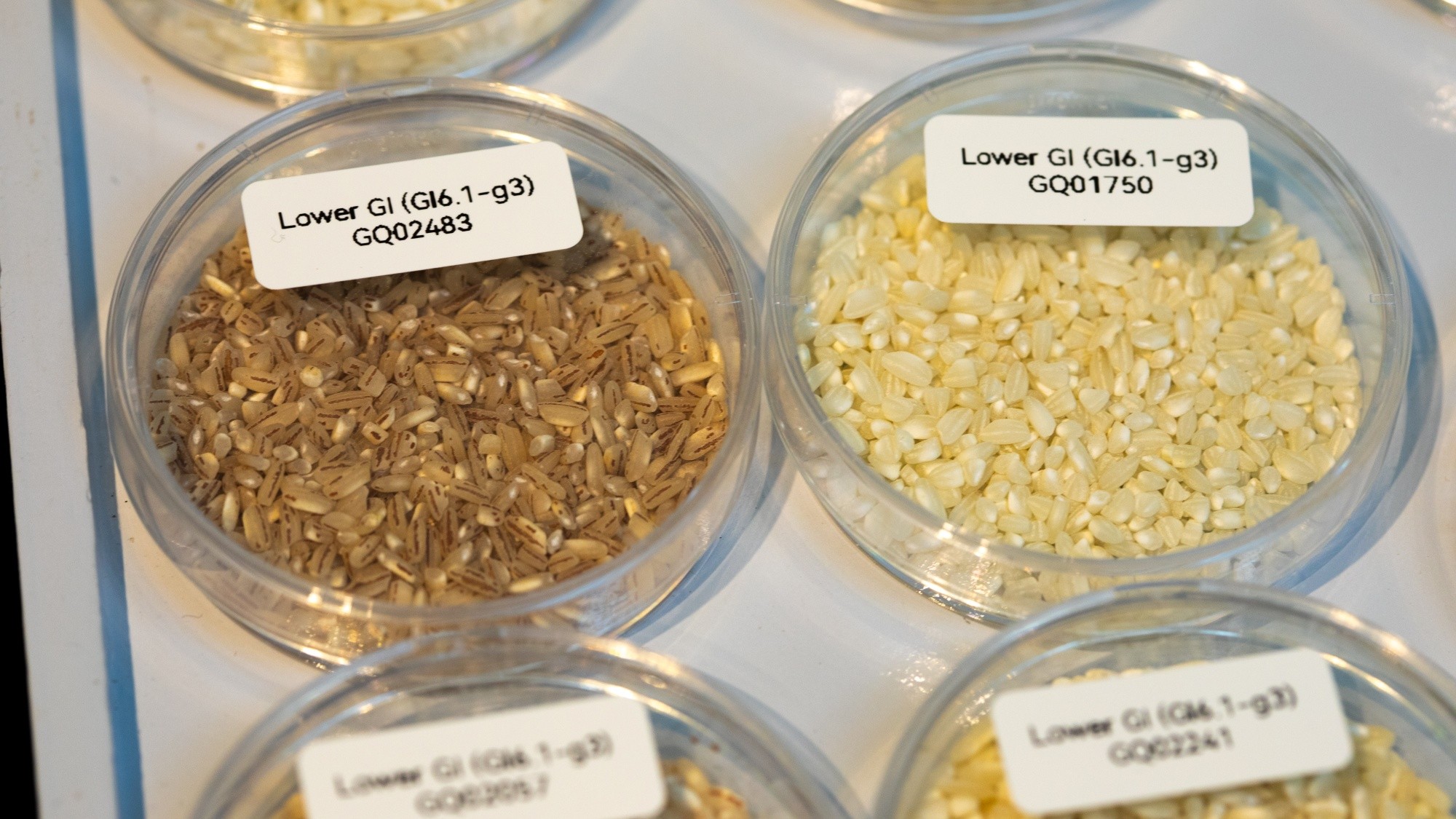
IRRI’s work in South Asia is centered on advancing rice-based agri-food systems that are productive, resilient, and sustainable. Through successful collaboration with national agricultural research systems, government agencies, private sector actors, and development partners, IRRI has led several breakthroughs in the region, contributing to food and nutrition security. One of IRRI’s key achievements in South Asia is the development of climate-resilient rice varieties tolerant to drought, flood, salinity, and heat. IRRI also advances biofortified, low-GI, and rice value addition, along with promoting traditional landraces.

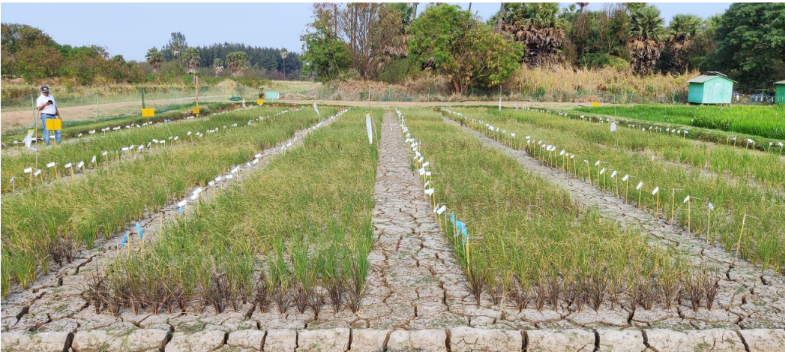
Complementing its varietal innovations, IRRI leads major regional initiatives to enhance access, policy alignment, and sustainable practices. The Seeds Without Borders (SWB) framework, championed by IRRI, facilitates regional varietal exchange and harmonization of seed policies among countries such as India, Bangladesh, Nepal, and Sri Lanka and thus enabling faster delivery of improved varieties to farmers across borders. IRRI also plays a pivotal role in scaling sustainable rice production techniques like Direct Seeded Rice (DSR) and Alternate Wetting and Drying (AWD), particularly in the eastern Indo-Gangetic Plains.

Across South Asia, IRRI’s integrated approach—combining cutting-edge science, strategic partnerships, and policy engagement—is enabling the transformation of rice-based agri-food systems to meet the region's future demands.

Our Country Offices

East Asia

Overview

East Asia is the second-largest rice-producing and consuming region in the world, following South Asia (USDA, 2024). The region produced approximately 158.8 million metric tons of milled rice and consumed around 160.8 million metric tons in 2024/2025. Despite the diminishing land area for rice cultivation at 31.9 million hectares, the region’s average yields are steadily increasing, reaching 7.1 metric tons per hectare.

China, Korea, and Japan possess some of the most advanced rice production technologies and quality management systems in the world. Their strong research capacities and innovation ecosystems enable them to effectively address challenges such as ecological degradation, pest and disease incidences, and the effects of climate change such as floods, droughts, and extreme temperatures that pose serious threats to yields and farmer livelihoods.

IRRI actively collaborates with East Asian countries through technical partnerships and joint initiatives. These efforts include developing climate-resilient rice varieties aligned with consumer preferences and market demands, as well as conducting research to reduce methane emissions, contributing to global climate change mitigation. IRRI also supports the development of disease-resistant rice varieties to enhance food security across the region.

Moreover, IRRI plays an important role in strengthening rice research networks throughout East Asia. By engaging through technical exchanges, collaborative research, and training programs for young scientists, IRRI helps build the next generation of leaders in rice science and innovation.

Our Country Offices

Shin Jongsoo

IRRI Regional Director for Asia 

Southeast Asia

Overview

Southeast Asia (SEA) is renowned for its rich biodiversity, which plays a crucial role in the continent's agri-food systems. The region's temperate climate and fertile lands have fostered various ecosystem services, making it a significant production powerhouse and an essential player in global food supply and trade. The Agriculture, Forestry, and Fishing (AFF) industries are primary sources of employment in many SEA countries, accounting for 27.6% of the over 300 million workers in the region.

Rice plays a crucial role in the social, economic, and cultural development of each Southeast Asian country. Over the past 50 years, rice production has increased dramatically through crop intensification, where more produce is grown on the same amount of land. From 2014 to 2023, FAOSTAT recorded that Southeast Asia produced an average of 194 million tons of rice using approximately 45 million hectares of land. However, challenges are mounting as the steadily growing population has significantly increased rice consumption both in the region and worldwide. Furthermore, Southeast Asia is one of the most vulnerable regions to the impacts of climate change, which poses a serious threat to global food and nutrition security.

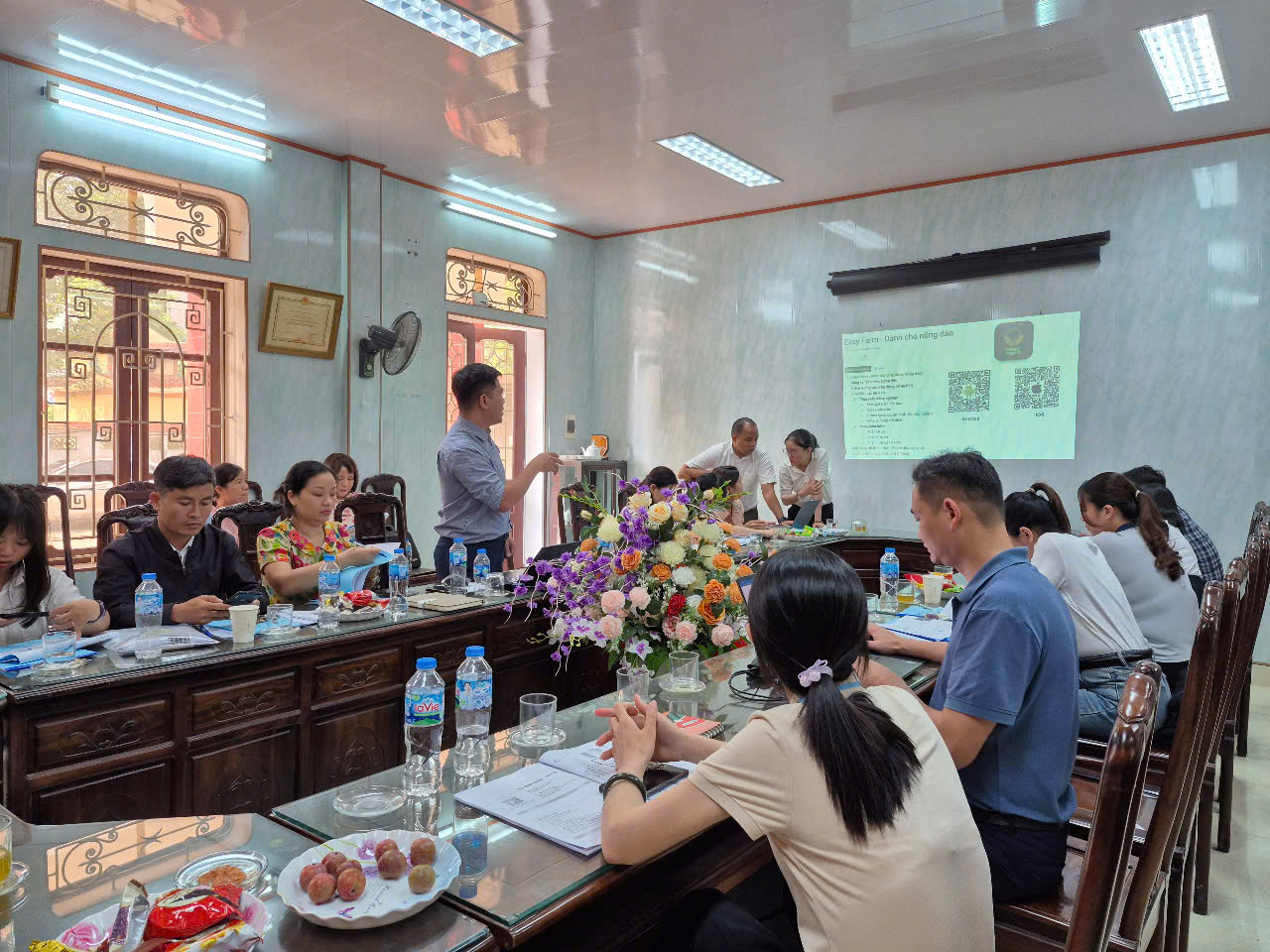
The International Rice Research Institute (IRRI) collaborates with various public and private sector partners in Asia to further its commitment to transforming food systems. Together with key partners in the region such as the Association of Southeast Asian Nations (ASEAN) and its member states, IRRI aims to contribute to the collective vision of a "competitive, inclusive, resilient, and sustainable Food, Agriculture, and Forestry sector integrated with the global economy, based on a single market and production base contributing to food and nutrition security and prosperity in the ASEAN Community."

IRRI is dedicated to supporting Southeast Asia’s food, nutrition, and climate goals. The institution seeks to address the growing gap between rice supply and demand, helping nations meet their domestic needs while also prioritizing farmer livelihoods and rural development. As IRRI’s headquarters, the organization aims to contribute to the research and policy development of rice-based agri-food systems in SEA and to drive investments in innovations that promote sustainability and regional agricultural development.

Our Country Offices

Jongsoo Shin

IRRI Regional Director for Asia

Office Address 
Agricultural Genetics Institute 
KM 2- Duong Pham Van Dong 
Bac Tu Liem, Hanoi 
Phone Number: +84 24 38360026 

Africa

Overview

Rice production in Eastern and Southern Africa (ESA) has grown ten times its size since the 1960s, but consumption has also exponentially surged due to urbanization, changing dietary preferences, and population growth. From 2014 to 2024, the USDA recorded that SSA’s domestic consumption of milled rice has completely overtaken production capacities at an average of 14 million metric tons every year.

As demand intersects with regional production capacities, the region is beset by the impacts of climate change such as flooding, drought, and increased salinity in soil. Nearly 70% of rice production in the region is produced in lowlands under rainfed conditions which makes small holder rice farmers vulnerable to extreme weather events such as floods and droughts. Some areas in SSA experience cyclones, drought, and increased salinity which all affect rice production. Women and young farmers also make up a significant portion of agricultural work which makes it a strategic crop for addressing social equity in the continent. In SSA, about 49% of women are employed in agriculture while more than 1 in 2 young people work in agricultural spaces.

Due to these emerging trends and increasing demands, markets in SSA must adapt to become more competitive and resilient to adapt to the evolving rice value chain and changing climatic conditions at scale. Solutions must also focus on providing opportunities to women, youth, and other marginalized populations so that no one is left behind.

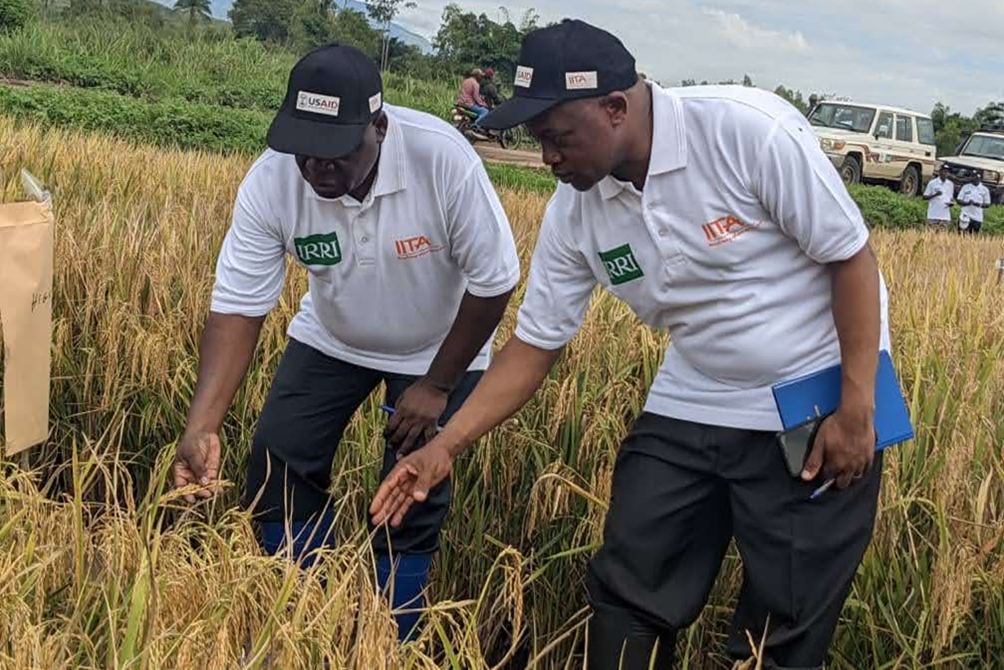
In partnership with CGIAR Centers in the continent such as the Africa Rice Center (AfricaRice), International Livestock Research Institute (ILRI), International Institute of Tropical Agriculture (IITA), as well as key NARES partners from IRRI’s country offices, the institute’s regional representation aims to support SSA’s goals of guaranteeing food, nutrition, social, and livelihood security, while fostering agricultural sustainability. IRRI aims to ensure that SSA meets its goals of rice self-sufficiency by directing rice research and policy development as well as driving investments that aim to improve the rice industry in the region.

Our Country Offices

Sofia Tesfazion

IRRI Africa Regional Director

Office Address
ILRI C/O IRRI
PO Box 30709, Nairobi 00100, Kenya
Old Naivasha Road
Tel: +254 711 033 678

Related Articles